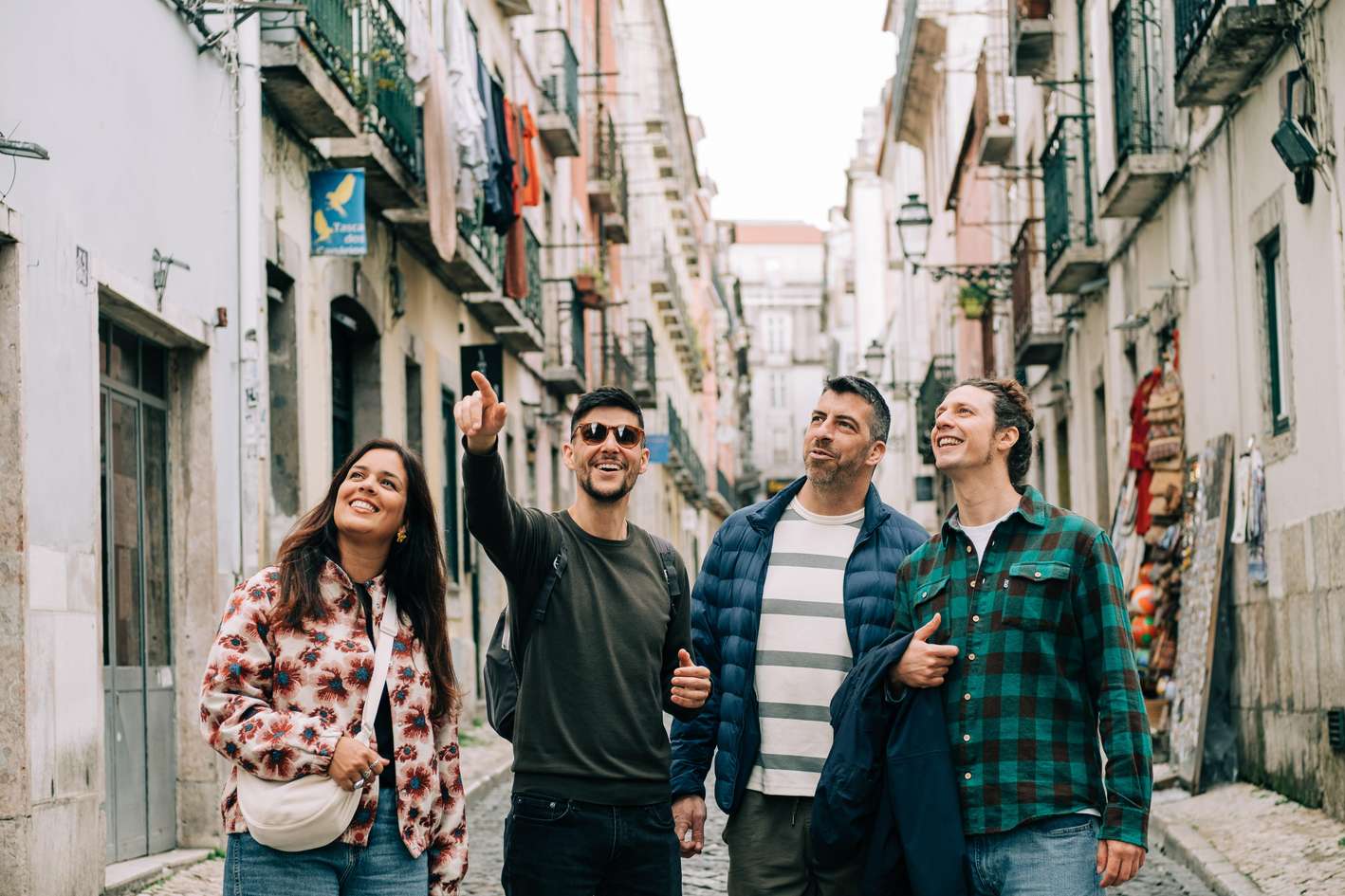
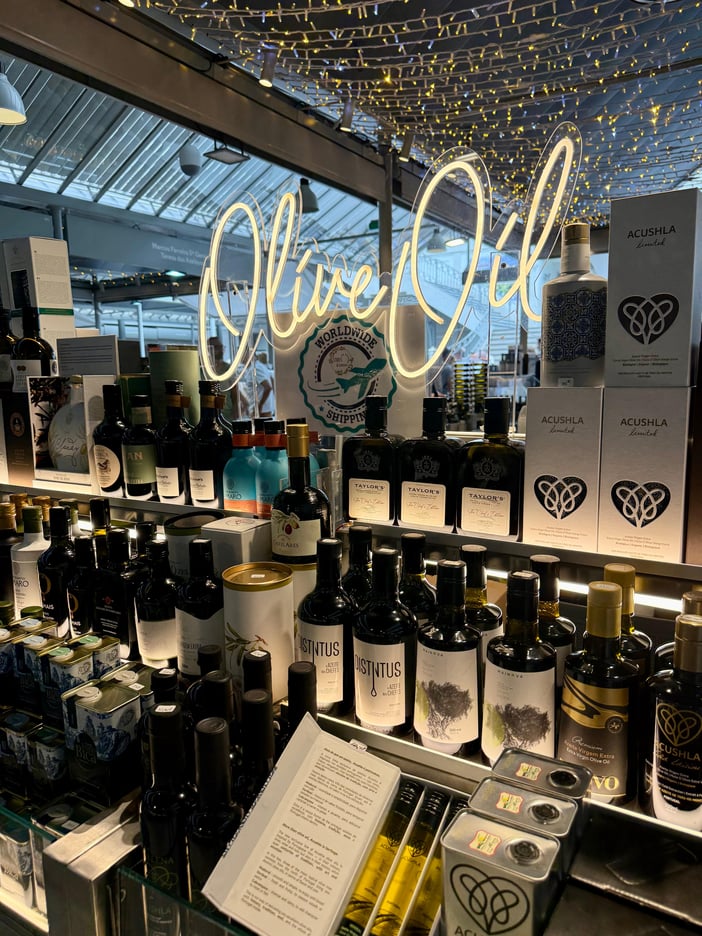
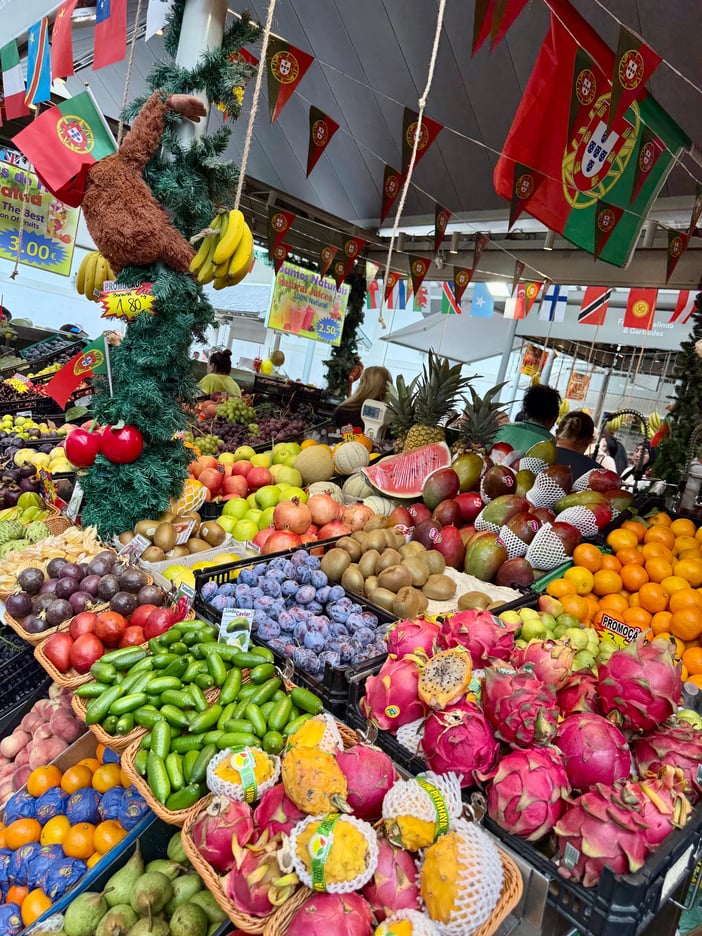
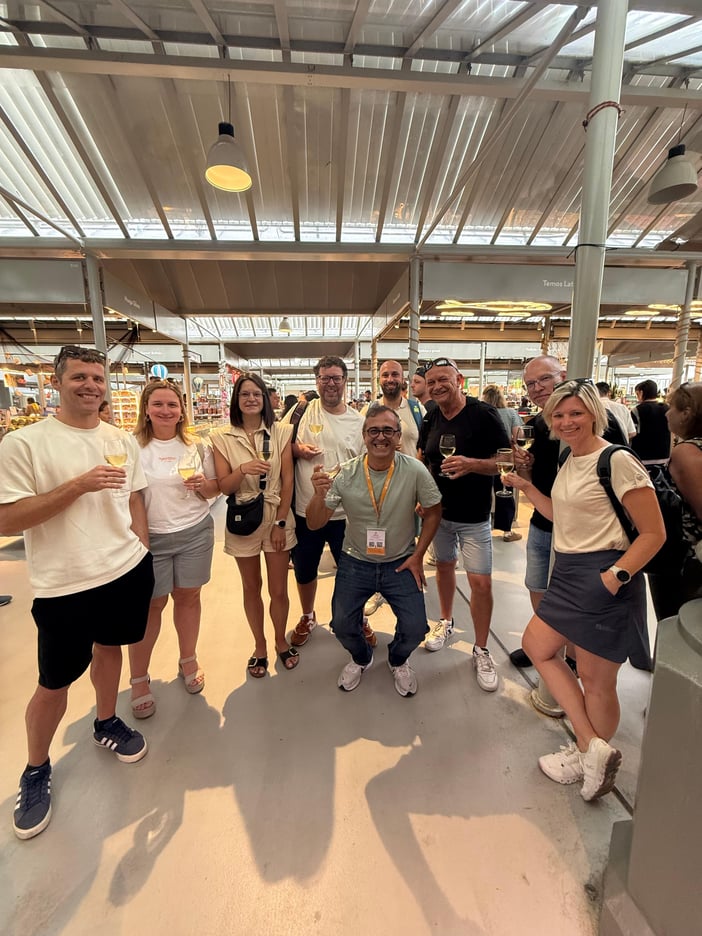
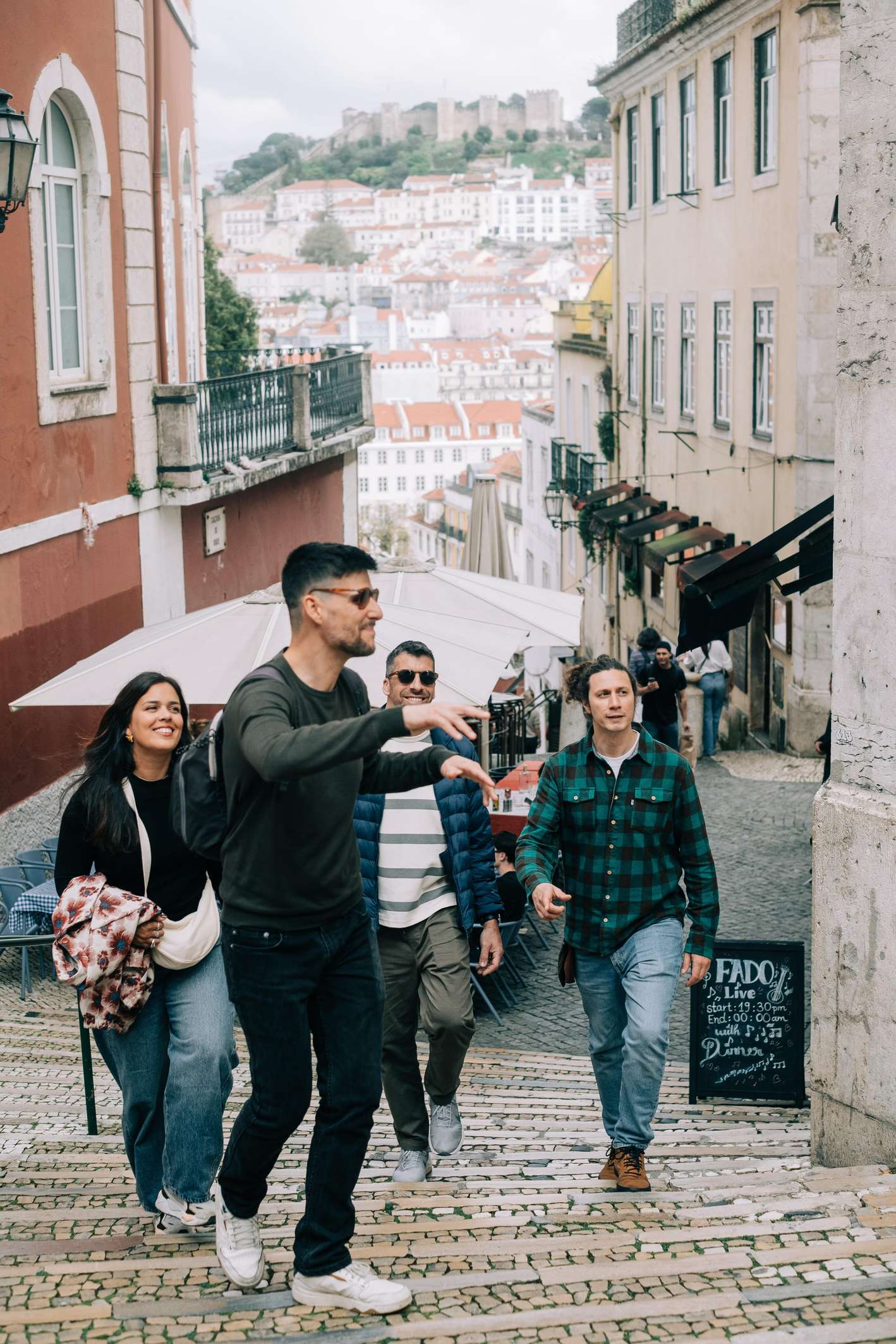
Food and Drink Tour in Porto - Wine Tastings and Local Pairings
Come hungry, leave full. Join a small group at 4+ stops where bifana, petiscos and pastel de nata come with Port wine and local pours included, a complete meal through Porto's Old Town. Pick a date and claim your seat.
Two ways to eat and drink well in Porto sit side by side here. A guided food and drink tour pairs petiscos, pastel de nata and Port wine across several stops, and suits anyone who wants a guide handling the plan. A pastry class puts you at the workbench, wine or a cocktail in hand, and suits anyone who wants to make the thing themselves.
Drinking ageThe legal age for alcohol in Portugal is 18, so that is the minimum for anyone sipping wine, Port or cocktails on a tour or in a class.
WalkingGuided food tours are walking tours, with stretches of 10 to 15 minutes uphill and downhill on cobblestones, and they are not suitable for people with mobility impairments or wheelchair users.
Mobility in classBaking workshops are easier on the legs, and one studio near Lapa is wheelchair and stroller accessible, so choose the kitchen over the walk if steps are a problem.
Dietary needsTell the operator about allergies and dietary restrictions when you book; a private food tour can switch to vegetarian alternatives at the start, and classes need advance notice for vegan, gluten-free or lactose-free options.
CancellationThe tours listed here allow free cancellation up to 24 hours in advance for a full refund.
WeatherFood tours run rain or shine and every tasting stop, including tascas and eateries, is indoors.
FootwearKitchens require flat closed-toe shoes, so leave sandals and flip-flops at your hotel.
TimingStandard pastel de nata classes run about 1.5 hours, from-scratch versions closer to 2.5, and guided food and drink tours take three to three and a half hours.
SeasonSummer classes and tours fill up most in August and September, so book those weeks well ahead.
accessThe cobbled streets of central Porto climb steeply between neighborhoods, and staircases replace some stretches of pavement, which makes food and drink walking tours difficult for wheelchair users and anyone with limited mobility.
If stairs or steep hills are a problem for you, book a hands-on pastry workshop in a studio kitchen instead of a walking route, and tell the tour operator about your mobility needs before you reserve.
Pick your food and drink tour in Porto
big groups push the nata class to 2 hours
Full meal included
3.5 hours·English
4.9(184)
Eat Porto Like a Local: The Ultimate Full-Meal Food Tour
A complete meal with drinks across 4+ stops in 3.5 hours, rated 4.9 by 184 travelers who left full.
Free cancellationEnglish-speaking local guideTaste local Port wine
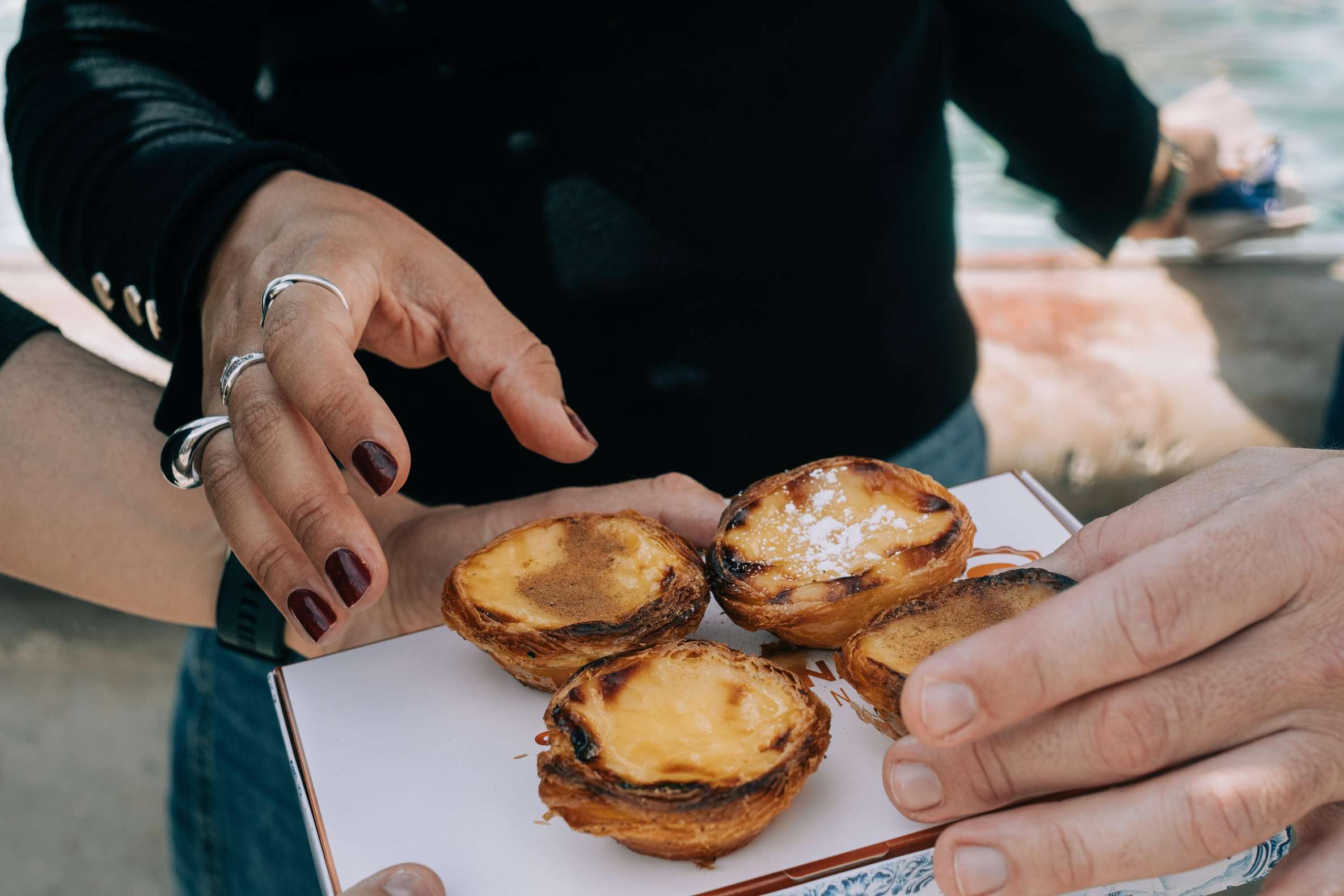
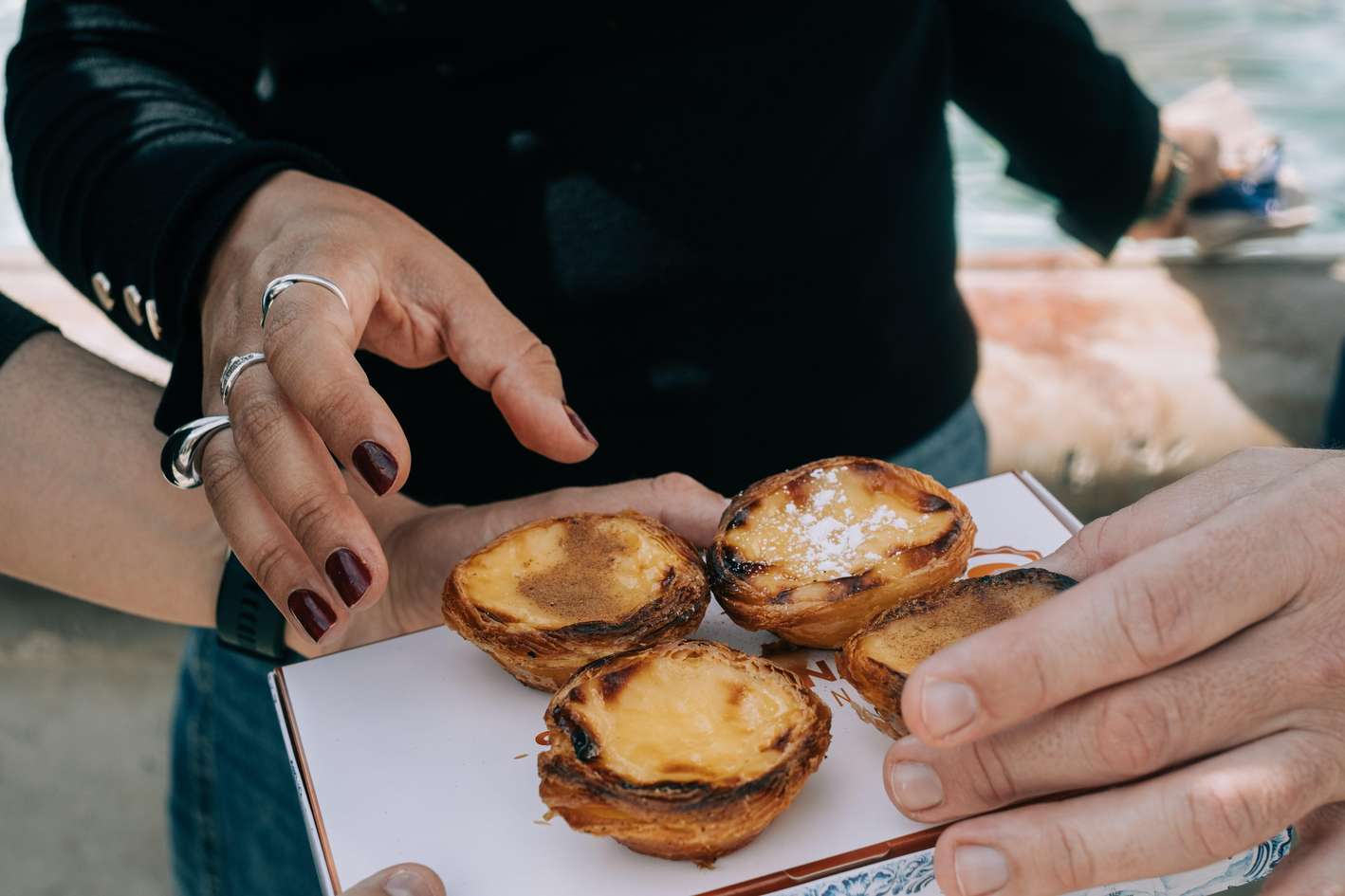
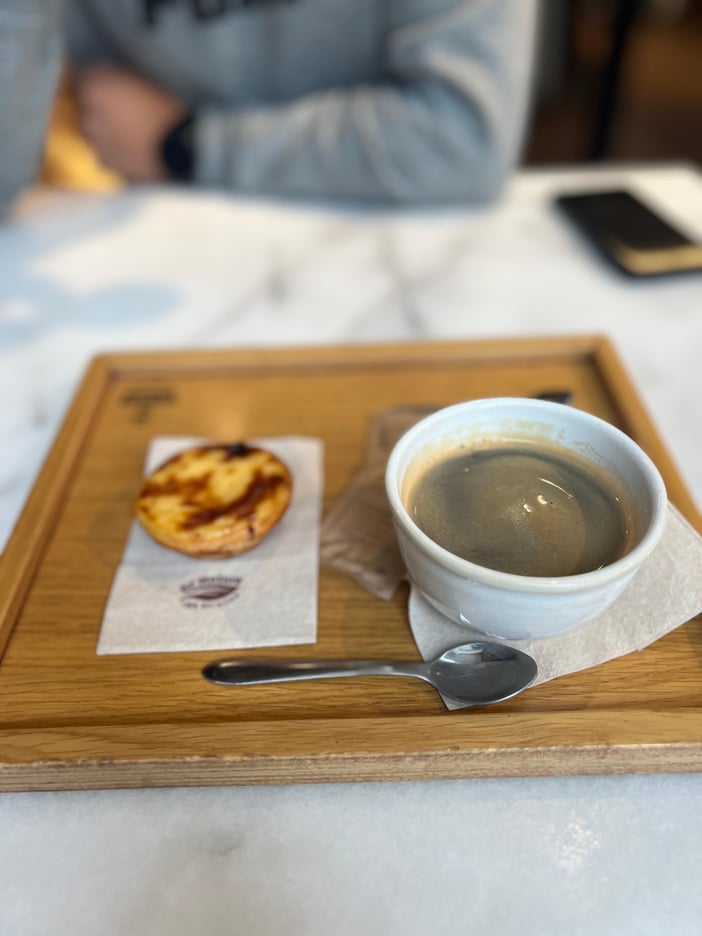
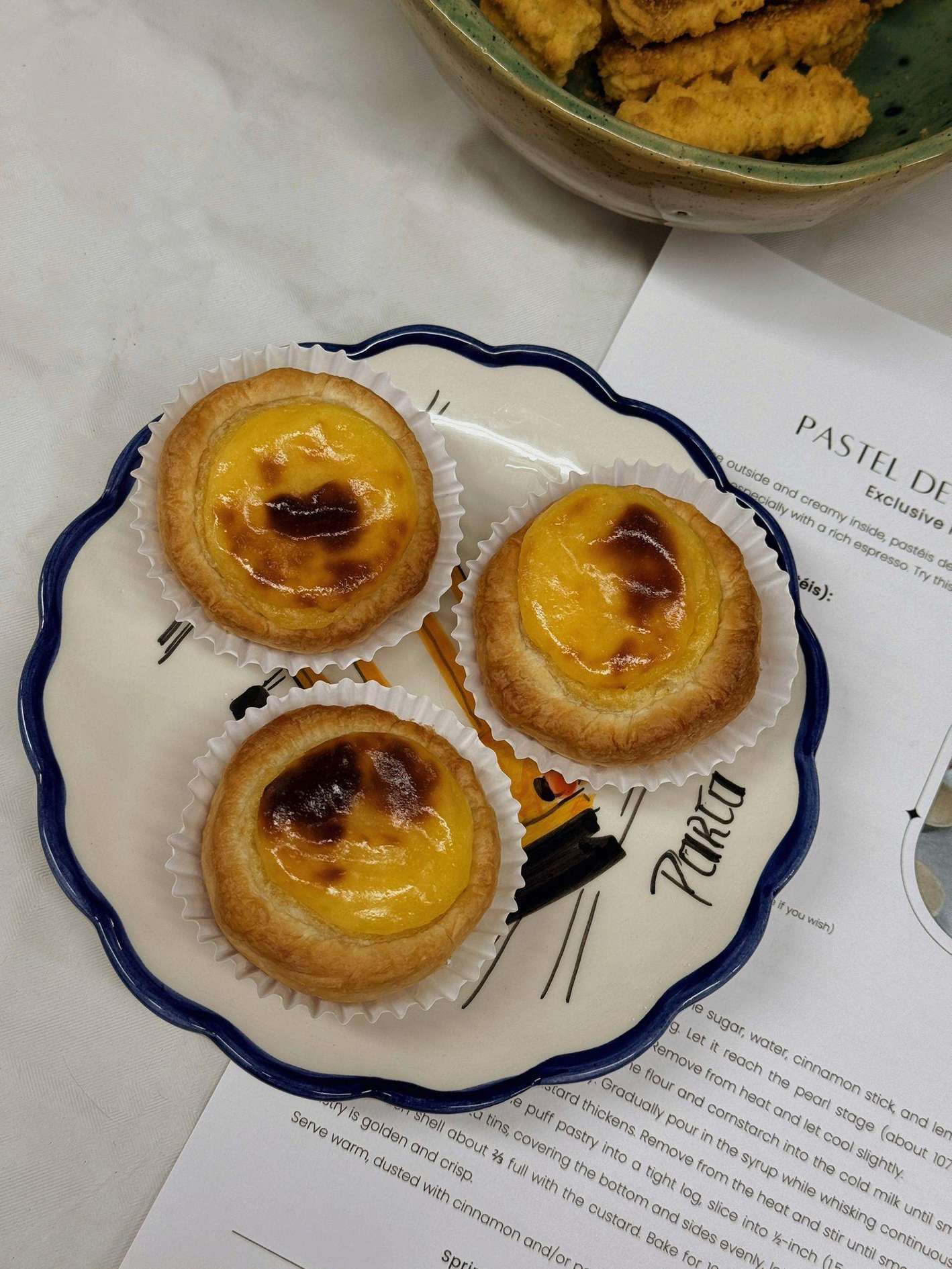
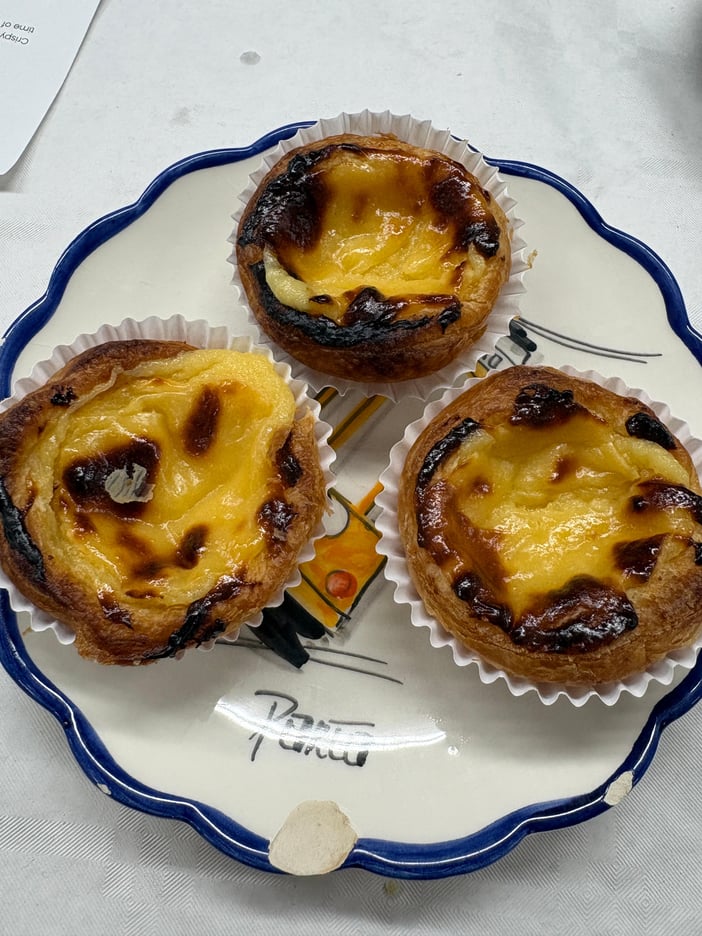
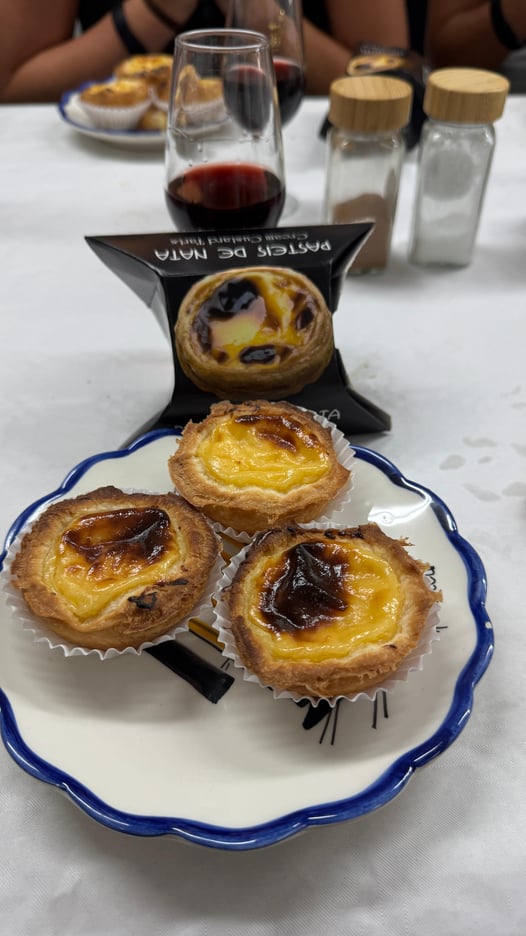
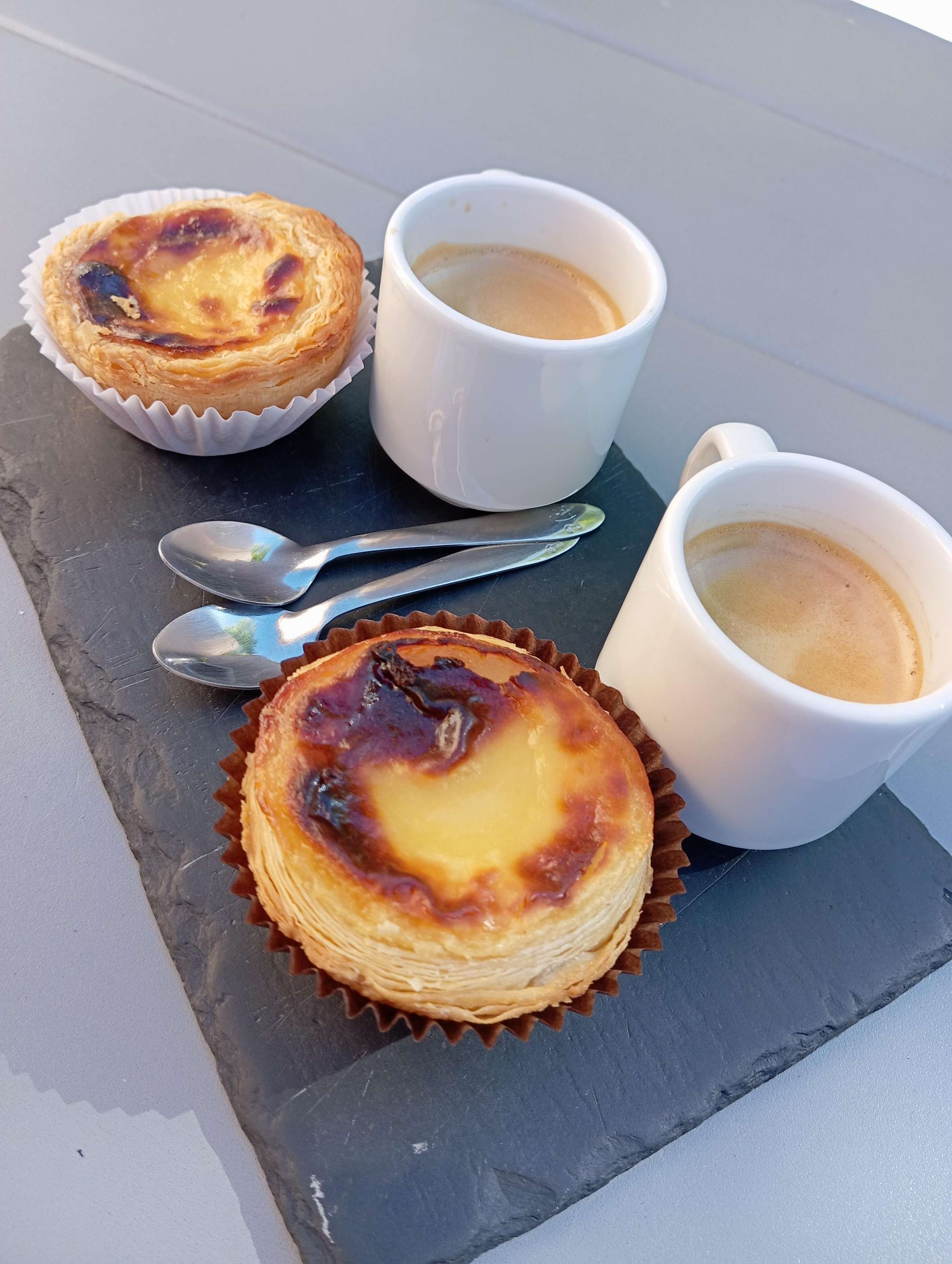
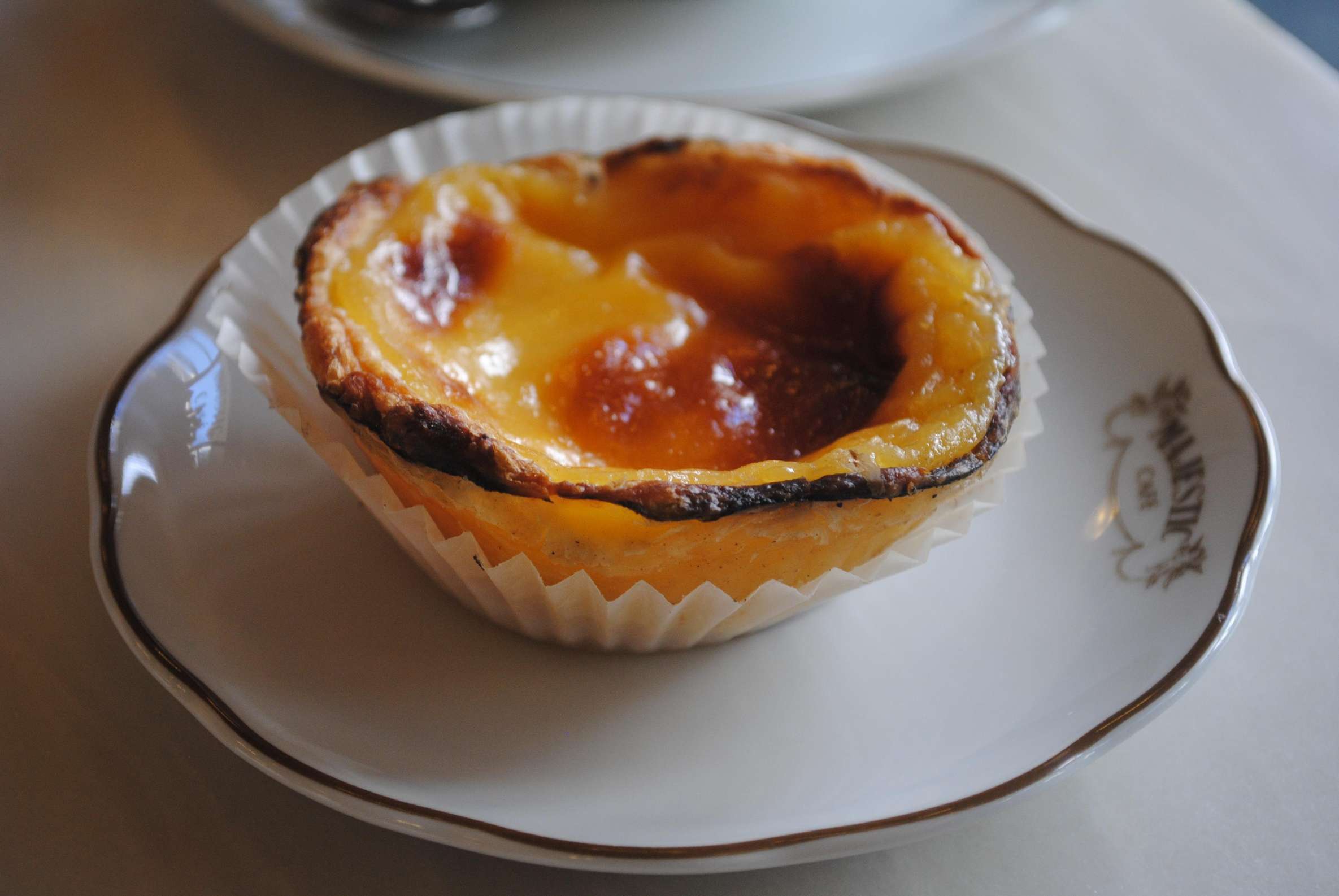
Your first taste comes before most of the walk: a warm pastel de nata from a neighborhood bakery, flaky pastry around a soft egg-custard center, with coffee alongside.
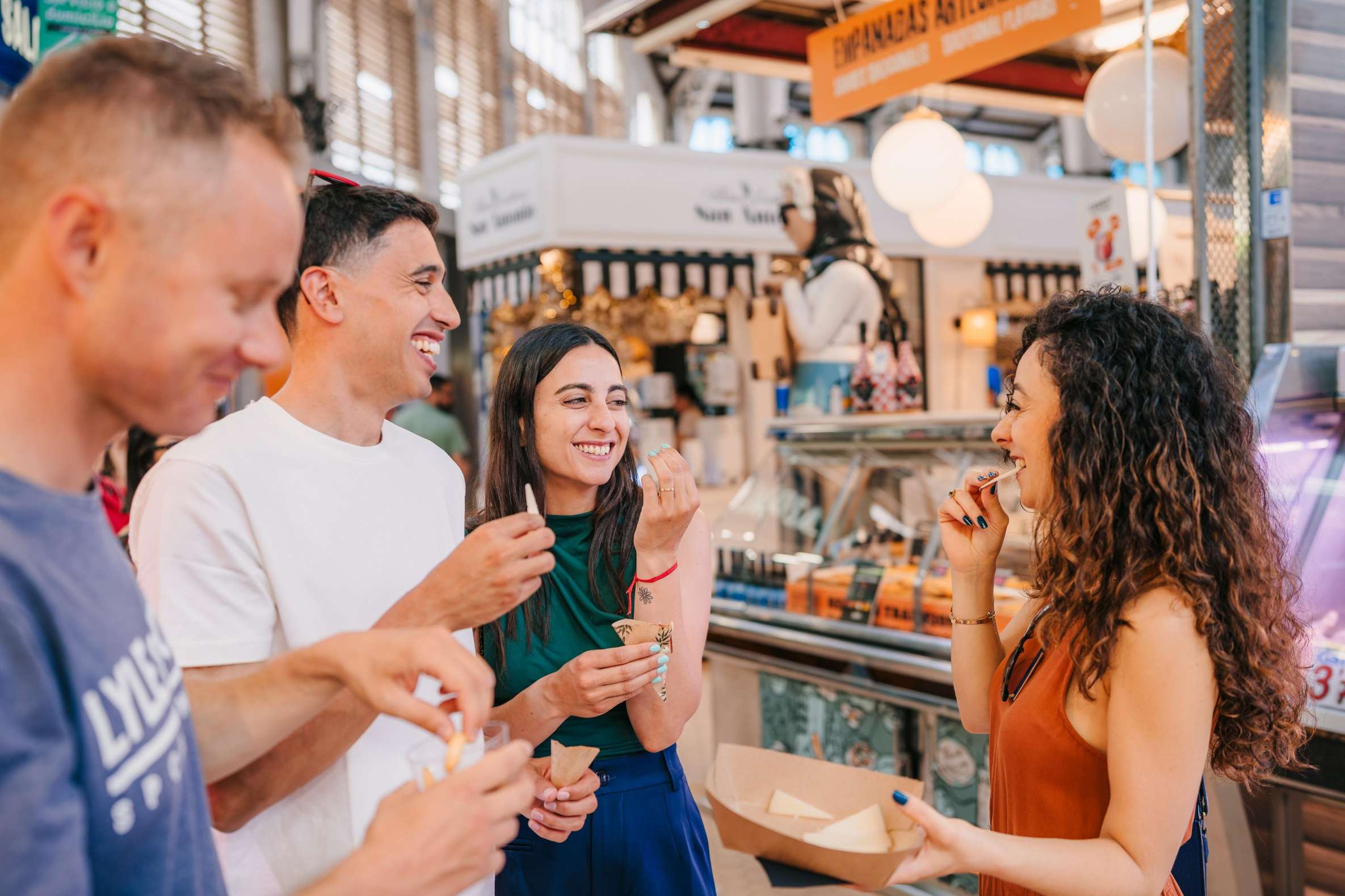
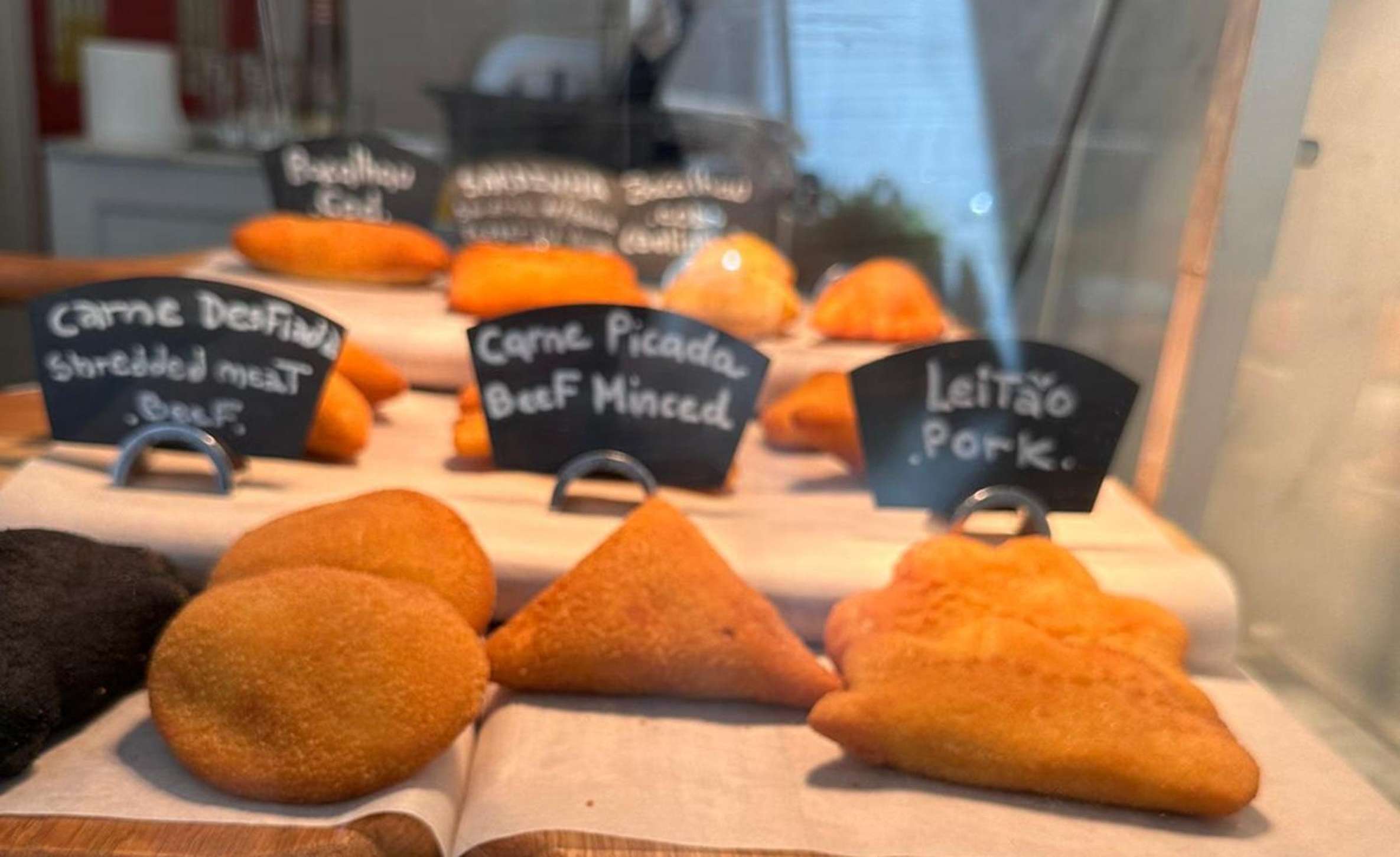
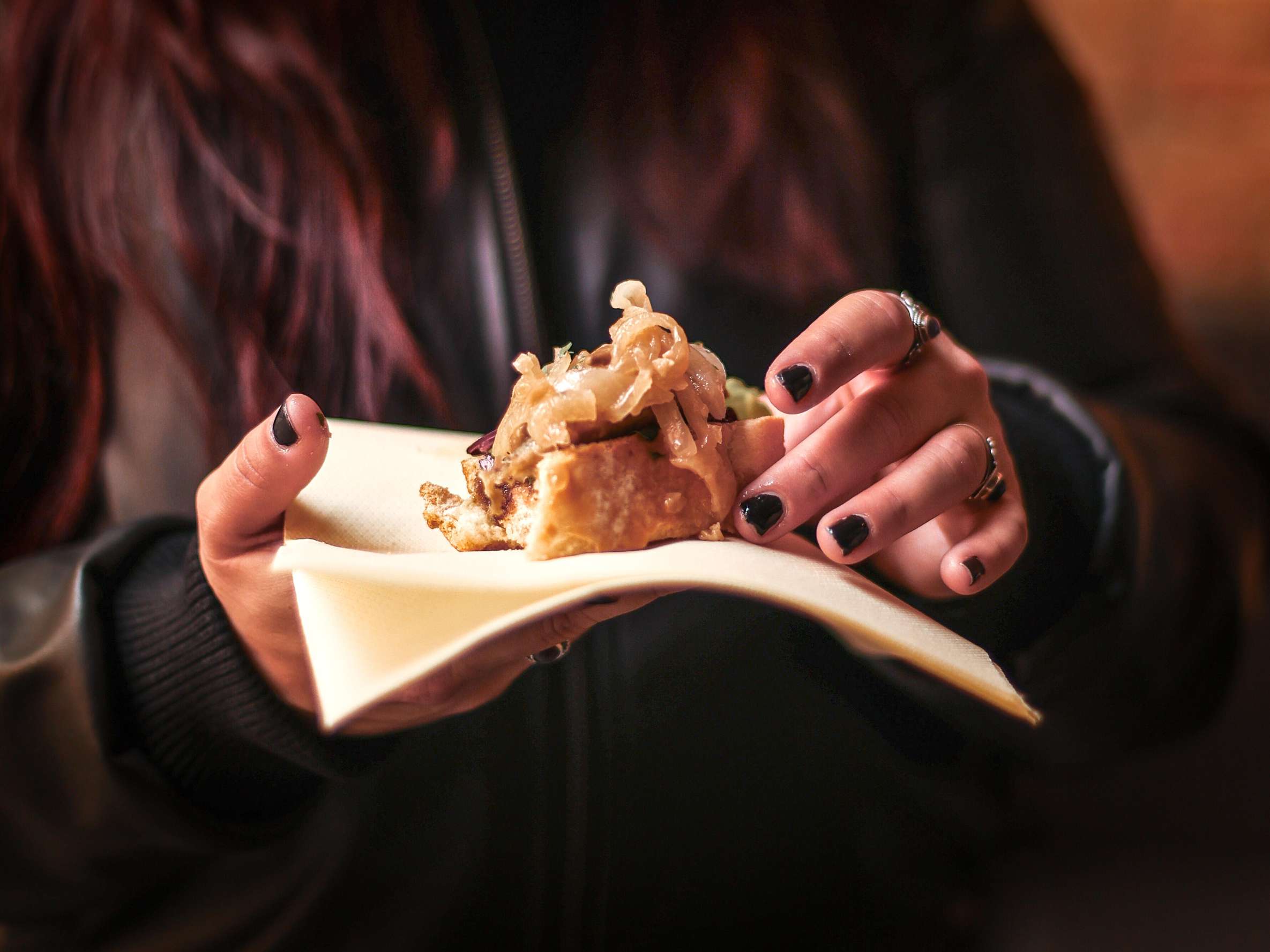
From there the route builds toward a full meal, four stops or more of petiscos, bifana, cheese and wine, the kind of eating that replaces lunch or dinner rather than nibbling at it.
Drink is treated as part of the food, not an afterthought. Tastings run with local wine, Port and beer poured at the stops where they fit, and your guide explains the pairing as you go.
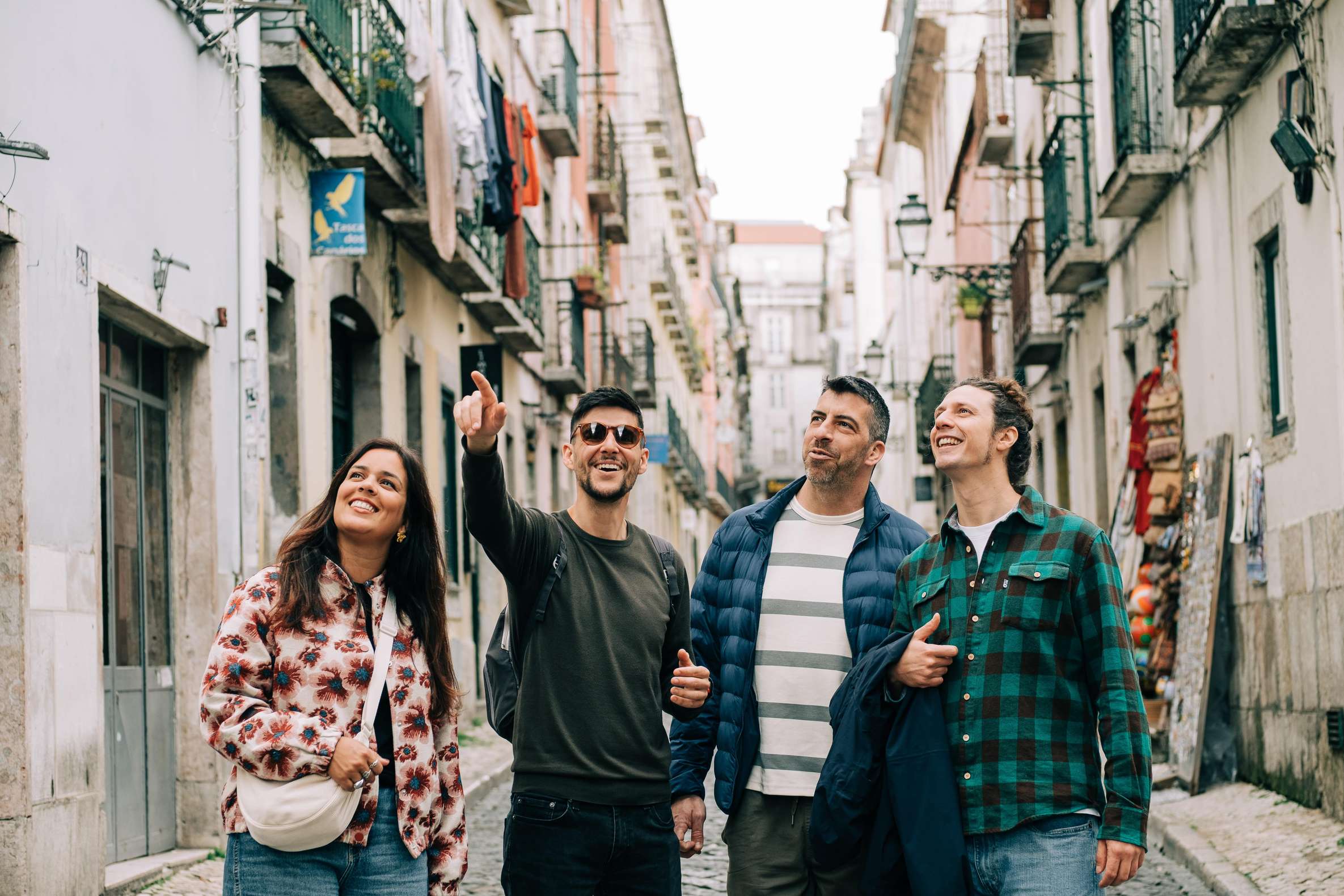
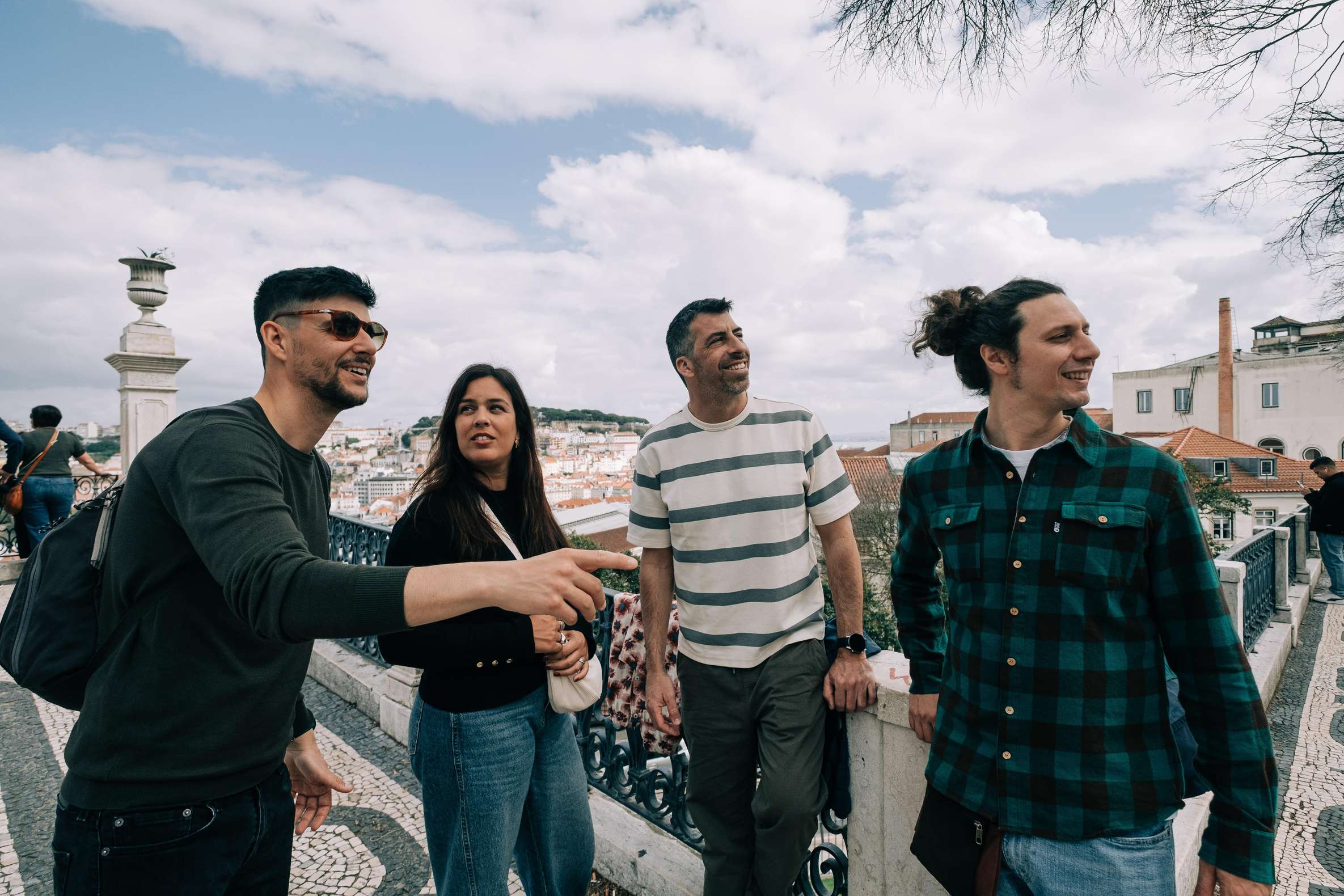
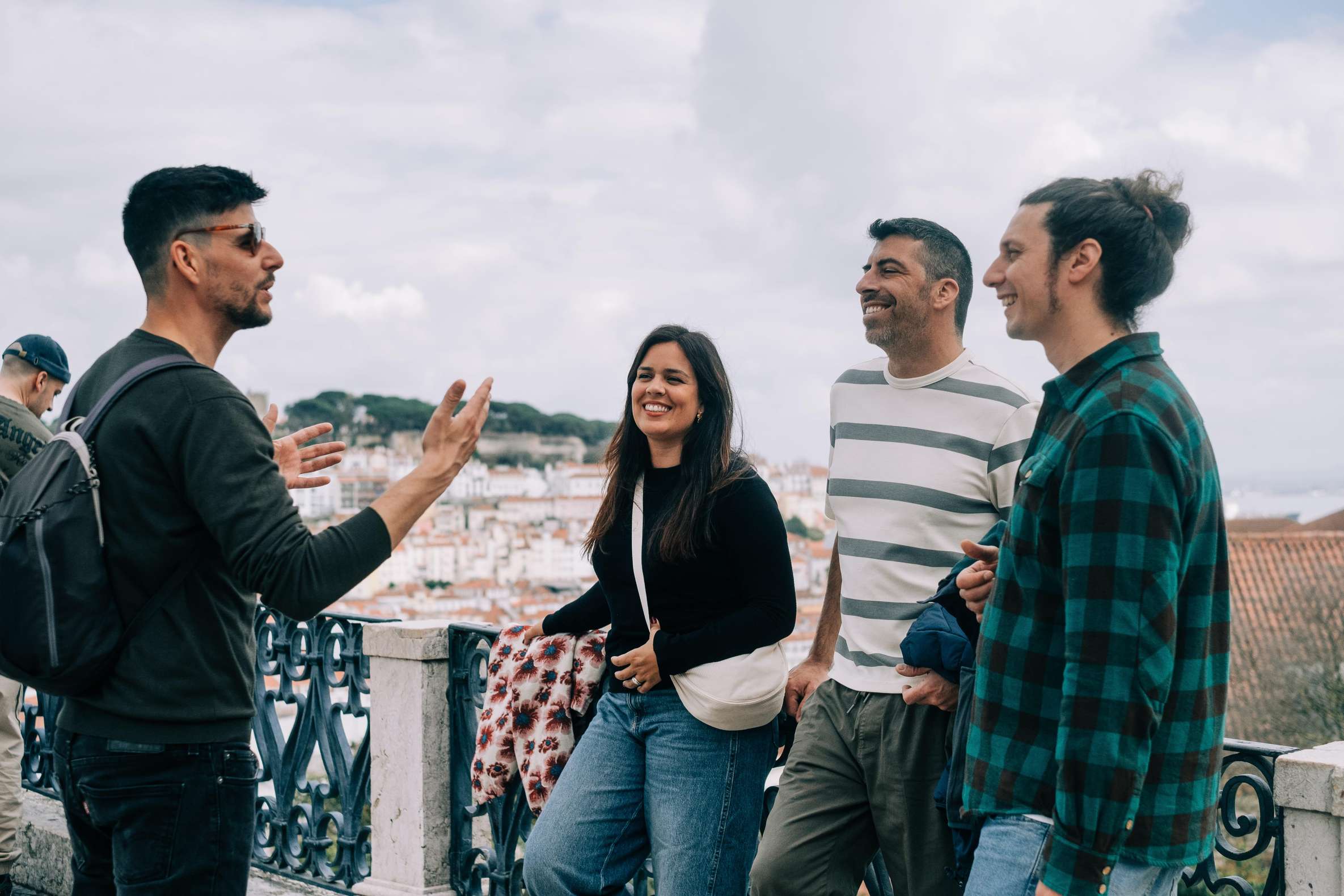
Groups stay small, so the pace stays relaxed and there is time to ask questions. Wear comfortable shoes for the uphill and downhill stretches between stops, and arrive hungry.
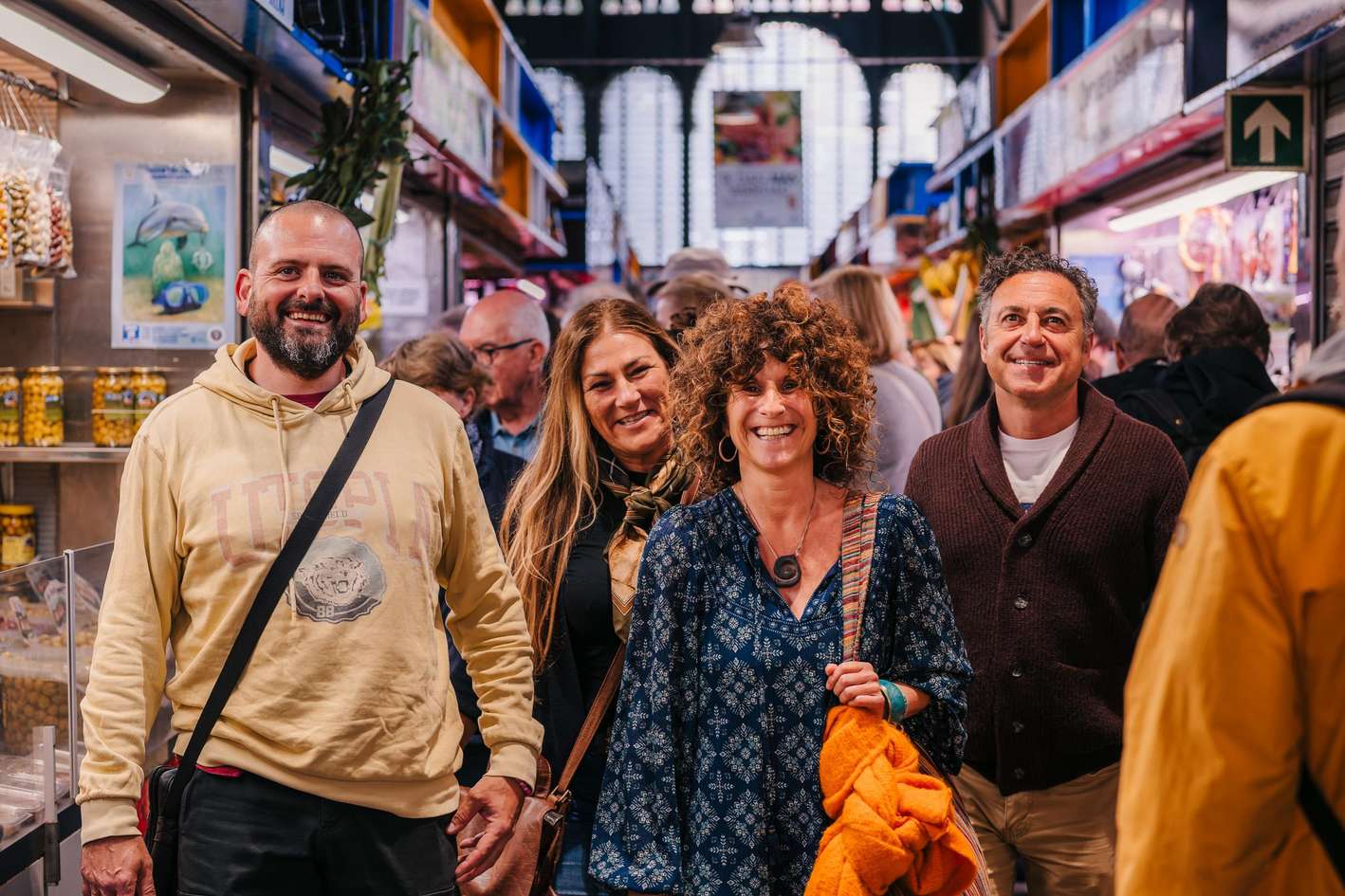
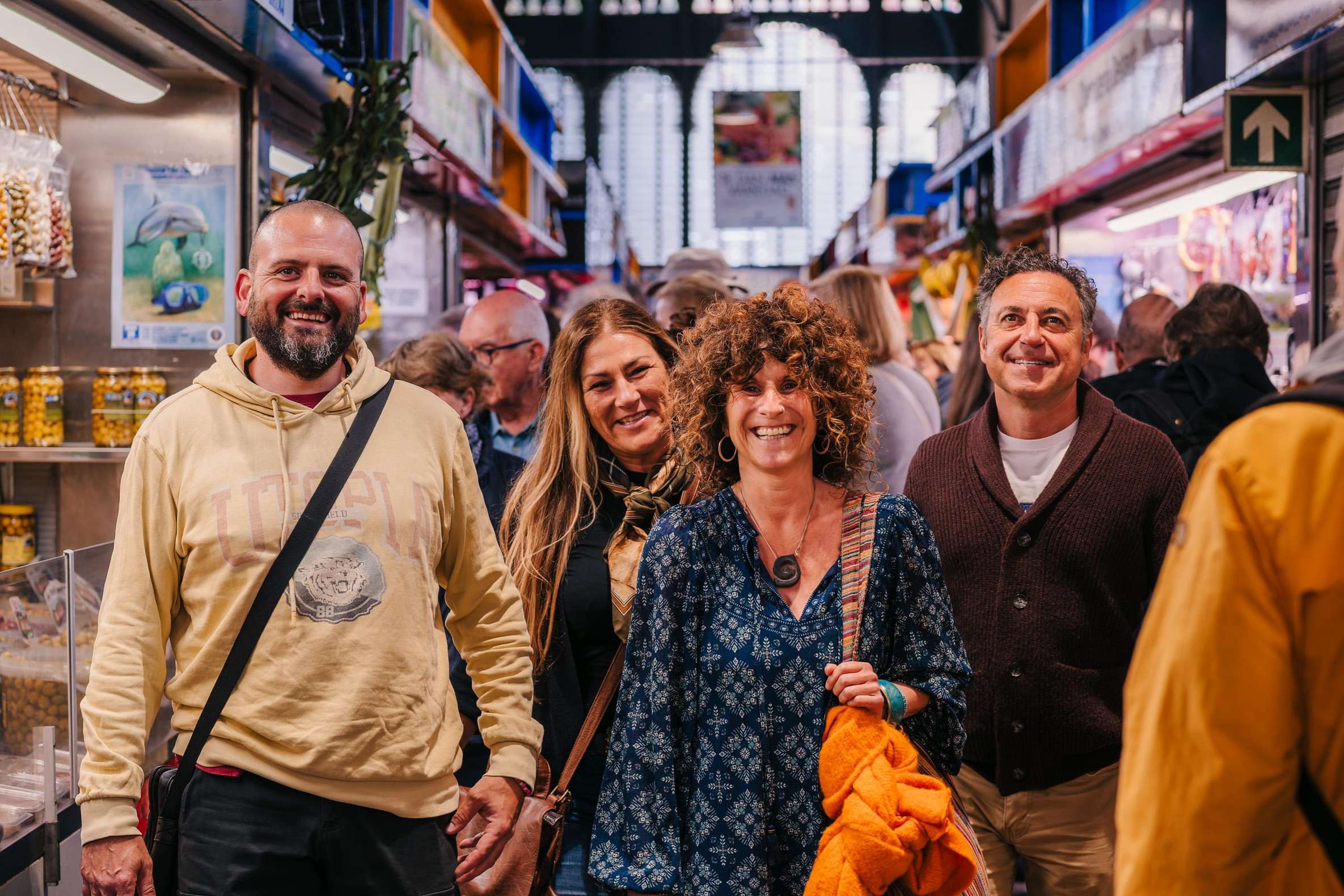
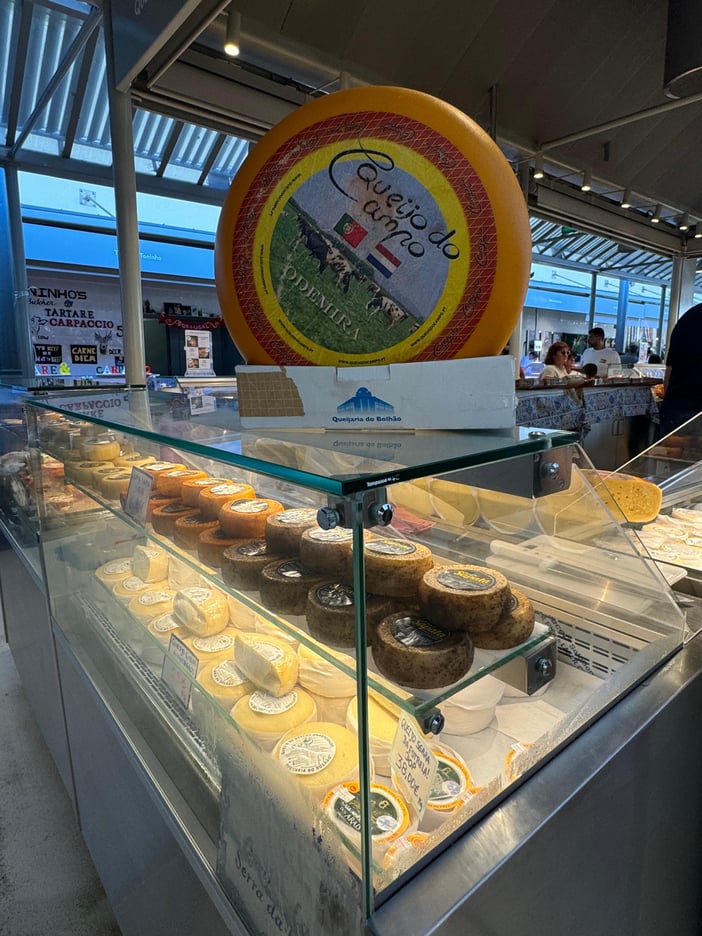
Meeting pointChapel of SoulsMeet in front of the chapel on Rua de Santa Catarina, its exterior covered in blue-and-white azulejo tiles. Your guide checks everyone in and briefs the group here.Street ViewStop 2Local bakery· 30 minThe opening tasting: a fresh pastel de nata with coffee at the counter, the way locals eat it. A sweet start before the savory stops begin.From this tourStop 3Mercado do Bolhão· 60 minAn hour in the market under the market halls, tasting local cheese with wine. Vendors sell from stalls here on most days, though the market closes on Sundays and public holidays.Stop 4Local restaurant· 30 minA sit-down lunch stop for street food and regional dishes, paired with beer. This is where the petiscos tradition shows: small plates, shared slowly over drinks.From this tourStop 5Hidden gem· 60 minA tucked-away family spot for the main meal, an hour of regional cooking. Dishes here are the ones working locals order, not the waterfront menu.From this tourStop 6Local bar· 30 minA last stop for spirits and wine. Expect Port here, the fortified wine from the Douro, typically 19 to 22 percent alcohol, served in the style the bar knows best.From this tourDrop-offPraça de Almeida GarrettThe walk ends by São Bento station, where the entrance hall holds over 20,000 azulejo tiles. From here, metro Line D or a short walk takes you onward.Street View
Included
English-speaking local guideEnjoy the following possible tastings across 4+ stops: local cheeses and wine, bifana, petiscos and pastel de nataTaste local Port wineWater and alcoholic local beverages (usually wine, Porto and/or beer)
Not included
Any additional food or drinksHotel pickup and drop-off
Food and drink tours in Porto compared
full-meal tour ends full, arrive hungry
Green marks the lowest price. Prices per person.
Tour
Price
Duration
Best for
Our pick
Eat Porto Like a Local: The Ultimate Full-Meal Food Tour
4.9★ (184)
from $80per person
3.5 hours
hungry walkers who want a full meal with drinks in one relaxed outing
Choose a midday slot if you can. Working locals gather at neighborhood tascas over the daily specials, and several authentic spots never open for dinner at all.
Pro tipBook early in your stay, so your guide's restaurant tips still have room in your week
RecommendedTascas often close by mid-afternoon, so a lunch tour beats an evening one for atmosphere
2. Choose your tour and its option
Compare what each format includes. A full-meal walk covers four or more stops with local wine, Port and beer included, while a private walk runs ten tastings with a vegetarian menu if you ask at the start.
Common mistakeFirst-timers book a pastry workshop thinking it is a walking feast; a class lasts about 1.5 hours at one table
Pro tipTell the guide about allergies when the tour starts, not the day before, so the stops still work for you
3. Book and pay through the site
Enter your date, group size and payment details, then wait for the confirmation. Your voucher and the operator's messages arrive by email, so use an address you check while traveling.
ImportantCancellation is free up to 24 hours before the start, so you can change plans without losing the booking
4. Check the meeting point the day before
Read the voucher for the exact spot. Guided food walks meet at central landmarks such as the Capela das Almas on Santa Catarina, the entrance of Jeronymo Trindade or the main entrance of Mercado do Bolhão.
Pro tipAliados station on the yellow metro line puts you within a short walk of most of these meeting points
Common mistakeSome first-timers assume hotel pickup is included; none of these walking tours collects you
5. Show up ready to walk and eat
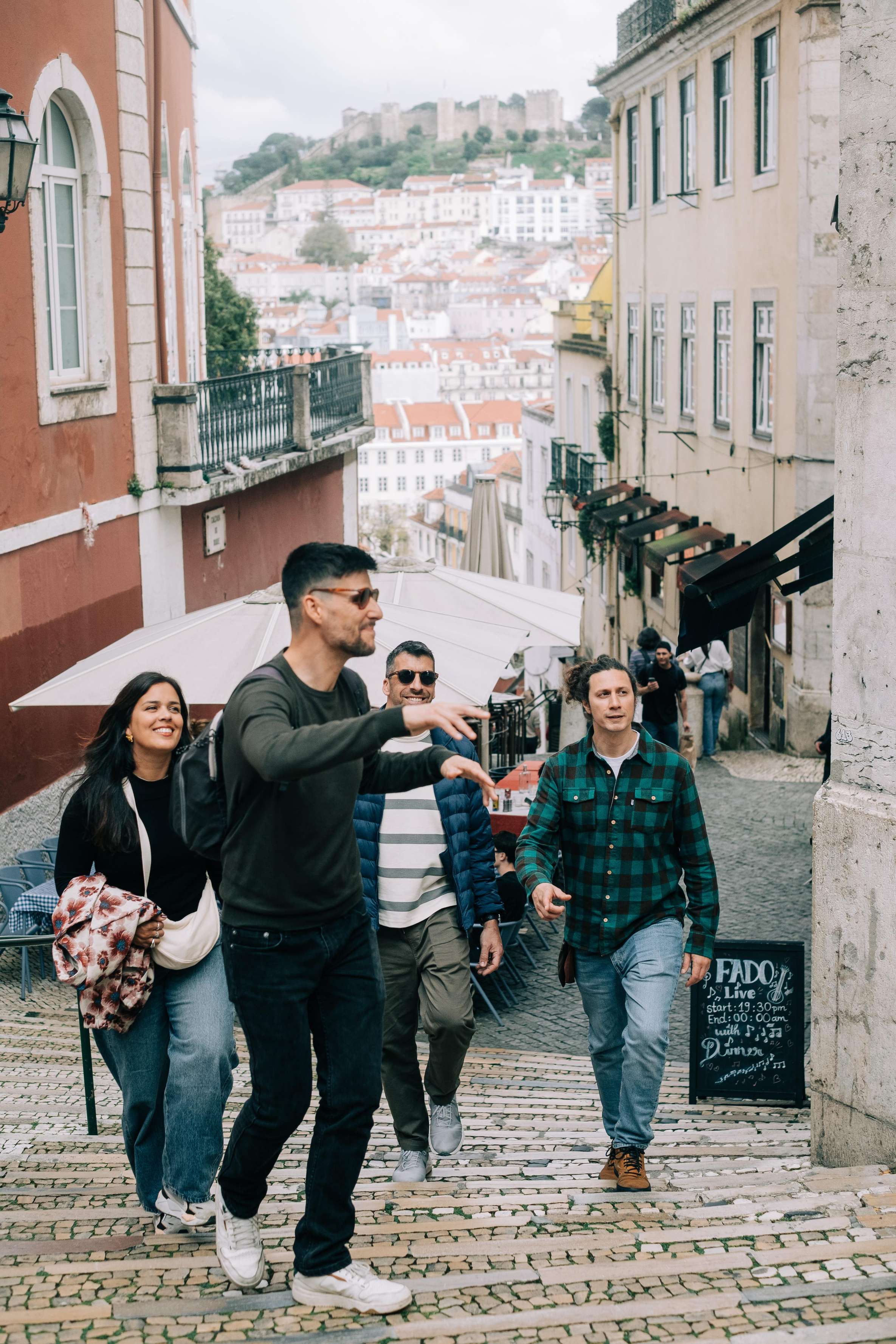
Arrive a few minutes early with a roomy stomach and broken-in shoes with rubber tread. Routes cover two to three kilometers on granite cobblestones, and some stretches run ten to fifteen minutes uphill.
RecommendedPack a hooded waterproof jacket instead of an umbrella, since winds off the Douro flip umbrellas in the narrow alleys
Common mistakeSmooth soles and sandals slip on wet stone, a mistake locals never make
What to know before you book a Porto food and drink tour
tourist strip to skip: Rua Galeria de Paris after dark
Can stop the dayGood to knowGood news
01
ChoosingWhat it is, who it suits, when to go
5
Food and drink
The full-meal food tour stops at four or more places and serves enough to replace a lunch or dinner, with local wine, Port or beer included in set amounts. The private walk counts ten tastings and adapts to vegetarians if you tell the guide at the start. Arrive hungry; travelers say the stops leave you completely full.
Port wine
Port usually appears as one glass at a stop, paired with cheese or chocolate rather than poured freely. Expect Ruby or Tawny with cured meats and Serra da Estrela cheese, or a chilled white Port tonic as an aperitif. The tour pours it slowly across the stops, so pace yourself.
Tascas and days
Traditional tascas do not share one closing day: some shut on Sundays, others on Mondays. Bolhão market stalls close on Sundays and public holidays, so a market-based route may change then. Weekday lunch tours catch the liveliest rooms, when locals queue for the daily specials.
Health limitsCan stop the day
These food and drink tours are not suitable for wheelchair users or people with mobility impairments, because the route climbs steep cobbled streets and staircases. Tell the operator about allergies or dietary restrictions when you book. Vegetarian alternatives exist on the private walk if you ask at the start.
Pacing
Petiscos work best in rounds, the way locals eat them: order, share, and let the tasting unfold rather than clearing each plate at once. Half portions or shared plates stop you from filling up before the Port and cheese arrive. The four-hour walks include heartier plates such as Francesinha for exactly that reason.
02
BookingHow far ahead, and what happens if plans change
1
Cancellation
A Porto food and drink tour can be cancelled up to 24 hours in advance for a full refund. That window covers flight delays and rainy-day changes of plan. Book early in your trip; it doubles as an orientation with tips for the rest of your stay.
03
Before you goPapers, health, what to bring
2
Walking and shoes
These food and drink tours cover roughly two to three kilometers through Bolhão, Baixa and Ribeira, with ten to fifteen minutes of steady uphill and downhill on granite cobbles. Wear broken-in sneakers or boots with rubber tread; thin sandals and heels slip on wet stone. In rain, a hooded jacket beats an umbrella because gusts off the Douro often invert them.
Rain
The walks run rain or shine, so a wet forecast does not cancel your booking. Tasting stops sit indoors at tascas, restaurants and markets, which keeps the food and drink coming in any weather. Winter cobbles get slippery, which is another reason for good shoes.
04
On the dayWhere to be, when, and how you get there
2
Meeting point
None of these tours picks you up at your hotel. The walks meet at central spots such as Aliados Avenue, Bolhão Market or the Capela das Almas, all a short walk from São Bento station. Arrive ten minutes early so you can find your guide before the group moves off.
Late arrivalCan stop the day
Once a walking tour leaves its meeting point, latecomers cannot join and lose their booking money. Central Porto parking is tight, so come by metro or on foot. If you might run late, cancel inside the 24-hour window instead of chasing the group.
05
During the tourWhat is expected of you
2
Non-drinkers
You do not have to drink alcohol to enjoy a food and drink tour in Porto. Guides can pour tea, fresh juice, fruit nectars or Portuguese sodas instead of wine or Port. Children may join the walks, and the drinks rule for anyone under 18 is simply no alcohol.
Tipping
No tip is expected on a food and drink tour or at a Porto tasca. Rounding up the bill or leaving small change is enough if your guide did well. Wine bars follow the same easy custom.
Food and drink tours in Porto - a guide
port loves cheese with honey
A good Porto food and drink tour ends with you full, glass in hand, having eaten in tascas you would never have found alone. The formats, the pairings and the logistics below settle the booking for you in minutes.
Porto· 41.15° N, 8.61° W
If you only remember three things
1
Book for weekday lunch if you want real tasca atmosphere; dinner rarely starts before 8 pm and several neighborhood spots do not open then.
2
Wear rubber-soled closed-toe shoes; 10 to 15 minutes of continuous walking up and down wet granite is standard.
3
Cancel up to 24 hours ahead for a full refund, but arrive on time, because a walking tour will not wait for you.
Is a food and drink tour in Porto worth your evening?
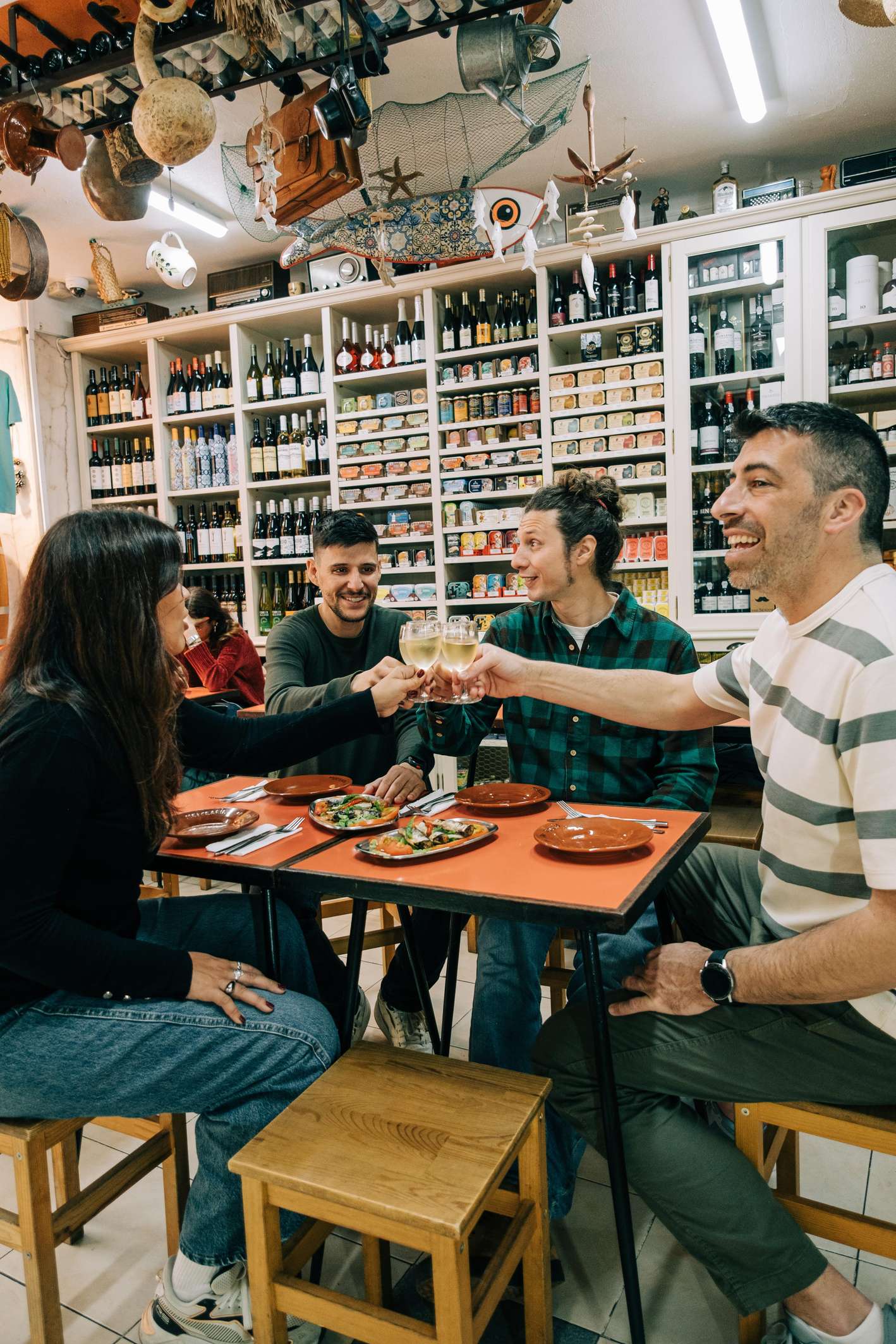
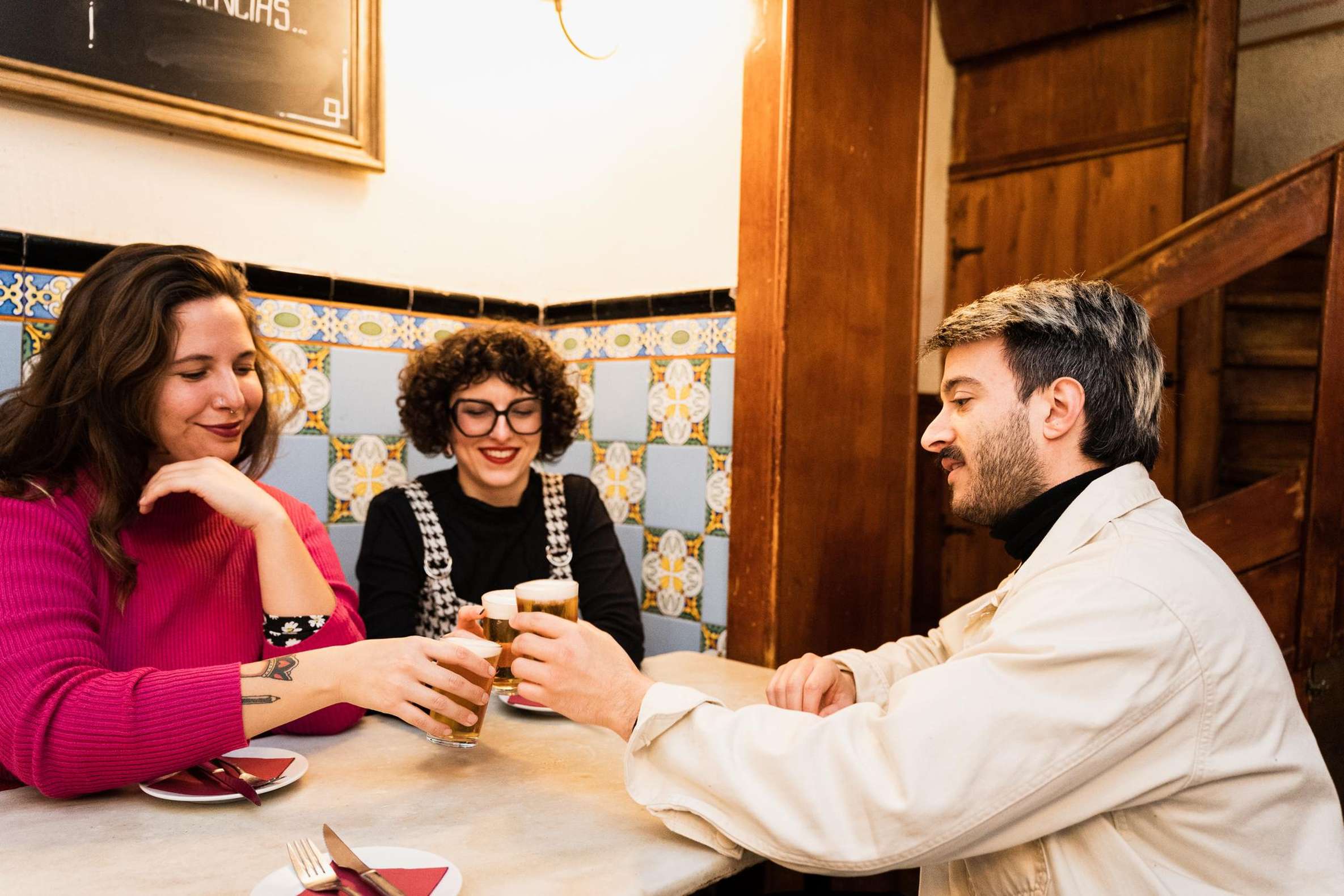
The last stop of a full-meal walk, and the room is small enough that everyone talks across tables. Tarts come out, someone pours Port, and a visitor who arrived knowing only the word francesinha leaves with a list of bars for the rest of the week.
That is the case for the guided version. A tour bundles food at several stops with drinks and a resident guide's context. Eating the same stops independently is possible and can cost less, but it needs research, and you lose the stories: why the cod fritters go with Vinho Verde, which grandmother runs which kitchen.
Porto itself is easy on the wallet, especially away from tourist spots, so the value question is real. The honest answer: a full-meal tour earns its keep if you would otherwise order several snacks and drinks across an evening and still miss half the city.
Book it in your first 24 hours. Guides hand over restaurant recommendations that orient the whole trip, and visitors who do this say it pays off for days.
What first-timers don't know
Resident guides open doors to family-run tascas you would walk straight past
chalkboard specials, eight to twenty covers, cash preferred
Booking in your first 24 hours does double duty
you eat well and collect a local's list of bars and sights for the rest of the stay
The full-meal option is Eat Porto Like a Local: The Ultimate Full-Meal Food Tour, 3.5 hours with tastings across 4+ stops and drinks included.
Tour for this
Eat Porto Like a Local: The Ultimate Full-Meal Food Tour4.9★ (184) · 3.5 hours · Free cancellation
Two formats cover most appetites. One is a small-group walk that replaces lunch or dinner; the other is a private route built around ten tastings at your own pace. Both are guided, both end full, and the difference is intimacy and structure.
The full-meal walk runs about 3.5 hours across 4+ stops, pastel de nata first, then petiscos, a bifana, local cheeses and wine, with Port and other local drinks included. Groups stay small for a relaxed feel.
Standard group walks in the city host ten to fifteen people, so if a crowd of that size sounds tiring, the private format is where you end up. Vegetarians get a menu adapted on the spot on the private walk; just tell the guide at the start.
The pairing logic is older than any menu. Petiscos began as cheap, filling working-class food, eaten slowly over drinks in a tasca, and the north still matches glass to plate with conviction.
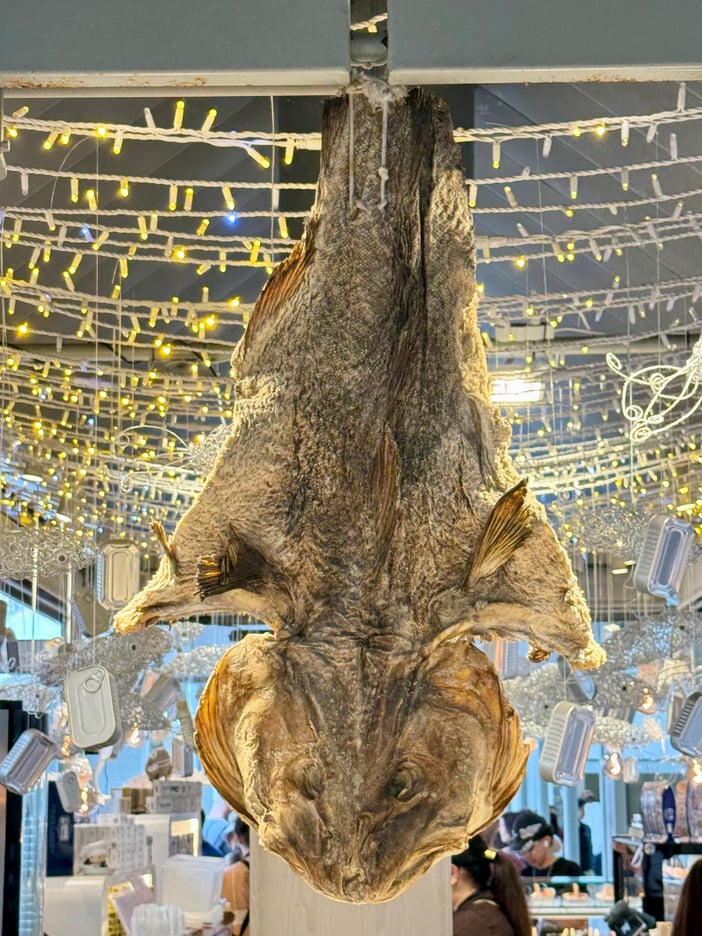
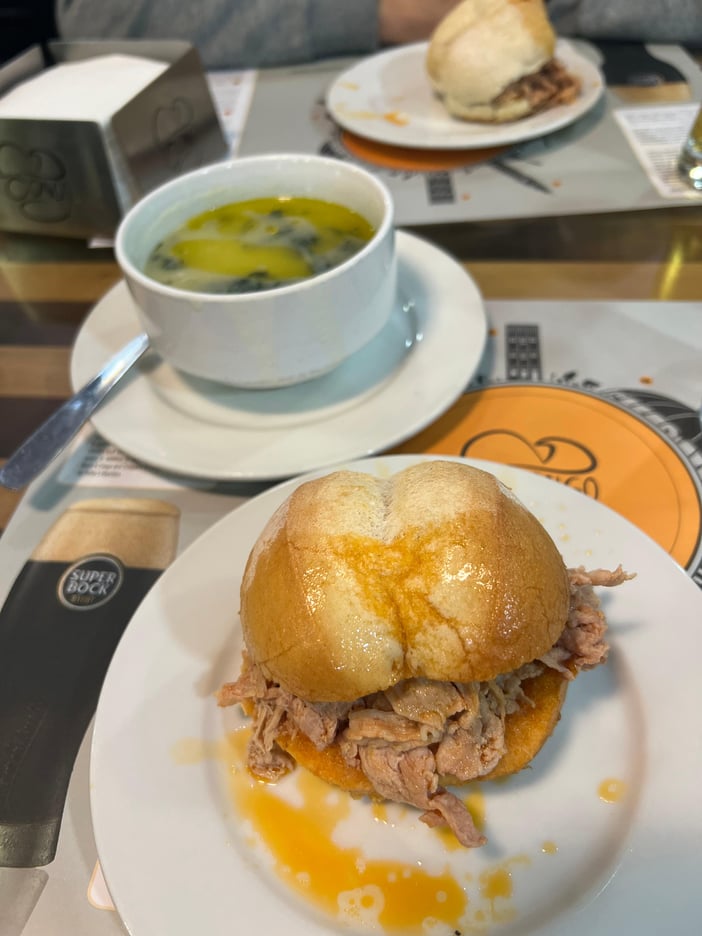
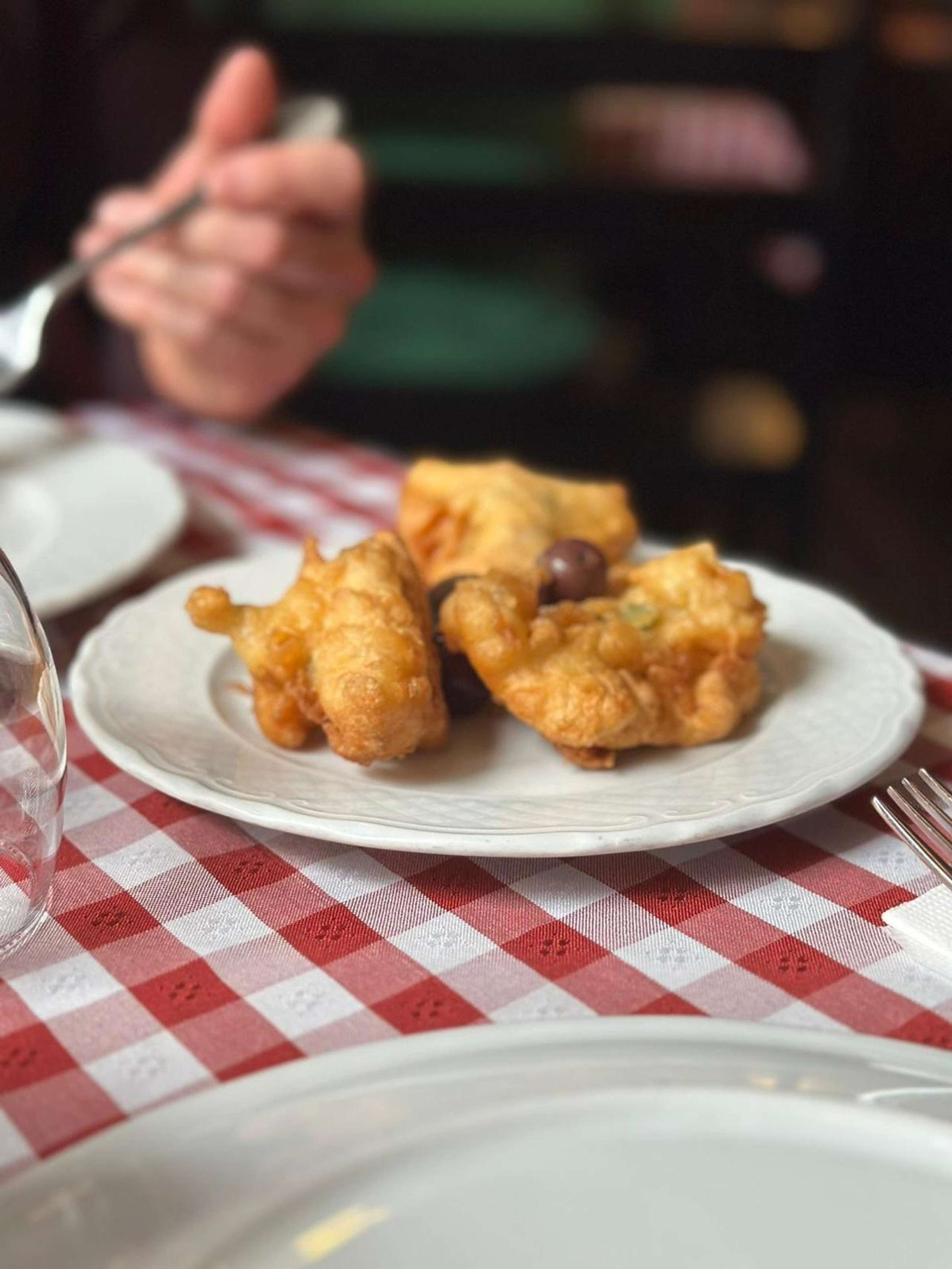
Cod fritters and steamed clams go with chilled Vinho Verde. Pica-pau, marinated pork bites, comes with draft Super Bock. A board of cured presunto and regional cheese wants Ruby Port, while Serra da Estrela sheep cheese with honey pairs with White or Tawny.
Roasted octopus takes a white Port tonic or Alvarinho. Beer belongs with sandwiches and savory snacks, wine with warm plated dishes, and local tascas follow that rule without thinking.
How the day unfolds
1
Meet-up
Your guide gathers the group at a central spot
Aliados, Bolhão or the Capela das Almas come up
2
Rounds of petiscos
Four to ten stops, one plate at a time
Each round matched with its glass
3
The last pairing
Port served with the final course
Sweet against salt, and the walk ends
Somewhere along the way the Francesinha appears: a Porto take on the Croque Monsieur built by Daniel David da Silva, its sauce heated with malagueta chili and, in some versions, built on beer and Port.
Port itself is fortified, 19% to 22% alcohol, from the Douro's demarcated region, and it usually shows up as a single well-chosen glass at one stop.
Tour for this
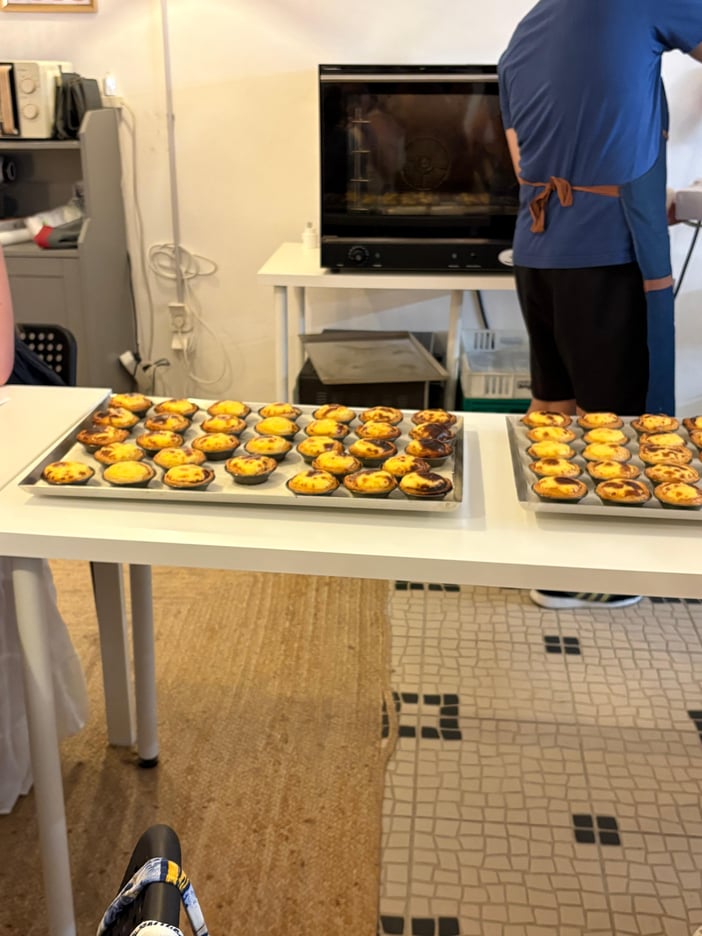
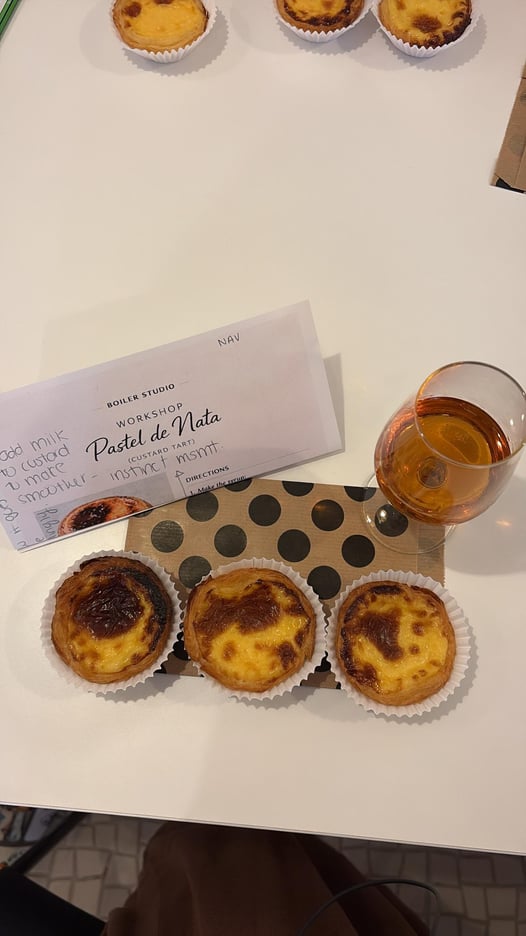
Porto: Pastel de Nata Pastry-Making Workshop with cocktails4.9★ (2,542) · 1.5 hours · Free cancellation
Tascas live at weekday lunchtime. Working locals crowd in for the blackboard specials, the prato do dia, which sell out by mid-afternoon, and several authentic neighborhood spots never open for dinner at all. If tasca atmosphere is what you came for, a lunch tour beats an evening one.
Evenings work differently. Portuguese dinner rarely starts before 8 pm, and the gap between meals belongs to lanche, the late-afternoon tradition that runs from roughly 3:30 pm to 6 pm. That is the window for warm tarts with Port; morning tarts belong to espresso at a counter, and fortified wine before lunch sits heavy.
How busy it gets, month by month
August: 5 out of 5 for how busy it gets.
HighestJul to Oct
In betweenMar to Jun
LowestNov to Feb
Darker: a higher how busy it gets score, out of 5
Tap a month to read it.
August and September are the busiest months, with July close behind, so book those weeks early. The weather helps: summer highs sit in the mid-twenties Celsius with barely any rain, though the afternoon hills can feel warm.
If your tour falls in the 3 pm to 7 pm lull between meal services, use a café or pastelaria for a snack; kitchens across the city close in that stretch. Save room regardless. Arrive hungry, because on a full-meal walk the tastings really do add up to dinner.
Tour for this
Porto: Pastel de Nata Cooking Class with Port Wine4.9★ (1,473) · 1.5 hours · Free cancellation
Some travelers would rather work at a table than climb cobblestones for three hours, and Porto has them covered.
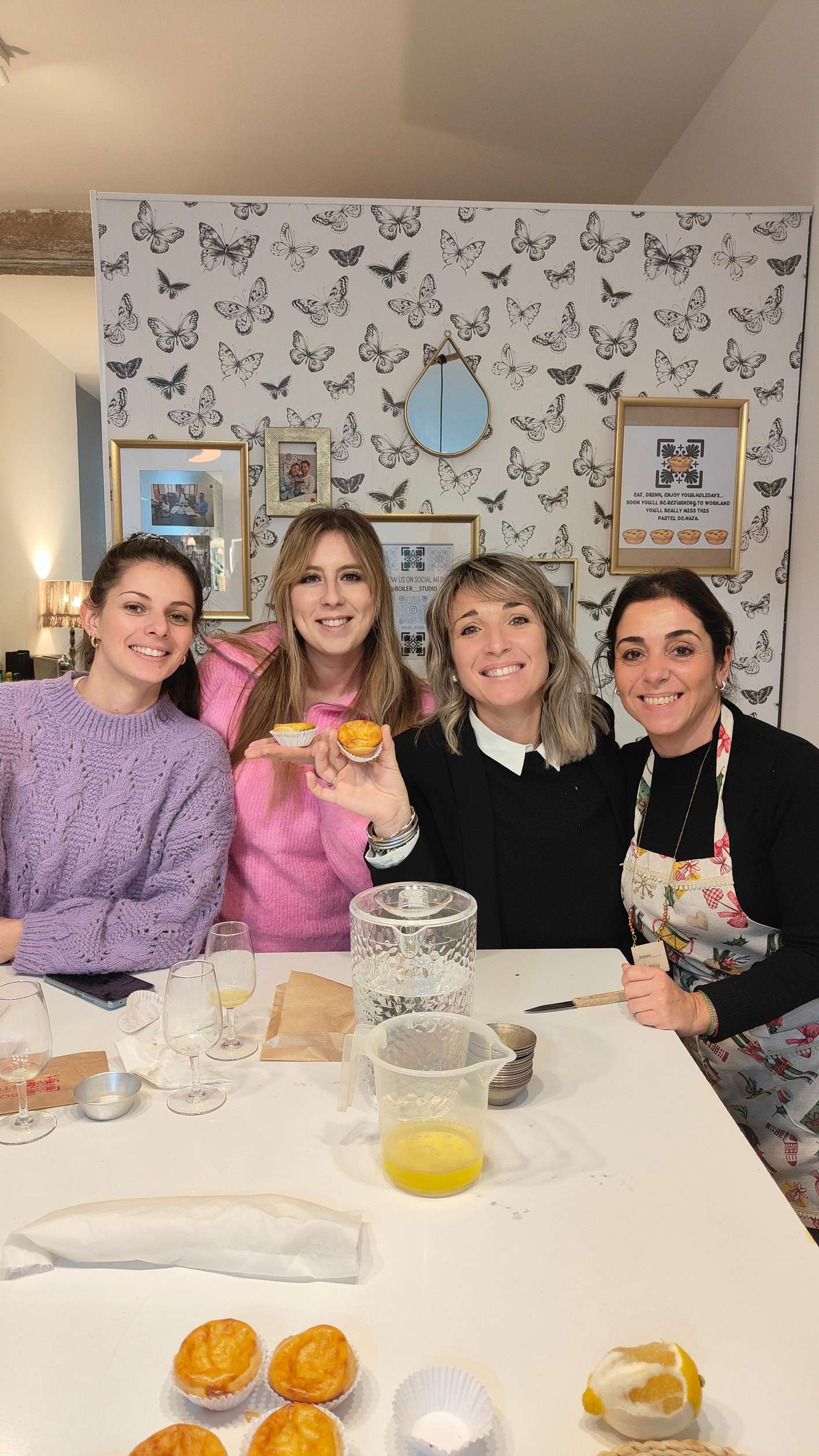
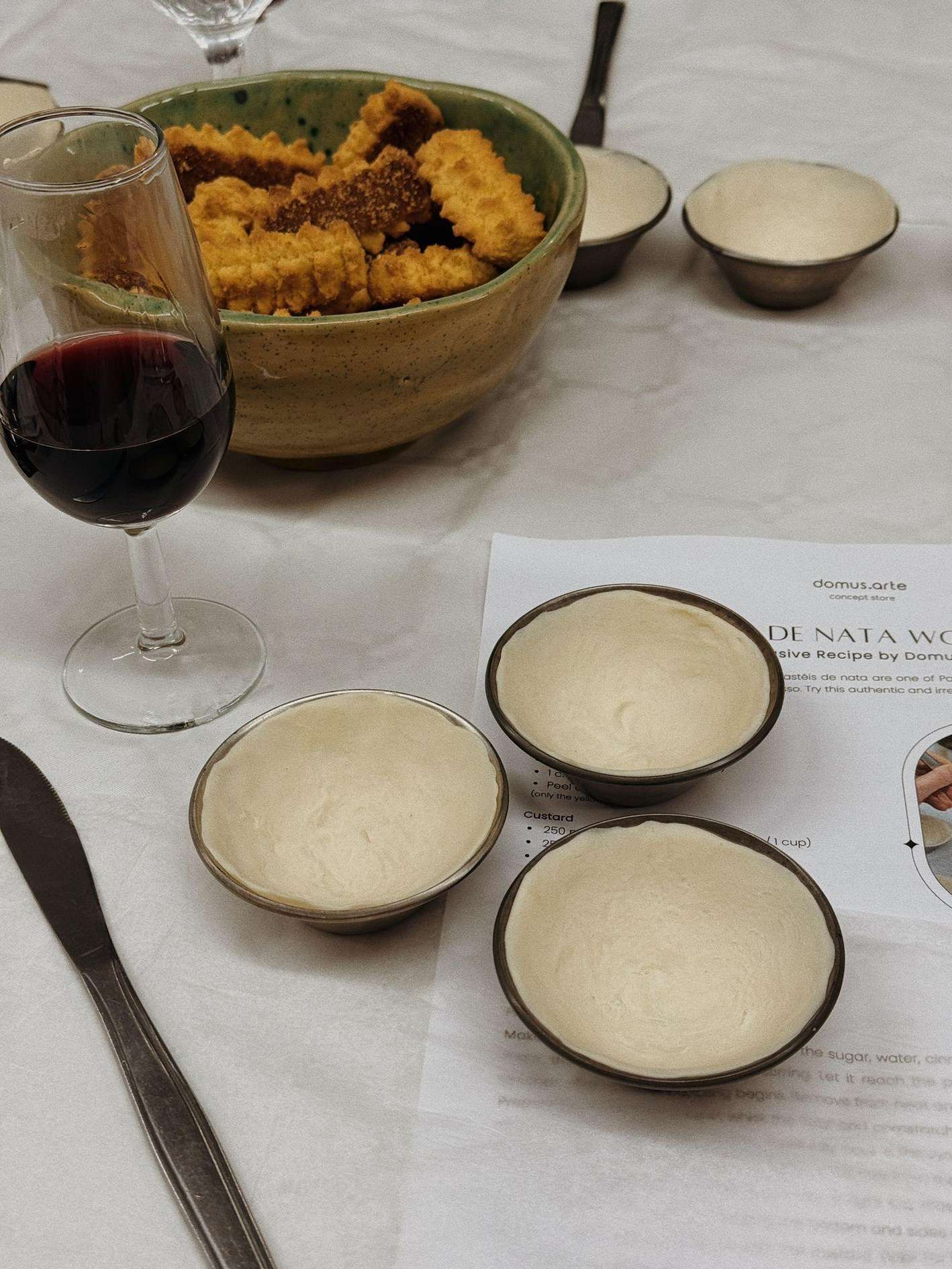
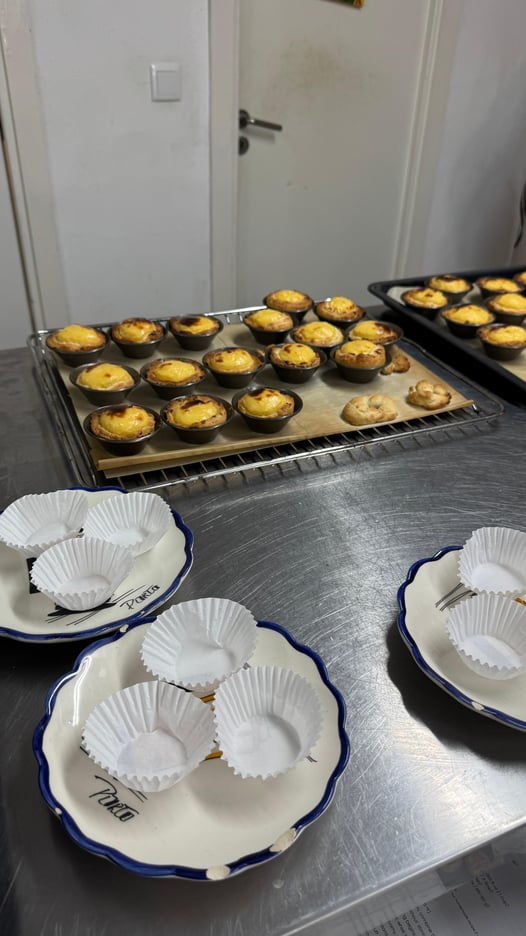
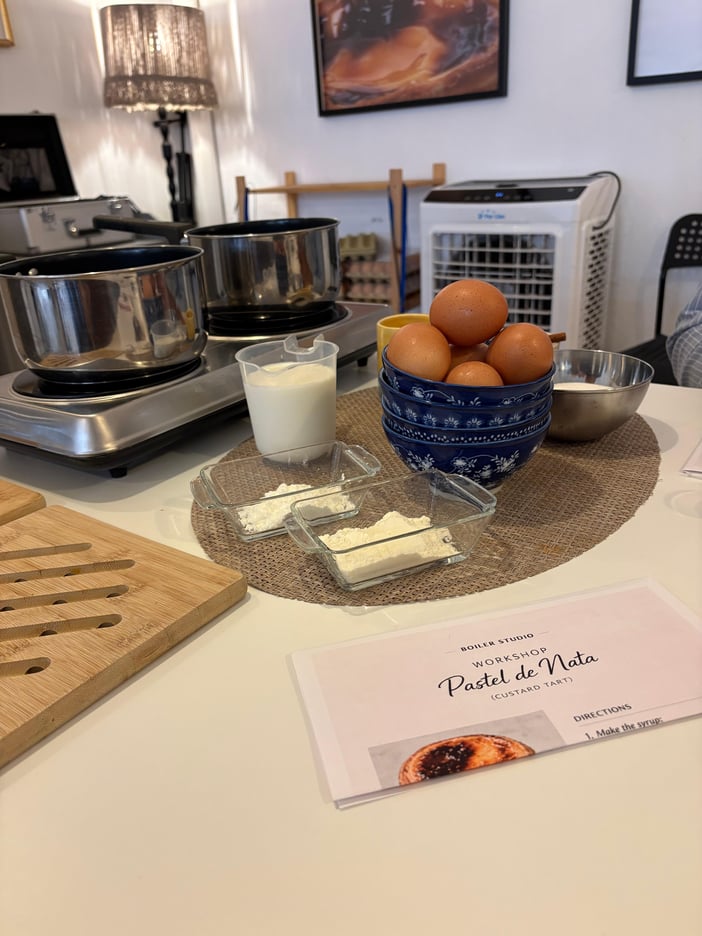
The nearest hands-on match for the drink-paired format is Porto: Pastel de Nata Cooking Class with Port Wine, 1.5 hours in a professional kitchen, with Port wine, juice, water, coffee and snacks included while the tarts bake.
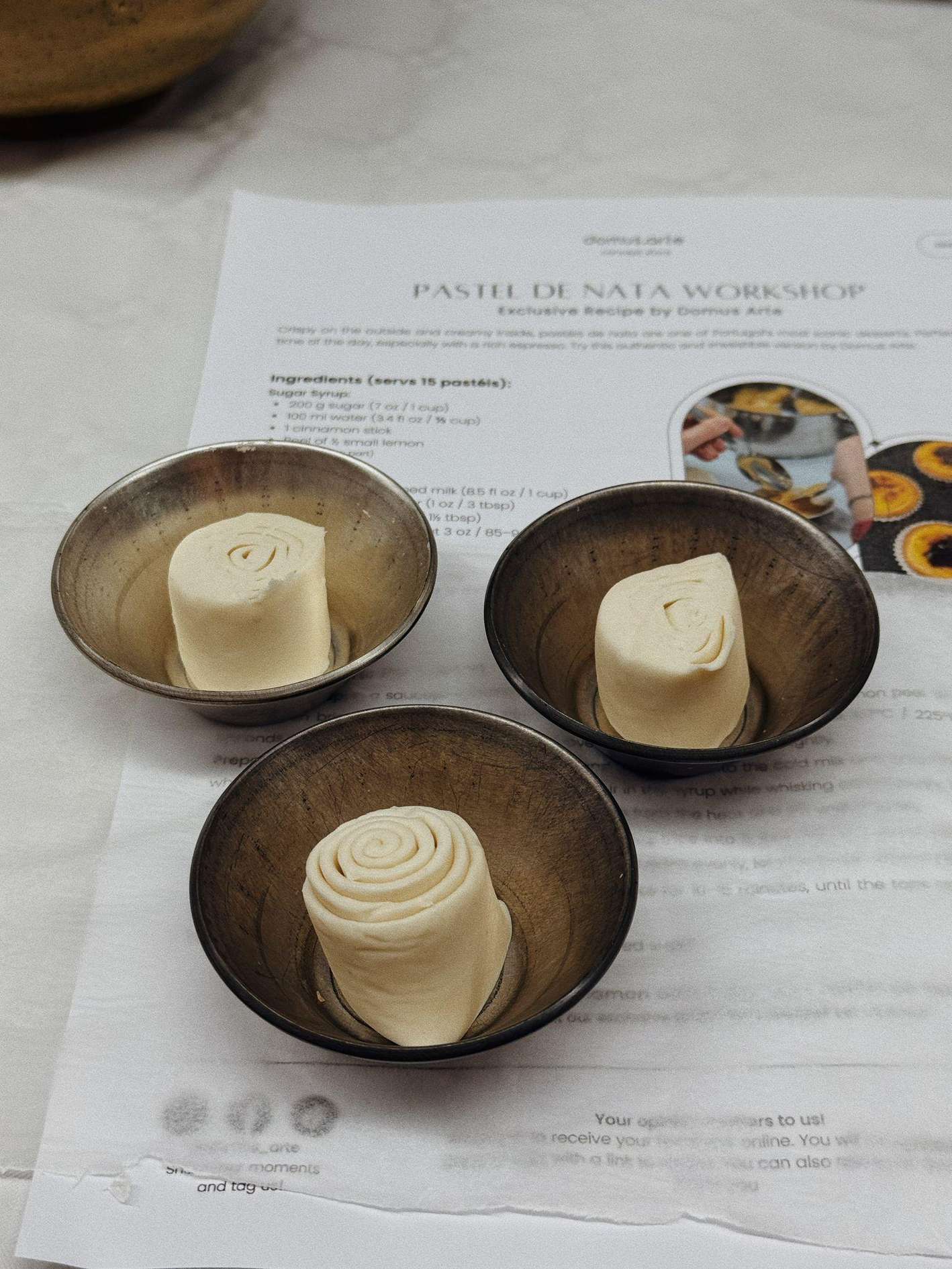
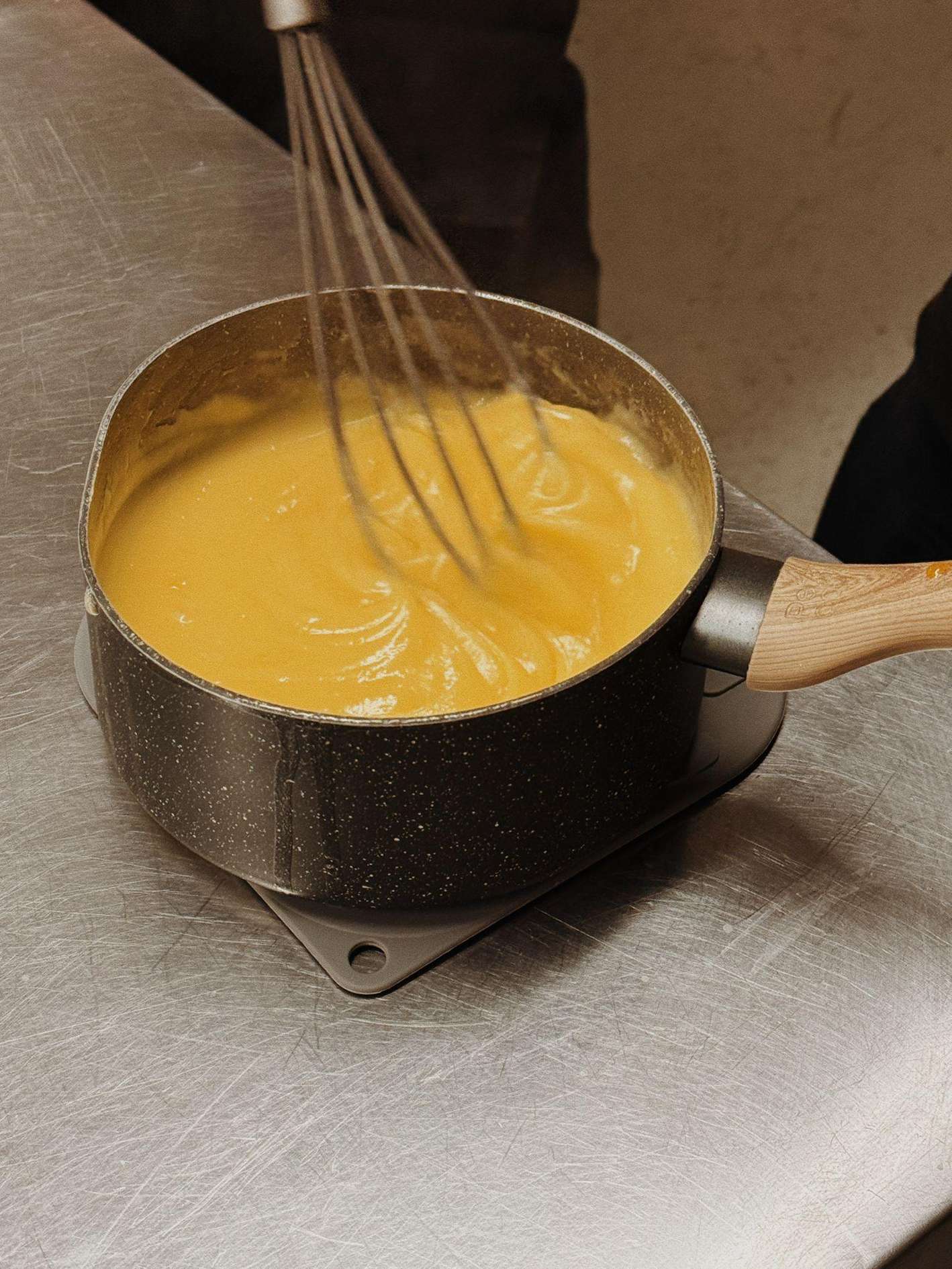
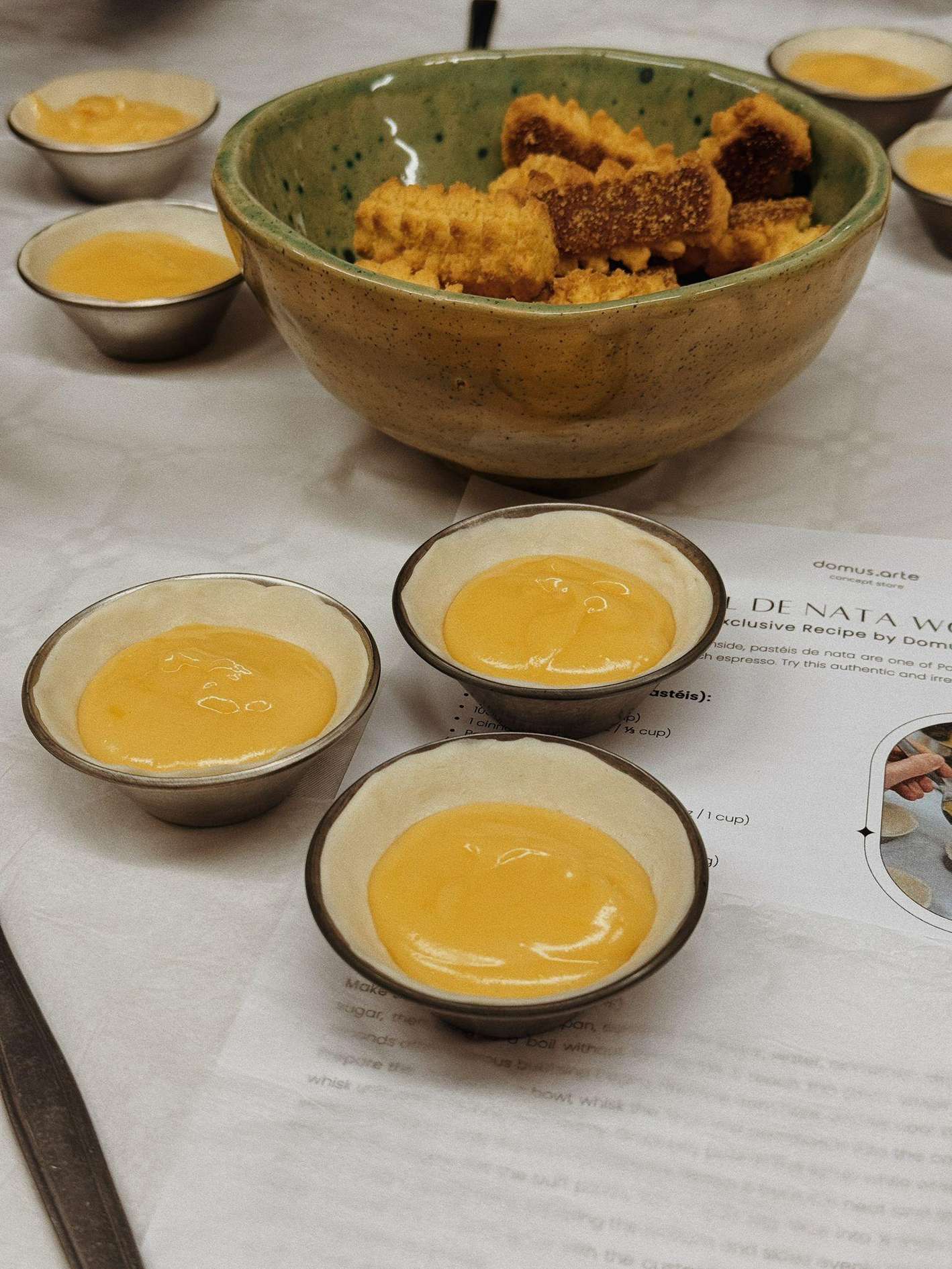
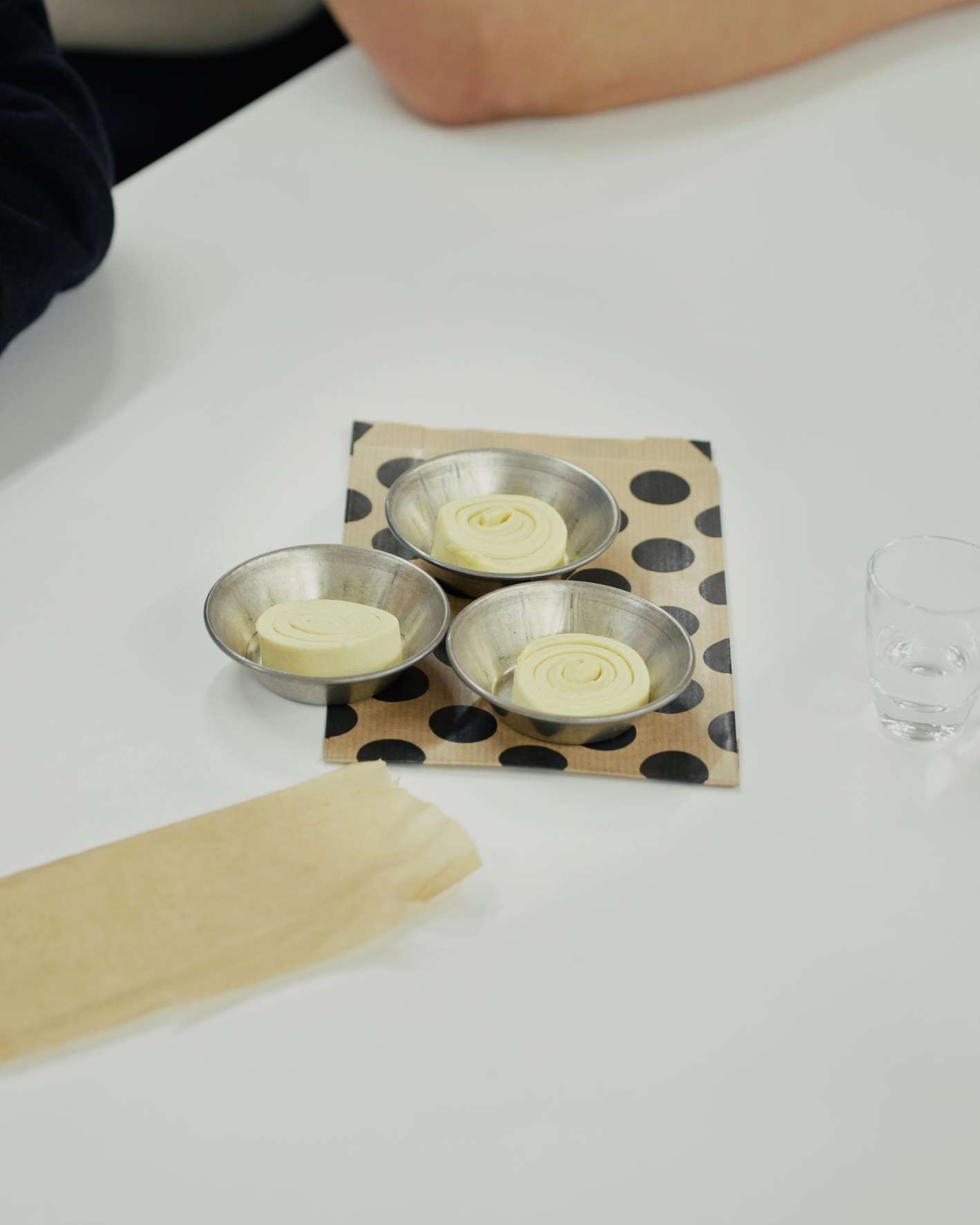
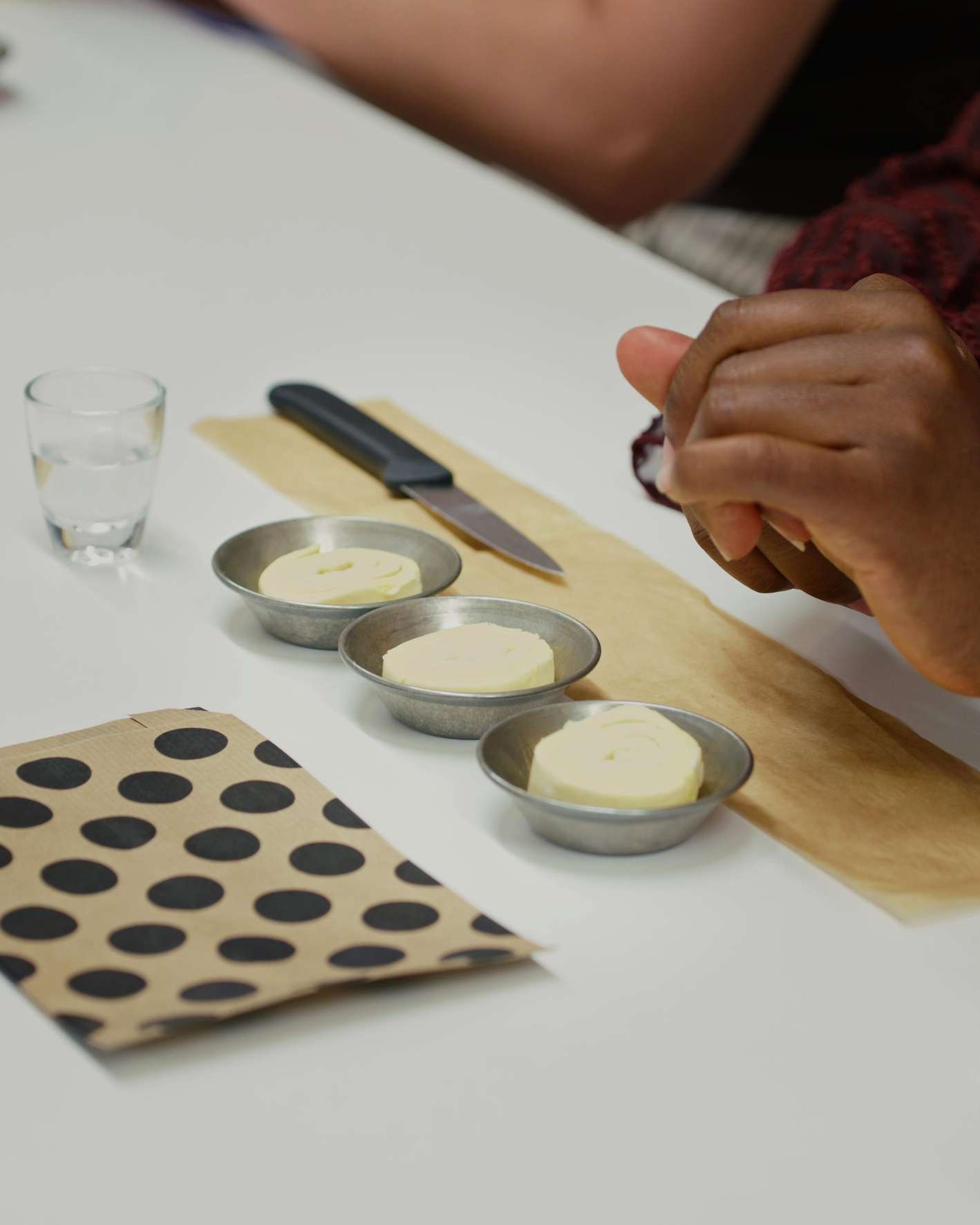
The format differs from a walk in one useful way. You sit with a small group, the instructor takes everyone through custard and pastry step by step, and a short history of the tart sets the scene.
Baking beside other travelers is an easy way to meet people, and solo visitors say it feels social without any pressure.
A traveler's note
Varied food options made it fun to try different things, from restaurants to food stalls. Andre was lovely, shared loads of info, kept checking we were enjoying ourselves and happy to adjust. Great tour.
One thing to know: the puff pastry is pre-prepared, because the real thing needs more than five hours of folding and resting, and most two-hour classes in the city do the same. You still get the house recipe for tarts and pastry, plus a paper box for the ones you take home.
Tour for this
Porto: Pastel de Nata Cooking Class with Port Wine4.9★ (1,473) · 1.5 hours · Free cancellation
Meeting points cluster in the same few squares. Guided food walks start in front of the Capela das Almas, at the entrance of Jeronymo Trindade, on Aliados Avenue by the Prosperity Statue, or at the main entrance of Mercado do Bolhão.
Your confirmation names the exact corner; all of them sit within a short walk of each other.
The metro does the work. Aliados has its own station on Line D, the yellow line, and Bolhão sits on the central trunk served by Lines A, B, C, E and F, with the underground stop directly beneath the market.
Spots near Clérigos are a short walk from São Bento station, also on Line D. Buses hub at Av. Aliados, Bolhão and Cordoaria.
From the airport, Line E runs direct to Trindade or Bolhão in about 25 minutes, and a car takes roughly 27 minutes without traffic. Coming from Campanhã railway station, the metro to Bolhão is about 5 minutes.
From São Bento, your meeting point is likely a 5-minute walk, uphill towards Aliados and Clérigos, which is a warm-up for the tour itself.
Porto's sidewalks are polished granite, worn into staircases by two centuries of feet.
A walking tasting route involves 10 to 15 minutes of continuous uphill and downhill on those cobbles and steps, so broken-in sneakers or supportive boots with rubber tread are the footwear that matters. Smooth leather soles, thin sandals and heels slip on wet stone.
Essential footwear and rain gear for Porto walking tours
Rubber-soled sneakers with treadSteep granite cobbles and worn stone steps turn slick when damp, requiring strong rubber traction over smooth soles.
Broken-in walking shoesTasting tours involve 10 to 15 minutes of continuous uphill and downhill walking where unyielding shoes cause blisters.
Hooded waterproof rain jacketGusty Atlantic winds off the Douro make umbrellas hard to manage; a hooded shell keeps you dry in narrow alleys.
Water-resistant ankle bootsSupport your ankles over uneven granite pavements and keep your feet dry through sudden Atlantic showers.
Cushioned arch-support insolesThick soles or cushioned footbeds protect feet from pounding against unforgiving stone pavers across multi-hour tours.
Windproof compact umbrellaHandy for brief drizzles between indoor tasting stops, though a hooded shell remains best in gusty coastal winds.
For rain, bring a hooded waterproof jacket, not an umbrella. Gusty winds off the Douro turn umbrellas inside out in the narrow alleys; a hooded shell keeps you dry and keeps both hands free. Winter brings rain on roughly half the days, and wet granite cobbles get slippery, so tread counts twice as much then.
Pacing is the other skill. Order petiscos in rounds instead of all at once, take half portions where they exist, and share plates. The walk rewards a slow build: visitors who sprint the first stop run out of appetite before the Port arrives.
For the baking classes, dress in casual clothes you do not mind getting flour on. Closed-toe flat shoes are required in the kitchen by hygiene rules, aprons are supplied, and loose sleeves stay away from the ovens.
Weather, lateness and changing food and drink plans
Rain changes less than you fear. Food tours run rain or shine, and the tasting stops, including tascas, restaurants and markets, sit indoors, so a grey day reshuffles the walk instead of cancelling it. Winter visitors get more of that; summer barely sees a wet day.
The clock is stricter than the sky. Arrive at the meeting point on time, because once a walking tour departs, latecomers cannot join and no refund applies.
The same rule holds at many cooking workshops, where doors close at the scheduled start. At one operator's classes, staff try to squeeze late arrivals in quietly, and if that fails, they try to fit you in at another time.
What happens when plans change
If this happens
What happens then
Rain rolls in
The tour runs as scheduled; tastings shift between indoor stops
You cancel 24 hours or more ahead
Full refund
You arrive after departure
You cannot join and no refund applies
Build the buffer accordingly. Metro, a taxi or a 10-minute early arrival beats a stressful sprint up the Aliados hill, and a cancelled evening with a full refund beats a missed one.
Food and drink rules for dietary needs, kids and ages
Most needs have an answer, provided you raise them early. Private food tours adapt the menu with vegetarian alternatives if you tell the guide at the start.
Non-drinkers can ask for tea, fruit nectars, fresh juices or Portuguese sodas instead of wine, and children may enter taverns and wine bars freely; only the alcohol is off limits to them.
The law part is simple: the minimum drinking age in Portugal is 18, so Port and beer on a tour go to adults only.
Before you count on shared petisco tastings
Small tasca kitchens cannot be assumed to control gluten cross-contact Ask the venue directly whether it can prepare a safe gluten-free plate
Strict coeliacs face a second limit: a baking workshop disperses flour into the air, where it can linger up to 24 hours, so hands-on pastry classes are not a safe setting for high gluten sensitivity. Vegans should know that Port is usually not vegan, since traditional fining agents are animal-derived, though some bottle-aged Ports are.
Mobility matters too. The walking routes use steep cobbled hills and staircases, and neither featured walk suits wheelchair users. Plant-based travelers who still want to bake have a dedicated vegan pastel de nata class in the city, booked with advance notice.
Skip the tourist strips first. Restaurants directly on the Cais da Ribeira esplanade aim their menus at visitors and the food lands at a competent level, while the bar strip around Rua Galeria de Paris runs crowded tourist menus with overpriced drinks after dark.
Go where the locals do instead. Casa Guedes for roast pork sandwiches with mountain cheese, Gazela for spicy cachorrinhos, Adega Viseu for traditional petiscos, Casa Louro five minutes from São Bento station for a ham sandwich and wine, or Prova for wine by the glass.
The departure hubs double as sightseeing anchors. Inside São Bento station, more than 20,000 blue-and-white azulejo tiles line the entrance hall, and the Capela das Almas sits 2 to 5 minutes from Bolhão behind its own tile facade.
Mercado do Bolhão pairs well with an afternoon class, alongside Confeitaria do Bolhão on Rua Formosa; for another tart stop, Manteigaria do Bolhão stays open until midnight, Monday to Saturday.
For wine without committing to an estate day trip, independent wine bars around the center pour regional flights, and the cellars across the river in Vila Nova de Gaia do standalone tastings. Ten minutes on a tram line, and the evening is planned.
A guided food and drink tour in Porto earns its place when you want the pairing knowledge and the family-run stops along with the plates, and the full-meal walk is the one that doubles as lunch or dinner.
Time it for weekday lunch or late afternoon, wear shoes with grip, and cancel free up to 24 hours out.
Go ifGo if you want local wine, Port and beer paired with real dishes at authentic stopsGo if this is your first day or two in the city and you want orientation with your mealGo if you would rather one complete meal than piecing together snacks on your own
Skip ifSkip if steep cobblestone hills and stairs rule out a three-hour walk for your groupSkip if strict coeliac disease makes shared tasca kitchens unsafe; choose a dedicated venue insteadSkip if you want a seated, hands-on experience; book a baking class with Port wine instead
Our pick to book
CHAChapel of Souls
MERMercado do Bolhão
Length3.5 hours
At Mercado do Bolhão1 h
Rating4.9★
Eat Porto Like a Local: The Ultimate Full-Meal Food Tour$80/personCheck availability →Free cancellation
Food and drink tour Porto questions answered
bring a hooded jacket, the river wind eats umbrellas
Quick answers to what readers ask before booking a food and drink tour in Porto.
Porto2026
The bifana at stop two is messy in the best way, and the Port at the last stop makes the whole climb uphill worth it. Book an early slot in your trip so you can steal the guide's tips for the rest of the week.
Will a Porto food and drink tour actually replace a full lunch or dinner?
On the full-meal tour you stop at four or more places, and the food plus included drinks add up to a complete meal. The private option serves ten food and drink tastings over three hours. Travelers often suggest arriving hungry.
Which dishes and drinks will I taste on a food and wine tour in Porto?
Typical stops include pastel de nata, bifana, petiscos, local cheeses and Port wine. Some itineraries add a Francesinha, the Porto sandwich whose sauce is made with beer and Port. On several walks, Port appears as a single glass at one stop, paired with local plates.
What do locals drink with petiscos in Porto?
Chilled Vinho Verde goes with clams and salt cod fritters. Draft beer suits pork bites and sandwiches. Ruby Port pairs with cured ham and cheese, and white Port with tonic is the classic aperitif before dinner.
Is a guided food and drink tour better value than eating on my own?
If you would order several snacks and drinks across different places, a full-meal tour can work out cheaper once drinks, guiding and context are counted. For a single sandwich, paying directly costs less. The tour saves the planning and the guessing.
Can I book a port and food tour if I don't drink alcohol?
Yes. Guides can arrange tea, fruit nectars, fresh juices or Portuguese sodas instead of the wine and Port. Mention it when you book or at the start of the walk.
Is there a vegetarian or vegan food and drink option in Porto?
The private ten-tasting tour adapts its menu with vegetarian alternatives if you tell the guide at the start. In traditional tascas on your own, expect to build a meal from seafood, sides and simple dishes. Vegan food is uncommon in ordinary Porto restaurants.
I have celiac disease. Can I safely join a shared petiscos tour?
Strict coeliac needs cannot be assumed safe in small traditional kitchens, where cross-contact is harder to control at rush hours. Restaurants are not required to provide a gluten-free meal, so ask the venue or tour operator directly before booking.
How fit do I need to be for a food and wine walking tour in Porto?
Routes cover about two to three kilometers through Bolhão, Baixa and Ribeira, with stretches of ten to fifteen minutes of continuous uphill and downhill walking on cobblestones. Wear sneakers or boots with rubber tread. Both main tours are not suitable for people with mobility impairments or wheelchair users.
What should I wear and bring for the walk?
Comfortable walking shoes with grip handle the granite cobbles best, especially when they are wet. A hooded waterproof jacket is the smarter choice in rain, because gusts off the Douro flip umbrellas inside out in the narrow alleys.
How do I spot a real tasca instead of a tourist restaurant?
Look for a small room of eight to twenty tables, a chalked or handwritten menu, and a dining room full of regulars. On the Cais da Ribeira esplanade and around Rua Galeria de Paris, expect multilingual menus and prices aimed at visitors.
What happens if it rains or my plans change?
Porto food and drink tours run rain or shine, and most tasting stops sit indoors. If you need to cancel, you can do so up to 24 hours in advance for a full refund.
When should I schedule the tour during my trip?
Many travelers book it early in their stay. Your guide shares restaurant, bar and sight recommendations along the way, which you can then use for the rest of your visit.
Book the Porto food and drink tour that replaces a whole meal
arrive hungry, it really is dinner
A 3.5-hour small-group walk with a full meal and drinks included across 4+ stops, from petiscos to Port wine. Cancel up to 24 hours ahead for a full refund.