Food Tour in Porto - Culinary Tastings and Evening Options
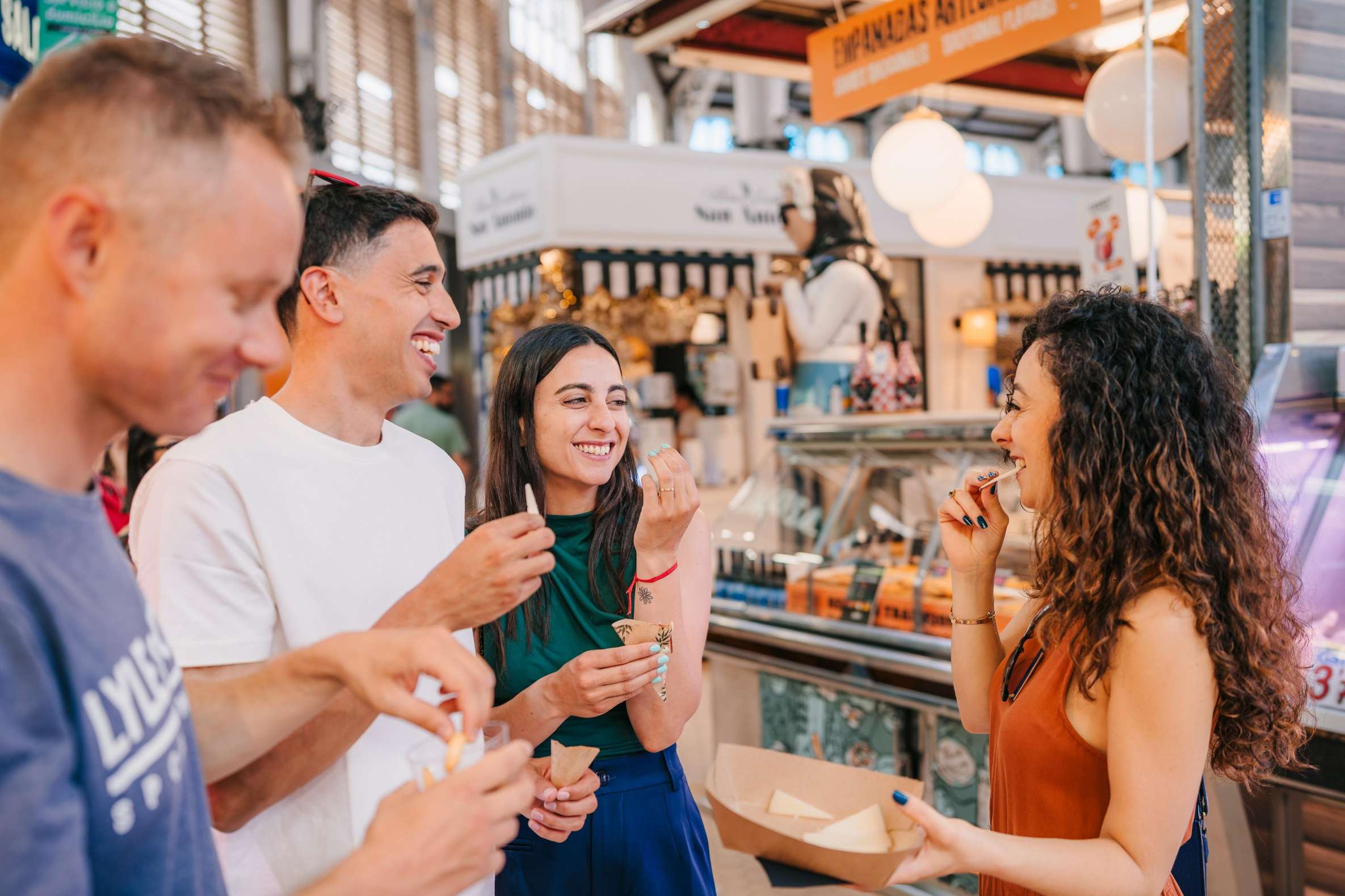
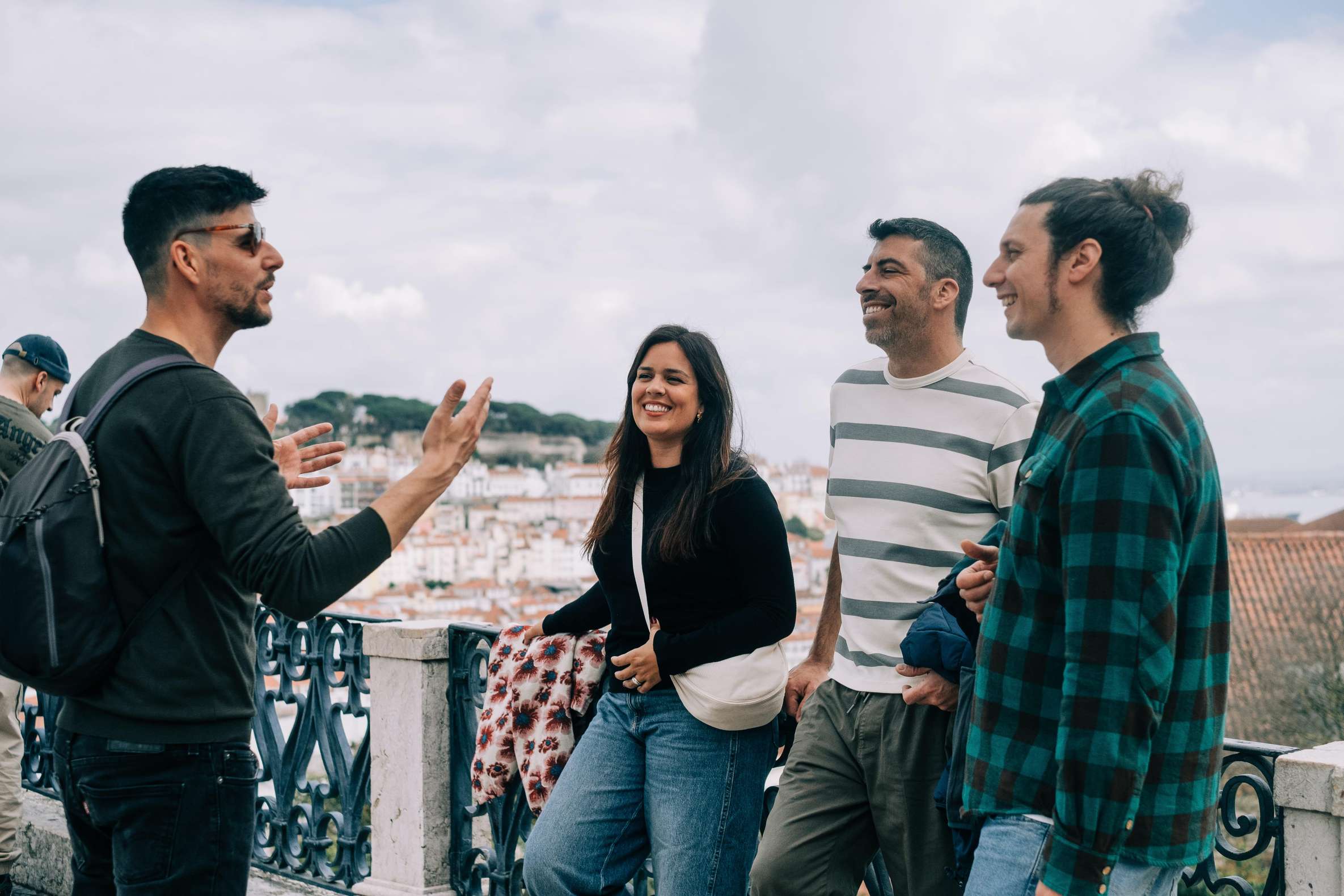
Skip the tourist menus on the Ribeira and eat like a local in Porto. Book a guided food tour with an English-speaking local guide, 4+ stops in backstreet tascas and drinks included, and arrive with an empty stomach, because the generous tastings will leave you completely full.
Porto sells two ways to eat well. A guided food tour in Porto takes you from tasca to tasca while a local explains what you are tasting, so you learn where to eat for the rest of your trip. A pastel de nata class puts you at a workbench instead, rolling pastry and baking your own tarts. If your days are full, pick the walk; if you want a skill to take home, pick the kitchen.
Age limitsRules differ by class. Some welcome children over 10, one runs for ages 3 and up, and some exclude kids under 3 or under 15. The food walking tour gives children under 10 a discounted price.
ShoesCooking workshops require flat, closed-toe shoes, so leave the sandals and flip-flops for the beach.
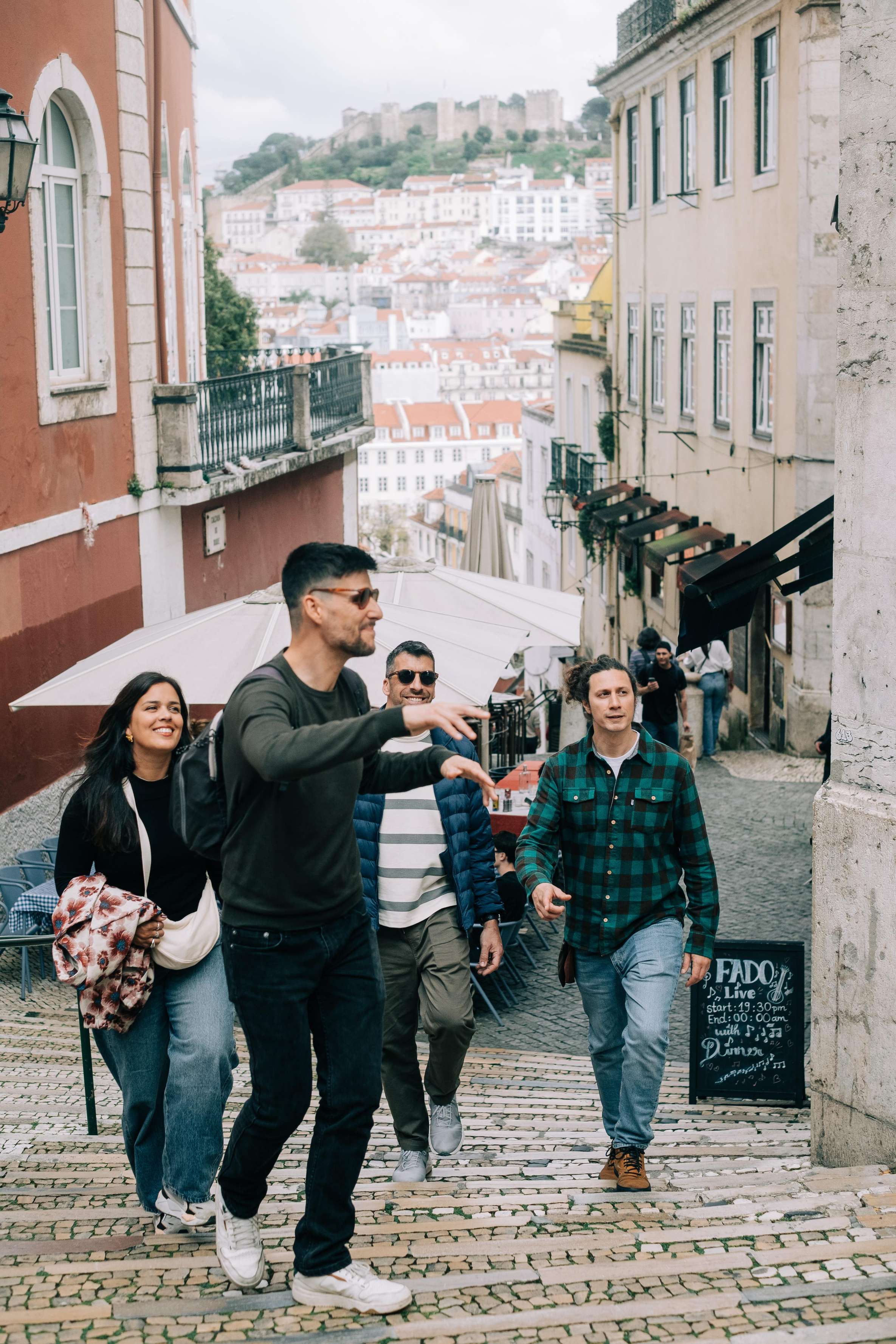
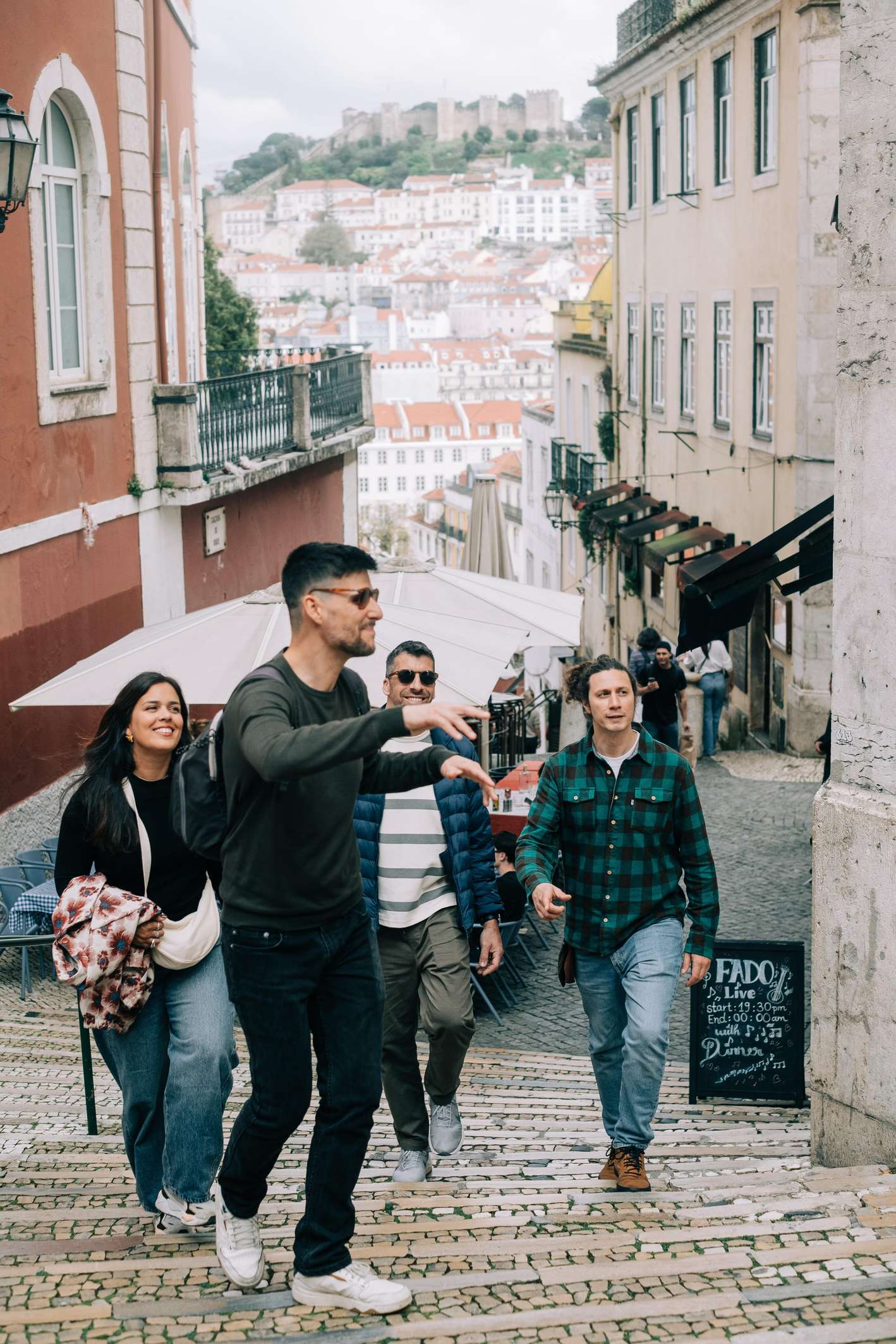
FootpathsFood walking routes cover roughly 3 to 5 kilometers over steep, cobbled streets, with stretches of 10 to 15 minutes of continuous uphill and downhill walking.
MobilityThe guided food walks are not suitable for wheelchair users or people with mobility impairments. One class is stroller and wheelchair accessible at its Lapa location.
Dietary needsTell the operator when you book. Vegetarian alternatives are available, and one class offers lactose-free, gluten-free and vegan options with advance notice.
WeatherFood tours run rain or shine, and every tasca, market and restaurant stop sits indoors.
ClosuresBolhão's market stalls shut on Sundays and public holidays, so a market-based route may change on those days.
BookingCancel up to 24 hours in advance for a full refund on the tours listed here.
AppetiteArrive hungry. The tastings across the stops add up to a full lunch or dinner, so skip a large breakfast beforehand.
accessGuided food tours in Porto involve 3 to 5 kilometers of walking on steep, cobbled streets with uphill stretches, and the tours are not suitable for people with mobility impairments or wheelchair users.
If walking those hills is a concern, choose a cooking class or pastry workshop instead, which keeps you at a table, or use the Guindais Funicular, the Lada Elevator and the Miragaia Mechanised Stairs to move between the high and low parts of the city on your own.
Which Porto food tour to book
arrive hungry, the stops add up to a full meal
Most popular
3.5 hours·English
4.9(184)
Eat Porto Like a Local: The Ultimate Full-Meal Food Tour
The full-meal choice: 4+ stops with drinks included in 3.5 hours, rated 4.9 by 184 travelers.
Free cancellationEnglish-speaking local guideTaste local Port wine
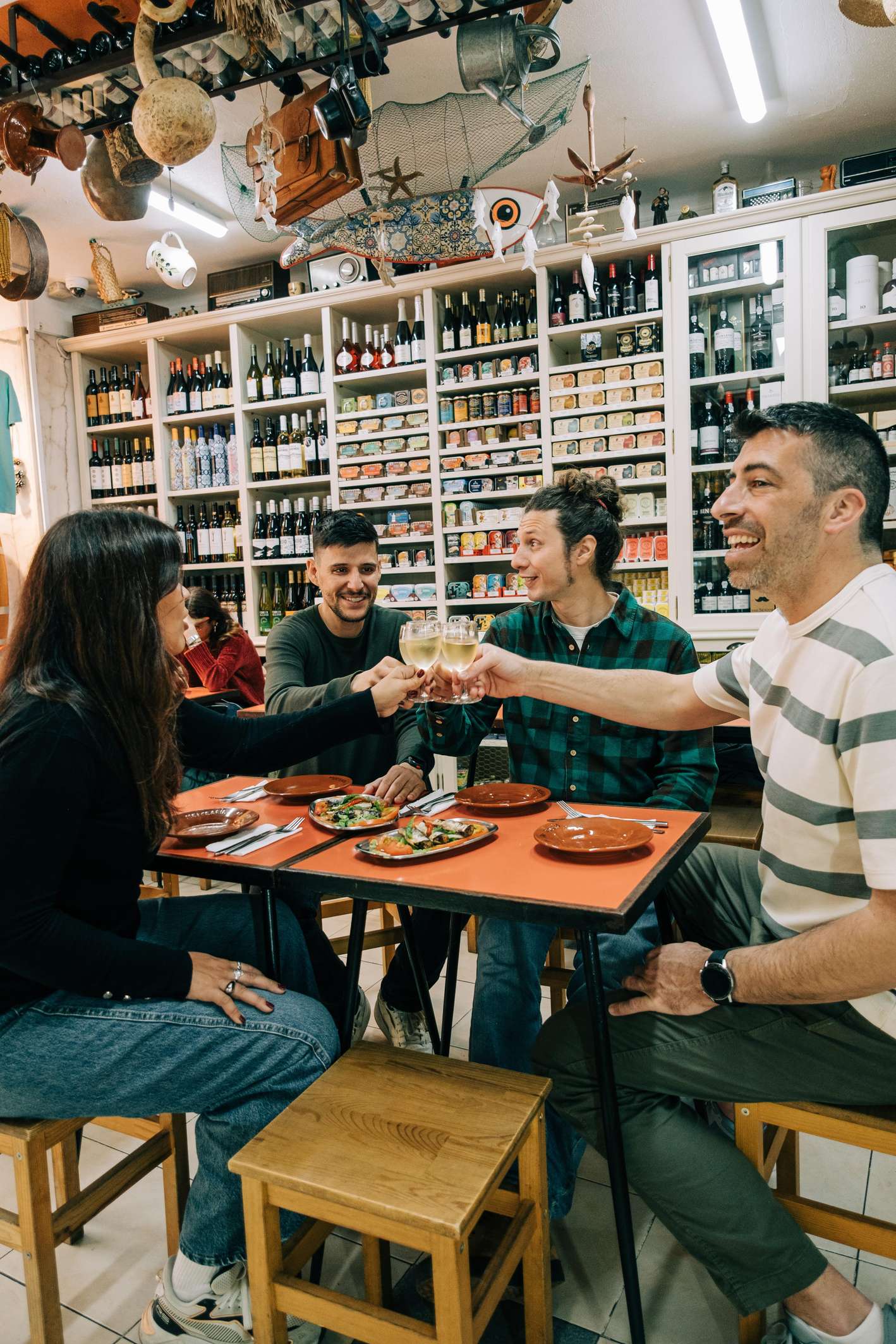
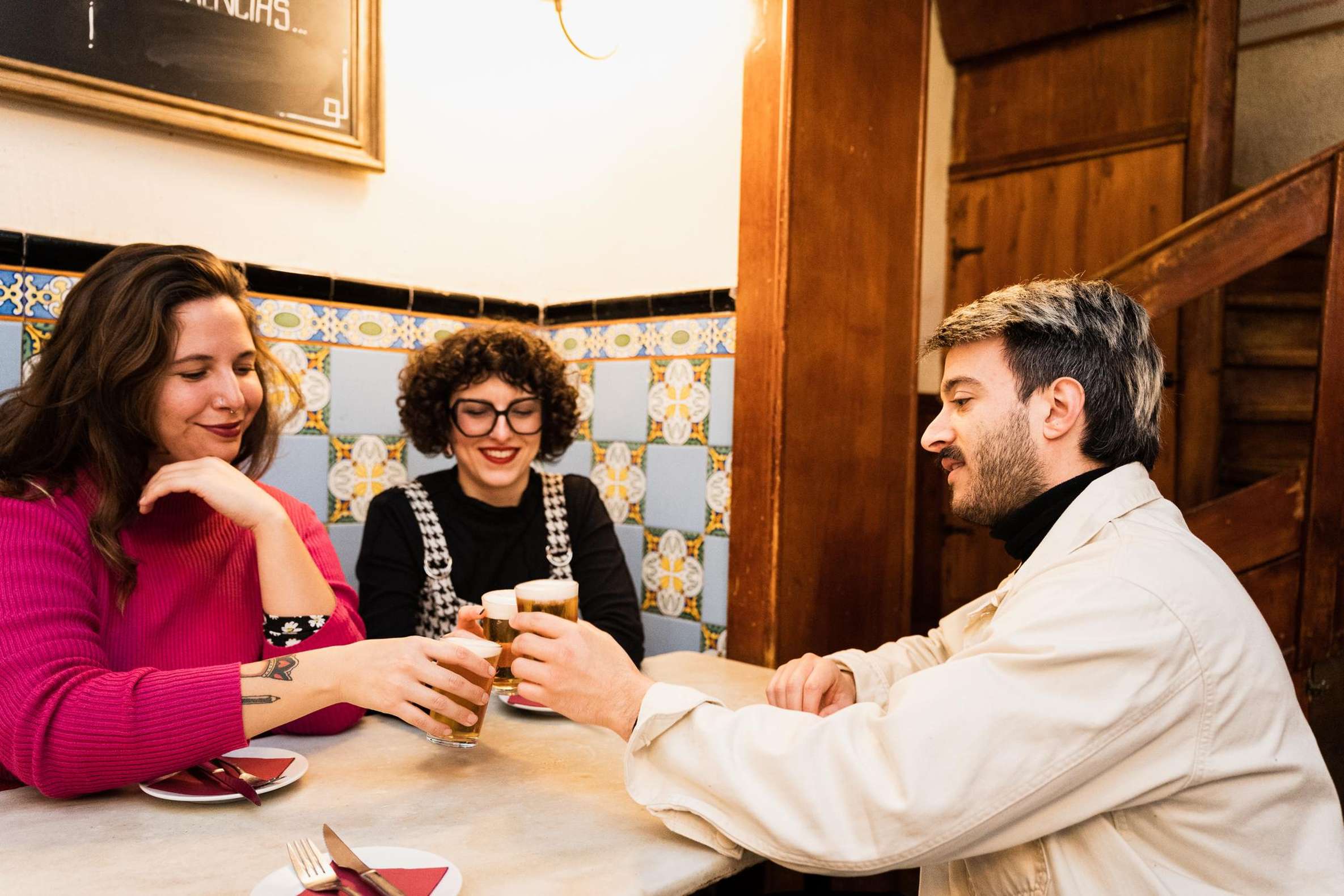
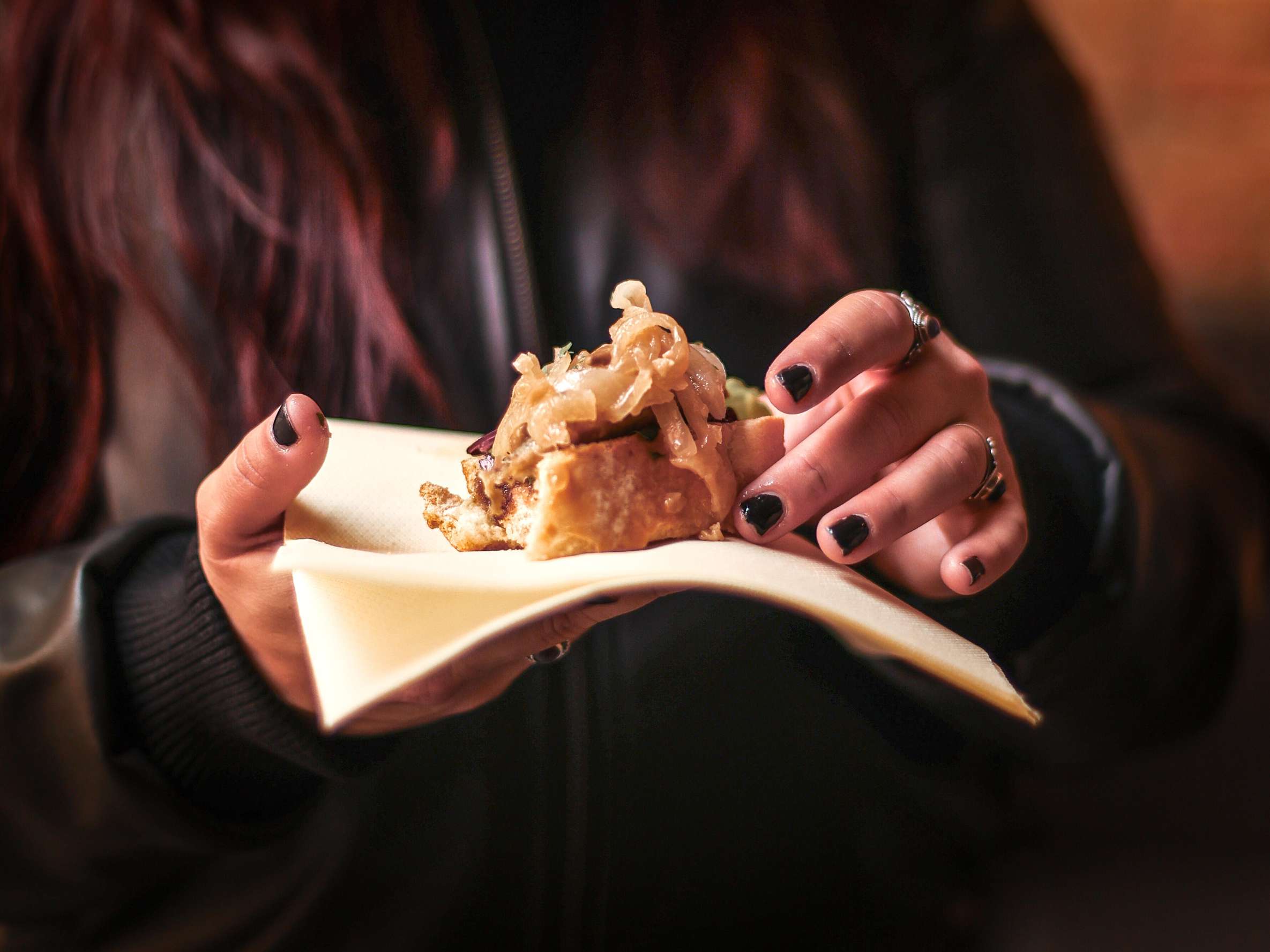
On a food and drink tour in Porto, tastings come with their pairing: local wine, Port or beer served alongside the petiscos, cheese and bifana.
Most walks run three to four hours across several stops, and the drinks are part of the experience. It suits anyone who wants a full meal with something in the glass at every table.
A street food tour in Porto keeps things casual: stand-up counters, market stalls and small bites eaten on the move.
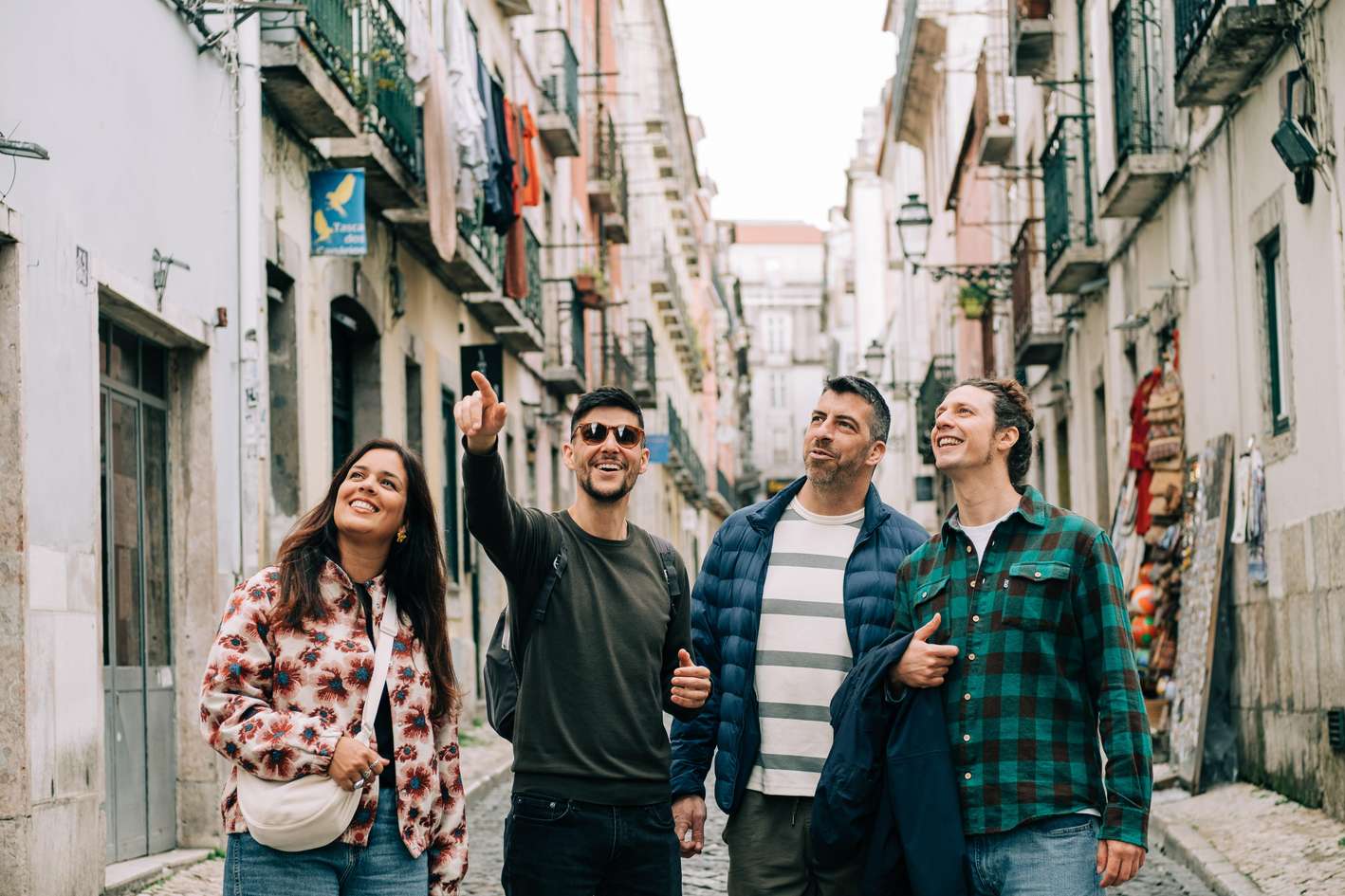
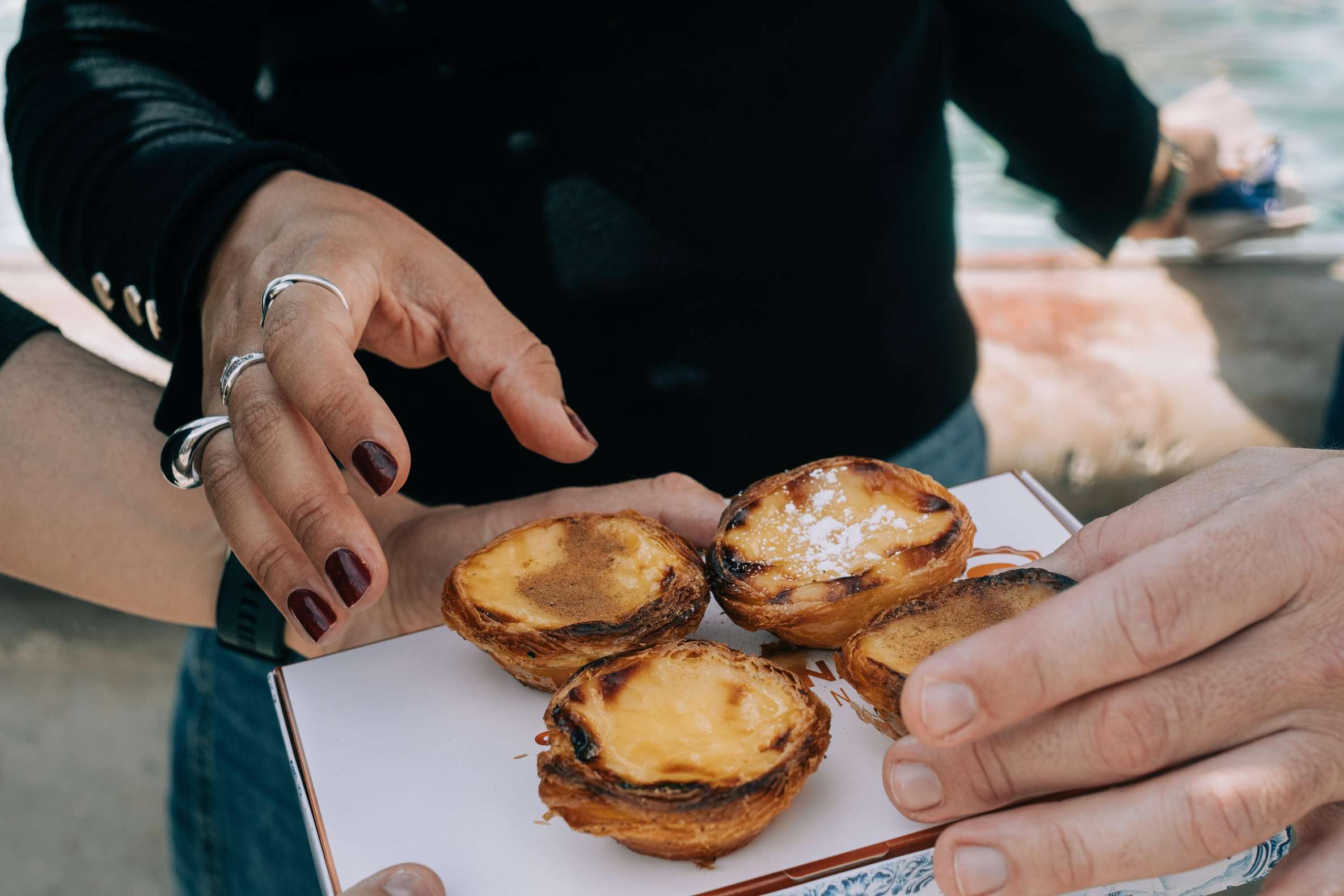
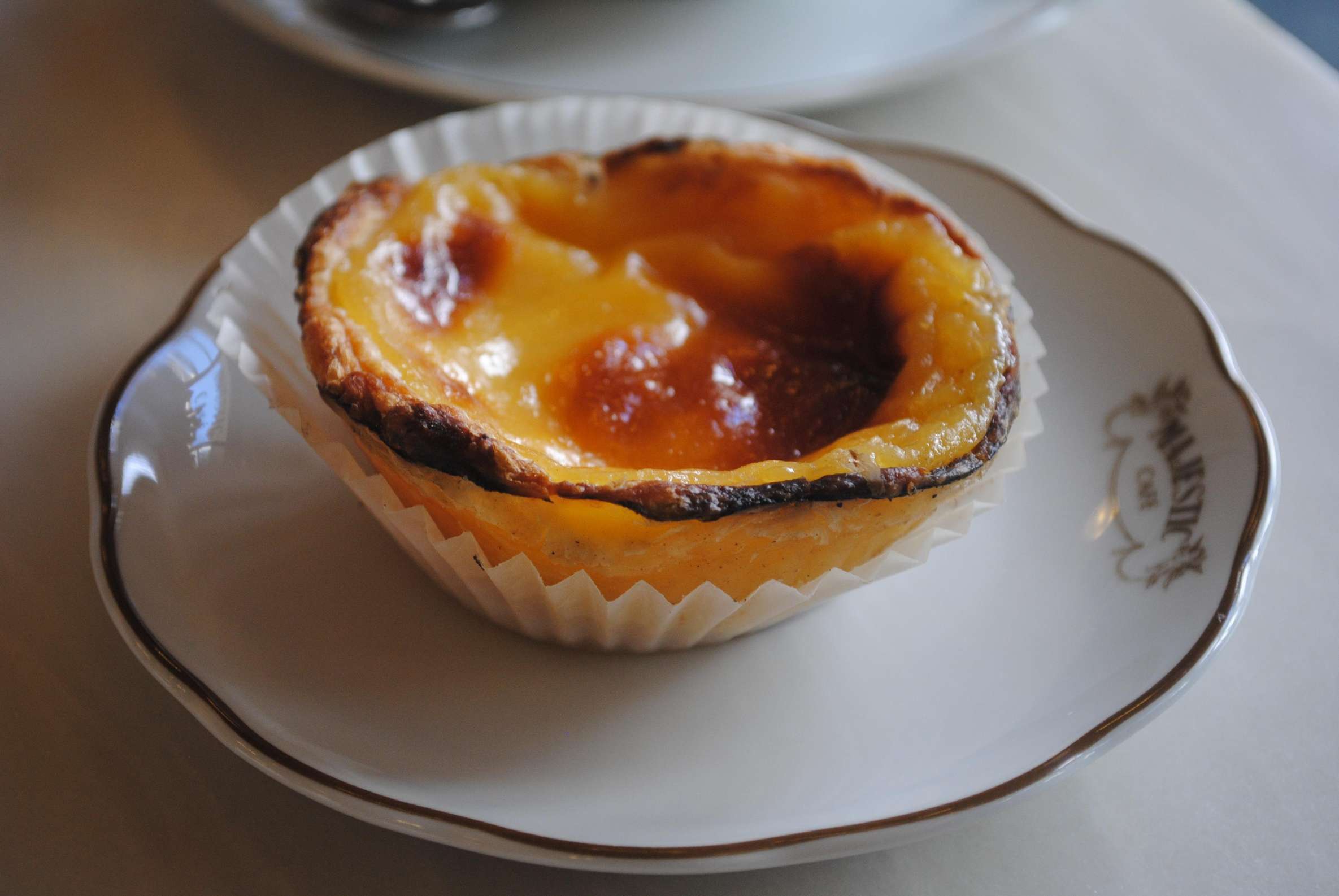
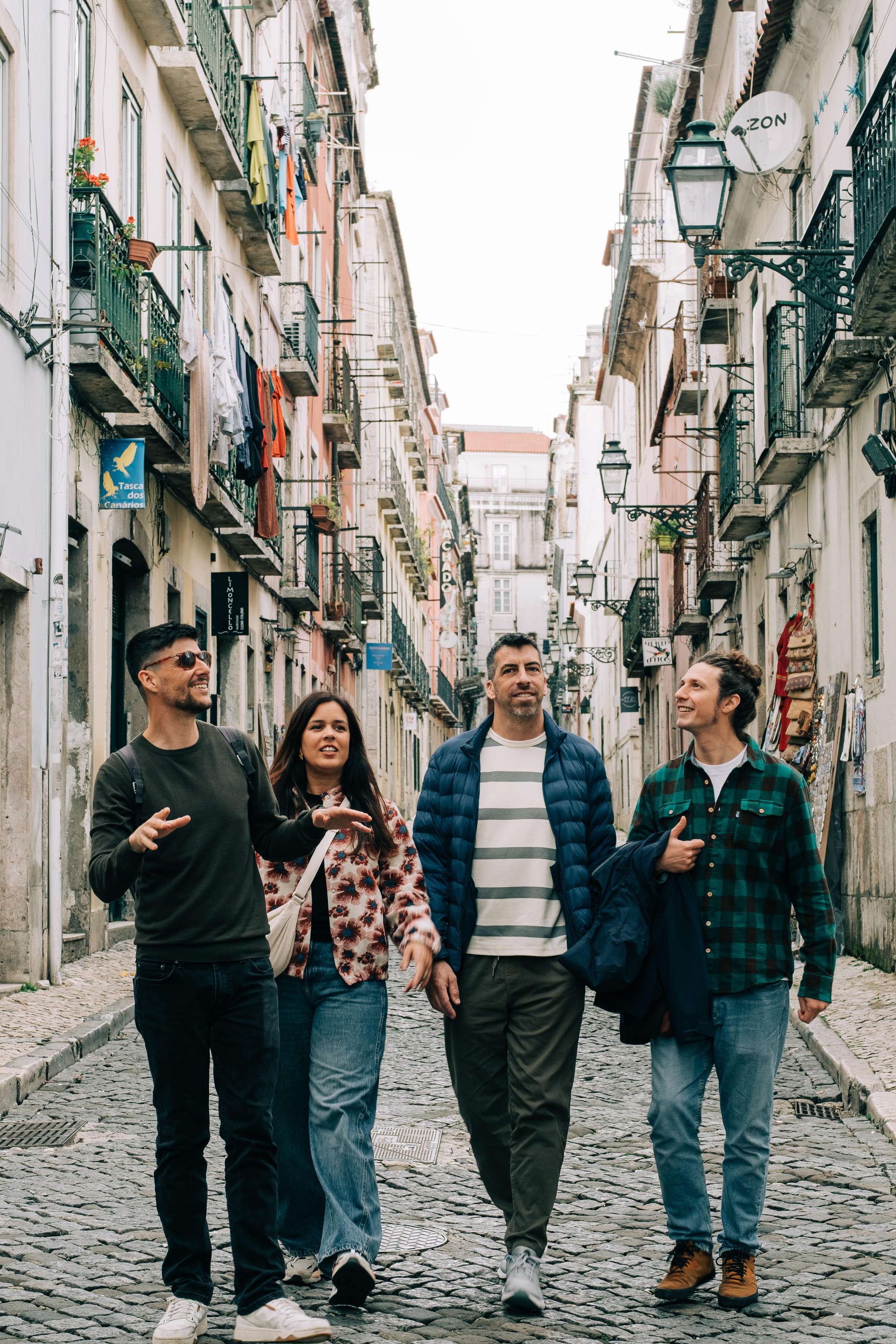
You follow your guide through backstreets most visitors hurry past and try a bifana or a warm pastel de nata where locals queue. Expect three to three and a half hours on foot, with about three kilometers of walking.
A historical food tour in Porto takes you into vintage taverns where the walls carry the story along with the menu.
Guides explain how dishes like tripas à moda gave locals their tripeiro nickname, dating back to the fleet that sailed for Ceuta in 1415. It suits travelers who want culture alongside the food, and a good story with every course.
On a private food tour in Porto, you set the pace and the guide shapes the route around you, with ten tastings across three hours.
Vegetarian alternatives are worked in when you mention them at the start. It suits couples, families and anyone who prefers a table of their own to a group of ten to fifteen.
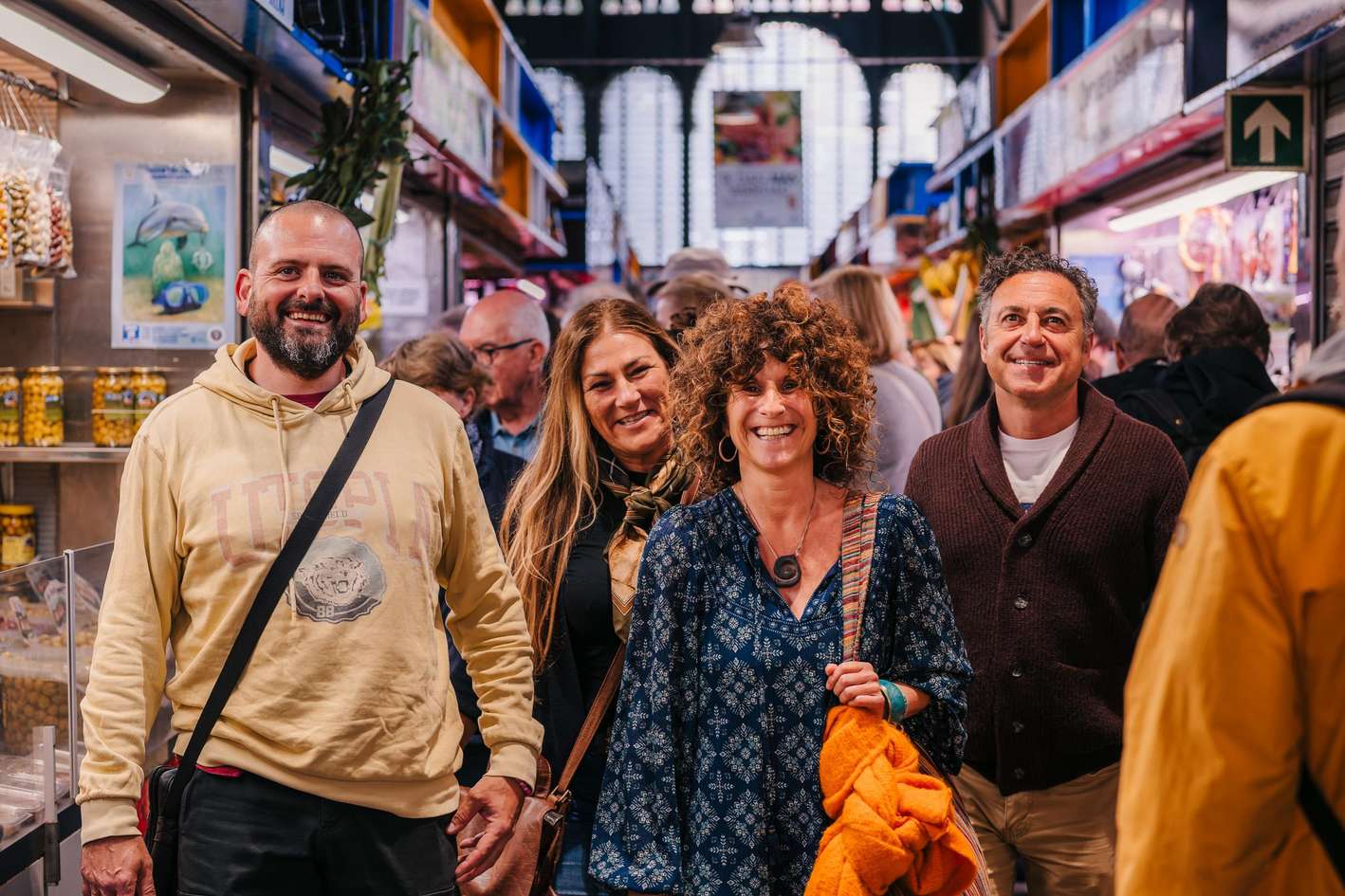
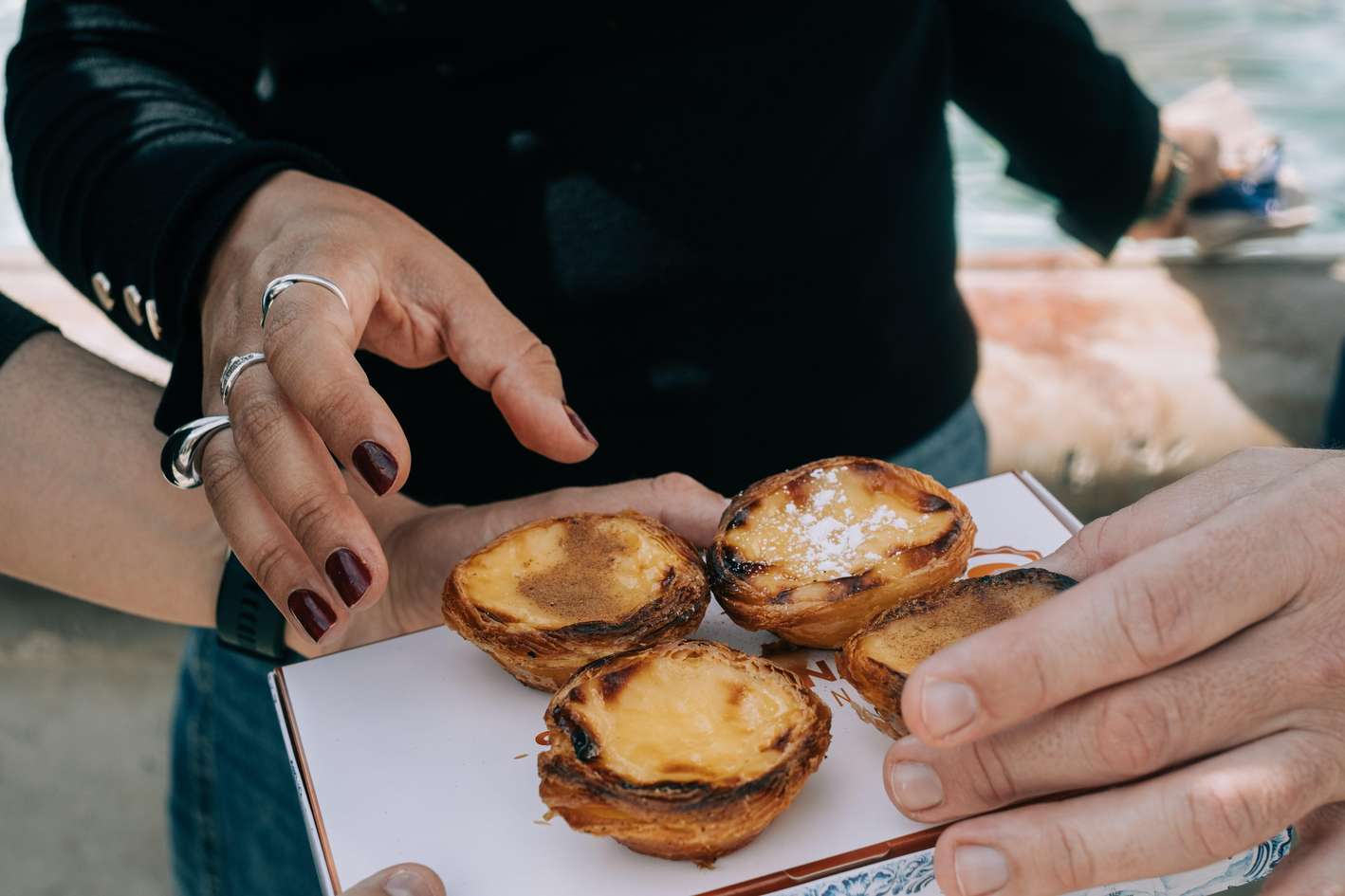
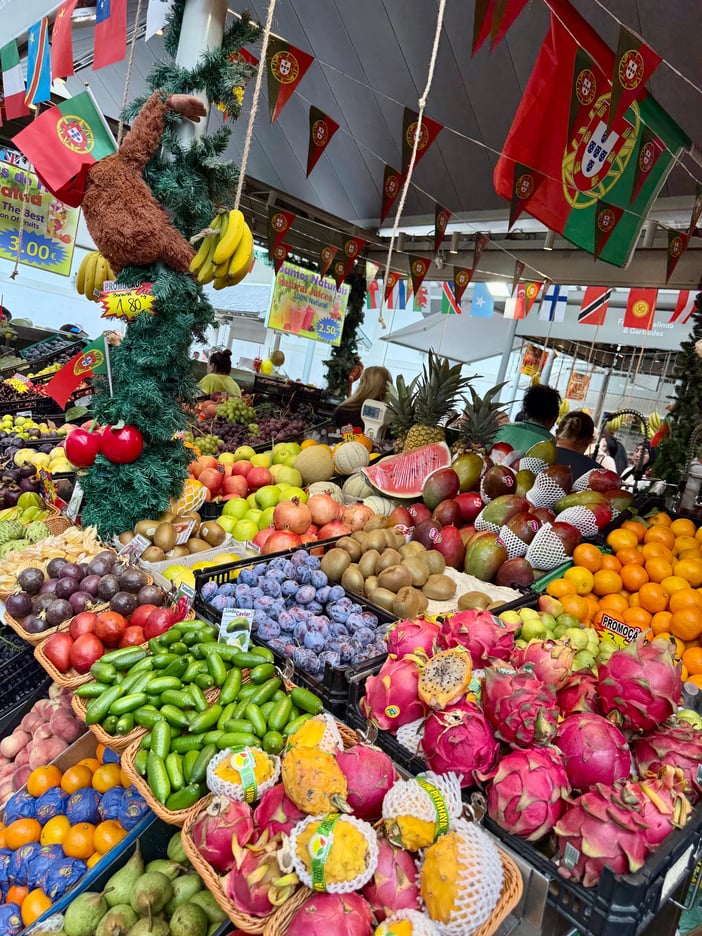
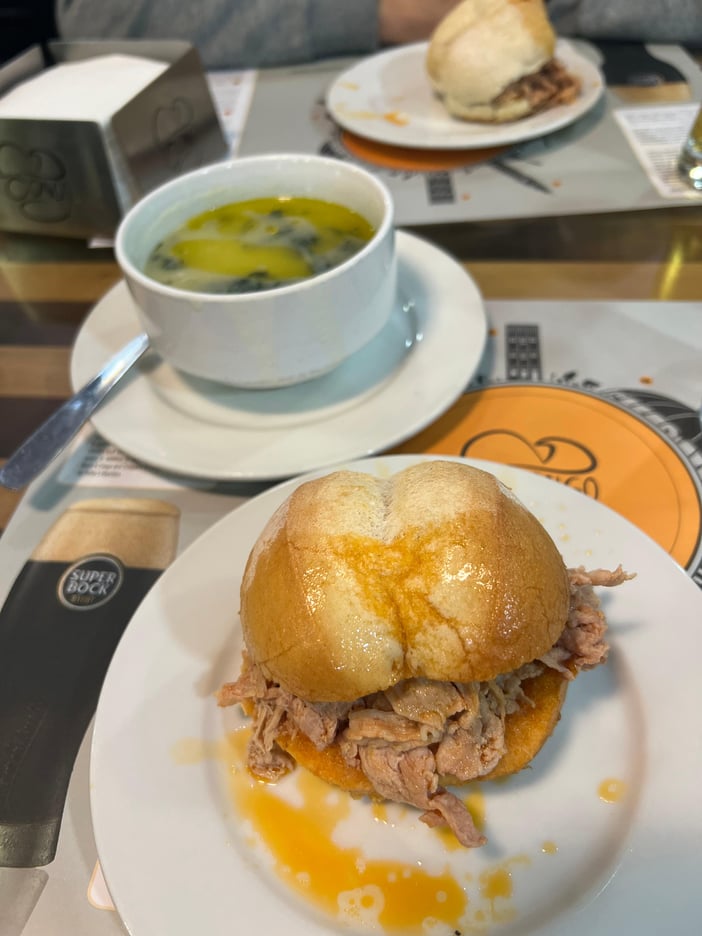
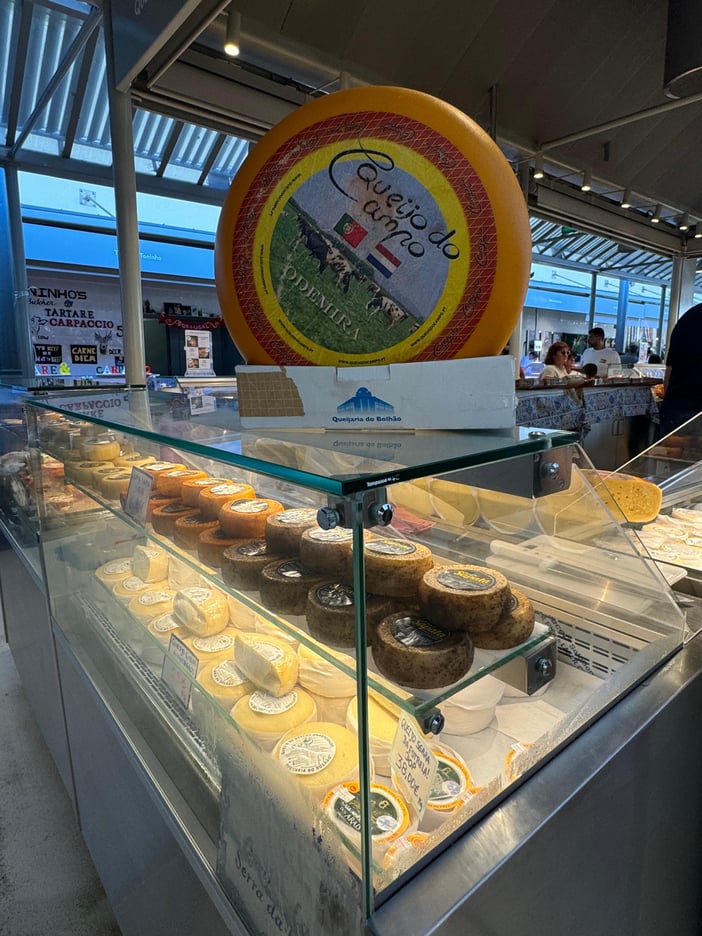
The walk starts with a warm pastel de nata at a neighborhood bakery, then moves through Mercado do Bolhão and its cheese and wine stalls before lunch at a local restaurant. A sit-down regional meal follows in one of the city's backstreet dining rooms, and the last stop is a bar for wine and spirits.
Between tastings, your guide explains what is on the plate: the tripeiro nickname Porto earned in 1415, the salted cod that arrived on fishing boats, and the barman who invented the Francesinha in the 1950s.
About 3 kilometers on foot across 3.5 hours, with 10 to 15 minutes of continuous uphill and downhill walking on cobbles. Skip breakfast; the tastings add up to a full meal.
Meeting pointChapel of SoulsYour meeting point, the tile-covered chapel on Rua de Santa Catarina near São Bento station. Check in with your guide, who runs through the route before the walk begins.Street ViewStop 2Local bakery· 30 minThe tour opens with a coffee and a fresh pastel de nata at a neighborhood bakery. Your guide explains how the custard tart fits into Porto's morning café counter ritual.From this tourStop 3Mercado do Bolhão· 60 minAn hour in Porto's historic market hall, browsing traditional vendor stalls. Expect a cheese tasting with local wine, and see where locals do their daily shopping.Stop 4Local restaurant· 30 minA casual lunch stop for a bifana, the marinated pork sandwich in a bread roll, with a beer. This is regional street food as Porto locals eat it.From this tourStop 5Hidden gem· 60 minA small family-run eatery away from the tourist waterfront, where petiscos and homestyle regional dishes make up the main meal of the walk.From this tourStop 6Local bar· 30 minThe final tasting: local wine and spirits at a neighborhood bar, paired with the stories of the day. Ask your guide for restaurant tips for the rest of your stay.From this tourDrop-offPraça de Almeida GarrettThe tour ends on this square in front of São Bento station, in the heart of the city. From here you can walk to the Clérigos Tower or the riverside promenades.Street View
Included
English-speaking local guideEnjoy the following possible tastings across 4+ stops: local cheeses and wine, bifana, petiscos and pastel de nataTaste local Port wineWater and alcoholic local beverages (usually wine, Porto and/or beer)
Not included
Any additional food or drinksHotel pickup and drop-off
Comparing your Porto food tour options
leave 24h free to cancel
Green marks the lowest price. Prices per person.
Tour
Price
Duration
Best for
Our pick
Eat Porto Like a Local: The Ultimate Full-Meal Food Tour
4.9★ (184)
from $80per person
3.5 hours
first-timers who want a full meal across four or more stops
book the first afternoon, you'll eat better all week
1. Pick a date early in your trip
Book your food tour in Porto for your first full day. Your guide hands out restaurant and bar recommendations you can use for the rest of the stay, and you learn your way around the center.
Pro tipKeep the Douro Valley as its own full day and leave the tour off it, since the valley trip takes about two hours each way on winding roads.
RecommendedChoose a weekday afternoon if you want the tasca atmosphere at its best, because daily specials sell out by mid-afternoon and some neighborhood spots never open for dinner.
2. Choose the right option
Compare the two food tours by format. The full-meal walk runs 3.5 hours with drinks across four or more stops, while the private version runs 3 hours with ten tastings and a vegetarian menu on request, mentioned at the start.
Pro tipArrive hungry and skip breakfast or keep it to coffee and a small pastry, because the tastings across the stops leave you completely full.
3. Book and check the fine print
Enter your details and pay, then note the allergies or dietary restrictions field before you confirm. The kitchen stops need advance notice to adapt the menu, and every tour on this page can be cancelled up to 24 hours ahead for a full refund.
Common mistakeFirst-timers mention a vegetarian diet only when the guide greets them. The private tour adapts the menu when you say so at the beginning, so flag it as early as you can.
ImportantYou need no documents for the tour itself, but children under 10 travel at a discounted price on the full-meal walk, so count them when you book.
4. Read your voucher and find the meeting point
Confirmation and any operator messages arrive by email right after booking. The voucher names the exact meeting spot: central Porto points include Aliados Avenue by the Prosperity Statue, the Capela das Almas on Santa Catarina, and the main entrance of Mercado do Bolhão.
Pro tipLines A, B, C, E and F all serve Bolhão station from Trindade, so any one of them gets you to a market meeting point in two minutes.
5. Show up ready to walk
Arrive about ten minutes early in comfortable shoes with rubber tread. The routes cover roughly 3 kilometers with stretches of ten to fifteen minutes of continuous uphill and downhill on cobblestones, and tours run rain or shine with tastings indoors.
Common mistakePeople wear smooth soles or sandals on wet granite cobbles and slip. Bring broken-in sneakers or boots with grip.
RecommendedPack a hooded waterproof jacket, since gusty winds off the Douro often flip umbrellas inside out in the narrow alleys.
What to know before your Porto food tour
leave the couvert on the table if you didn't order it
Can stop the dayGood to knowGood news
01
ChoosingWhat it is, who it suits, when to go
7
Walking and shoes
A 3.5-hour food walk covers about 3 km, with stretches of 10 to 15 minutes of continuous uphill and downhill on uneven granite cobblestones. Broken-in sneakers or boots with rubber tread are essential. Smooth leather soles, sandals and heels slip easily on wet stone.
Group size
Group food walks in Porto usually cap attendance at 8 to 16 people. Traditional tascas are compact, family-run places with tight layouts, so a small party is what makes the stops work. If you want full control over pace and focus, a private food tour books just your party.
Food and drink
On the full-meal food walk, tastings across 4 or more stops include pastel de nata, petiscos, a bifana, local cheeses, plus water, wine and Port. The private tour spreads about 10 small tastings and three drinks over three hours. Both count as a proper meal.
Portions
Arrive with an empty stomach: generous tastings across the stops leave participants completely full. If you must eat beforehand, keep it to coffee and a small pastry. Skip the big breakfast, since guided walks include several servings.
Dietary needsCan stop the day
Tell the operator about allergies or dietary restrictions when you book. The private food tour adapts its menu with vegetarian alternatives, which your guide confirms at the start. People with severe celiac disease should know that a francesinha relies on thick white bread and cannot be made gluten-free.
Mobility
Both food walks on this page state they are unsuitable for people with mobility impairments, and the private one also rules out wheelchair users. Porto's Old Town mixes steep slopes with cobbled staircases. If stairs are a concern, look at the mechanised routes such as the Guindais Funicular area for independent eating plans instead.
Timing
An afternoon lunch format gets you into tascas at their best, when locals gather for the daily prato do dia, which often sells out by mid-afternoon. Several authentic neighborhood spots never open for dinner at all. Book your walk early in your stay, so the guide's recommendations shape the rest of the trip.
02
BookingHow far ahead, and what happens if plans change
1
Cancellation
Every tour here allows cancellation up to 24 hours in advance for a full refund. One caution from the tours' own rules: late arrivals cannot join a walking tour once it has started and lose the booking. Aim to reach the meeting square ten minutes early.
03
Before you goPapers, health, what to bring
2
Rain
Porto food tours run rain or shine, and the tasting stops sit indoors. A hooded waterproof jacket works better than an umbrella, because gusty winds off the Douro frequently invert umbrellas in the narrow alleys.
Kids
Children are usually welcome on guided tasting walks, and kids under 10 get a discounted price on the full-meal tour. Small bites let picky eaters try an adventurous dish without committing to a whole restaurant plate. Bolhão Market's food hall also sells items individually.
04
On the dayWhere to be, when, and how you get there
1
Meeting points
None of these food walks include hotel pickup, so plan to arrive on foot. Tours gather at central landmarks such as the Capela das Almas de Santa Catarina, Aliados Avenue by the Prosperity Statue, or the main entrance of Mercado do Bolhão. The exact square shows on your booking confirmation.
05
During the tourWhat is expected of you
1
Tipping
Tipping your guide is optional. For a half-day culinary walk, five to ten euros per person is a common gesture, and rounding up the bill at the tascas is appreciated. Nobody will chase you for either.
Food tour guide - tascas, tarts and Porto timing
espresso is a cimbalino here
A week from now you could be leaving the last tasca unable to eat another bite, or full of tourist-strip regret. The difference comes down to picking the right walk, the right day and the right shoes.
Porto· 41.15° N, 8.61° W
If you only remember three things
1
Arrive hungry: ten tastings across about three hours add up to a full lunch or dinner.
2
Book for your first afternoon, so the guide's recommendations feed every meal after.
3
Cancel free up to 24 hours ahead; after the walk leaves, latecomers cannot join.
Is a food tour worth a whole meal in Porto?
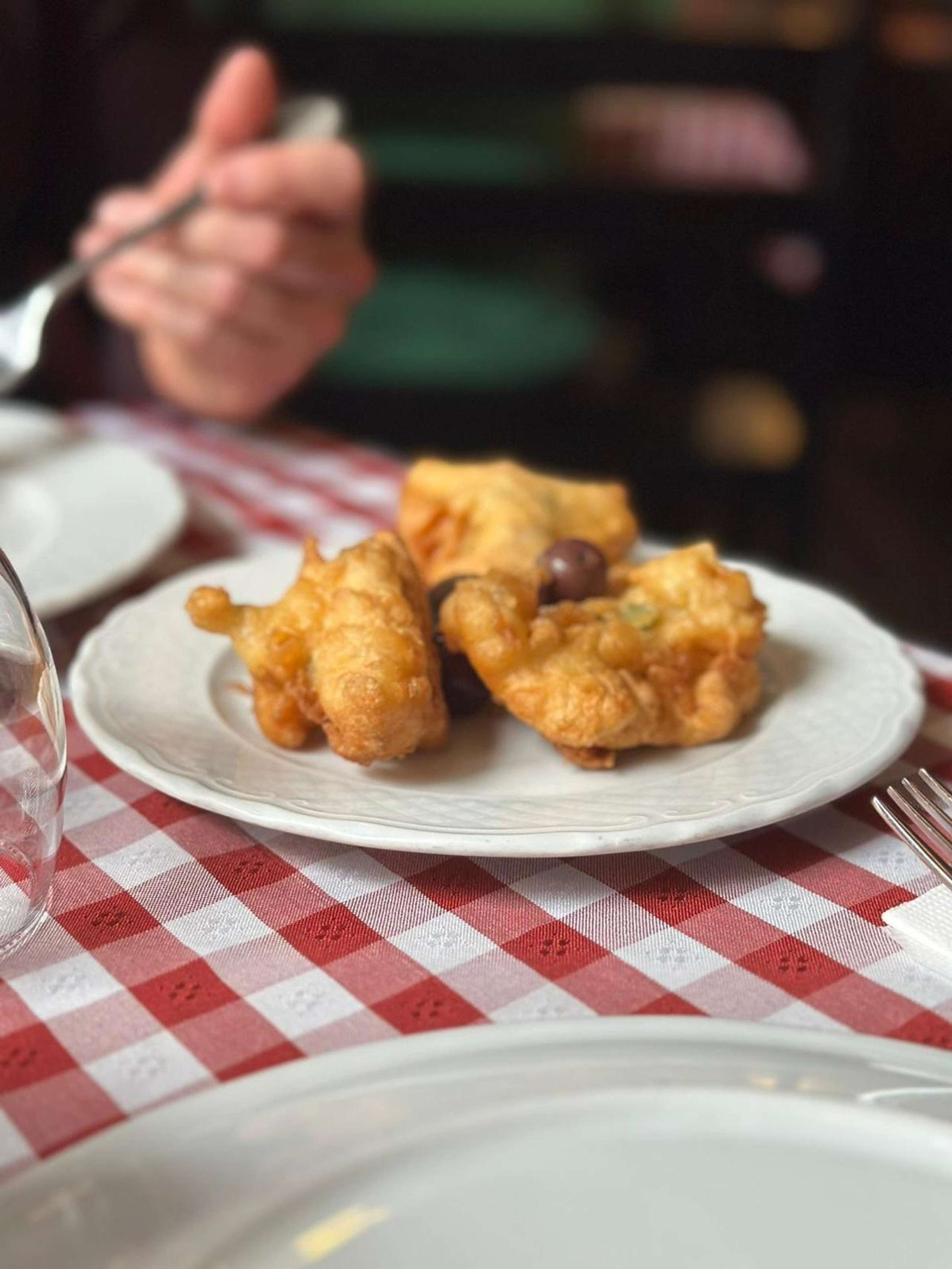
Half a francesinha, a bifana, petiscos, cheese, Port, and a warm custard tart before the last stop. That is roughly the shape of a three-hour walk: about 10 small tastings and three drinks, spread across four or more stops. It lands like lunch, because it is lunch.
The people who run these walks say it plainly: arrive hungry. Ten tastings across three hours will leave you completely full. Skip the hotel breakfast, or keep it to coffee and one small pastry, because the bread and pork add up faster than you expect.
A traveler's note
Easy walk, and Vera was friendly and super personable, we chatted about everything, not just food and wine. Loved meeting the vendors and their treats. A new friend in Portugal!
On money, the walk earns its keep against going alone. Tourist-area cafés charge noticeably more for the same plates, and piecing together ten stops on your own costs a day of trial and error.
In the neighborhood tascas, home-style plates feed families well; tasca staff expect nothing beyond small change, and a modest extra for your guide is appreciated, never compulsory.
So yes, it earns the meal slot. Book it in place of lunch or dinner, and plan nothing heavy around it.
Tour for this
Eat Porto Like a Local: The Ultimate Full-Meal Food Tour4.9★ (184) · 3.5 hours · Free cancellation
Porto or Lisbon - where to spend your one food walk
The pull to book in both cities is real, and it is the wrong call. One comprehensive walk per vacation is enough, and the two overlap more than the postcards suggest. A second guide in another city retreads what the first told you over cheese.
Porto is the stronger pick for a guided walk. The northern plates are heartier, the tavern culture older, and the Port is at home here. Lisbon wins on cooking-class variety; Porto wins the food tour itself. If your real wish is hands-on practice making Portuguese food, Lisbon's wider class scene serves you better.
Two beliefs worth dropping
MythYou should book food walks in both Lisbon and Porto
Reality
One comprehensive walk per vacation is enough; the second guide retreads the first
MythLisbon's bigger cooking-class scene makes it the better food-tour city
Reality
Lisbon leads on classes, Porto leads on the guided walk with hearty northern dishes and Port
The clean split goes like this: take a tour to sample dishes and learn what to order and where, and book a class when you want your hands in the dough. For most first visits, Porto's walk covers both appetites.
What you'll taste on a food tour, and the stories behind it
A barman at A Regaleira, Daniel David da Silva, took a croque monsieur in the 1950s and buried it in a hot sauce of beer and Port; one account credits malagueta chili he met while working in Angola.
That sandwich is the francesinha, and on the longest routes it comes as half a portion, because it is a meal by itself.
Older still is the tripe. Porto's people supposedly gave their meat to the fleet sailing for Ceuta in 1415 and kept the offal, which is why locals still answer to tripeiros, tripe eaters.
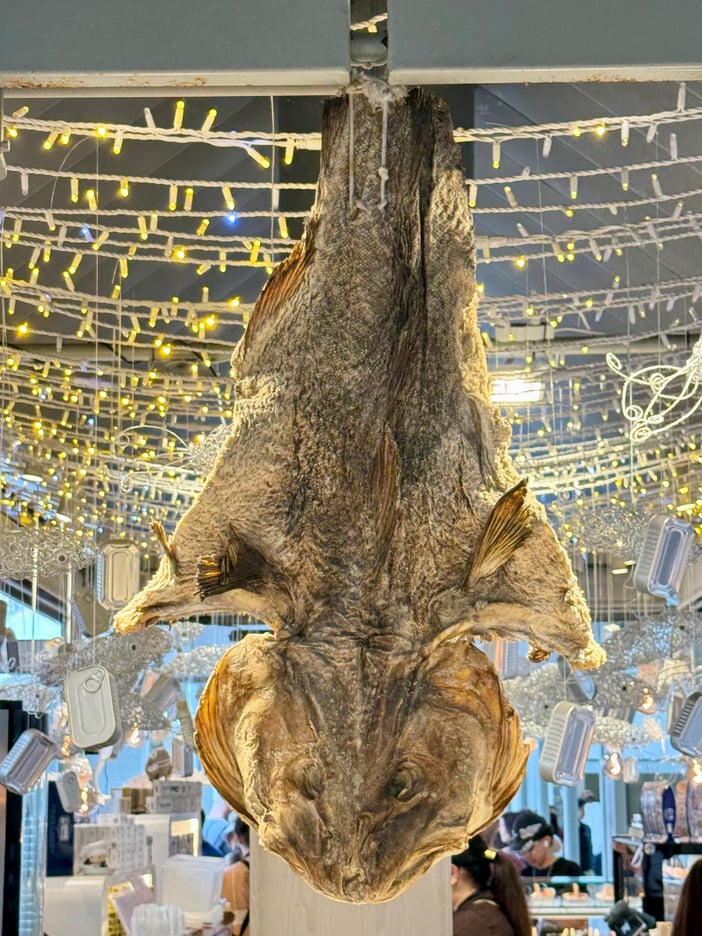
Bacalhau tells the sea's side of the story: salted cod landed on these quays for centuries, traded and sold within sight of where you will eat it.
Port wine, 19 to 22 percent alcohol and from the Douro region, usually appears as a single glass at one stop, sometimes paired with chocolate.
The stops matter as much as the plates. Good walks skip the Ribeira waterfront and eat where regulars eat, in backstreets and around Bolhão.
How to spot a real tasca
Handwritten menus or chalkboards
Laminated multilingual menus mean tourist trade
A prato do dia, the daily special
Regulars come for it, and it sells out by mid-afternoon
8 to 20 seats, paper towels, football memorabilia
Small family kitchens cannot take big parties
The word is petiscos, never tapas
The vocabulary is a quick honesty test
Tour for this
Porto: Pastel de Nata Pastry-Making Workshop with cocktails4.9★ (2,542) · 1.5 hours · Free cancellation
When the tascas are alive - food tour day and time
The tascas set the clock. Weekday lunchtime is when working locals crowd in for the prato do dia, and those specials sell out by mid-afternoon. Several authentic neighborhood spots never open for dinner at all, so an afternoon walk catches the rooms at their liveliest.
Days matter too. Bolhão's market stalls shut on Sundays and public holidays, and the tascas split their closing days, some on Sunday and some on Monday, so a market-based route may change course.
Market and tasca opening patterns
Wed: the busiest. Bolhão is open; check individual tasca hours.
Bar height: how busy each day is, from very quiet to the busiestThe busiest: Wed
Tap a day to read it.
Midweek wins on that count: Bolhão trades every day except Sunday, while Mondays catch the tascas that close then. Aim for Tuesday through Friday and you rarely hit a shut door.
Crowds follow a different calendar. August and September are the busiest months, so book those well ahead. Weather shifts the walk less than the calendar does: summers sit in the mid-20s with long dry stretches, while winter rain makes the granite cobbles slick, though tours run rain or shine with tastings indoors.
How busy it gets, month by month
August: 5 out of 5 for how busy it gets.
HighestJul to Oct
In betweenMar to Jun, Nov
LowestDec to Feb
Darker: a higher how busy it gets score, out of 5
Tap a month to read it.
Within your trip, book for the first afternoon. A morning walk fits on day one before time in Ribeira, while the Douro Valley deserves its own full day, about two hours each way on winding roads, and never shares a date with a food walk.
Tour for this
Porto: Pastel de Nata Cooking Class with Grandma's Recipe5.0★ (1,938) · 2 hours · Free cancellation
Small group, private or evening crawl - picking your food tour
Daytime full-meal walk, private route or evening petiscos crawl. The counts run close together: one tally of Porto operators puts group caps between eight and sixteen people, another between eight and fifteen.
Different operators' lists, the same practical truth either way: with tascas holding 8 to 20 seats, big parties physically cannot fit in the real rooms.
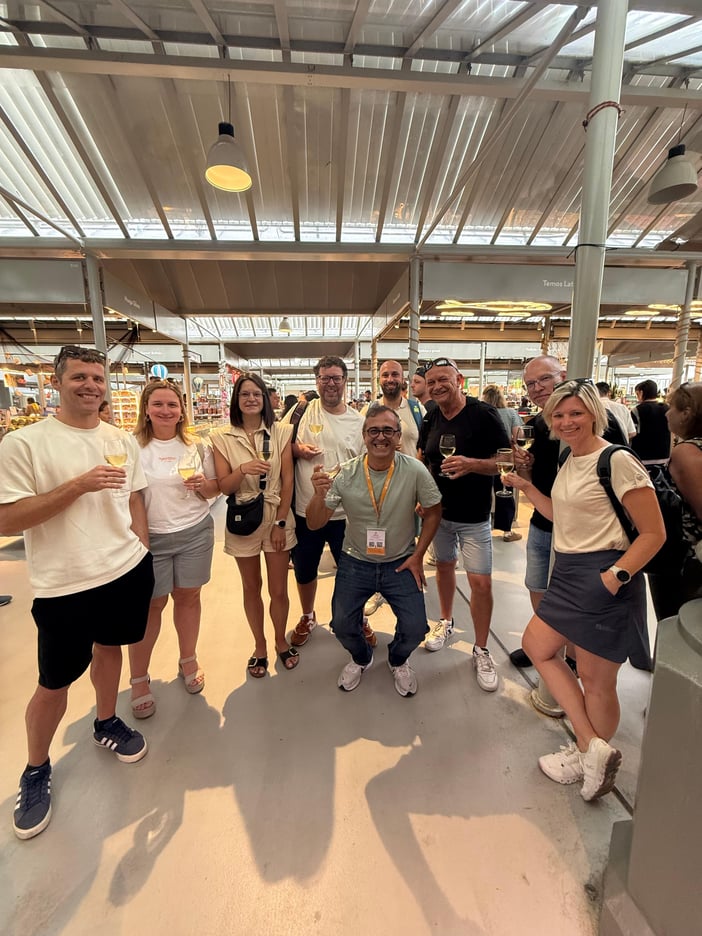
The small-group walk is the default for good reason: variety, city context and a shared-table energy. Eat Porto Like a Local: The Ultimate Full-Meal Food Tour runs 3.5 hours across 4+ stops, pastel de nata through bifana and petiscos, with wine, Port and beer poured along the way in a relaxed small group.
Three ways to eat the city
Daytime small-group walk
Private 10-tasting route
Evening petiscos crawl
Group size
Capped around 8 to 15
Just your party
Small, tavern-based
Meal weight
Replaces a full lunch or dinner
10 tastings over 3 hours
Dinner-like shared plates
Pace control
Fixed route and timing
Complete control of pace and focus
Fixed route
Atmosphere
Weekday tascas full of regulars
Your own route and stops
After-dark wine bars
Daytime small-group walk
Group size
Capped around 8 to 15
Meal weight
Replaces a full lunch or dinner
Pace control
Fixed route and timing
Atmosphere
Weekday tascas full of regulars
Private 10-tasting route
Group size
Just your party
Meal weight
10 tastings over 3 hours
Pace control
Complete control of pace and focus
Atmosphere
Your own route and stops
Evening petiscos crawl
Group size
Small, tavern-based
Meal weight
Dinner-like shared plates
Pace control
Fixed route
Atmosphere
After-dark wine bars
A private route suits fussy eaters or a tight schedule; the guide adapts the menu, including vegetarian alternatives, as you go. Evening routes trade lunch for a social crawl of shared small plates, often with Porto wines and other Portuguese regions alongside. Pick by atmosphere: lunchtime rooms of regulars, or wine bars after dark.
Tour for this
Porto: Pastel de Nata Cooking Class with Port Wine4.9★ (1,473) · 1.5 hours · Free cancellation
Food tour alternative - the pastel de nata class nearby
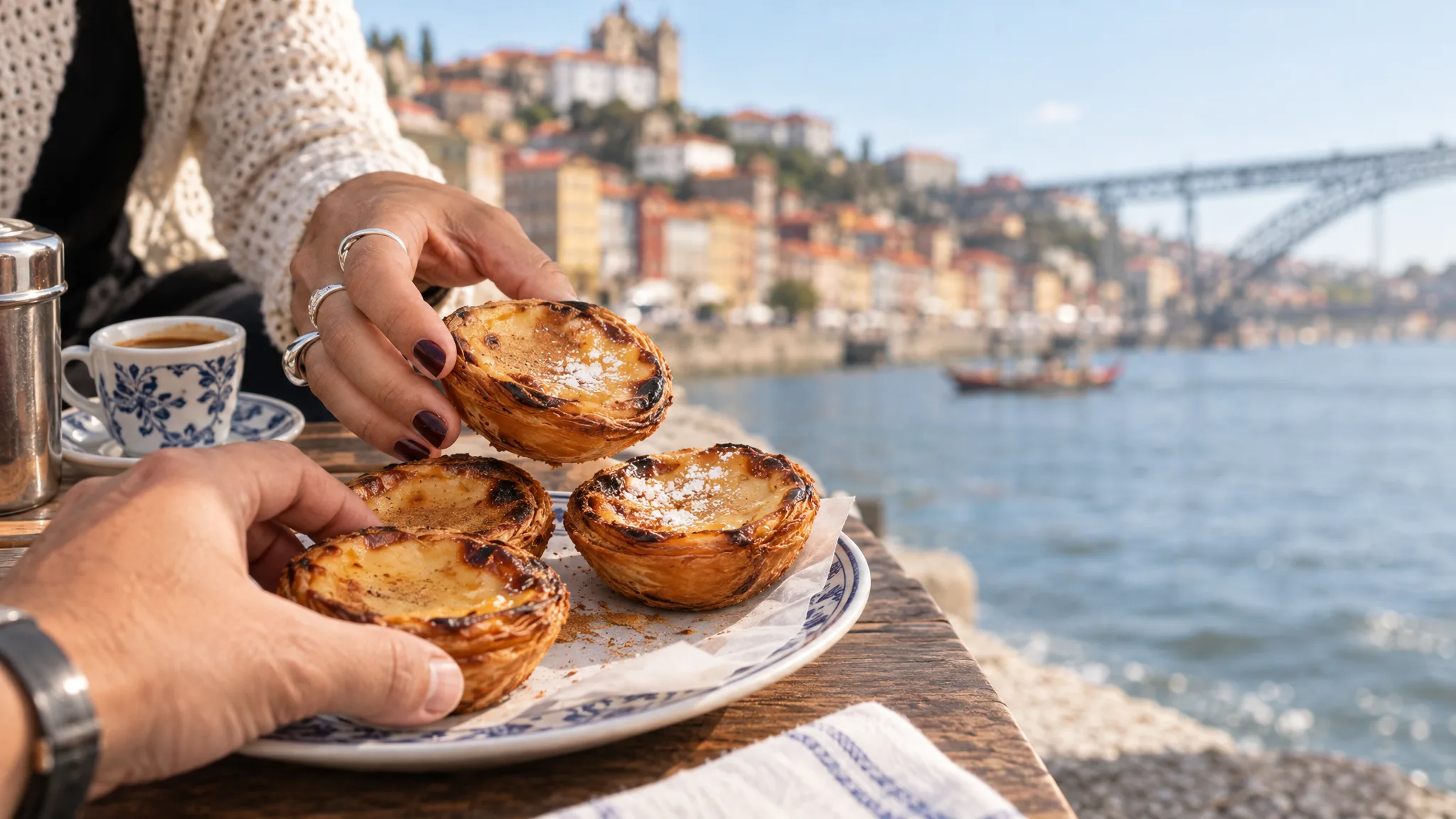
Maybe the tarts are the point.
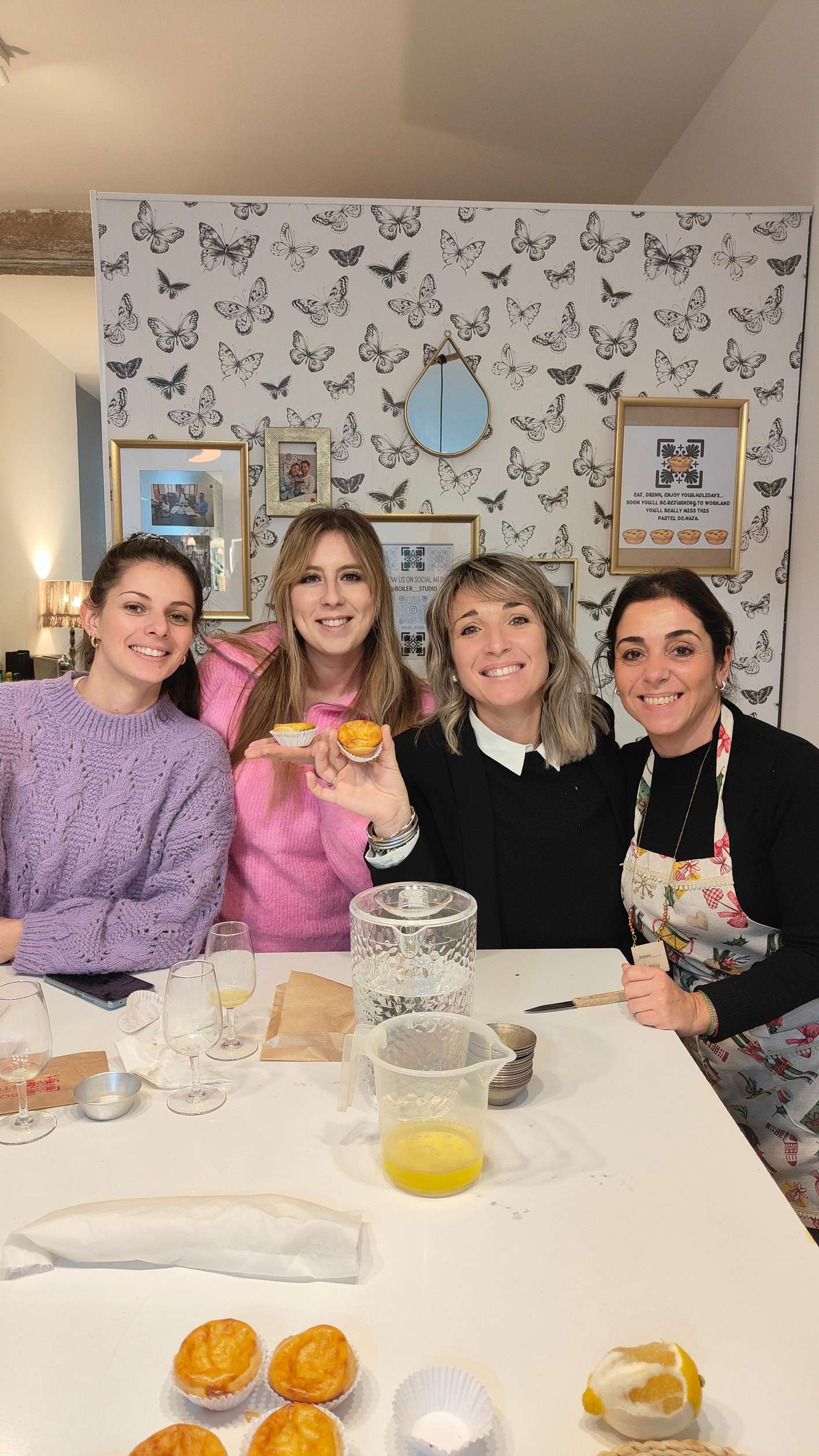
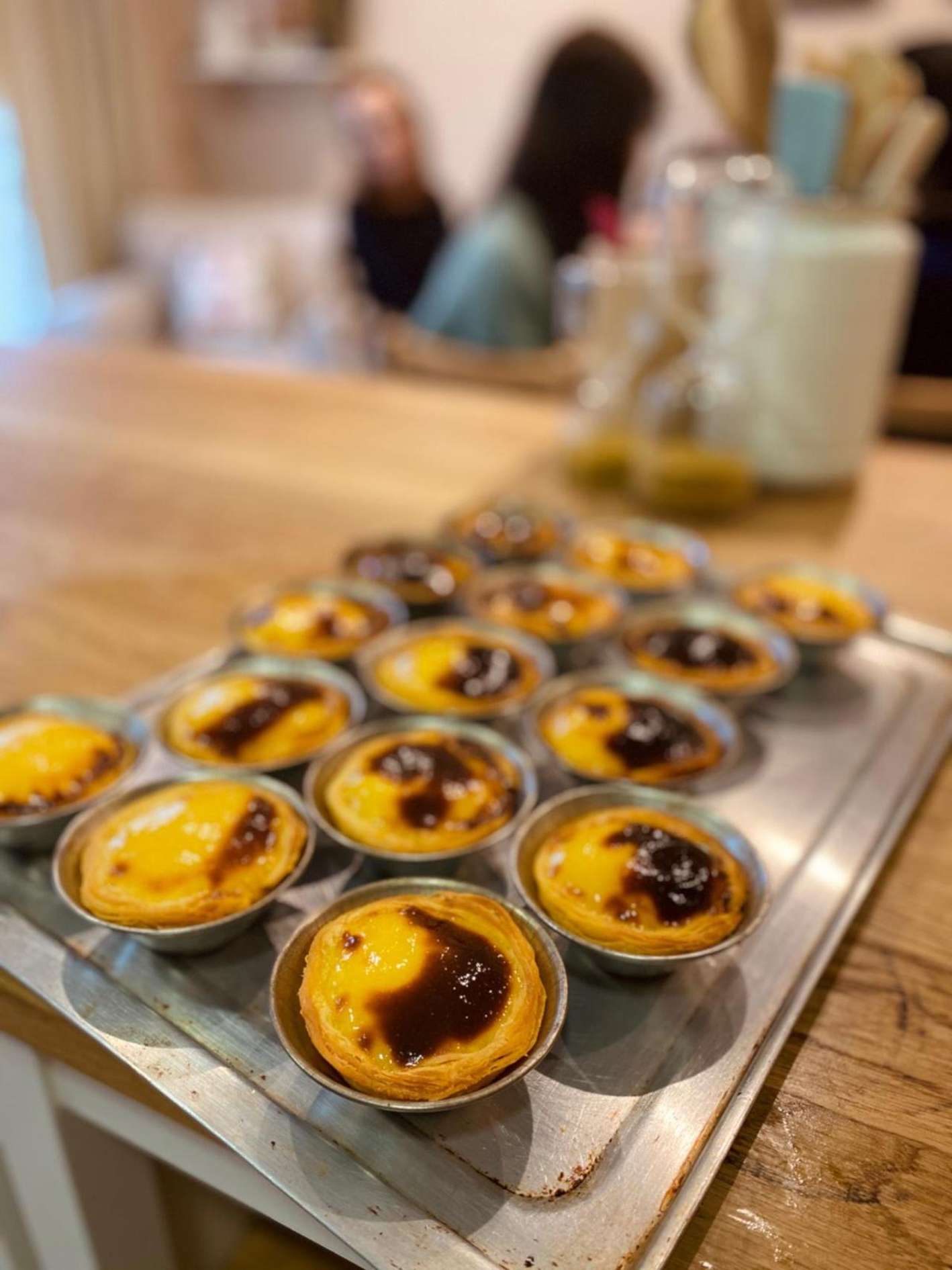
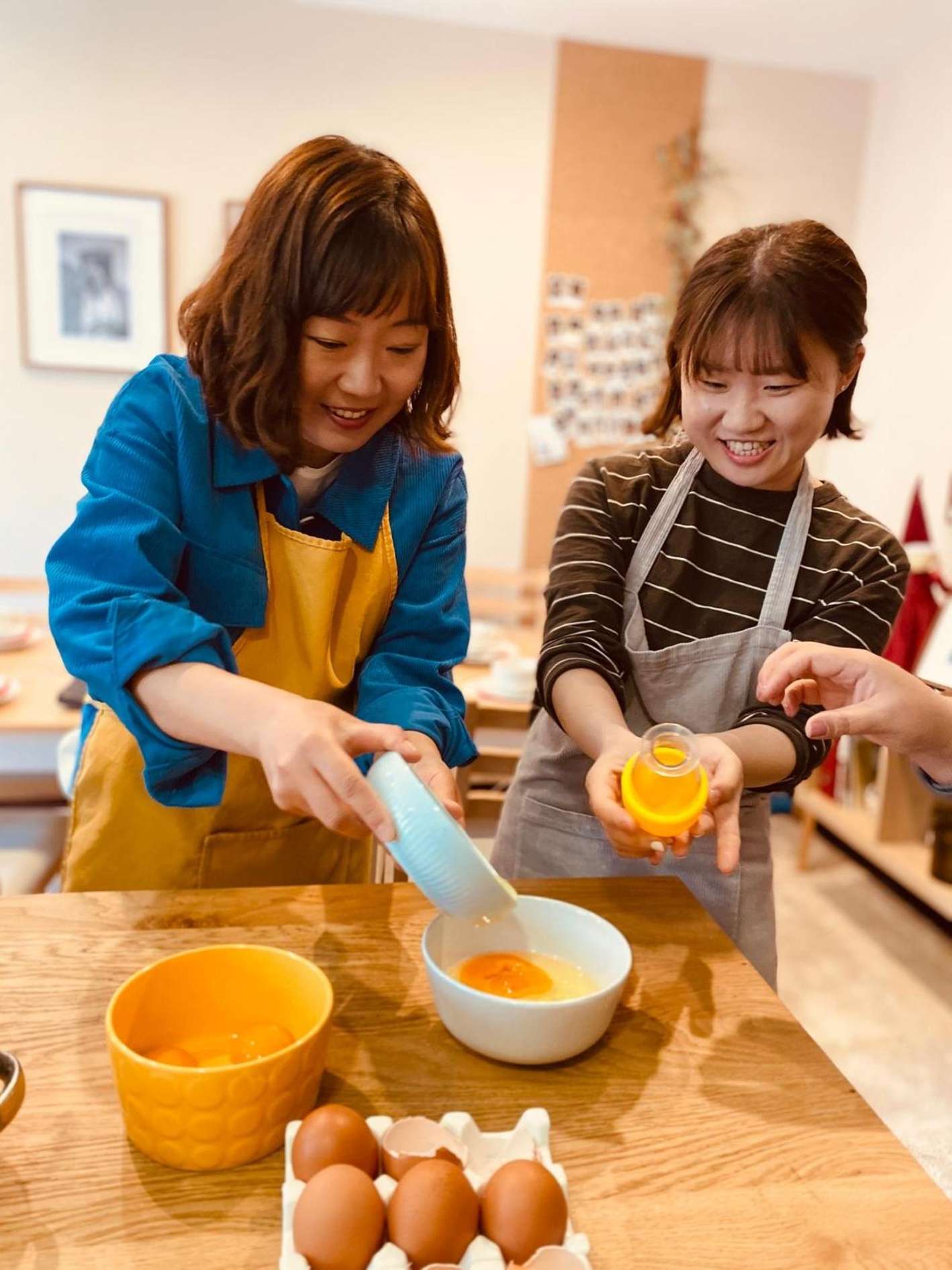
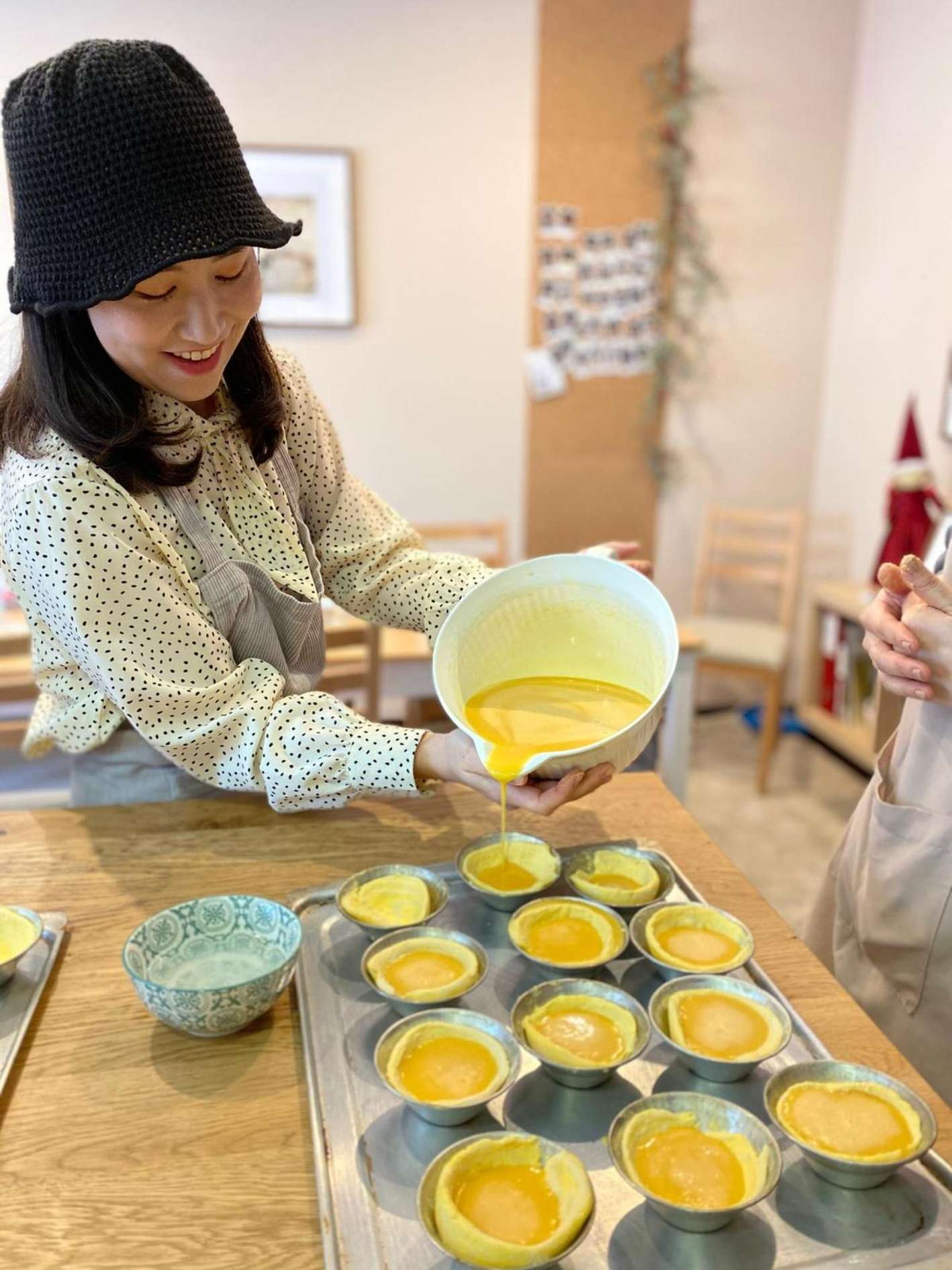
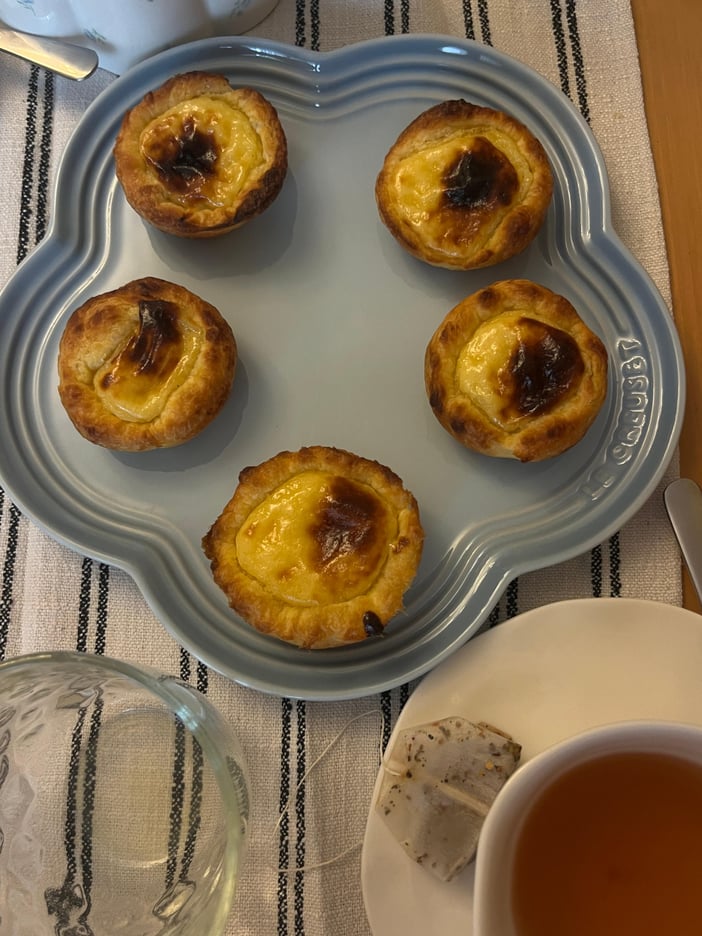
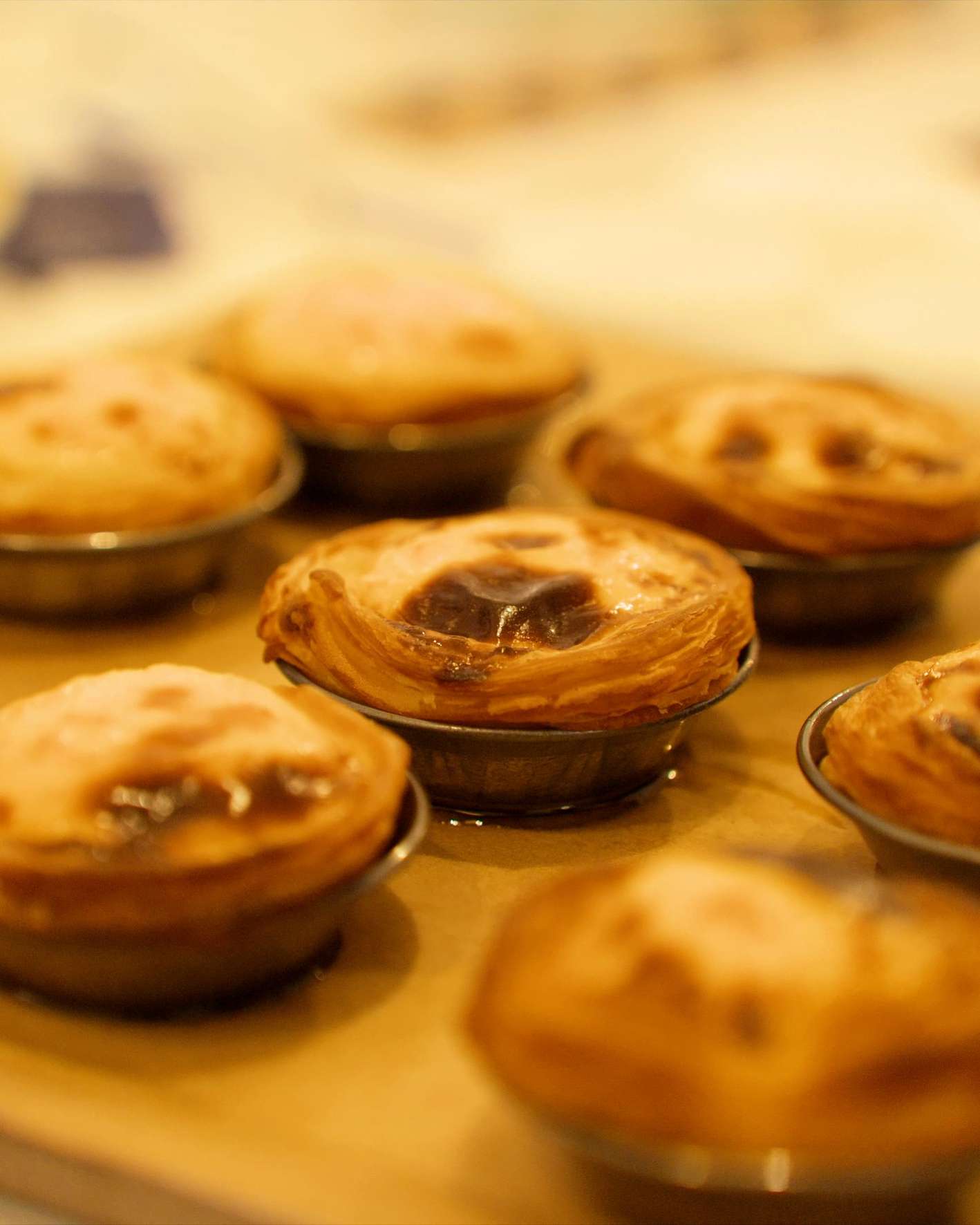
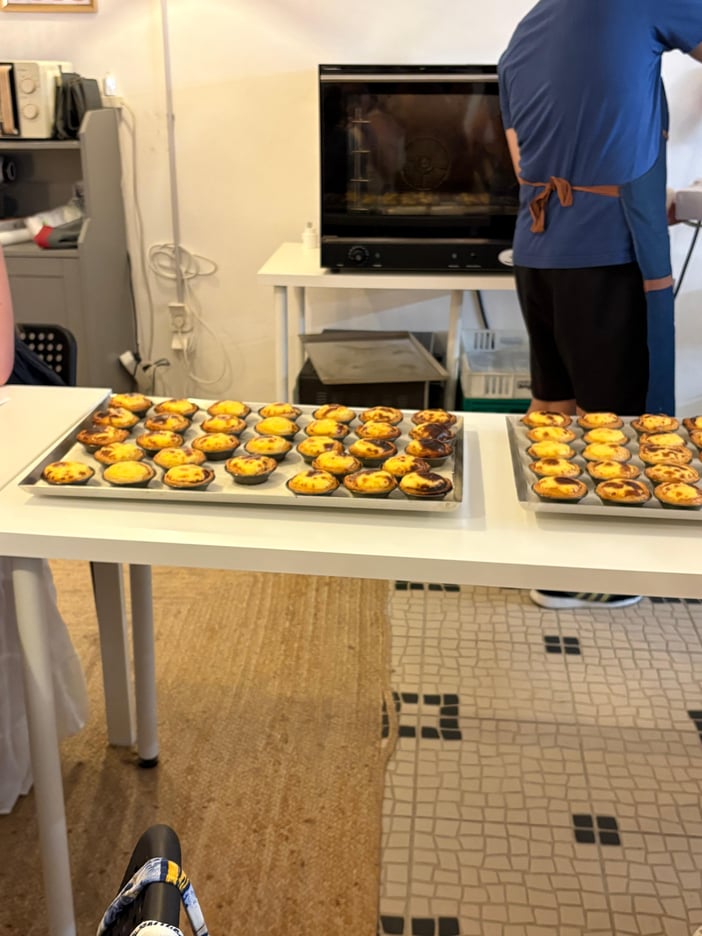
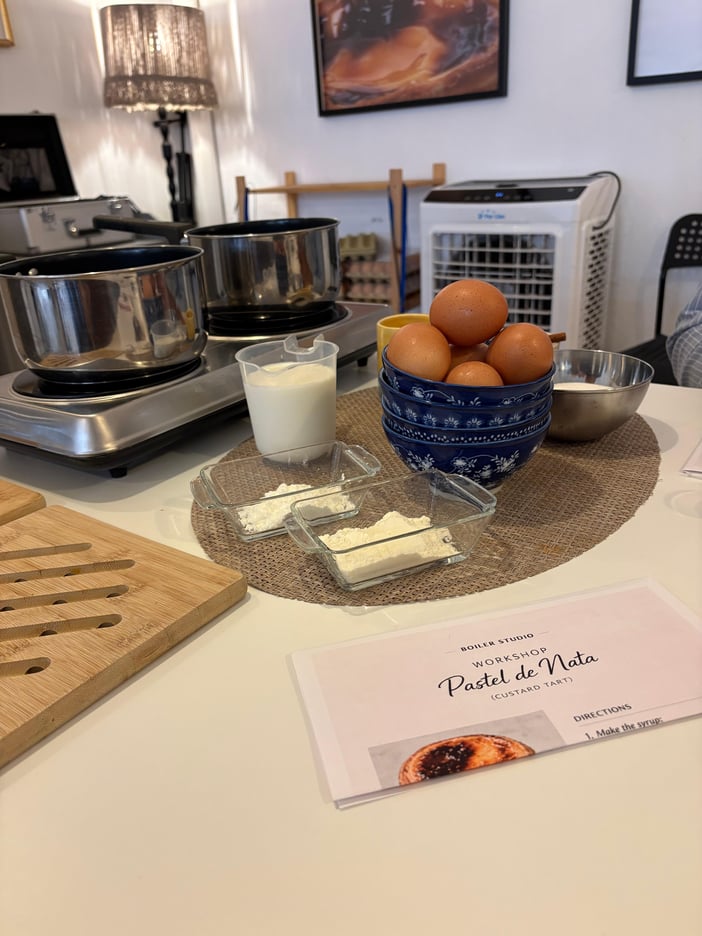
Then a hands-on class beats walking past them, and Porto's coziest option fits neatly around a walk: Porto: Pastel de Nata Cooking Class with Grandma's Recipe, two hours in a local home, baking from a recipe the host's grandmother has kept for years, with non-alcoholic drinks and the pastries included.
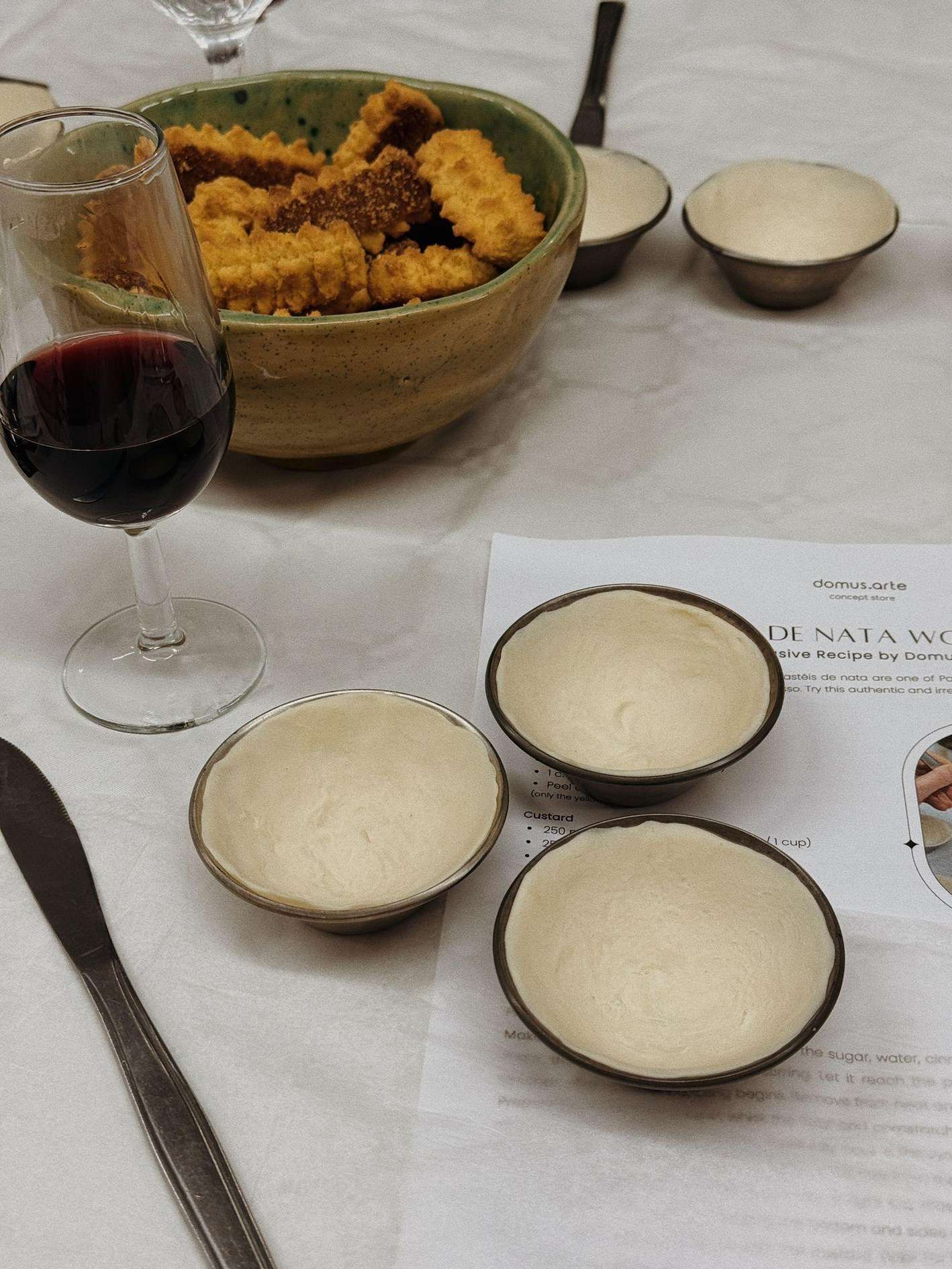
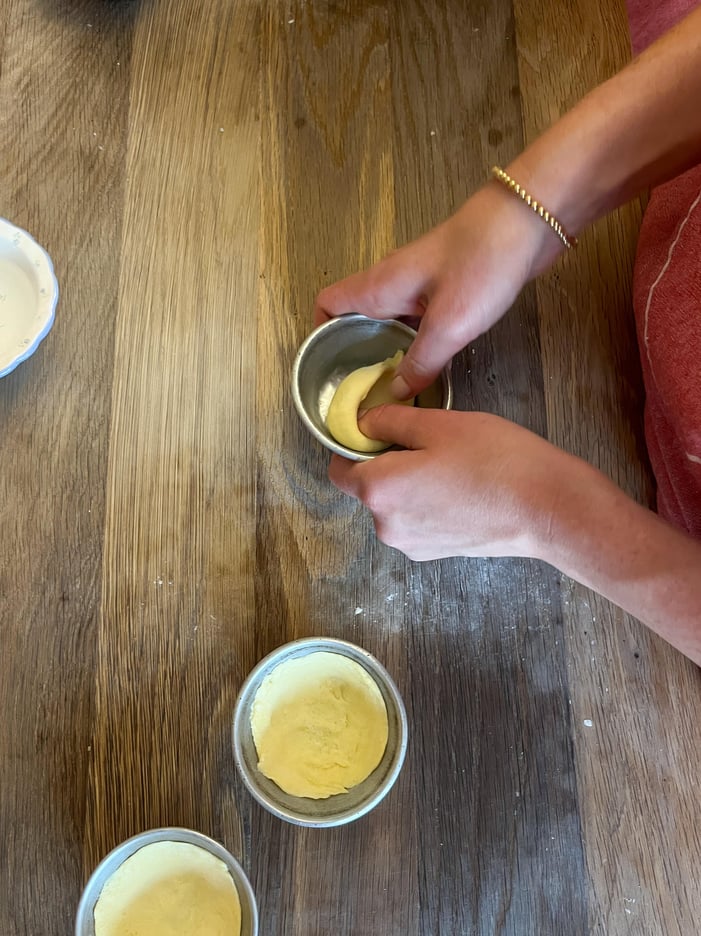
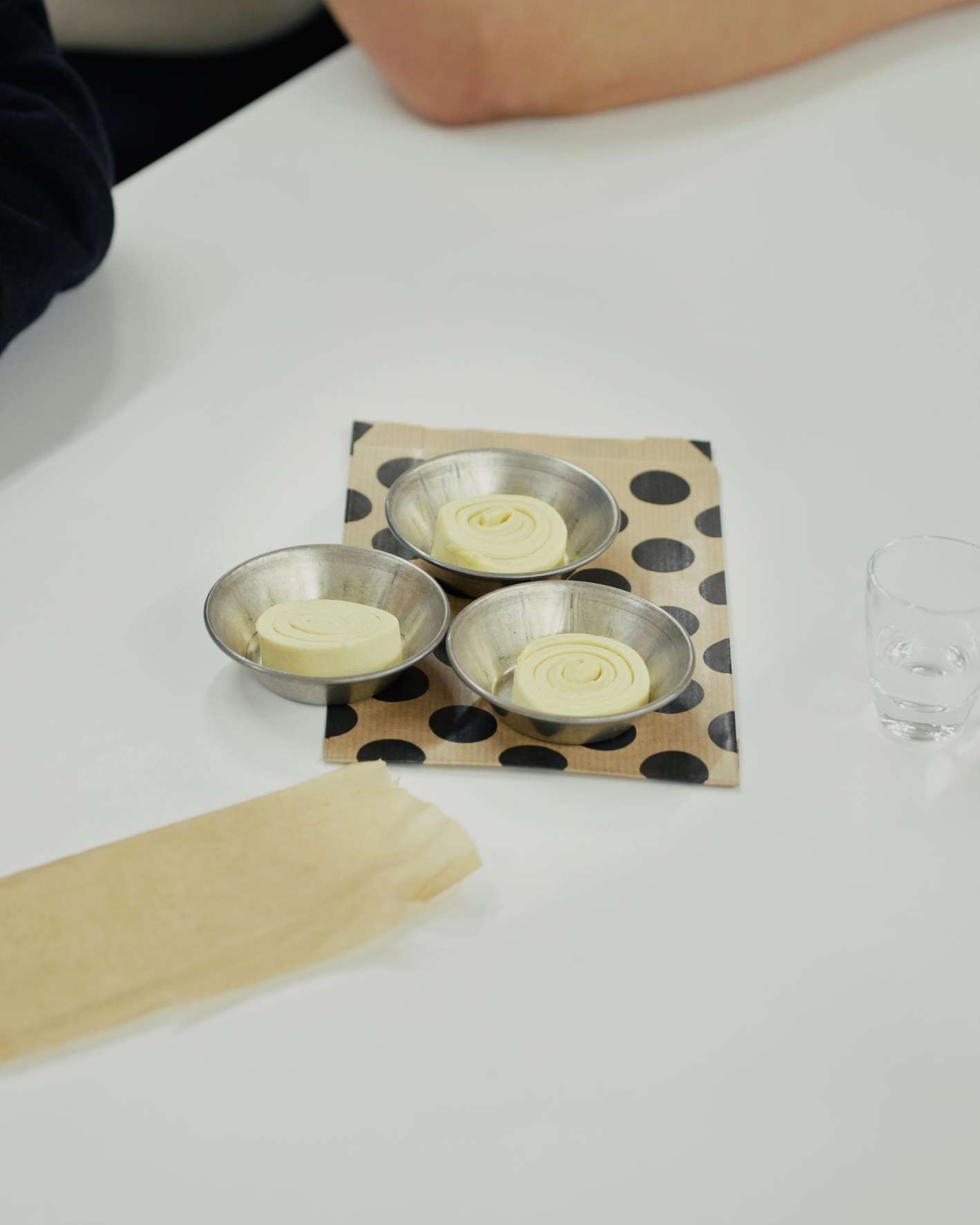
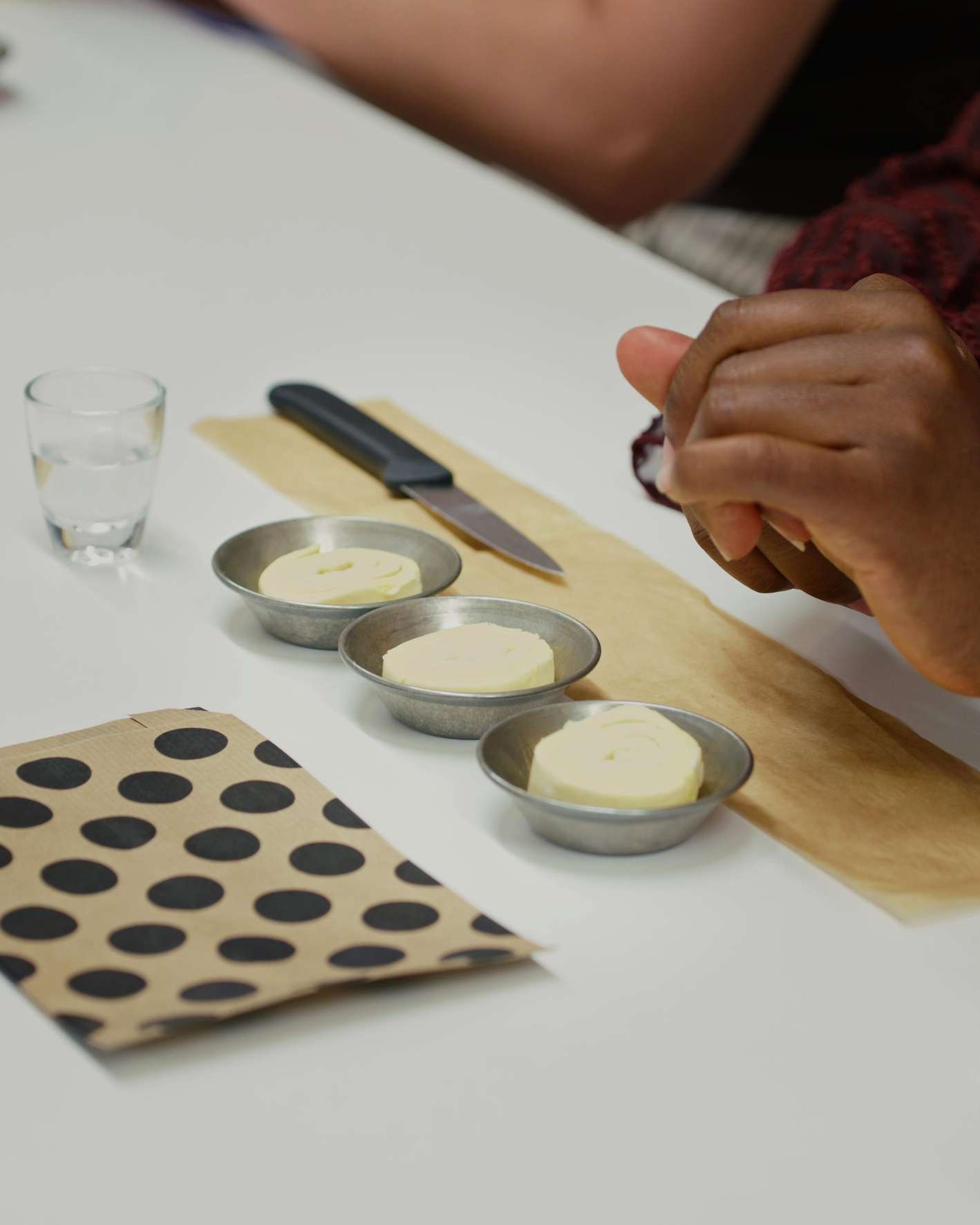
Standard classes run 1.5 to 2 hours apron-on to tasting, and about 2.5 when the laminated dough is made from scratch, since real puff pastry needs more than five hours of folding and resting. Most two-hour workshops start from good pre-made laminated dough to keep the session moving.
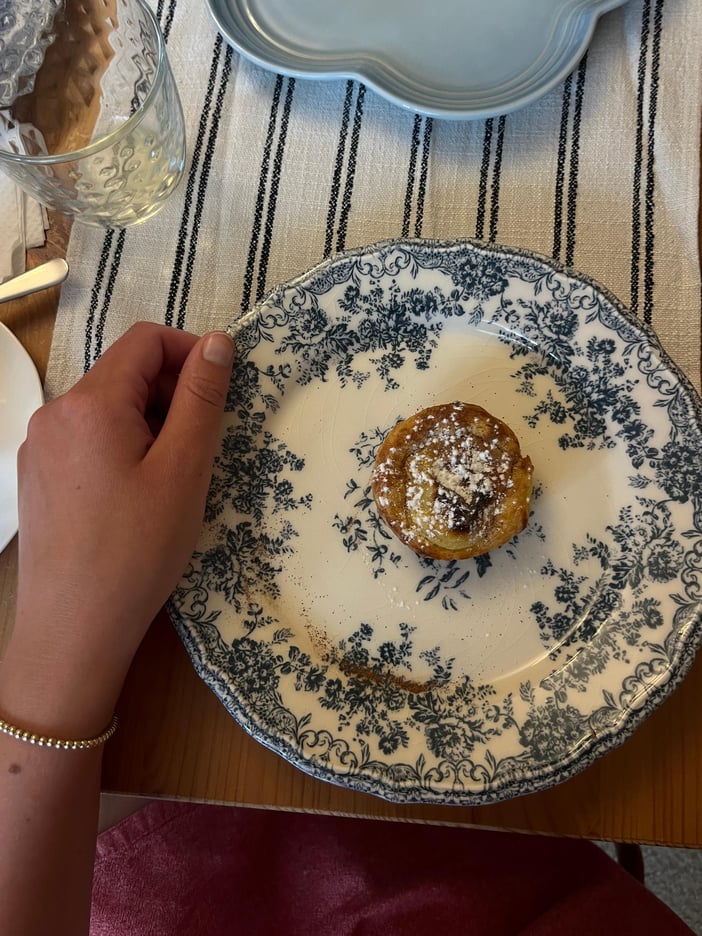
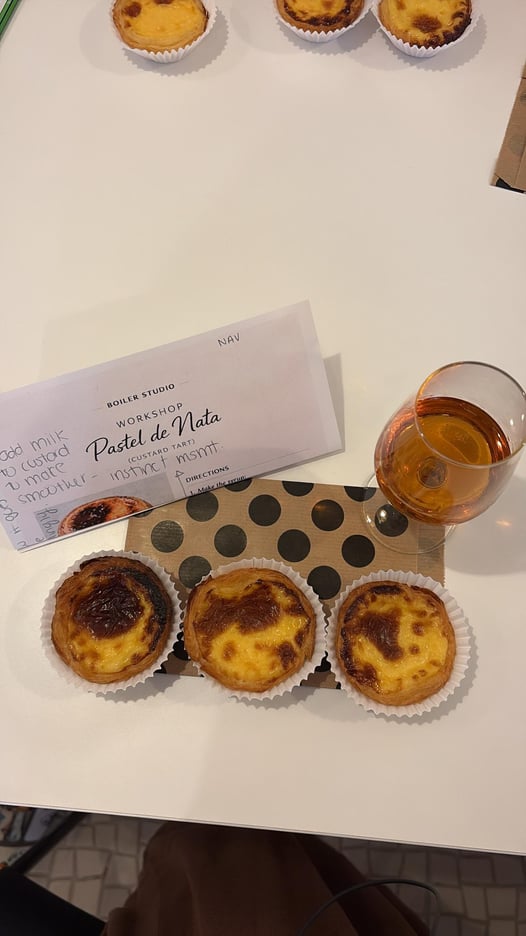
Expect to bake about five tarts each: eat three warm and box two or three for the road. Classes end with a printed or digital recipe card, and some instructors name flour brands you can find back home.
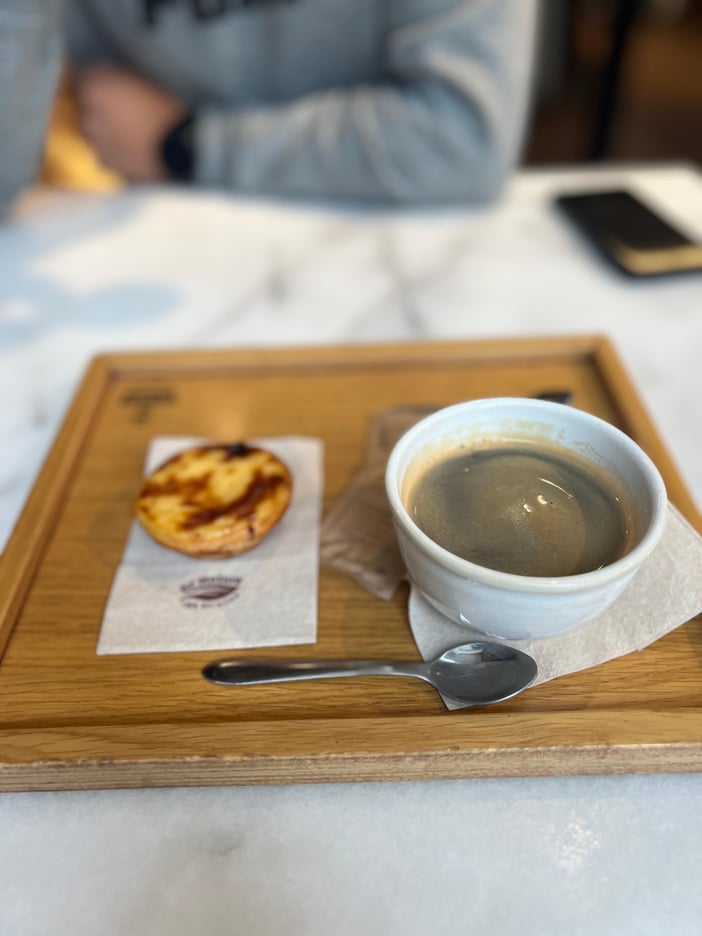
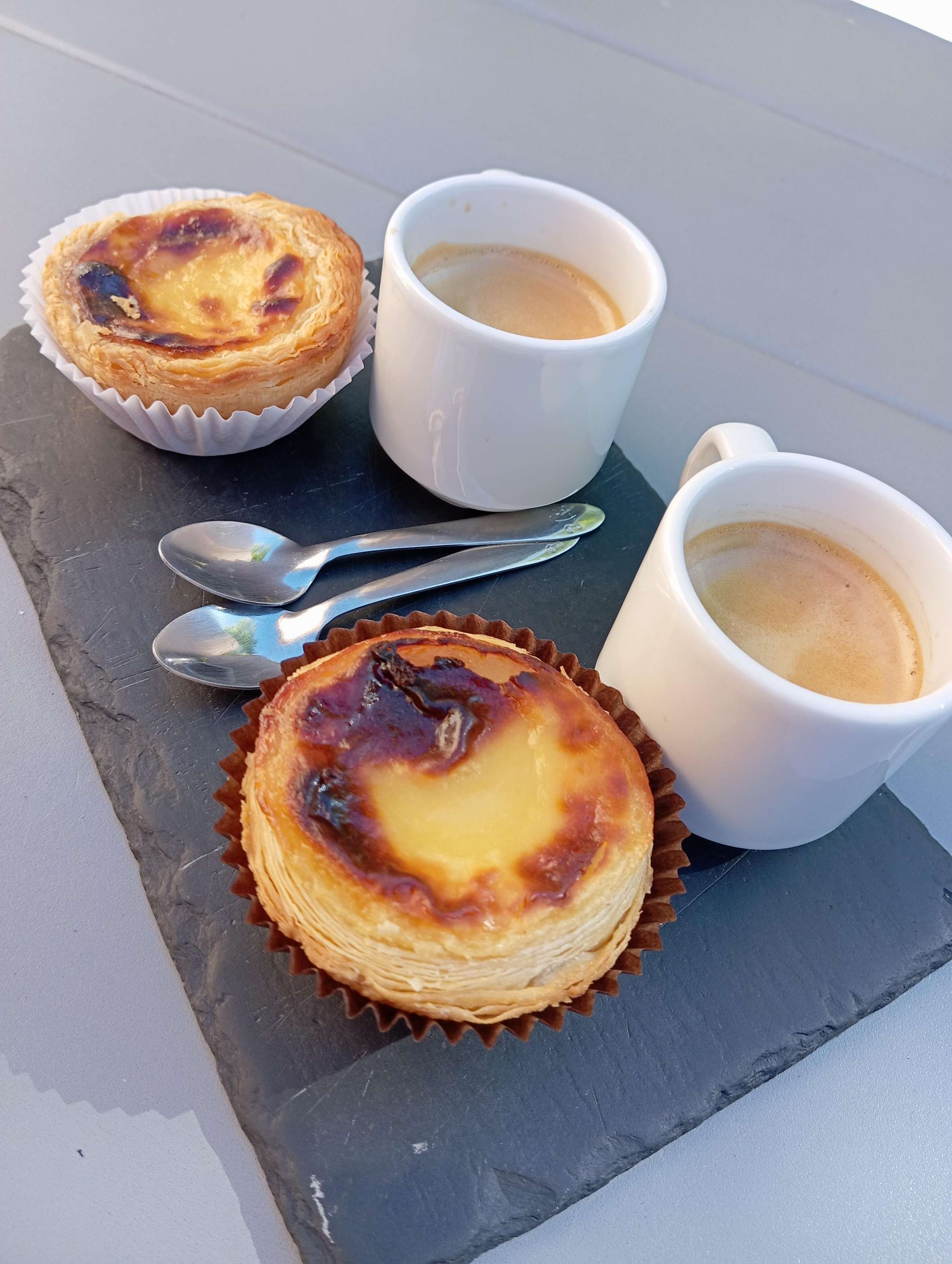
Two notes before you book. Try the first tart plain, then decide on cinnamon; locals pair theirs with an espresso, a cimbalino. And arrive on time: at some workshops the doors close at the start, with no late entry, rescheduling or refund.
Tour for this
Porto: Pastel de Nata Cooking Class with Grandma's Recipe5.0★ (1,938) · 2 hours · Free cancellation
The meeting squares sit where the metro already goes. Aliados has its own station on Line D, the yellow line, and Bolhão sits directly under the market on the central trunk, served by lines A, B, C, E and F from one platform.
Spots near Clérigos sit a short walk from São Bento, also on Line D, with STCP buses hubbing at Aliados, Bolhão and Cordoaria.
From the airport, Line E runs about 25 minutes and beats any car through the narrow center, where traffic crawls. From Campanhã station, the metro to Bolhão takes five minutes.
On foot, the center is walkable with one caveat: the climb from the riverfront up toward Bolhão is steep enough that a cheap Uber or Bolt ride earns its fare. Both run reliably across the city.
Give yourself ten spare minutes. The squares are small and busy, and once the group leaves, latecomers stay behind.
Three kilometres sounds gentle until it is granite. A 3.5-hour walk covers roughly that, and stretches of it climb and drop without pause for ten to fifteen minutes at a time. The stone is old, worn smooth, and slick when damp.
Walking a Porto food tour
3 kmwalking distance
10-15 mincontinuous uphill and downhill
Shoes decide the day. Broken-in sneakers or boots with rubber tread grip the cobbles; smooth leather soles, thin sandals and heels slip on wet stone. Save the sandals for the beach.
Essential footwear and rain gear for Porto walking tours
Rubber-soled sneakers with treadSteep granite cobbles and worn stone steps turn slick when damp, requiring strong rubber traction over smooth soles.
Broken-in walking shoesTasting tours involve 10 to 15 minutes of continuous uphill and downhill walking where unyielding shoes cause blisters.
Hooded waterproof rain jacketGusty Atlantic winds off the Douro make umbrellas hard to manage; a hooded shell keeps you dry in narrow alleys.
Water-resistant ankle bootsSupport your ankles over uneven granite pavements and keep your feet dry through sudden Atlantic showers.
Cushioned arch-support insolesThick soles or cushioned footbeds protect feet from pounding against unforgiving stone pavers across multi-hour tours.
Windproof compact umbrellaHandy for brief drizzles between indoor tasting stops, though a hooded shell remains best in gusty coastal winds.
Rain is the other variable. Gusts off the Douro invert umbrellas in narrow alleys, so a hooded waterproof jacket does the job an umbrella cannot.
One last thing for the pockets: carry some cash. Smaller traditional tascas often prefer cash, and at a standing counter you pay after eating.
Allergies, mobility and kids - who fits on a food tour
Hills are the first honest limit. These walks cross steep cobblestone streets and uneven footpaths, and the operators list them as unsuitable for people with mobility impairments and wheelchair users. For your own exploring, the Guindais Funicular, the Lada Elevator and the Miragaia Mechanised Stairs connect the high and low parts of the city.
Stomachs are the second. Every major Porto operator accommodates vegetarian diets and most dairy-free diets, given notice at booking, and one private route adapts the menu on the spot.
Strict celiac travelers should think twice about tasca kitchens: small kitchens struggle with cross-contact at rush hours, restaurants are not required to prepare a gluten-free meal, and the francesinha is built on thick white bread, though grilled sardines and bacalhau dishes are naturally gluten-free.
Kids do well. Children are usually welcome, those under 10 get a discounted price on the walking tour, and picky eaters can try small bites without committing to a full plate. By law, no one under 18 can be served alcohol in Portugal, and nobody has to drink to join.
If plans change - rain, delays and food tour cancellations
The safety net is simple. Every tour here can be cancelled up to 24 hours in advance for a full refund, so a flight delay the day before costs you nothing.
Weather changes less than you fear. Walks run rain or shine, and every tasting stop sits indoors, in tascas, restaurants, markets and eateries, so an Atlantic downpour just moves the day between tables.
What happens if
If this happens
What happens then
You cancel more than 24 hours ahead
Full refund
Rain arrives mid-tour
The walk continues; every tasting stop is indoors
You arrive after the walk has left
You cannot join, and no refund is due
The one hard rule is the clock. Once the group leaves the meeting square, latecomers cannot catch up and lose the booking, which is why the ten-minute buffer before departure matters more than anything else you pack.
Central walks finish in the heart of the city or at an overlook above the Douro, and both drop you somewhere worth lingering.
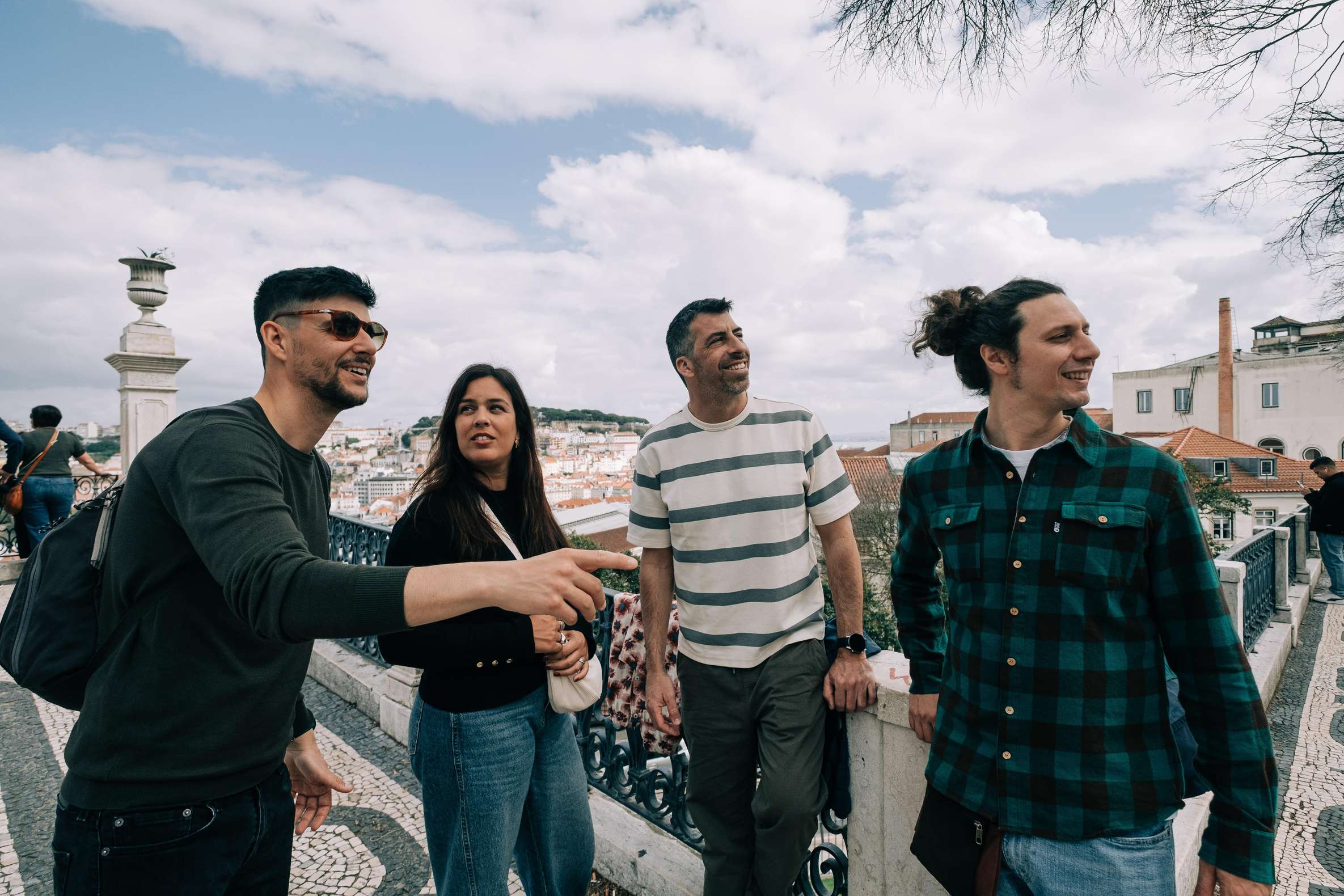
Within a five- to ten-minute walk of the Baixa finish points sit the Clérigos Tower viewpoint, the Átrio da Estação de São Bento with its blue-and-white tile murals of northern farm life, and the Portuguese Centre of Photography.
Sights and viewpoints near central Porto tour stops
Save one stop most visitors miss: a traditional sardine canning factory such as Conservas Pinhais, where the line still runs largely by hand. It fills up in high season, so ask early in your stay.
For the evening, cross to Gaia and reserve a terrace table at Barão Fladgate inside Taylor's port lodge; the view back across the river toward Porto at dusk is the send-off the day deserves. If you would rather stay on the Porto side, wine bars near the finish points pour Douro wines by the glass.
A guided walk is worth a whole meal in Porto, and Porto is worth the walk over Lisbon. Book it for your first afternoon, show up hungry, and let the guide's tips steer the rest of your stay.
The hills and the clock are the only real tests. Wear rubber-tread shoes, arrive ten minutes early, and the day takes care of itself.
Go ifYou want a full meal plus the stories behind tripe, bifana and PortIt is your first day and you want orientation for the rest of the tripYou travel with kids or picky eaters who prefer small bites
Skip ifYou use a wheelchair or find steep cobblestone hills difficultYou need strict celiac safety that small tasca kitchens cannot promiseYou would rather bake the tarts than walk between taverns
Our pick to book
CHAChapel of Souls
MERMercado do Bolhão
Length3.5 hours
At Mercado do Bolhão1 h
Rating4.9★
Eat Porto Like a Local: The Ultimate Full-Meal Food Tour$80/personCheck availability →Free cancellation
Porto food tour questions and answers
tour tastings vary with the season and time of day
Quick answers to what travelers ask before booking a Porto food tour, from portion sizes to hills and kids.
Porto2026
The tasting that stays with you is a warm pastel de nata eaten standing at the counter. Skip the big breakfast that morning, and book your food tour for day one.
Will a food tour in Porto fill me up, or should I plan lunch after?
Plan to skip the meal. The tastings across four or more stops are generous, and people who go regularly say they finish completely full. Most food walks in Porto replace a full lunch or dinner instead of serving small snack samples.
Should I eat breakfast before a Porto food tasting tour?
Keep it light. Coffee and a small pastry is enough, because the tastings add up fast across the stops. If you eat a full breakfast first, you will struggle to enjoy the later plates.
How much walking does a 3.5-hour Porto food tour involve?
Expect about 3 kilometers, with stretches of uphill and downhill walking. One operator notes there may be 10 to 15 minutes of continuous climbing on steep cobblestone streets. Wear sneakers or walking shoes with rubber tread.
Is a food tour in Porto suitable for wheelchair users?
The walking tours on this page are not suitable for people with mobility impairments, since the historic center mixes steep slopes, stairs and uneven cobbles. A cooking class is a good alternative if you want Porto's food without the hills.
Can dietary restrictions be accommodated on a Porto food tour?
Tell the operator at booking. Every major Porto food tour operator accommodates vegetarian diets, and most dairy-free diets too, if notified in advance. The private tour adapts its menu for vegetarians at the start.
Are kids and picky eaters welcome on a Porto food tour?
Usually yes. Children below the age of 10 have a discounted price on the full-meal walking tour, and small bites let selective eaters try dishes without committing to a full plate. Bolhão Market's food hall suits picky eaters, since stalls sell individual items.
Do Porto food tours include Francesinha and Port wine?
Port wine appears on guided food tours in Porto as a standard tasting. Francesinha shows up on some itineraries, though certain tours serve it only on their extended four-hour options. Check the tastings listed for the tour you pick.
Is an afternoon or evening food tour better in Porto?
Afternoon wins for tasca atmosphere. Traditional tascas center on weekday lunchtime, when locals gather for the daily specials that often sell out by mid-afternoon, and several authentic spots never open for dinner. Evening routes lean more social, with shared petiscos across taverns and wine bars.
How do I know a Porto food tour uses real tascas?
Look for venues in residential neighborhoods like Cedofeita or Bonfim, away from the Ribeira waterfront. Real tascas have 8 to 20 seats, handwritten menus or chalkboards, daily specials called prato do dia, and locals at the counter.
How large are groups on guided food walks in Porto?
Most Porto food tour operators cap groups at 10 to 15 people, and some run with 8 to 12. Tascas themselves are compact family-run taverns, so large parties simply cannot fit inside.
Should I do a food tour in Porto or Lisbon?
Porto has the stronger regional character for a guided food walk, with hearty northern dishes and Port at the center. Lisbon offers a bigger cooking-class selection. One comprehensive walk is enough for a vacation, so there is no need to book one in both cities.
What happens if it rains on a Porto food tour?
Tours run regardless of the weather, and the tasting stops at tascas, markets and eateries sit indoors. Bring a hooded waterproof jacket, since gusts off the Douro tend to invert umbrellas in the narrow alleys.
Keep exploring the food of Porto, one step further