Porto Street Food Tour - Local Snacks and Tastings
Skip the tourist menus and eat where Porto actually does. A guided street food walk through old tascas and counters, with bifanas, petiscos and pastel de nata across four or more stops, enough to replace a full meal. Arrive hungry and book your walk.
Choosing a Porto street food tour - the quick start
bring a hooded jacket, umbrellas die in the alleys
Two ways to eat your way through Porto on foot: a small-group walk that builds a full meal across four or more stops, or a private walk with ten tastings you pace yourself. Both end with a warm pastel de nata. The choice is mostly about company and control.
FootwearWear broken-in sneakers or rubber-soled shoes; routes cross steep, wet granite cobbles and worn stairs, where thin soles and heels slip.
AppetiteArrive hungry, since the generous tastings across stops will leave you completely full; keep any pre-tour breakfast to coffee and a small pastry.
Dietary needsTell the guide about allergies or restrictions when booking or at the start; the private walk adapts its menu, and traditional tascas cannot be assumed safe for strict coeliac needs.
MobilityPlan for 10 to 15 minutes of continuous uphill and downhill walking; neither of these walks suits people with mobility impairments or wheelchair users.
WeatherTours run rain or shine, and every tasting stop is indoors; a hooded waterproof jacket beats an umbrella on windy alleys.
Closing daysSome traditional tascas close Sundays and others Mondays, and Bolhão market stalls shut on Sundays and public holidays, so a market stop can change the route.
Drinking ageThe legal minimum for alcoholic drinks in Portugal is 18, and under-18s are not served them.
ChildrenKids are usually welcome and children under 10 get a discounted price on the full-meal walk.
CancellationsCancel up to 24 hours in advance for a full refund.
SeasonTastings can vary with what is in season and the time of day.
accessPorto street food tours are not suitable for wheelchair users or people with mobility impairments, because routes include steep cobblestone hills, stairs and narrow paths in the historic center.
Pick an experience that keeps you at one table instead, such as a cooking class or a seated tasting, and enjoy the neighborhood streets on flatter riverside walks on your own.
Street food tours in Porto, compared
arrive hungry, tastings fill you up
Most popular
3.5 hours·English
4.9(184)
Eat Porto Like a Local: The Ultimate Full-Meal Food Tour
A 4.9 rating from 184 reviews and a full meal with drinks across 4+ stops in 3.5 hours, all in a small group.
Free cancellationEnglish-speaking local guideTaste local Port wine
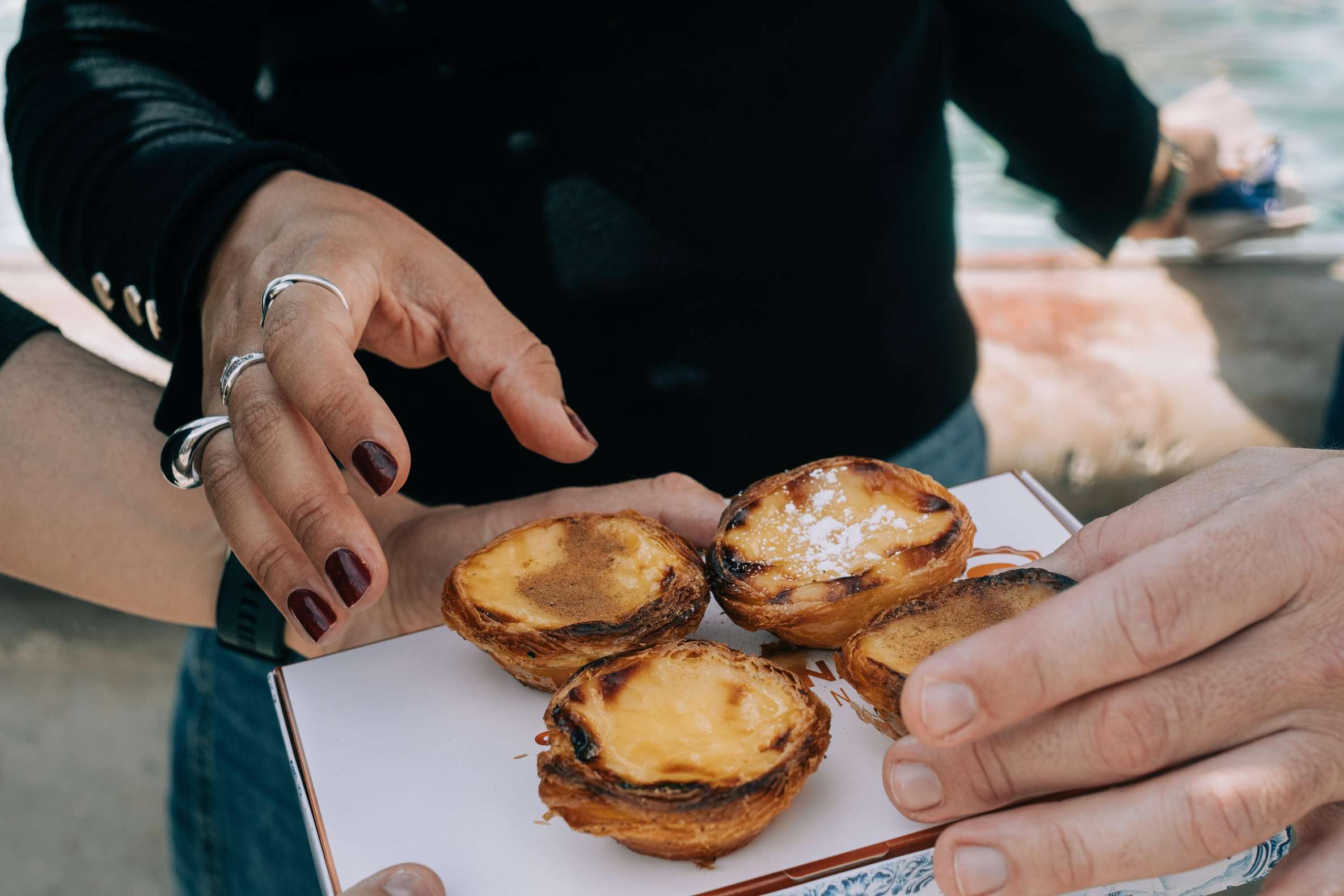
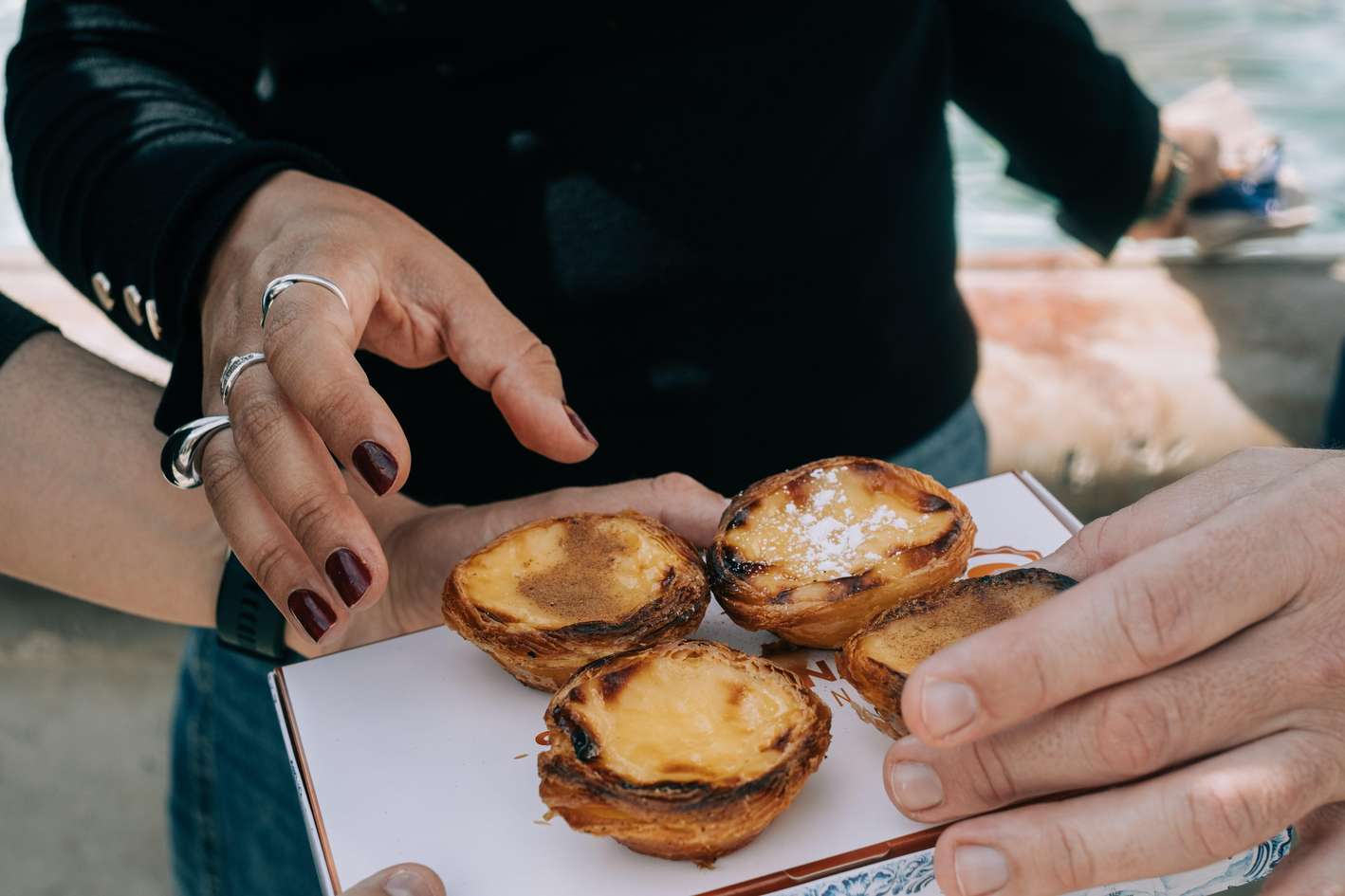
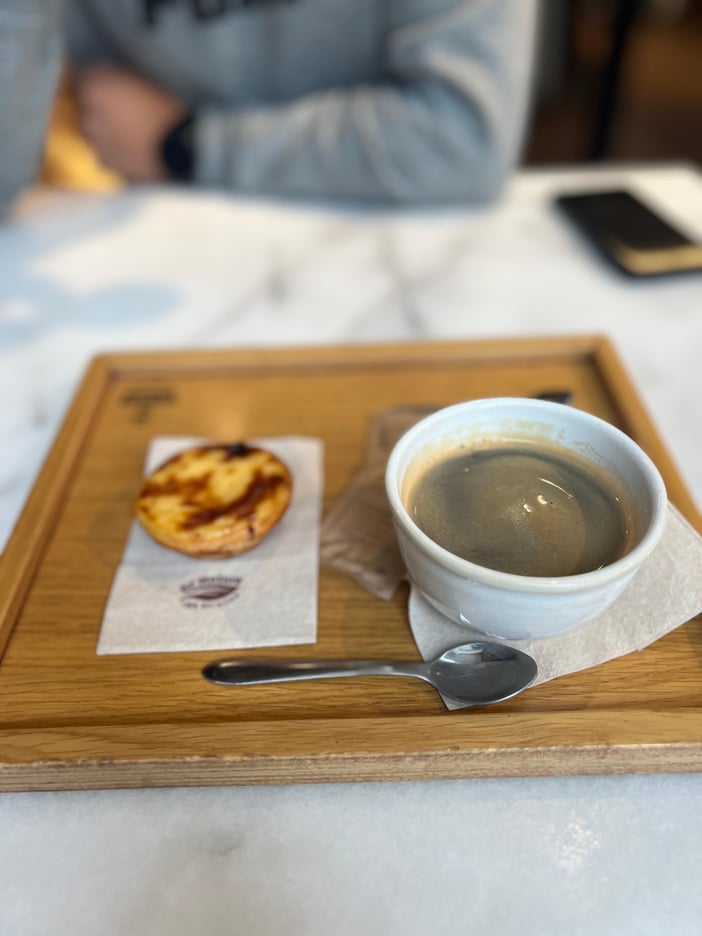
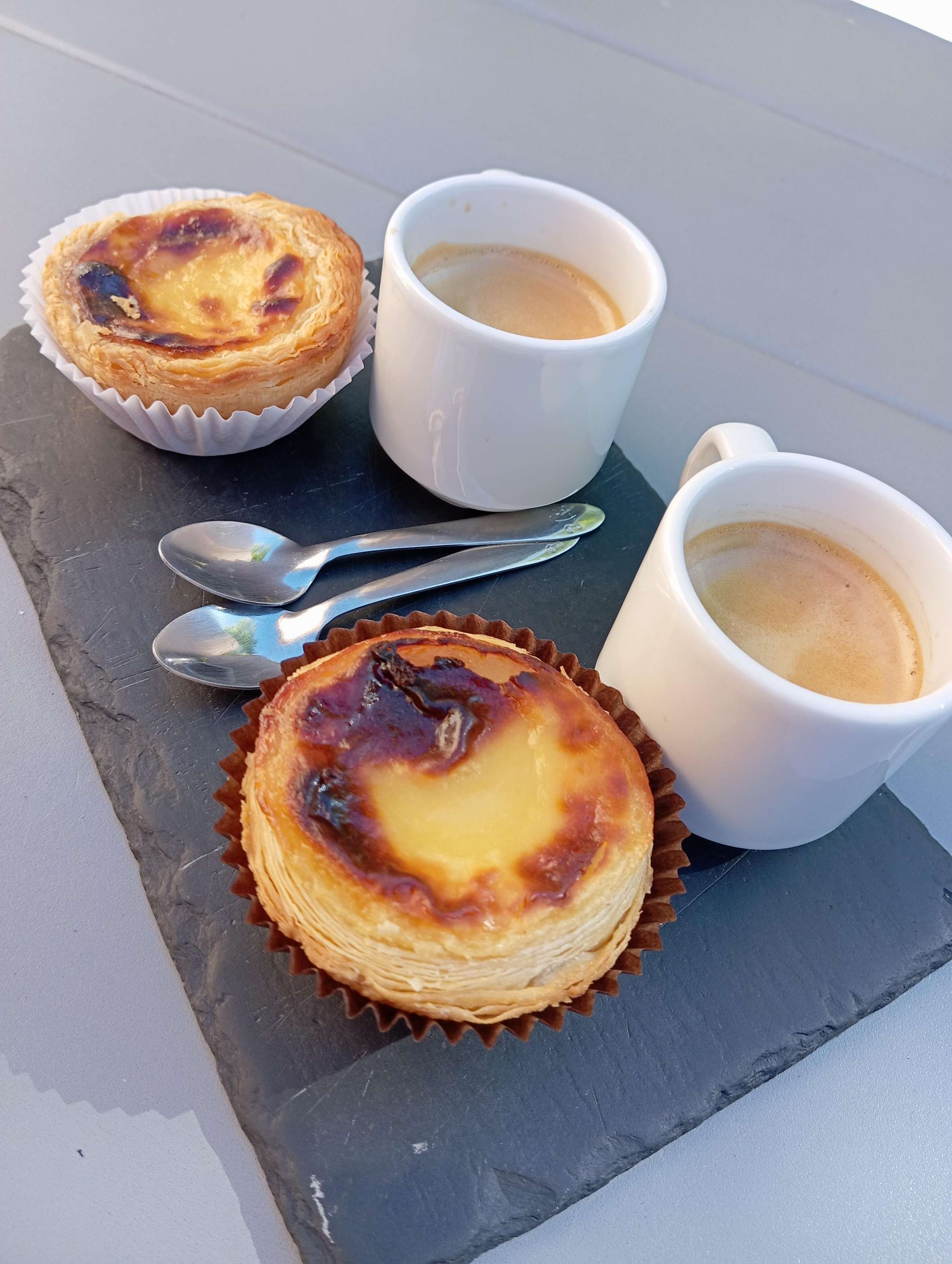
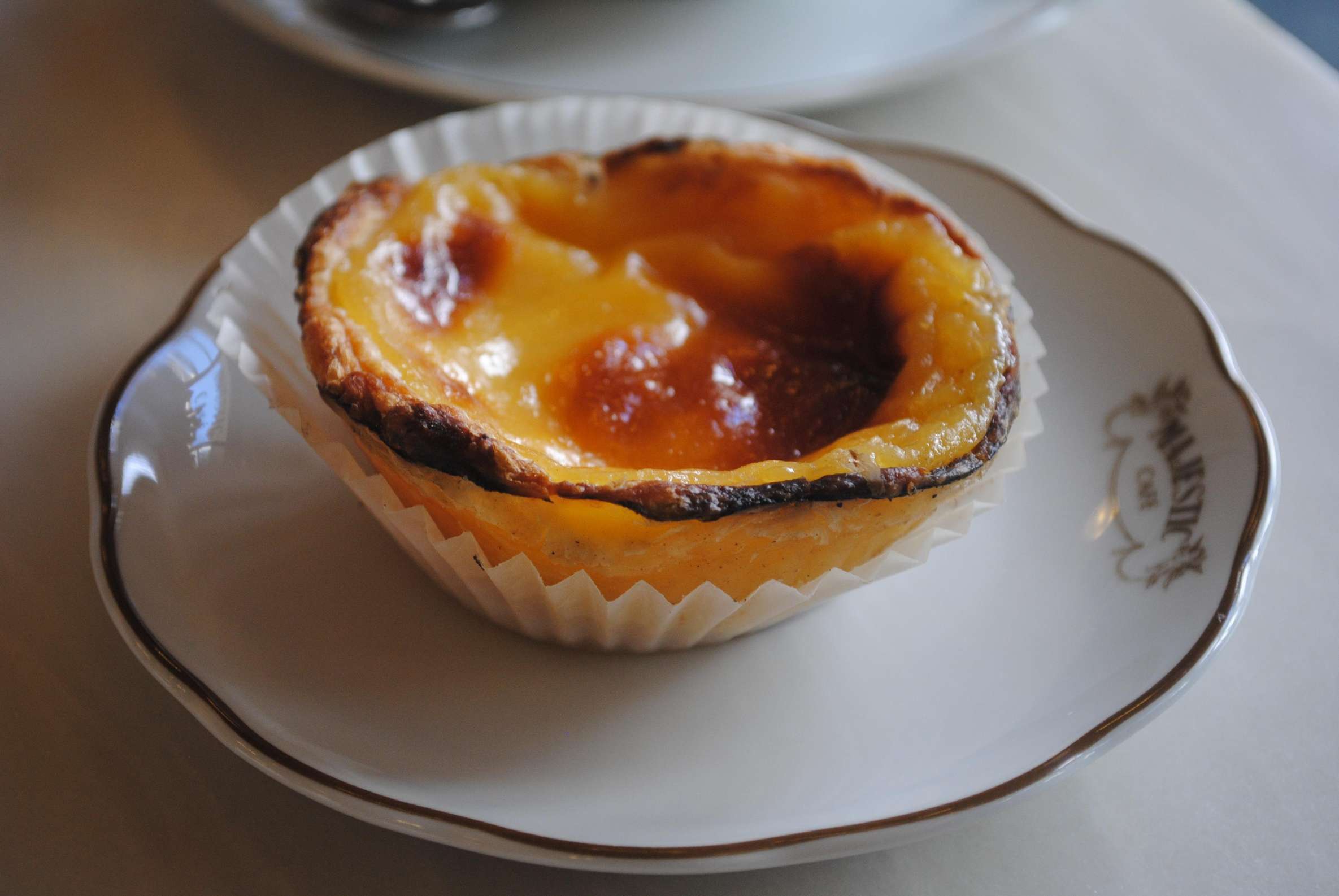
First stop is a warm pastel de nata at the bakery counter, eaten with an espresso the way Porto does it.
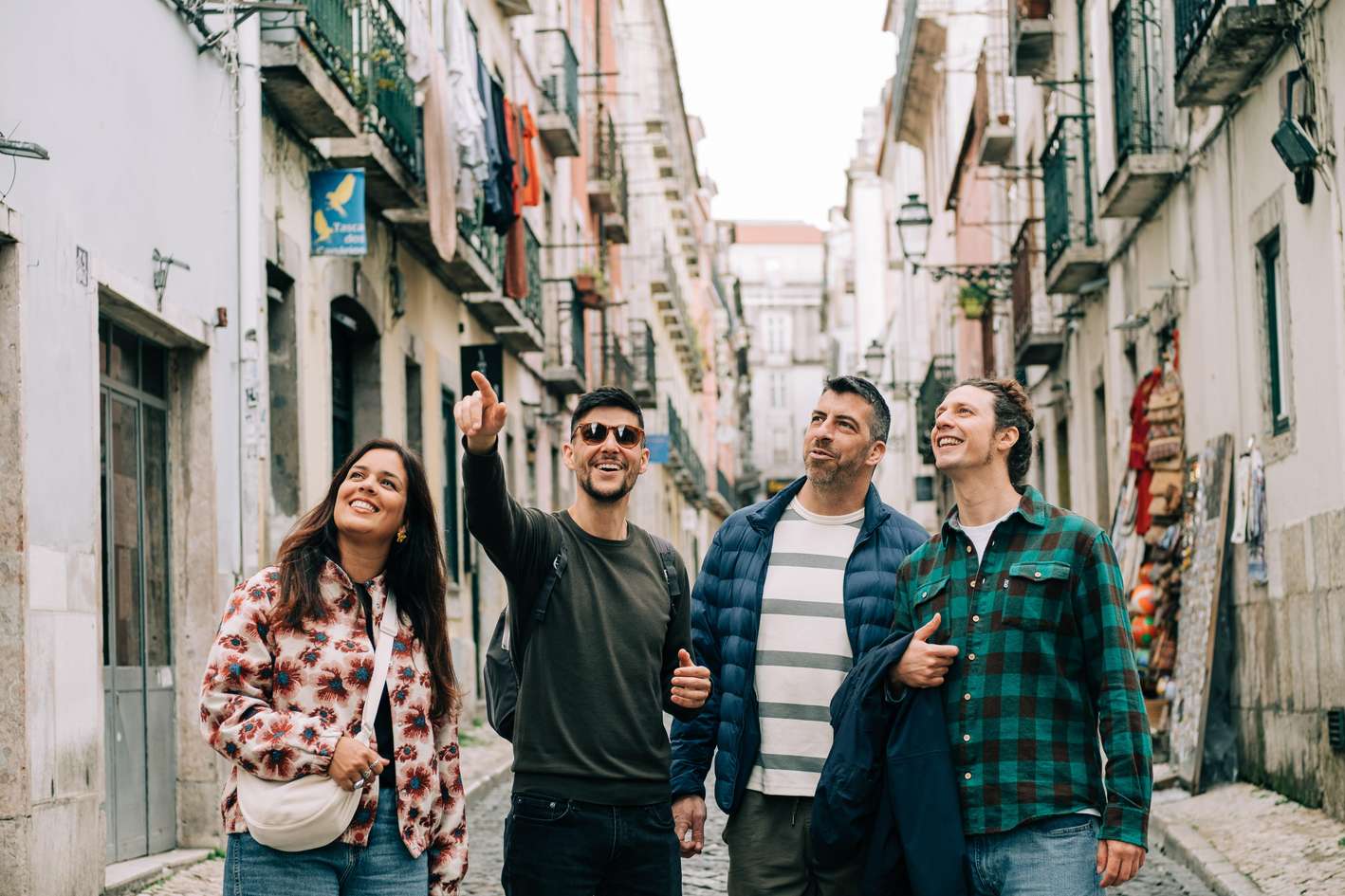
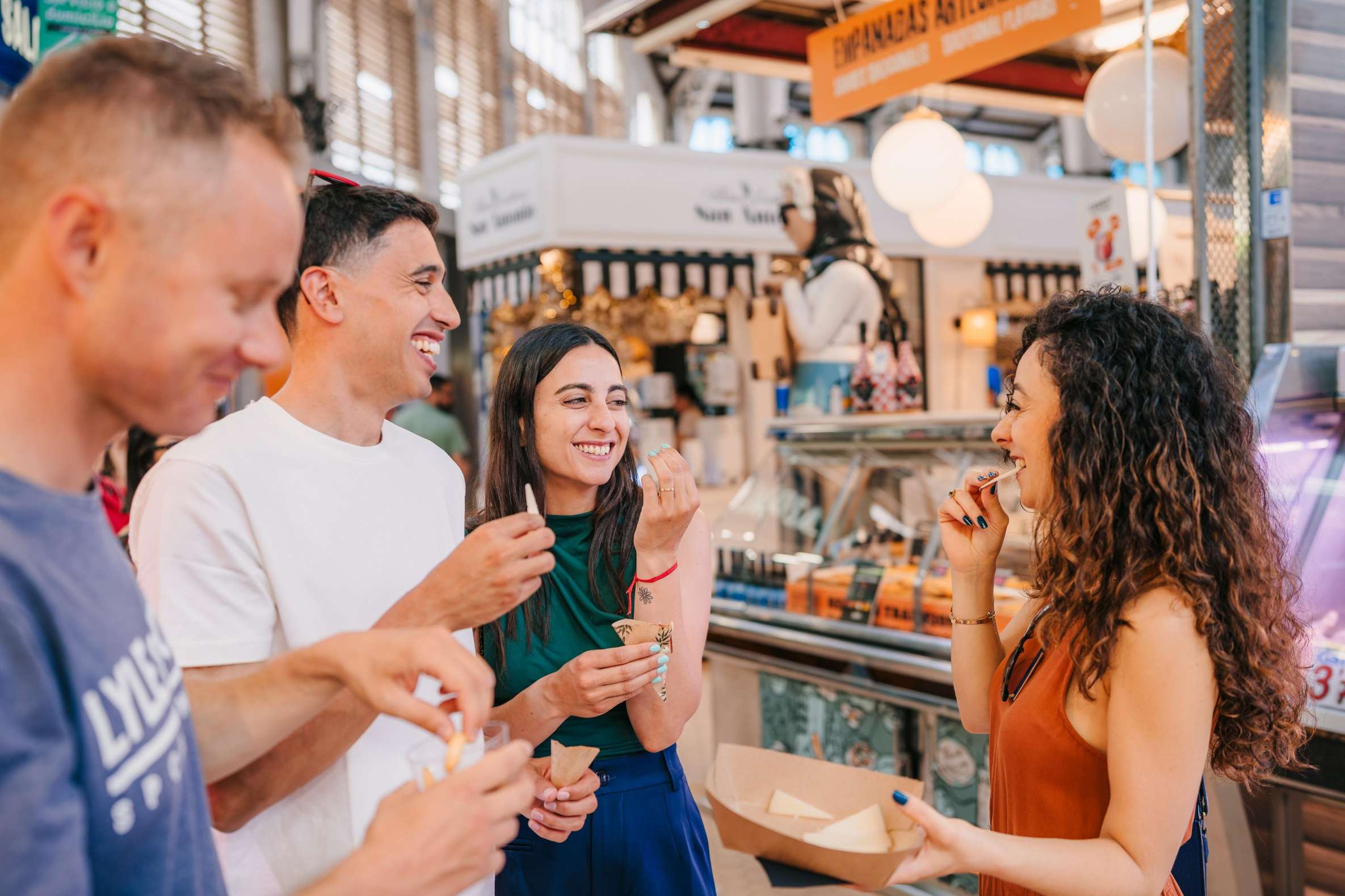
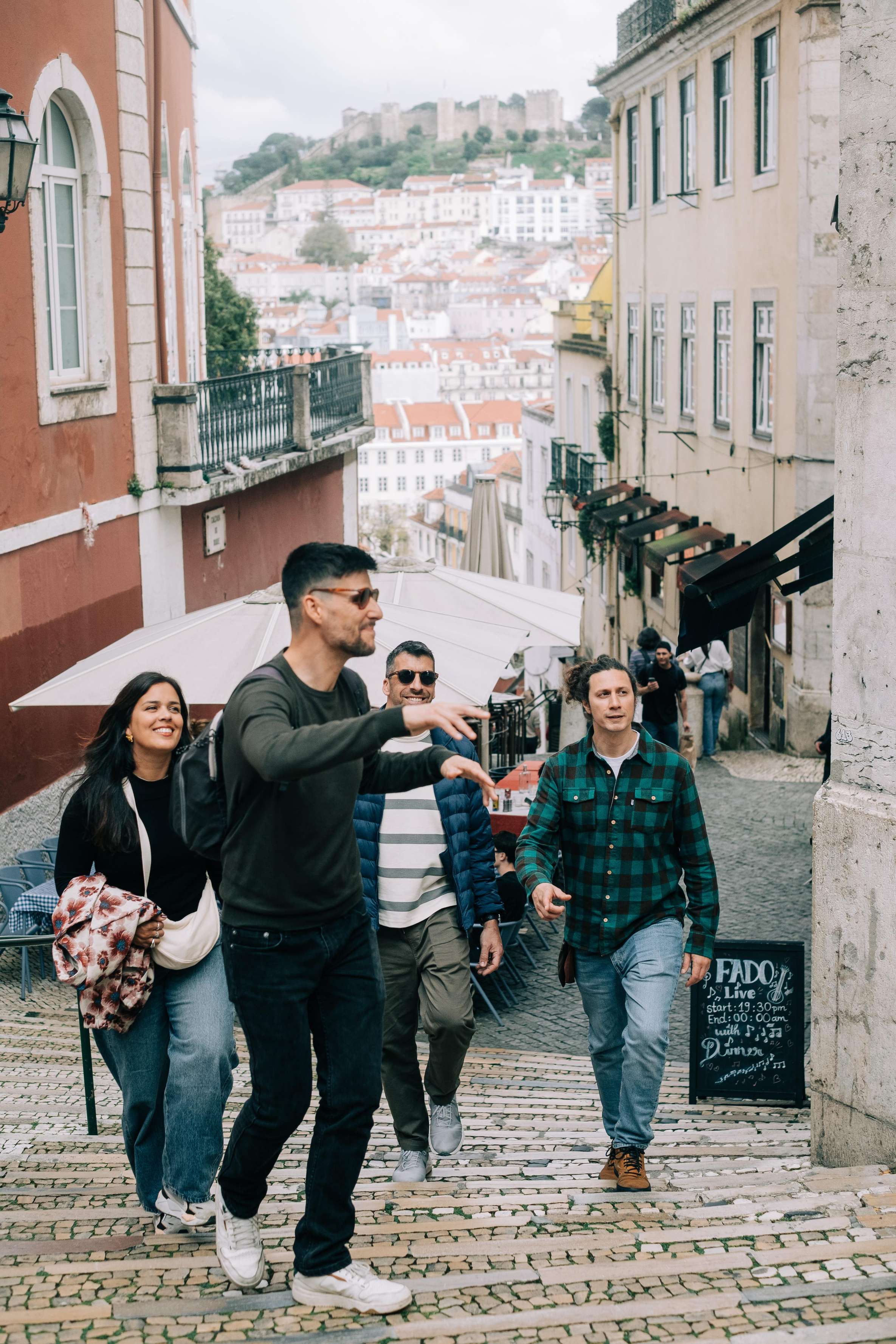
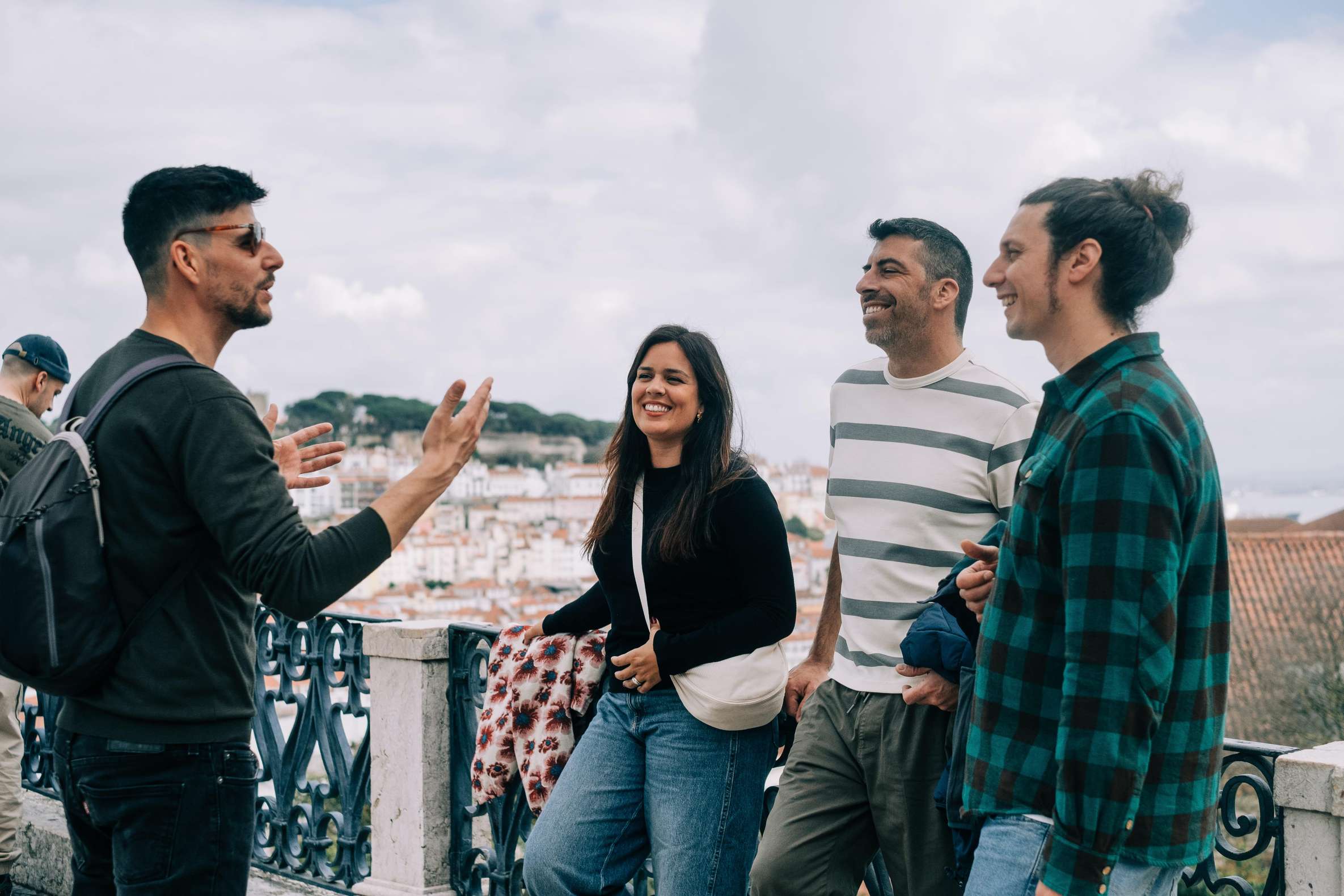
From there your guide leads you on foot through the old town, past the tiled facade of Capela das Almas, into the market halls and small kitchens where the meal happens one plate at a time.
By the end you will have worked through bifana, petiscos, local cheese and a glass of Port, with water and local drinks included along the way. Tastings change with the season and the time of day. The walk itself has some uphill and downhill stretches on cobblestones between stops.
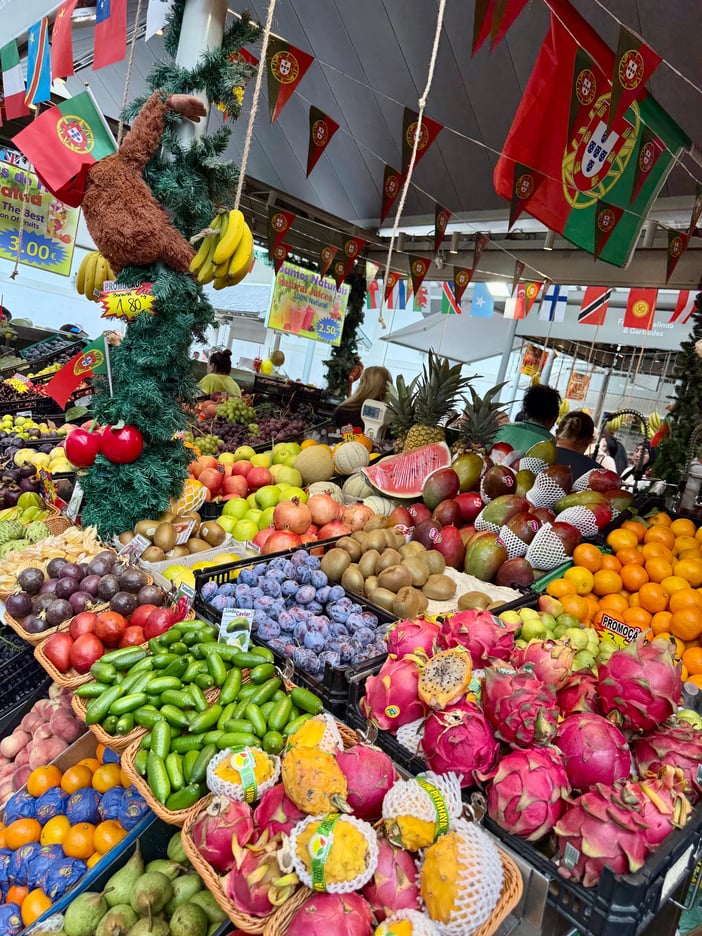
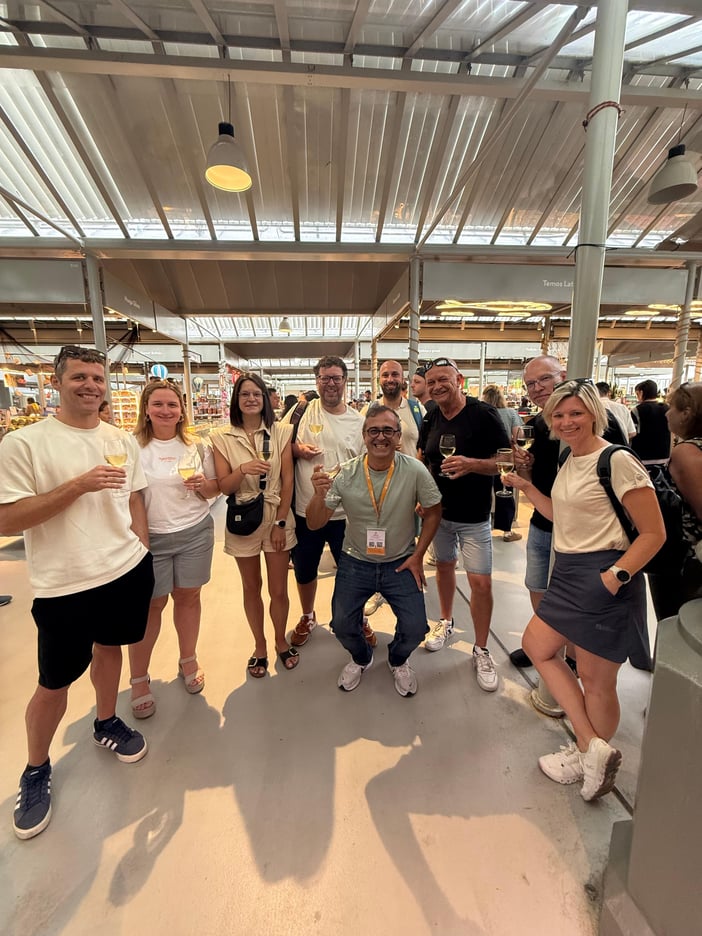
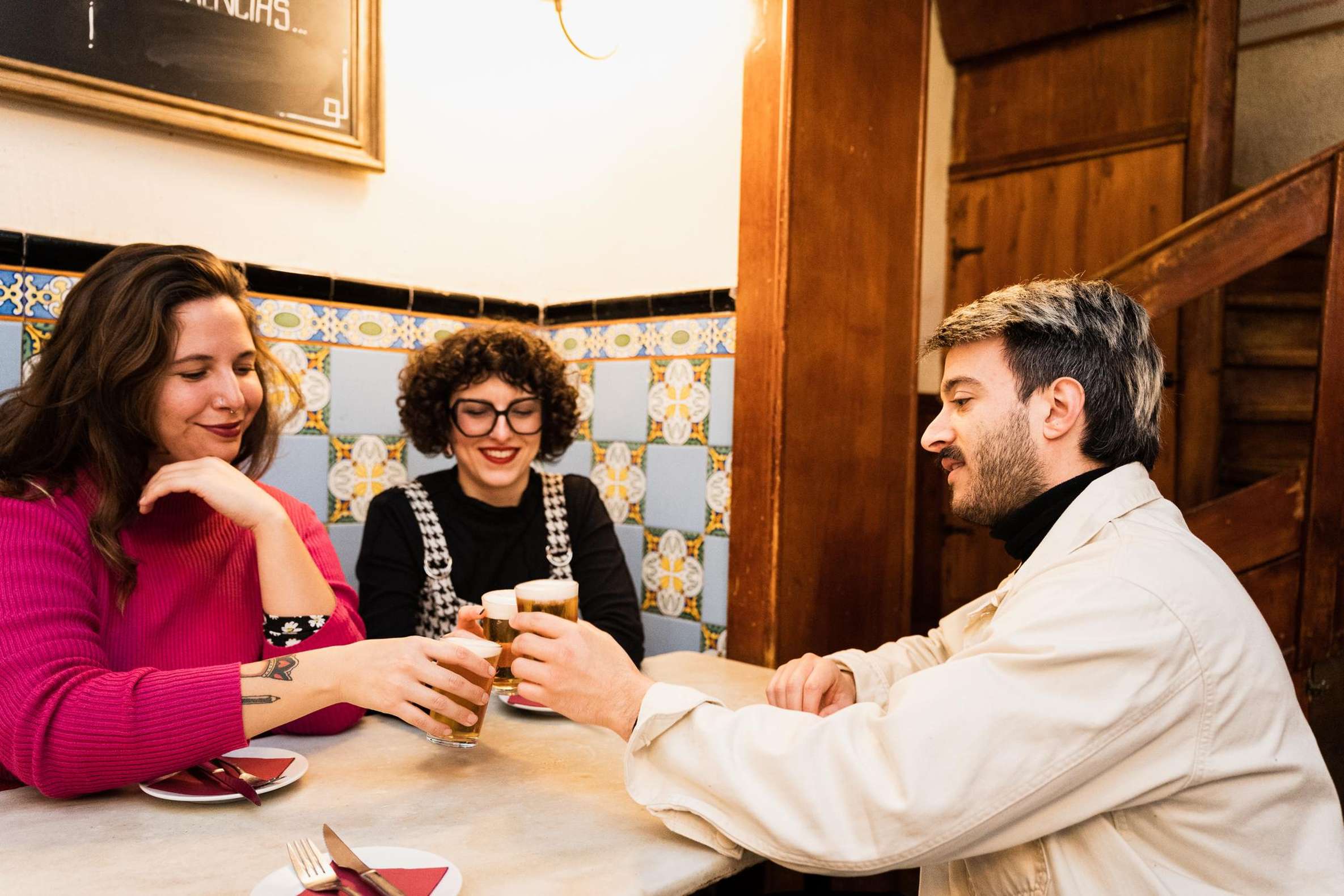
Meeting pointChapel of SoulsThe meeting point sits by the chapel's famous tiled facade, a short walk from São Bento station. Your guide greets the group there and briefs you before setting off.Street ViewStop 2Local bakery· 30 minThe tastings open with warm pastel de nata and coffee at a neighborhood bakery counter, the classic Porto pairing to start the walk.From this tourStop 3Mercado do Bolhão· 60 minAn hour inside Porto's historic food market, with cheese and wine tastings among the working stalls. The stalls close on Sundays and public holidays, so the route can shift that day.Stop 4Local restaurant· 30 minThe bifana stop: thin pork simmered for hours in the darker, paprika-heavy Porto sauce, served in a soft roll with a beer on the side.From this tourStop 5Hidden gem· 60 minA longer sit-down hour for regional dishes in a place away from the tourist avenues, the kind of spot where locals take their lunch.From this tourStop 6Local bar· 30 minHalf an hour for Port wine and other local spirits at a small bar, rounding out the tasting before the final walk.From this tourDrop-offPraça de Almeida GarrettThe tour ends on the square beside São Bento station, an easy walk to metro lines, taxis and central hotels.Street View
Included
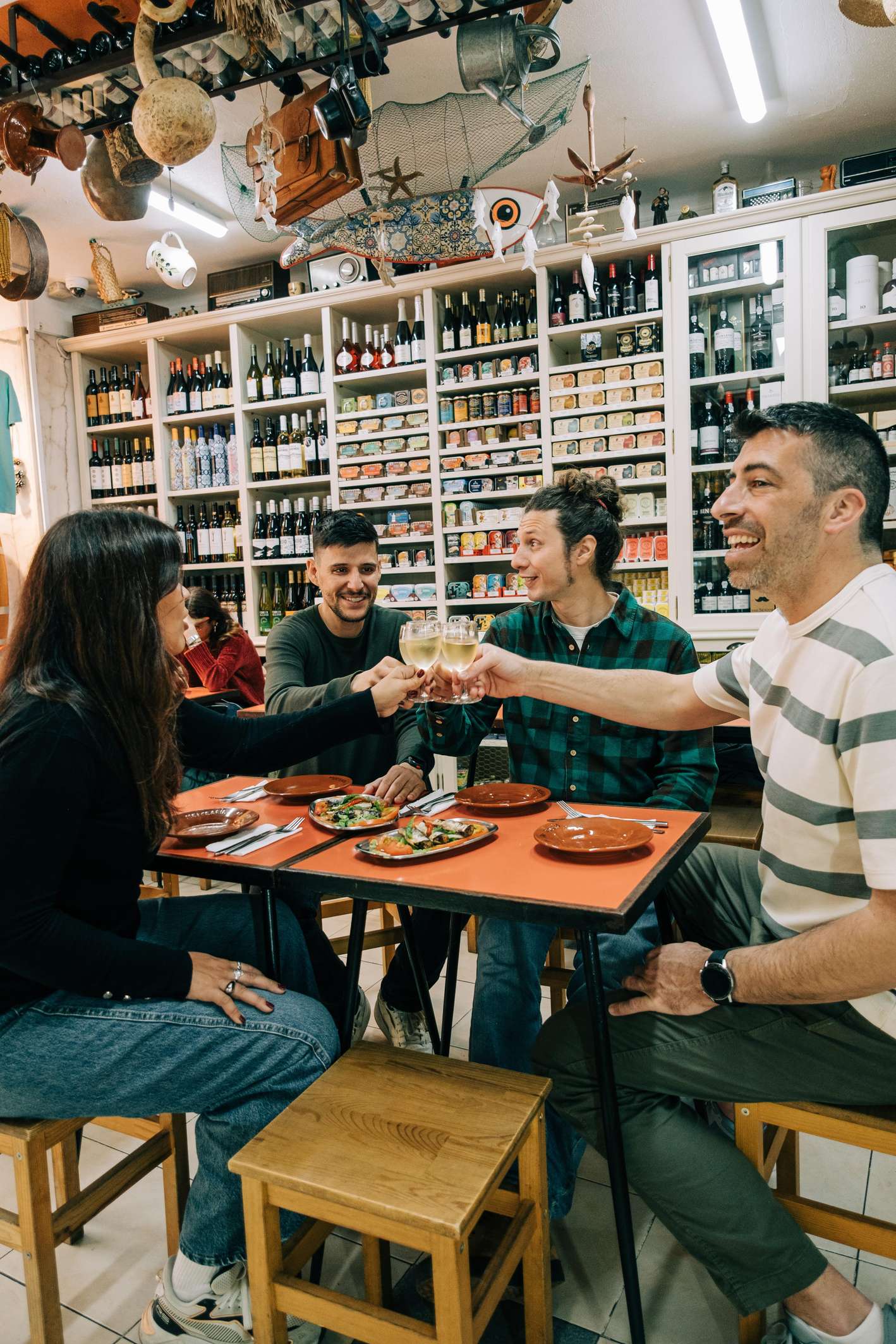
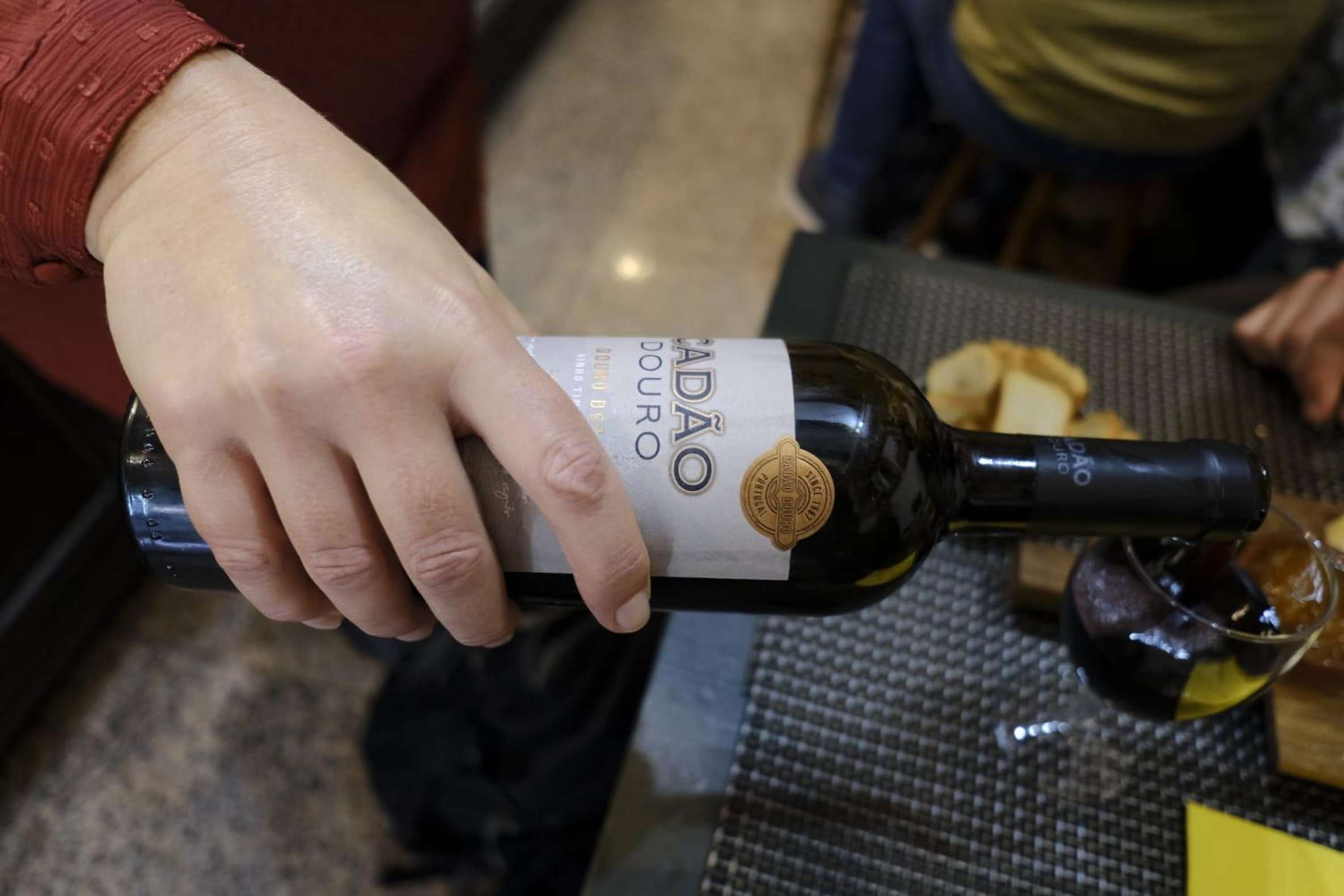
English-speaking local guideEnjoy the following possible tastings across 4+ stops: local cheeses and wine, bifana, petiscos and pastel de nataTaste local Port wineWater and alcoholic local beverages (usually wine, Porto and/or beer)
Not included
Any additional food or drinksHotel pickup and drop-off
children under 10 get a discounted price on the group walk
1. Pick the right day and slot
Choose a date early in your Porto stay so the guide's local recommendations can shape the rest of your trip. Check the meeting time before you pay, because these walks run at set hours.
Pro tipA weekday midday slot puts you inside the tascas when locals gather for the prato do dia, the daily special that often sells out by mid-afternoon. Some authentic neighborhood spots do not even open for dinner.
2. Choose between the formats
Two formats exist here: a small-group full-meal walk with tastings across four or more stops, and a private walk with ten tastings where the pace is yours. Both run about three hours or slightly more.
Pro tipThe private tour adapts its menu for vegetarians if you tell the guide at the start. On the group walk you report allergies when you book.
Common mistakeFirst-timers compare the duration alone and skip what changes on the day. The group walk shares the experience with others, the private one lets you linger where you like.
3. Declare allergies and diet needs
When you book, add a note about any allergies, dietary restrictions or no-pork preferences. The operator can then prepare alternatives in advance rather than improvise at the first stop.
ImportantTell the operator about allergies and dietary restrictions when you book so the menu can be adapted before the walk begins. Midday food stops sell out, and a guide cannot reorder for ten people on the spot.
4. Payment and your voucher
Pay through the marketplace and the confirmation arrives by email with your voucher. There is no hotel pickup on either tour, so the voucher names your meeting point in central Porto instead.
Pro tipMeeting points sit at central landmarks such as the Capela das Almas or the entrance of Mercado do Bolhão, both a short walk from São Bento station. Screenshot the voucher, since you may be standing in a busy street when you need it.
5. Get ready for the day
Wear broken-in shoes with good tread, because the route includes ten to fifteen minutes of continuous uphill and downhill walking on cobblestones. Arrive hungry and on time.
Common mistakeTourists eat a big breakfast first. The tastings across the stops add up to a full meal, so keep it to coffee and a small pastry if you must eat something.
RecommendedBring a hooded waterproof jacket rather than an umbrella. The tours run rain or shine and gusty winds off the Douro frequently invert umbrellas in the narrow alleys.
What to know before you join a street food tour in Porto
lunch beats dinner for real tasca atmosphere
Can stop the dayGood to knowGood news
01
ChoosingWhat it is, who it suits, when to go
3
Group size
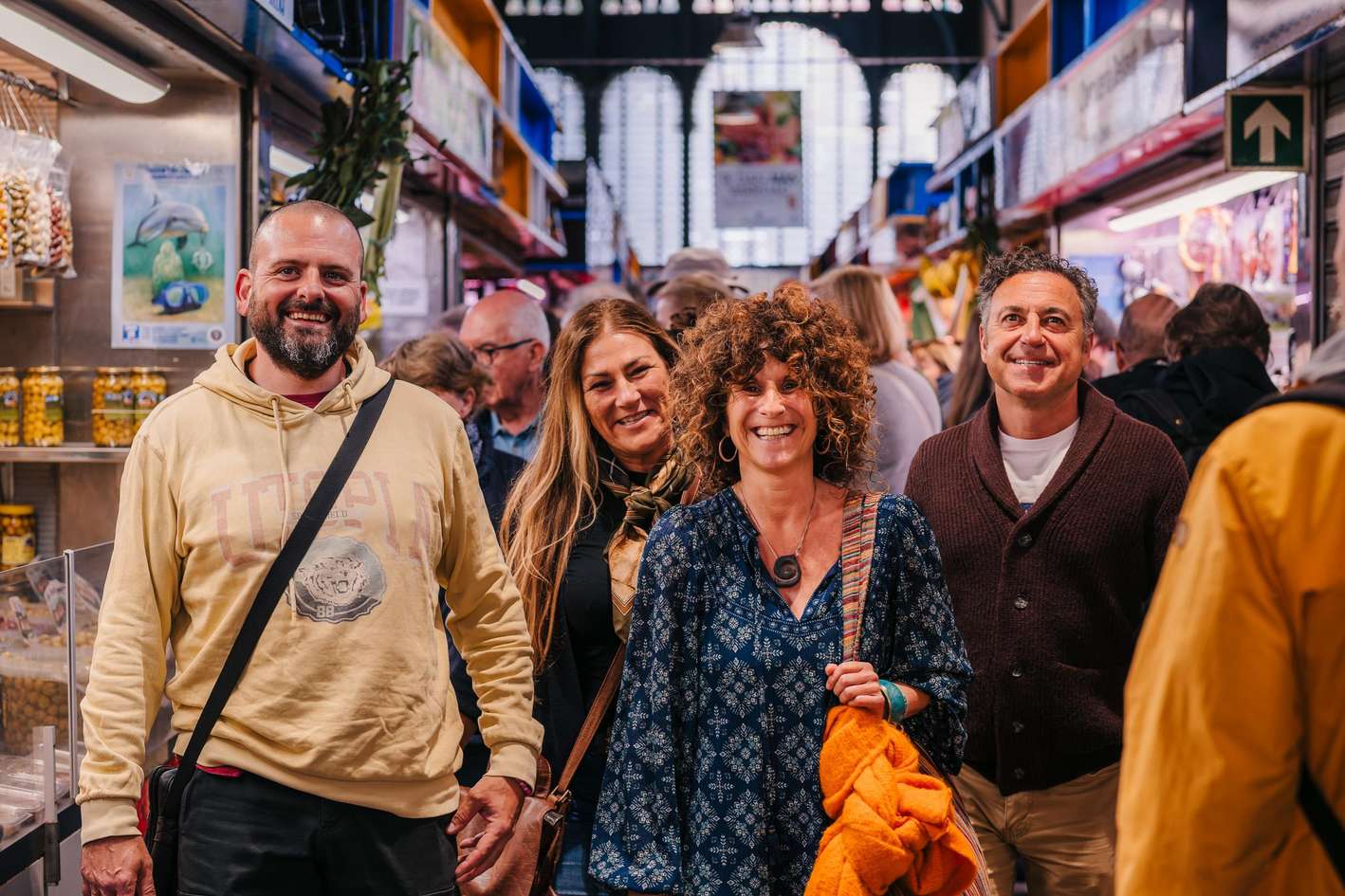
Guided food walks in Porto usually run with 8 to 12 people, which is why they fit the tascas at all. These neighborhood taverns have tight layouts and little seating, so a bigger party simply would not get through the door.
What's included
On the full-meal tour your guide leads tastings of pastel de nata, petiscos, a bifana, local cheeses and Port wine, with water and local drinks included. The private version covers ten food and drink tastings, and its menu can be adapted for vegetarians if you mention it at the start.
Timing
Aim for a weekday lunch slot if you want the true tasca atmosphere. Working locals gather for the daily special, the prato do dia, which often sells out by mid-afternoon, and several authentic neighborhood spots never open for dinner.
02
BookingHow far ahead, and what happens if plans change
2
AllergiesCan stop the day
Tell the operator about any allergy or dietary restriction when you book. The full-meal tour asks for this in advance, and the private tour adapts its menu on request. Small kitchens may not manage severe gluten needs, so coeliacs should ask the venue directly first.
Cancellation
Both tours let you cancel up to 24 hours in advance for a full refund. That covers flight delays and changed plans. Book confidently, since the window gives you room to reorganise.
03
Before you goPapers, health, what to bring
3
Walking
Both tours are on foot, and Porto's historic center climbs and drops across granite cobbles. Expect stretches of 10 to 15 minutes of continuous uphill and downhill walking. Wear broken-in sneakers or boots with rubber tread; thin sandals and heels slip on wet stone.
Rain gear
A hooded waterproof jacket serves you better than an umbrella here. Coastal gusts coming up from the Douro often flip umbrellas inside out in the narrow alleys. Bring it in any season, since the tours run rain or shine.
Kids
Children are usually welcome, and kids under 10 get a discounted price on the full-meal walk. Selective eaters do well here, because small bites let them try adventurous dishes without committing to a whole restaurant portion.
04
On the dayWhere to be, when, and how you get there
2
Meeting point
Neither walking tour includes hotel pickup, so you make your own way to a central meeting spot. One tour starts in front of Capela das Almas de Santa Catarina, near São Bento station. Arrive a few minutes early, because late arrivals cannot join once the walk has started.
Hunger
Arrive with an empty stomach. The tastings across the stops add up to a full meal, so keep any breakfast to coffee and a small pastry. Pacing yourself between stops matters more than eating beforehand.
The Porto street food crawl, from booking to last tart
porto bifanas run darker and spicier than lisbon's
A guided crawl through Porto's tascas fills you with bifanas, cod fritters and warm custard tarts while steering you past the tourist traps. Read on for whether it beats wandering alone, and which walk to book.
Porto· 41.15° N, 8.61° W
If you only remember three things
1
Book a lunchtime walk: some authentic tascas never open for dinner.
2
Arrive hungry. Three to three and a half hours of tastings replace a full meal.
3
Wear rubber-soled shoes; a hooded jacket beats an umbrella in the alleys.
Is a guided food crawl really worth it in Porto
A stainless steel counter, a glass of house wine, a sandwich that costs about as much as a coffee back home. Porto's everyday food costs little on its own, which is exactly why the question comes up: why pay for a guide when wandering and ordering works?
Honest answer: it can work. Travelers comfortable planning their own route can spend a good morning at the market, a pastry counter and a chosen lunch, and pay less for it. Where the guided version earns its keep is everything around the food.
Someone else has found the side-street tasca with the chalkboard menu, can explain what a bifana is before you order it, and sends you home with recommendations for the rest of your stay.
The curation is the part you cannot recreate in an afternoon of trial and error. First-time visitors get the most out of it; confident independent eaters with time to spare can skip it.
A traveler's note
Easy walk and Vera was friendly and super personable - we talked about everything, not just food. Meeting the Portuguese vendors was a joy. Feels like we made a friend in Portugal!
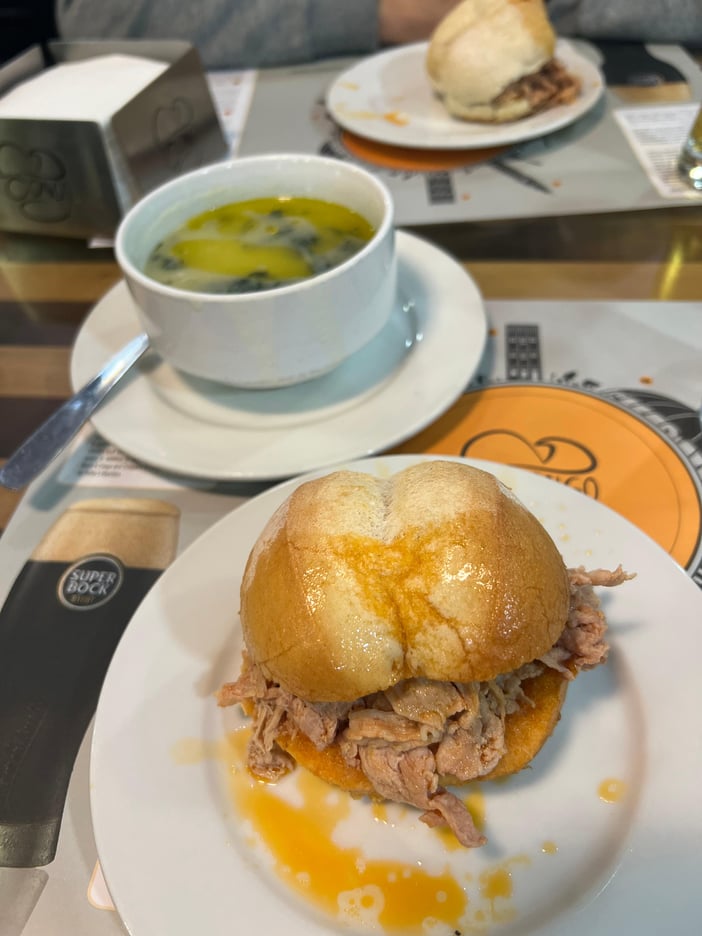
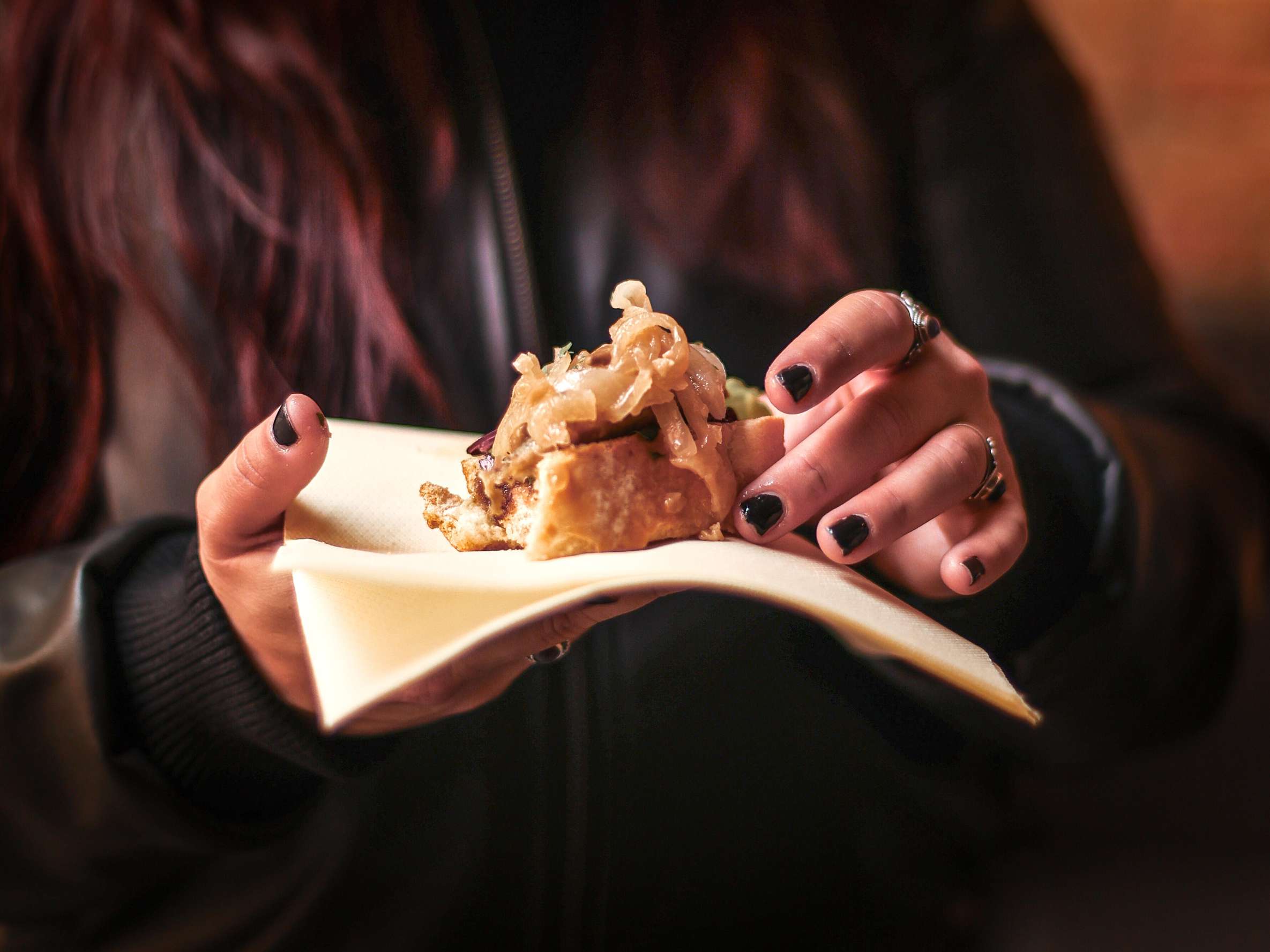
Expect the walk to be built from snacks you eat standing up. The bifana comes first in most people's memory: thin-sliced pork simmered slowly in a seasoned sauce and served in a soft roll. Porto's version runs thicker and darker than Lisbon's, with more paprika and less vinegar, and some are properly spicy.
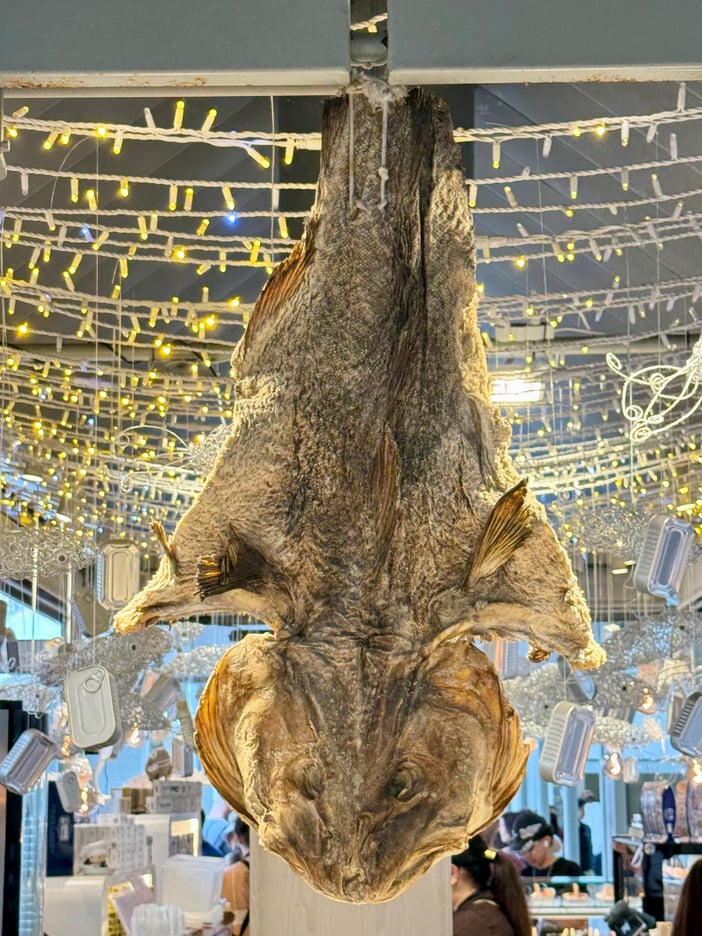
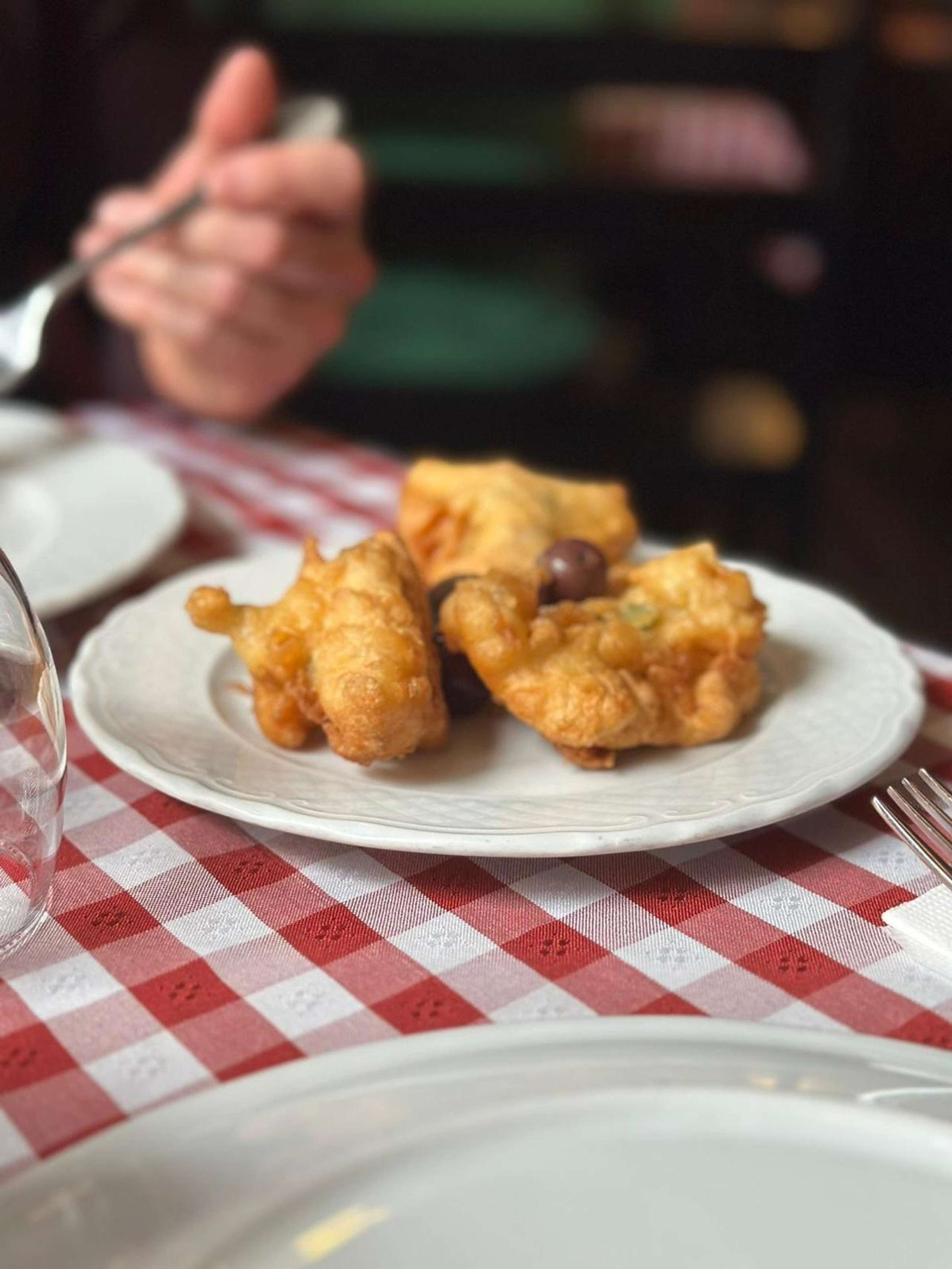
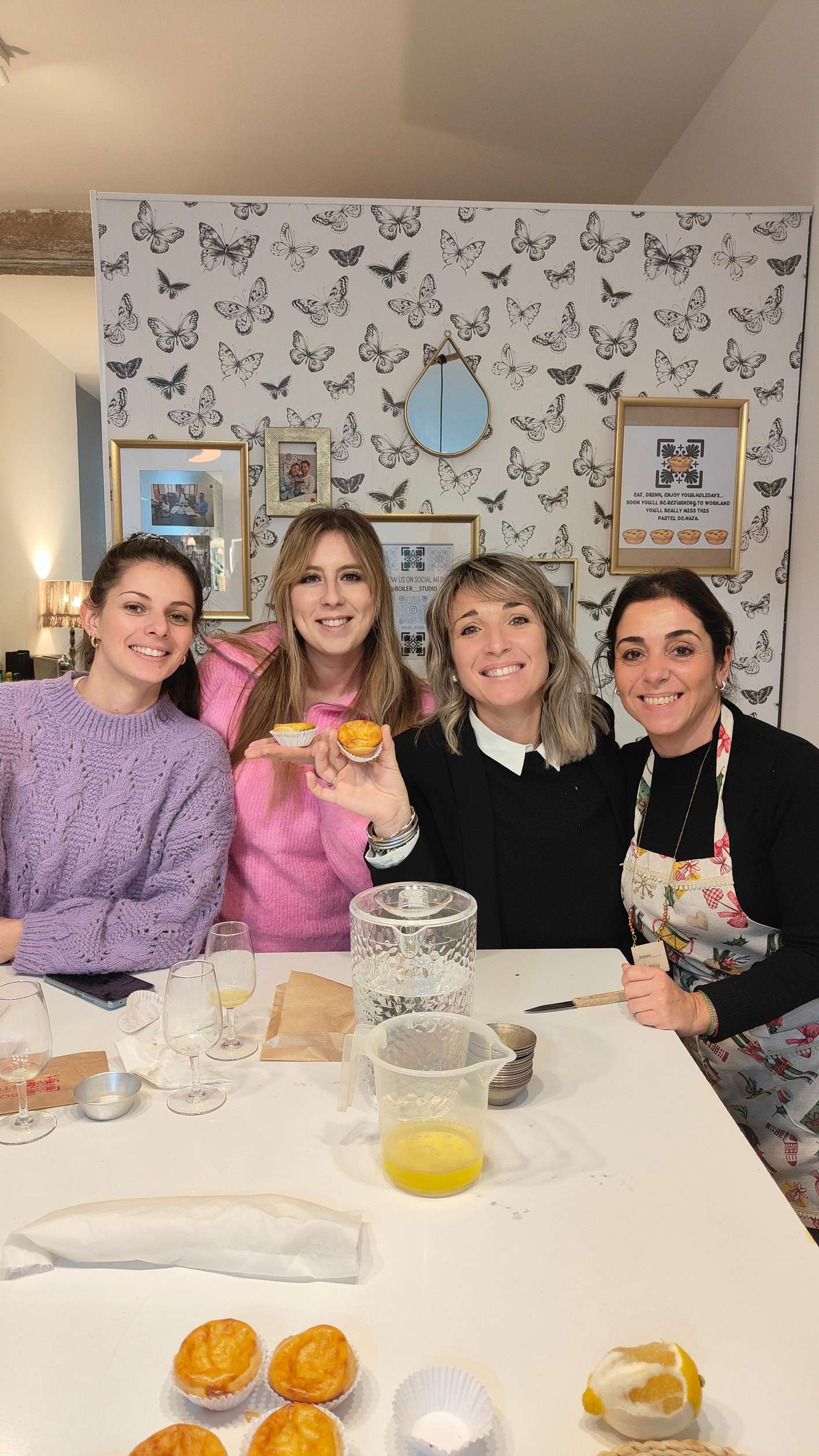
Then the small things. Petiscos, Portugal's answer to tapas, cover cheeses, olives and fried bites. Cod fritters, called bolinhos de bacalhau or pastéis de bacalhau, come hot from the fryer. And somewhere near the end, warm pastéis de nata from a bakery counter, the flaky custard tarts Porto does better than anywhere.
The cachorrinho deserves its own sentence. This Porto-style hot dog, toasted on crisp bread with spicy sauce, gets served cut into bite-size pieces, a habit that started in the 1960s when a customer asked for one cut small enough to eat slowly. It stuck.
"What people get wrong about Porto street food"
Myth"The francesinha is street food"
Reality
It is a heavy sit-down meal that wants a table and a fork.
Myth"A food crawl is small samples"
Reality
Generous tastings across the stops leave you completely full.
Myth"All bifanas taste the same"
Reality
Porto simmers its thin pork slices much longer, in a darker, spicier sauce than Lisbon's.
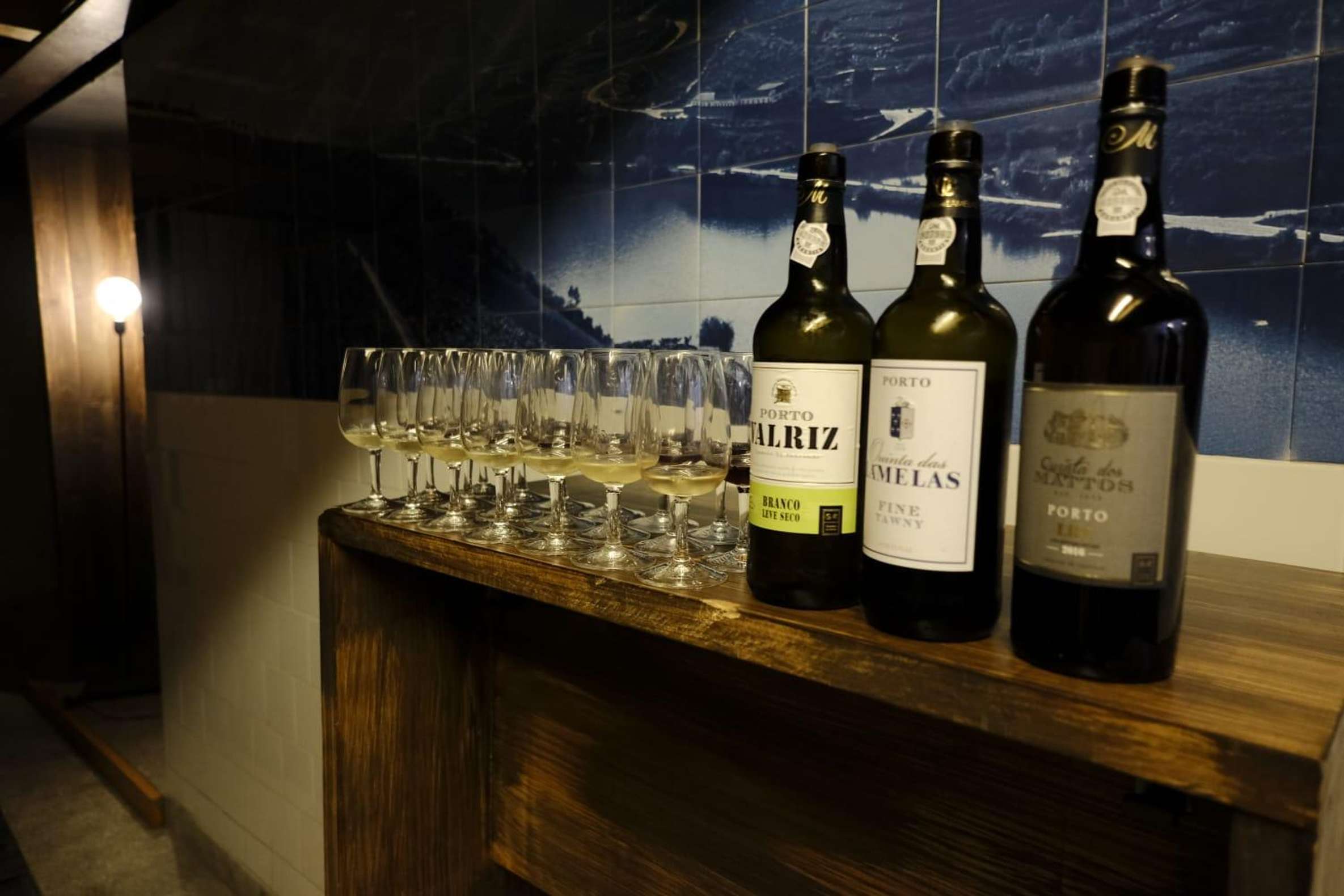
Port wine shows up too, usually as a single glass at one stop. The beloved francesinha, a layered meat and cheese monster, needs a table and a fork.
The tascas decide this one before you do. These are compact, family-run neighborhood taverns with a few seats and a counter, and they physically cannot fit a large party.
That is why guided food walks in Porto run small, usually capped at 8 to 12 participants, and why a group of thirty would simply never get through the door.
Group tours generally cap between eight and sixteen people, with most operators staying between 10 and 15 to keep the atmosphere personal. You follow a fixed route at a shared pace, which suits most first visits.
A private walk trades structure for control. On the private ten-tasting tour, you set the pace and the focus completely, and the menu bends to you: vegetarian alternatives are available, as long as you tell your guide at the start.
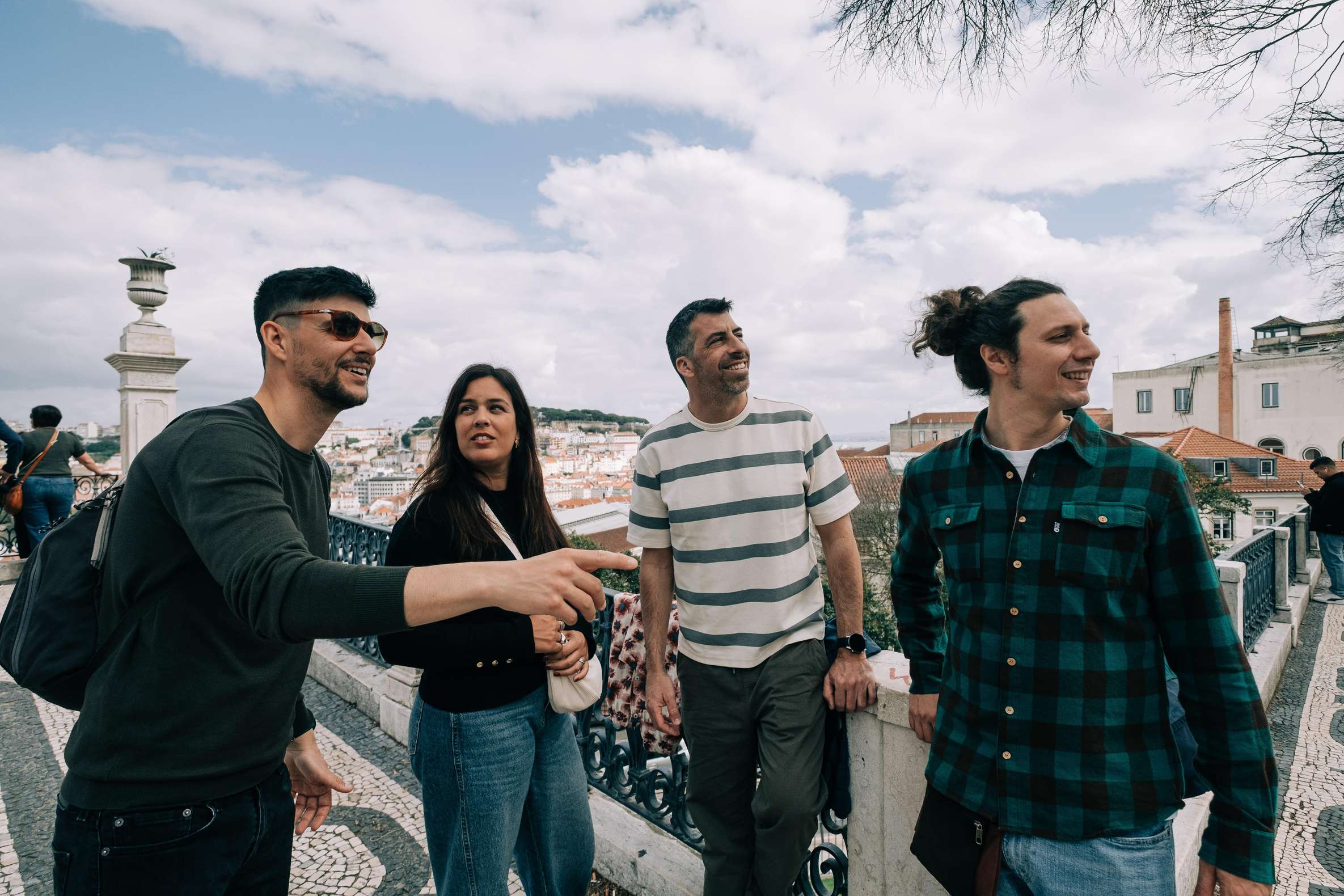
It also squeezes in the city itself, with stops at street art by MrDheo, the Galerias Palladium and the tiled Capela das Almas between tastings.
"Group walk or private ten-tasting tour"
Small-group walk
Private ten-tasting tour
Group size
Capped at 8 to 12
Just your party
Pace and focus
Fixed route, shared pace
You control both
Diet tweaks
Tell the operator in advance
Menu adapted on the spot
Best for
First visit, solo travelers
Families, picky eaters, food-obsessed
Small-group walk
Group size
Capped at 8 to 12
Pace and focus
Fixed route, shared pace
Diet tweaks
Tell the operator in advance
Best for
First visit, solo travelers
Private ten-tasting tour
Group size
Just your party
Pace and focus
You control both
Diet tweaks
Menu adapted on the spot
Best for
Families, picky eaters, food-obsessed
If your crew has strong opinions about where to stop, private wins. Otherwise the group format is the easier, cheaper door in.
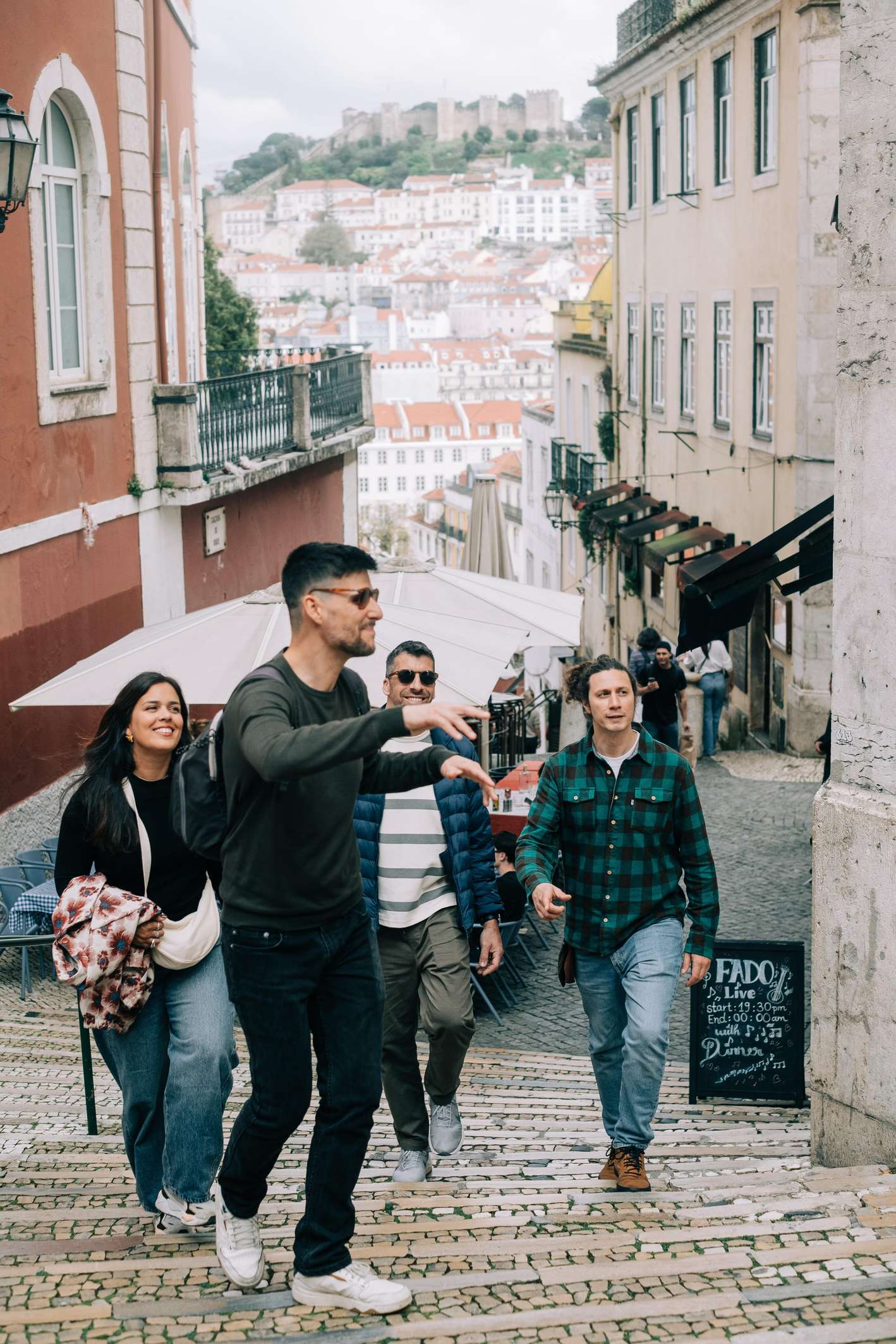
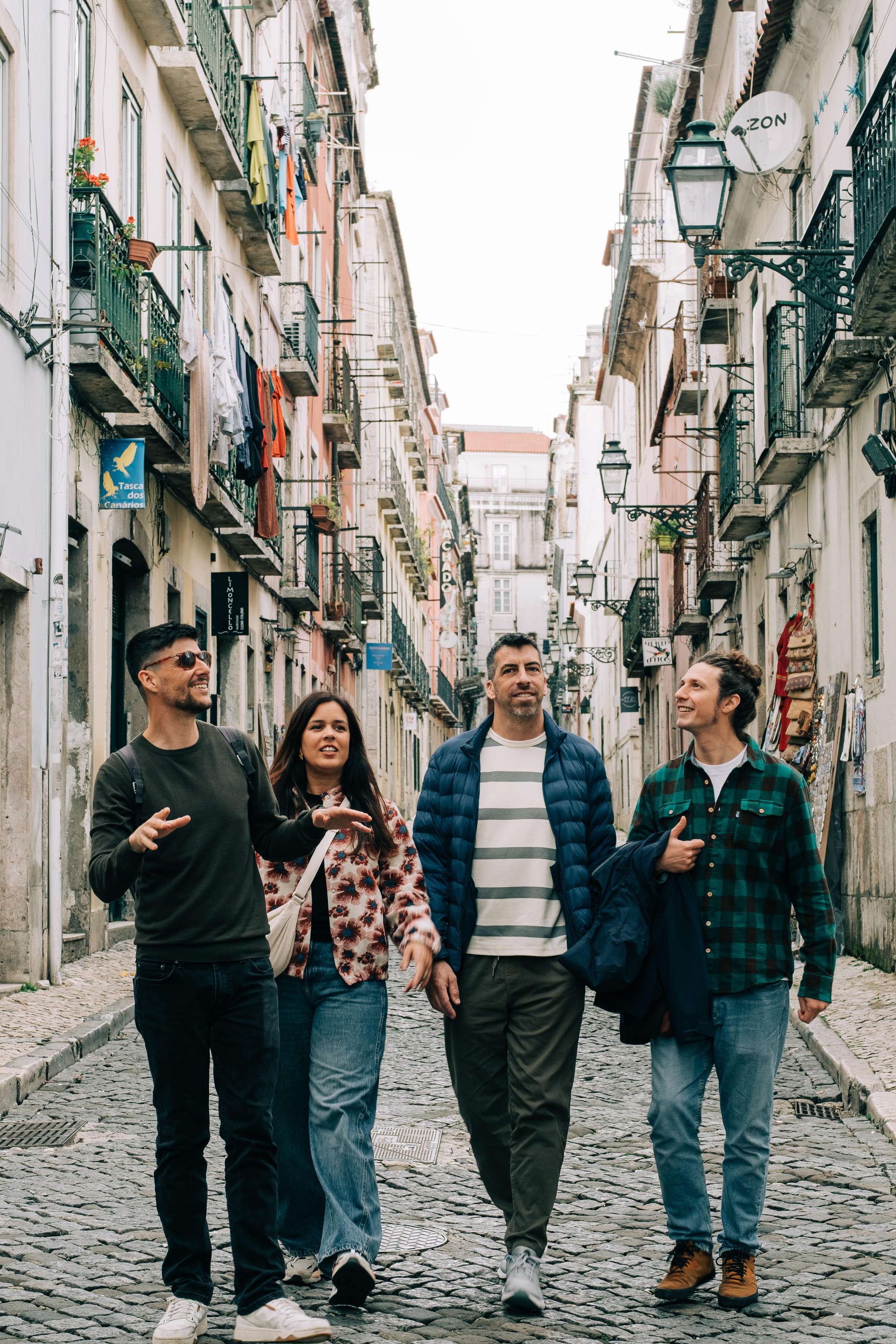
The full-meal walk starts in the center, usually somewhere near the tiles of São Bento or the avenues around Aliados. From there the meal becomes a walk: about three kilometers on foot, split across four to eight tasting stops, over roughly three and a half hours.
The stops are not restaurants in the sit-down sense. You move between a local bakery, a bar, a restaurant and Mercado do Bolhão, standing at counters the way locals do, eating a full bifana here, a plate of petiscos there.
Shoes on the whole time, but nobody is marching; the walking is the space between courses.
Typical length of a central Porto food walk
3 to 3.5 hourstypical tour duration
3 kmwalking distance covered
4 to 8food and drink stops
What those numbers mean in practice: you cover close to two miles, but broken up so no single stretch is long, and the stops do the work. Bring comfortable shoes more than an appetite for walking.
Eat Porto Like a Local: The Ultimate Full-Meal Food Tour is the version that does exactly this, a small-group walk covering bifana, petiscos, local cheeses, pastel de nata and Port wine across more than four stops, with water and local drinks included.
Come hungry: it replaces a meal entirely. By the last custard tart you will understand why the guide says to skip lunch.
Tour for this
Eat Porto Like a Local: The Ultimate Full-Meal Food Tour4.9★ (184) · 3.5 hours · Free cancellation
Book midday. The tascas you are coming for live around weekday lunch, when working locals queue for the daily special, the prato do dia, which often sells out by mid-afternoon.
Several authentic neighborhood spots do not open for dinner at all. An evening tour still feeds you, but it misses the room these counters were built for.
Weekdays beat weekends for the same reason. Bolhão's market stalls close on Sundays and public holidays, so a market-based route may change shape, and the tascas themselves split their closing days: some shut Sundays, others Mondays.
Porto walking conditions by month
August reaches peak crowds and warm 25°C highs, providing almost entirely dry streets that call for sun protection.
HighestMay, Jul to Oct
In betweenApr, Jun
LowestNov to Mar
Darker: a higher how busy it gets score, out of 5
Tap a month to read it.
July is hot, sunny, and very busy, with dry alleys that are most comfortable to walk during morning departures.
HighestJun to Oct21.1 to 24.6 °C
In betweenApr to May18.5 to 20 °C
LowestNov to Mar13.9 to 17 °C
Darker months: higher, from 13.9 to 24.6 °C
Tap a month to read it.
October remains quite busy but turns significantly wetter with heavy rainfall, making granite alleys slippery between indoor stops.
HighestOct to Jan202 to 238 mm
In betweenFeb to Apr, Sep109 to 156 mm
LowestMay to Aug8 to 70 mm
Darker months: higher, from 8 to 238 mm
Tap a month to read it.
August reaches peak crowds and warm 25°C highs, providing almost entirely dry streets that call for sun protection.
HighestJul to Aug26.8 to 29 days
In betweenMay to Jun, Sep21 to 21.4 days
LowestOct to Apr15.4 to 19.2 days
Darker months: higher, from 15.4 to 29 days
Tap a month to read it.
October remains quite busy but turns significantly wetter with heavy rainfall, making granite alleys slippery between indoor stops.
HighestJan, Mar, Oct1.4 to 1.6 days
In betweenFeb, Nov0.6 to 0.8 days
LowestApr to Sep, Dec0 to 0.4 days
Darker months: higher, from 0 to 1.6 days
Tap a month to read it.
The weather rarely decides anything. July and August bring warm, mostly dry days around 25 degrees, with the alley cobblestones staying dry, though the steep hills feel warm by mid-afternoon. Winter is cooler and wetter, and wet granite cobbles get slippery.
Either way the tour runs: tastings move indoors, rain or shine, because the tascas and counters are covered anyway. August and September are the busiest months, so book those ahead.
One habit worth stealing: do not book a hilly walking crawl for your arrival afternoon after an overnight flight. Save the steep streets for a rested day.
Most central meeting points sit within a few minutes of two hubs: Aliados station, served directly by the yellow Line D, and Bolhão station, on the central trunk served by Lines A, B, C, E and F. Clérigos-area meeting points sit within a short walk of São Bento, also on Line D, or the Aliados stop.
From the airport, Line E into Trindade or Bolhão takes about 25 minutes with no transfer to the trunk lines, which makes the metro the straightforward choice.
From Campanhã station, the metro is a five-minute hop. São Bento is the one place a car beats transit, and only because the five-minute walk north to Aliados and Clérigos is uphill.
Driving is easy; parking is the problem. Traffic crawls through the tight, cobbled center, and a taxi costs about the same as the metro for every route listed. Leave the car at the hotel if you have one, ride the metro to Bolhão or Aliados, and walk the last few minutes.
The stone decides the outfit. Porto's food walks cross steep granite cobbles and worn staircases, with stretches of ten to fifteen minutes of continuous uphill and downhill. When that granite is damp, smooth soles slide.
Broken-in sneakers or walking shoes with rubber tread are the whole secret; supportive ankle boots work too. Leave smooth leather soles, thin sandals and heels at the hotel, because worn wet stone gives them nothing to grip.
Rain changes the plan more than the outfit. Gusty winds off the Douro funnel up the narrow alleys and regularly turn umbrellas inside out, which is why a hooded waterproof jacket outperforms one every time.
A compact umbrella survives for brief drizzle between covered stops, but the hood is what you want when the wind comes up the river.
Essential footwear and rain gear for Porto walking tours
Rubber-soled sneakers with treadSteep granite cobbles and worn stone steps turn slick when damp, requiring strong rubber traction over smooth soles.
Broken-in walking shoesTasting tours involve 10 to 15 minutes of continuous uphill and downhill walking where unyielding shoes cause blisters.
Hooded waterproof rain jacketGusty Atlantic winds off the Douro make umbrellas hard to manage; a hooded shell keeps you dry in narrow alleys.
Water-resistant ankle bootsSupport your ankles over uneven granite pavements and keep your feet dry through sudden Atlantic showers.
Cushioned arch-support insolesThick soles or cushioned footbeds protect feet from pounding against unforgiving stone pavers across multi-hour tours.
Windproof compact umbrellaHandy for brief drizzles between indoor tasting stops, though a hooded shell remains best in gusty coastal winds.
One more line for the list above: cushioned insoles matter more than they sound. You will spend three or more hours on unforgiving stone pavers, standing at counters between the walking, and your feet notice the difference by stop three.
Nothing about this is fancy gear. It is the shoes you already trust and a shell with a hood, which is exactly what the locals wear on the same streets.
The biggest first-timer mistake is made before the meeting point, at the hotel breakfast buffet. The tastings on a Porto food walk are not nibbles: generous portions across the stops leave you completely full, enough to comfortably replace a full lunch or dinner. Arrive with an empty stomach and let the crawl do the feeding.
If skipping breakfast entirely sounds grim, keep it to coffee and a small pastry. That is the ceiling. A second breakfast, or a hearty francesinha the morning of the tour, leaves you watching half your tastings go cold while you catch up.
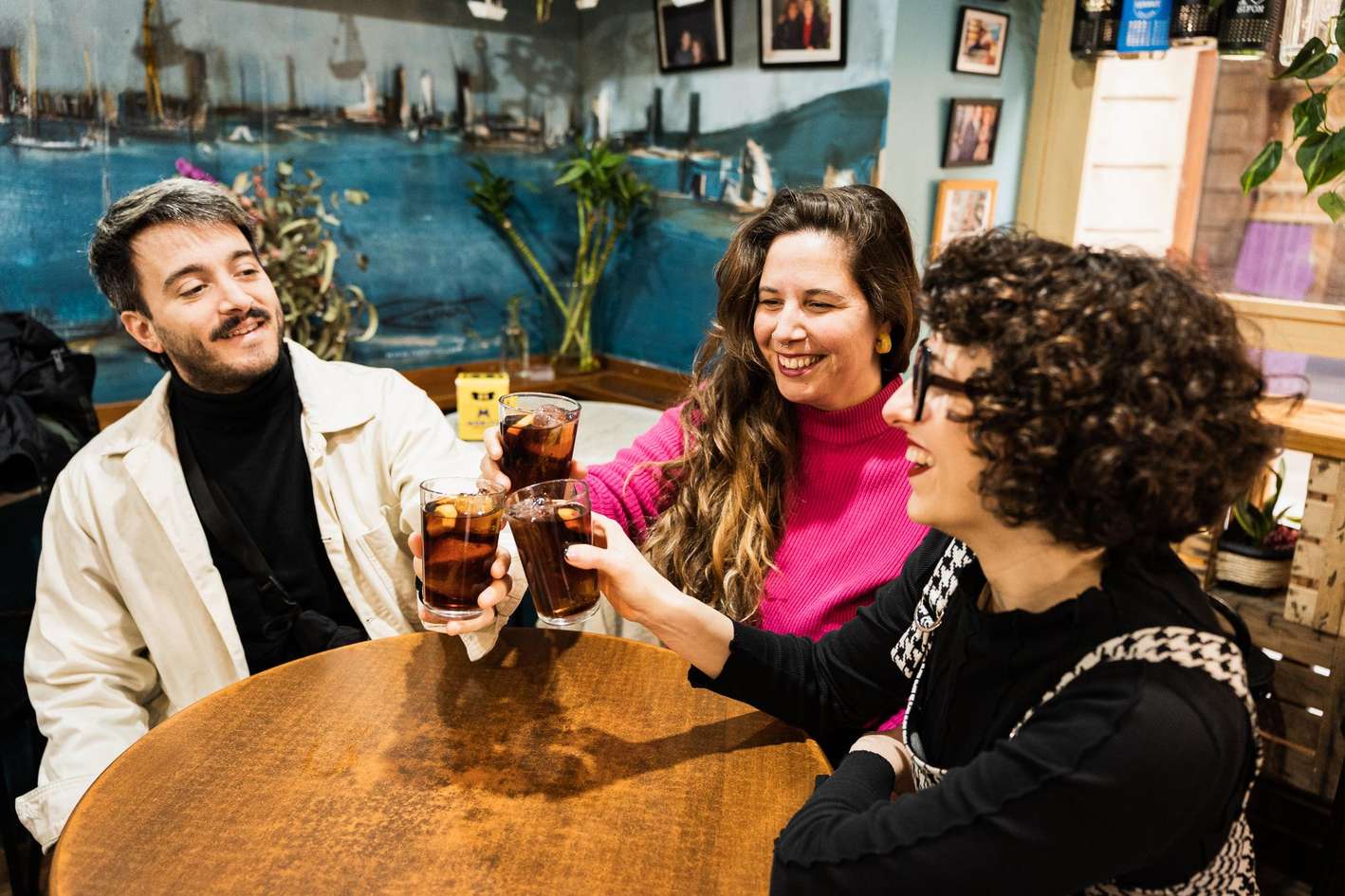
Pacing is the other half. Water and local drinks, usually wine, Port or beer, come included, which helps between the heavier bites.
Let the route spread the rich, salty food across several hours and give each stop its own moment. Save the roast pork pernil sandwiches and other heavy specialties for a different day, away from the crawl.
One practical note for the same day: the pastries arrive warm at the bakery stop and the pours come with the food, so if you are the designated driver for the evening, say so. There is plenty to eat without the wine.
Vegetarians, allergies and other diets on a pork-heavy route
Porto's counter food leans on pork, so say what you eat early and clearly. On the group walk, tell the operator about allergies or dietary restrictions when you book.
On the private walk, the tasting menu adapts with vegetarian alternatives if you tell your guide at the start, which makes the private format the easier one for strict diets.
What the city itself can do matters too. Seafood and poultry abound on Portuguese tavern menus, so pescatarians eat well. But plant-based versions of the meat sandwiches, the bifana or the prego, are typically not offered at traditional snack bars, and vegan food is generally uncommon in ordinary Porto restaurants.
Vegetarian dining here usually means assembling a meal from sides and simple dishes. The dedicated vegan francesinha places, on the other hand, do exist and cook a proper version.
Coeliac travelers need a different kind of care. Small tascas with shared fryers and sandwich counters cannot be assumed to control cross-contact, especially at rush hours, and restaurants are not required to provide a gluten-free meal.
Ask the venue directly and in advance. Anyone highly sensitive to airborne flour should also think twice around bakery stops, where particles stay in the air for a day.
None of this rules you out. It just means the private walk, and a message ahead, buy the most flexibility.
Children are usually welcome on Porto's food walks, and on the group walk kids under 10 get a discounted price. Picky eaters do fine: tasting walks let them try small bites of adventurous dishes without committing to a full restaurant plate, and Bolhão Market's food hall suits them because its stalls sell things individually.
Alcohol needs one clear line. The legal drinking age in Portugal is 18, and minors cannot be served in public places.
Children may enter taverns and wine bars, since the restriction on alcohol does not keep them out, but no drink comes their way. Non-drinkers of any age face no barrier either; there is no rule that you drink to enter.
Mobility is the harder question. The historic center's streets often resemble staircases alongside narrow cobbled paths, and elevation changes between districts involve steep slopes or steps. Neither of the walking tours on this page suits people with mobility impairments or wheelchair users.
Strollers face the same granite and stairs. If your knees complain on hills, ask about the pace before you book rather than after the first climb.
If walking is off the table, a motorized or vehicle-based food experience gives you the flavors without the slopes. The tascas are the point; the route to them can change.
If your day changes - cancellations, lateness and rain
The booking is safer than the timetable. Both tours on this page allow cancellation up to 24 hours in advance for a full refund, which covers the flight delay, the sick child, the change of heart. Inside that window, your money is safe.
After that, the rules harden. A walking tour leaves the meeting square when it leaves, and a participant who arrives late cannot join once it has started, with no refund.
Plan the metro connection with a margin, because Bolhão and Aliados are close to everything but not next to everything. The same applies if you book the wrong day by accident: move it before the 24-hour line, not after.
"When the day changes"
If this happens
What happens then
"Cancel more than 24 hours ahead"
Full refund.
"Cancel inside 24 hours"
No refund; the tour has its place held for you.
"Arrive after the tour has started"
You cannot join and get no refund.
"Heavy Atlantic rain"
The tour runs; tastings move to indoor stops.
Rain never cancels anything. Tascas, restaurants, markets and the other tasting stops sit indoors, so a winter downpour changes the temperature of the walk, not whether it happens. Pack the hooded jacket, keep your phone charged for the meeting point, and the day bends without breaking.
What to see around the meeting point before and after
Book the walk early on your first day and it doubles as an orientation. The meeting points cluster where the sights already are. Inside São Bento station, more than 20,000 blue-and-white azulejo tiles line the entrance hall with scenes from Portuguese history, and it costs nothing to walk in.
The Capela das Almas, two to five minutes from Bolhão on Rua de Santa Catarina, wears its own tile facade on the outside. Avenida dos Aliados sits between the two hubs, less than five minutes from São Bento.
The stretch between São Bento and Mercado do Bolhão takes about twelve to fifteen minutes on foot and threads most of it together, so arriving an hour early is never wasted.
For a stop before or after, three names near the center earn their visit. Adega Viseu serves traditional petiscos, Casa Louro does a ham sandwich and wine five minutes from São Bento, and Prova pours wine by the glass.
Near Bolhão, Confeitaria do Bolhão on Rua Formosa is a historic pastry shop worth the detour, and Manteigaria do Bolhão sells custard tarts that keep their crisp crust into the next day, Monday to Saturday, until midnight.
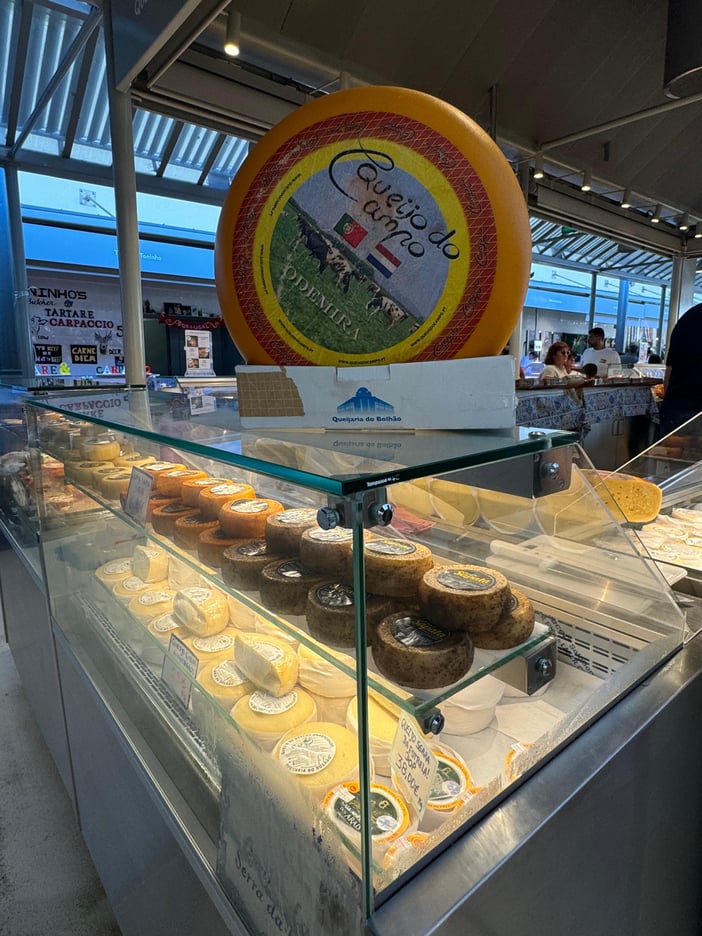
Then there is the market itself. Wander the food hall before the tour and you will recognize half the crawl's stops, which is the best possible way to start hungry.
A guided crawl earns its price on the curation: the tascas a first-timer would walk past, the bifana explained before it is ordered, and a recommendation list for the rest of the trip. Book midday, arrive hungry, wear rubber-soled shoes.
Go ifIt is your first visit and you want the side streets decodedYou can book a weekday lunchtime slotYou want a full meal that doubles as city orientation
Skip ifYou have limited mobility: the steep cobbled routes are not suitableYou prefer to plan your own food stops and pay lessYou want the crawl on arrival day after an overnight flight
Our pick to book
CHAChapel of Souls
MERMercado do Bolhão
Length3.5 hours
At Mercado do Bolhão1 h
Rating4.9★
Eat Porto Like a Local: The Ultimate Full-Meal Food Tour$80/personCheck availability →Free cancellation
Questions about the street food tour, answered
leave breakfast at the hotel
The short answers before you book a tasting walk.
Porto2026
The bifana comes out piping hot and the pastel de nata still crumbles right at the counter. Bring your appetite, book the morning slot, and wear shoes that grip the cobbles.
What kind of food will I eat on a Porto street food tour?
Expect counter-style bites: a bifana pork sandwich in a roll, petiscos, local cheeses, codfish cakes and a warm pastel de nata. Port wine comes with the tasting stops on both of this page's tours.
Will the tastings fill me up enough to replace lunch or dinner?
Yes. The generous tastings across the stops add up to a complete meal, so arrive hungry and skip a big breakfast beforehand. If you must eat first, keep it to coffee and a small pastry.
How big are the groups on a guided food walk in Porto?
Small groups usually stay between 8 and 15 people, which matters because traditional tascas have little seating and tight counters. The private ten-tasting tour gives you full control over the pace.
How will I know we are eating at real local spots instead of tourist cafes?
Authentic tascas often have handwritten or chalkboard menus listing the daily special, no hawkers outside, and regulars drinking house wine at the counter. Your guide picks places like these on side streets in areas such as Cedofeita, Bonfim or Baixa.
Can the tours handle dietary restrictions or a no-pork diet?
The private ten-tasting tour offers vegetarian alternatives if you tell your guide at the start. The small-group full-meal tour asks you to report allergies and dietary restrictions when you book.
Are drinks included, or do I buy my own?
On the full-meal food tour, water and local alcoholic drinks such as wine, Port or beer are included. The private tour covers ten food and drink tastings.
Will a Francesinha be on the route?
A francesinha is a heavy sit-down plate, so most street food crawls skip it. Some longer Porto food tour options do serve half a Francesinha alongside Port wine if that is what you are after.
Can children come along on a street food tour?
Children are usually welcome, and on the small-group food walk those under 10 get a discounted price. Tasting walks also suit picky eaters, since kids can try a small bite without committing to a full plate.
Is a guided street food tour worth it compared to snacking on my own?
For a first visit, a guide saves you the trial and error of finding where to order a bifana and hands you context at every stop. Confident independent planners can still build a good day of market stalls and pastries on their own.
Is water provided between the salty stops?
On the full-meal tour, yes, water comes along with the included local drinks. That helps between rich bites like cheese and pork sandwiches.
How hilly is the walk?
This is a walking tour, and you may face 10 to 15 minutes of continuous uphill and downhill movement on cobblestones. Wear comfortable shoes with good tread, and note the tours are not suitable for people with mobility impairments.
Should I book the food tour at the start of my trip?
Booking early in your visit works well. A guide's tips on restaurants, bars and sights give you direction for the days that follow, and you learn how to order before you need to.
Hungry for more? pastel de nata and street food pages
Book the Ultimate Full-Meal Food Tour with pastel de nata, bifana, petiscos and Port wine across four-plus stops, and cancel free up to 24 hours ahead.