Porto Pastel de Nata Pastry Making Workshop with Cocktails
custard tarts, Port wine & new friends
Bake real pastel de nata, sip Port wine or a mimosa while they bake, and leave with the recipe and a box of tarts. Join a small-group pastry making workshop with cocktails in a Porto studio - step-by-step instruction, no experience needed, book your spot today.
Pastry making workshop with cocktails - how to pick the right one
go sober: hot ovens and sugar syrup
Porto has two ways to bake pastel de nata with drinks in hand, and both put you at a workbench with a small group for about an hour and a half. The difference sits in the glass. One pours wine, Port wine or a mimosa while you bake. The other serves cocktails typical of Porto alongside the pastry lesson.
Drinking ageThe legal age for alcohol in Portugal is 18, so anyone younger can join the baking but goes without the glass.
KidsThe youngest bakers welcome here are over 10; check each workshop's own age rule before you book.
AllergiesTraditional pastel de nata is built on egg and dairy, and some classes are not suitable for people with food allergies, so ask about substitutions with advance notice.
ShoesPorto kitchens require flat, closed-toe shoes, so leave the sandals at the hotel.
BookingPopular dates fill fast in August and September, the busiest months for these workshops.
Late arrivalAt some workshops doors close at the start time, and latecomers may miss the session entirely.
Arrival stateIntoxication is not allowed in these kitchens, with hot ovens and boiling sugar syrup around.
TakeawayMost workshops send you home with a box of freshly baked tarts, typically two or three per person.
CancellationCancel up to 24 hours before the session for a full refund if plans change.
importantPastel de nata custard is built on eggs and dairy, and the pastry making workshop with cocktails route is not suitable for people with food allergies.
If you have an egg, dairy or other food allergy, tell the tour operator before you book and ask what they can arrange, since some Porto classes can adapt with advance notice.
Choosing your pastry making workshop with cocktails
groups over 12 ask ahead
Most popular
1.5 hours·English
4.9(2,542)
Porto: Pastel de Nata Pastry-Making Workshop with cocktails
The favorite with more than 2,500 reviews at 4.9, a 1.5-hour class with a mimosa, Port or wine included.
Free cancellationPastry-making workshop1 glass of wine, Port wine, or a mimosa
Inside the pastry making workshop, cocktails included
kids over 10 welcome, under 10 no
about 1.5 h
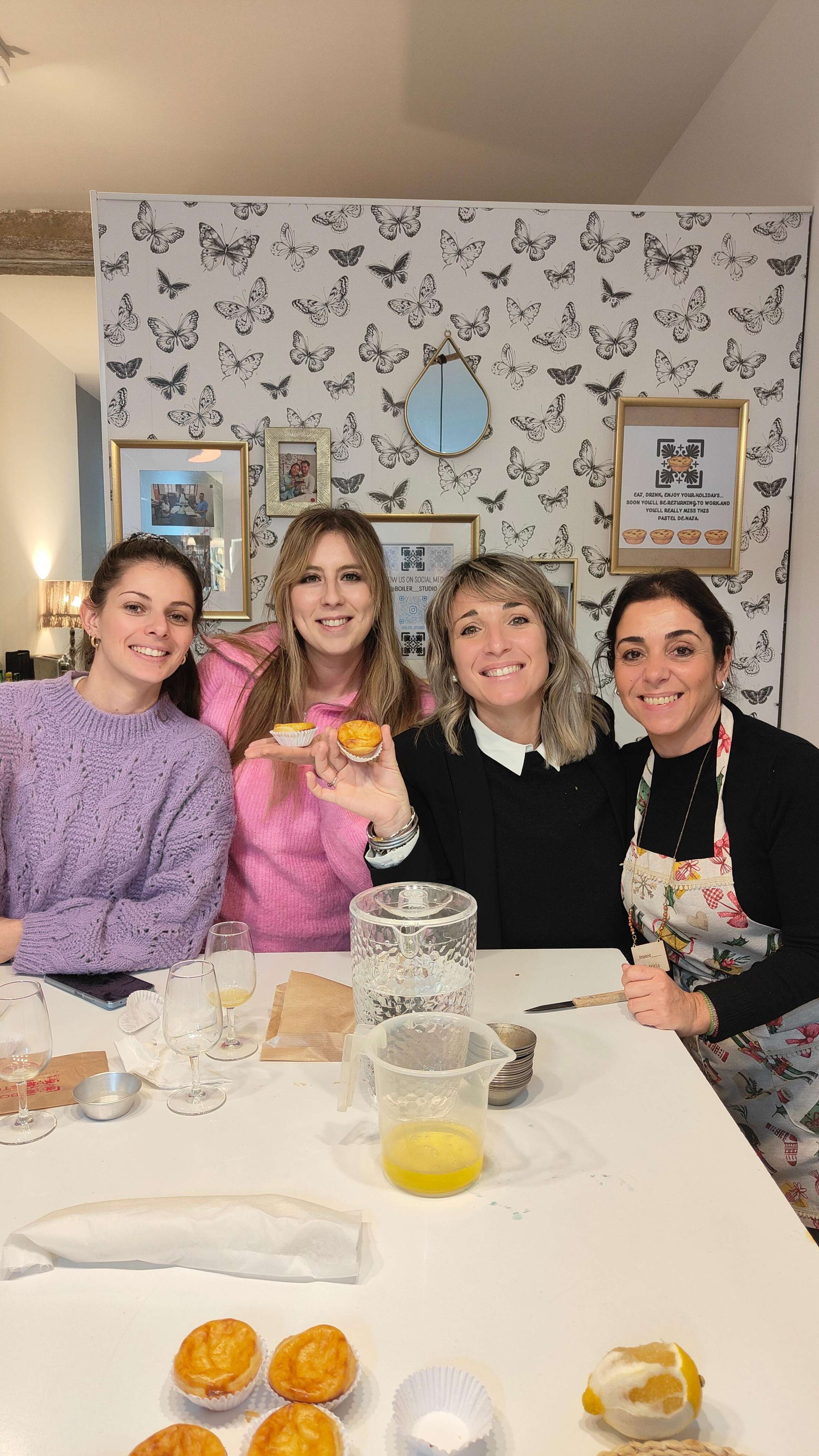
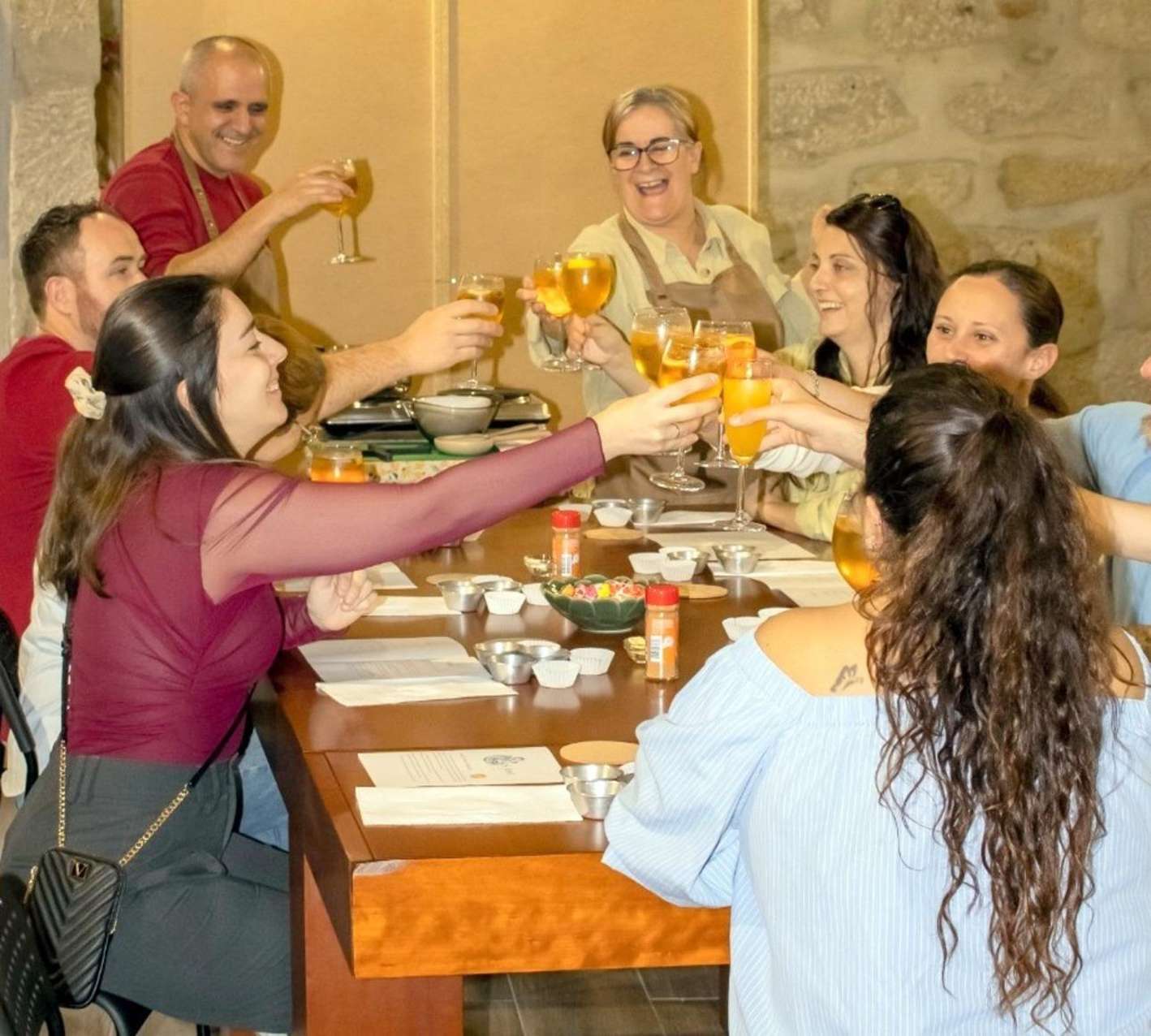
The first thing you notice is the smell of hot pastry and the glass already in your hand.
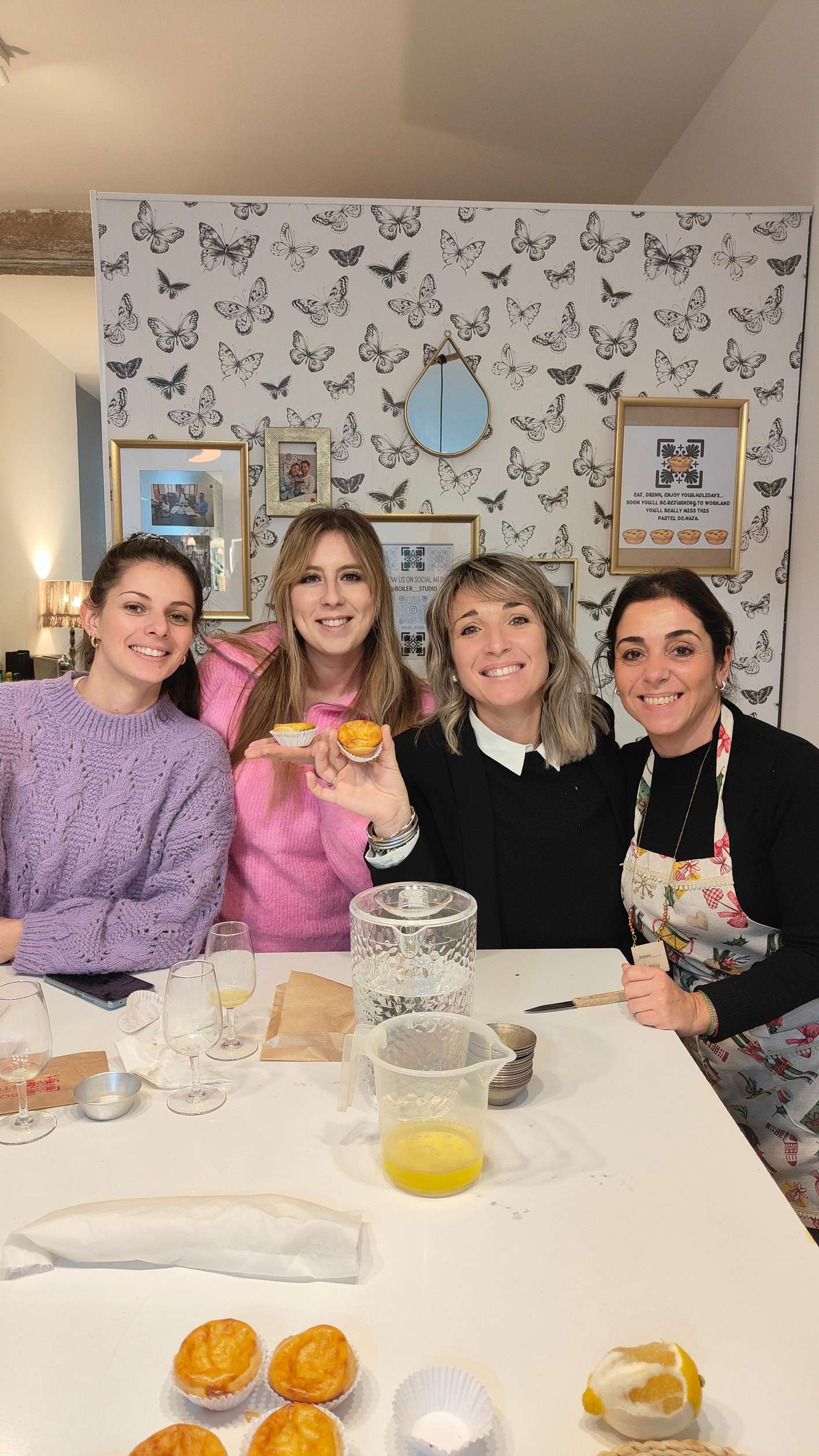
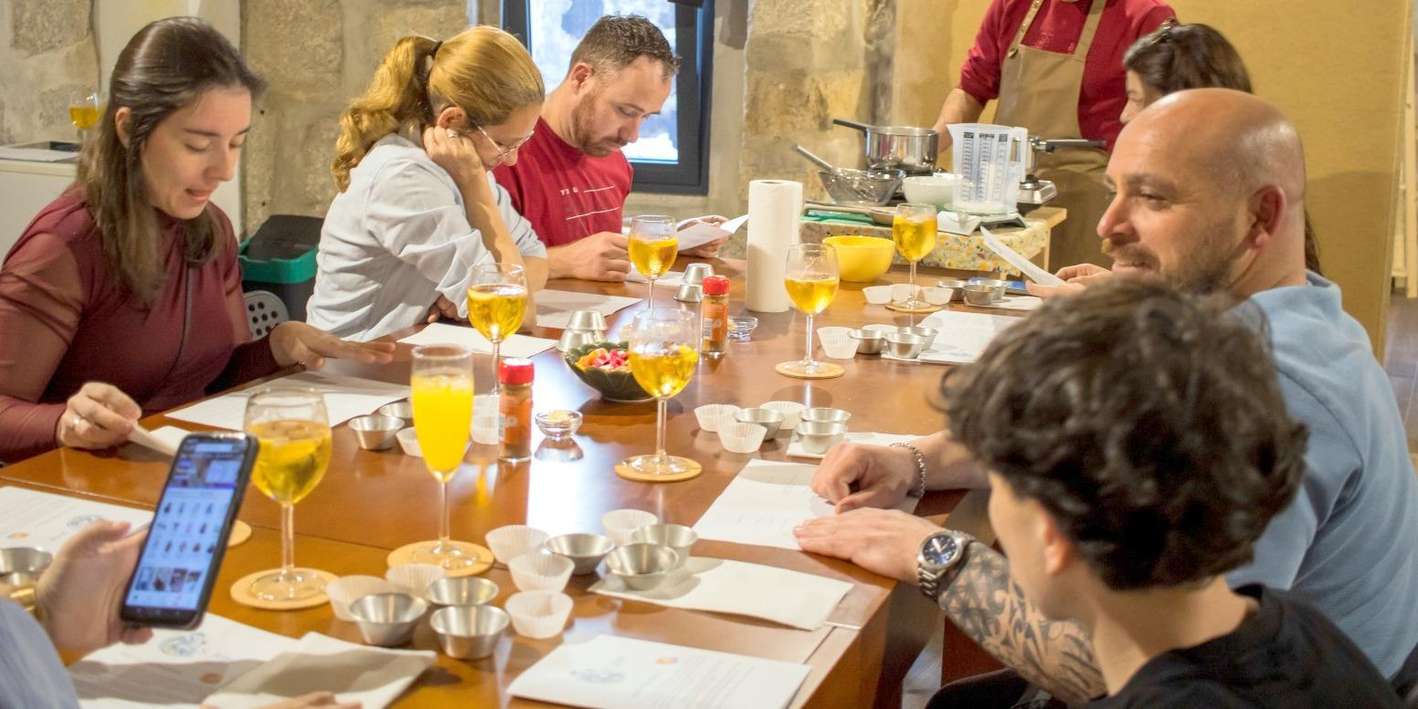
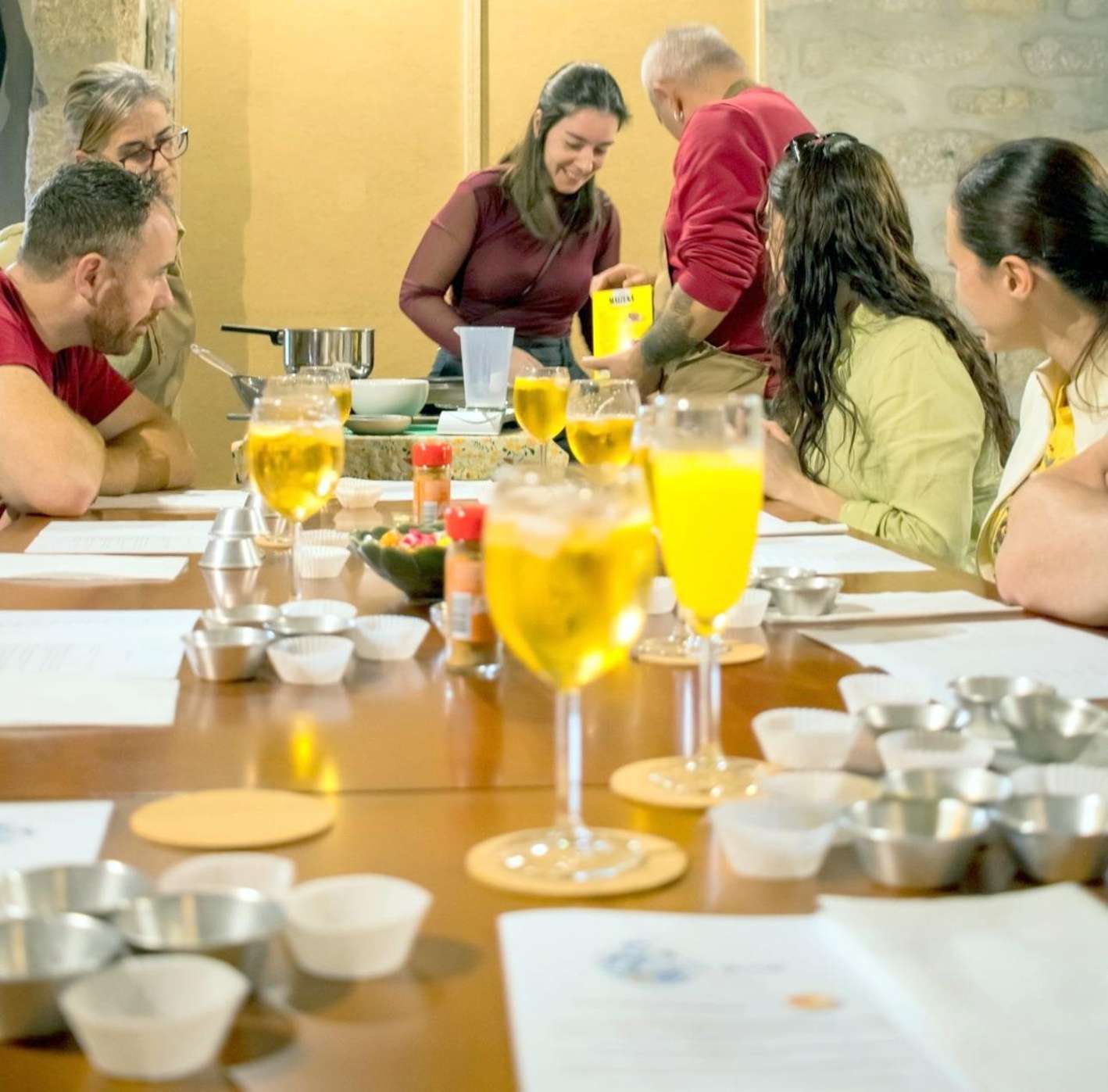
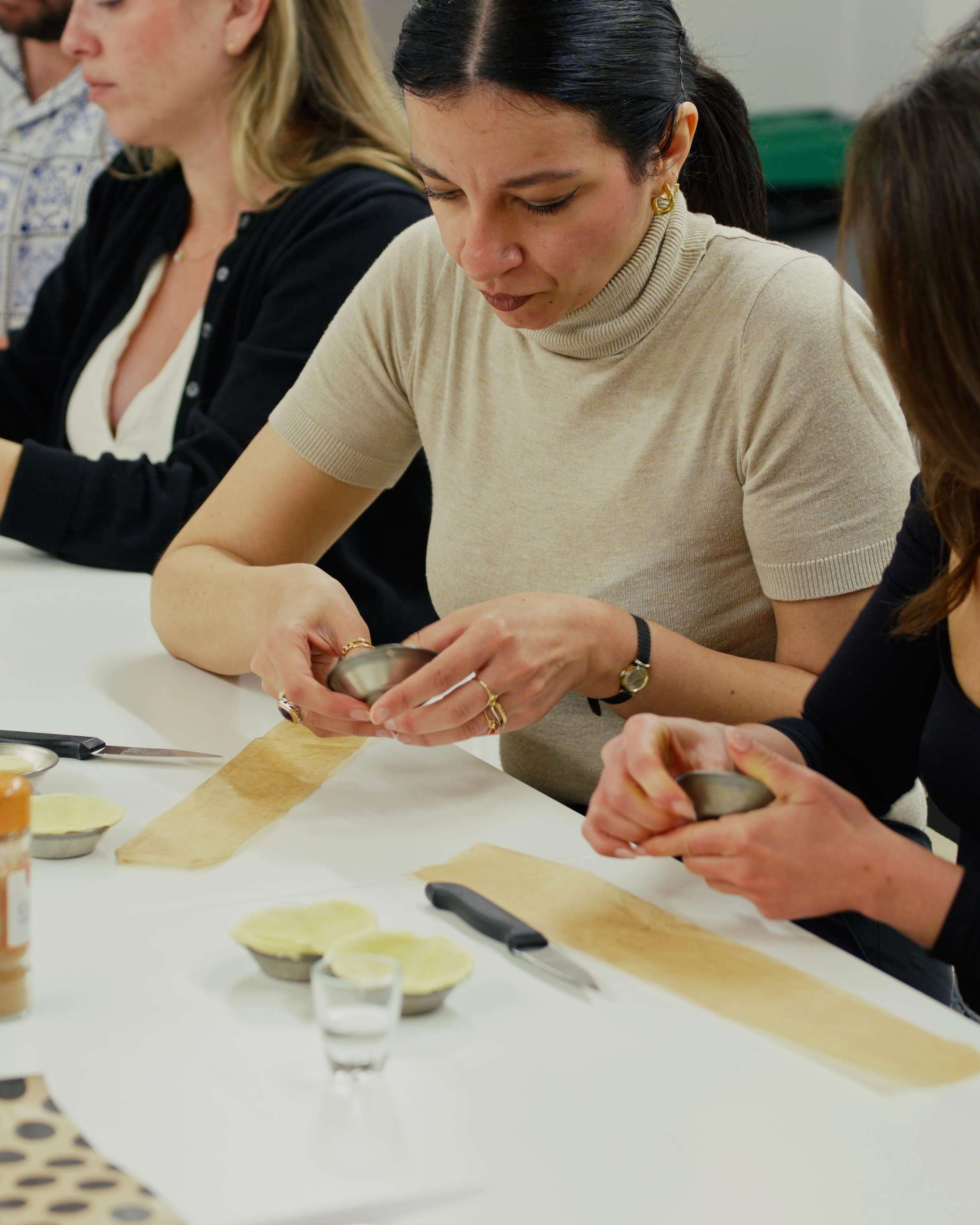
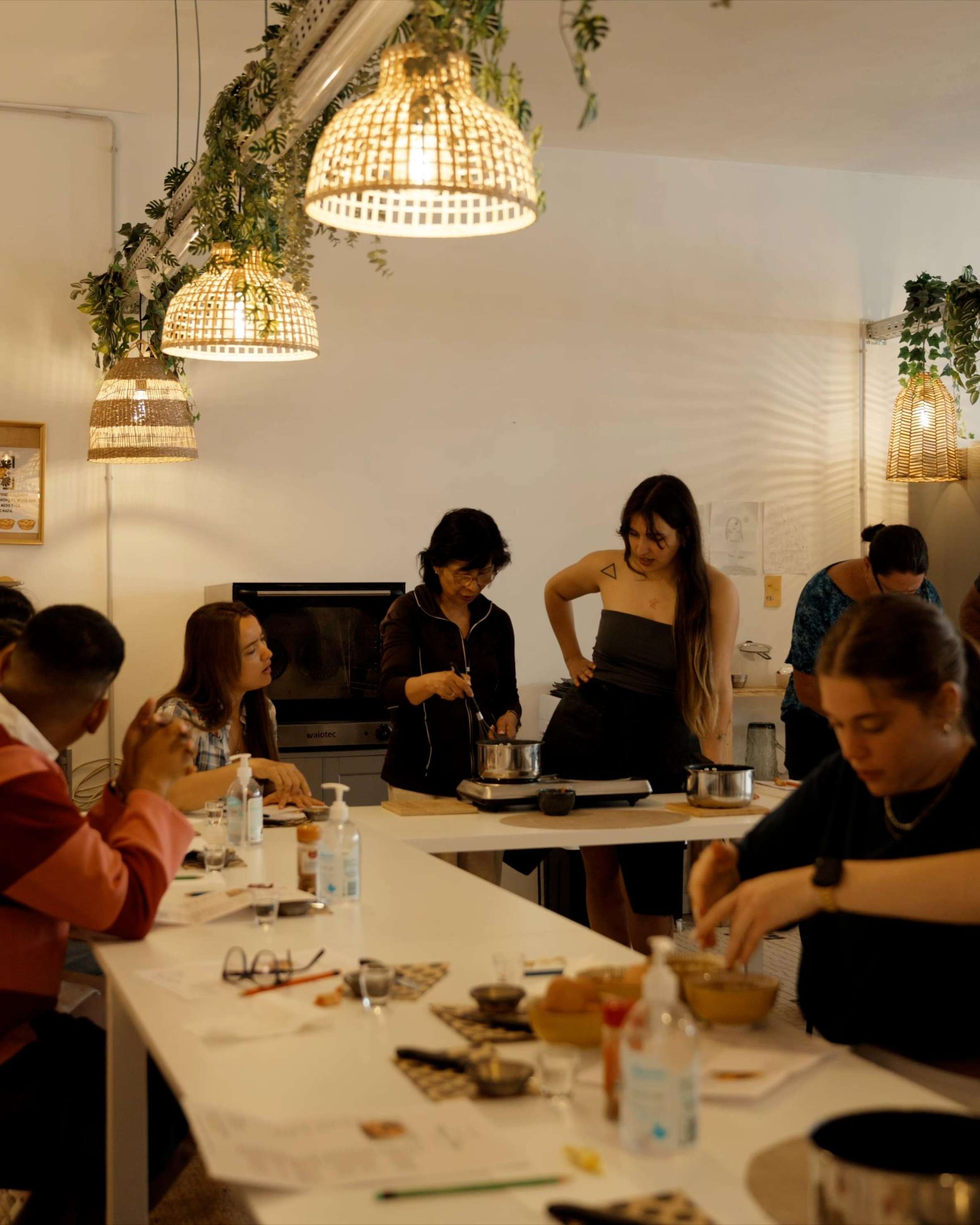
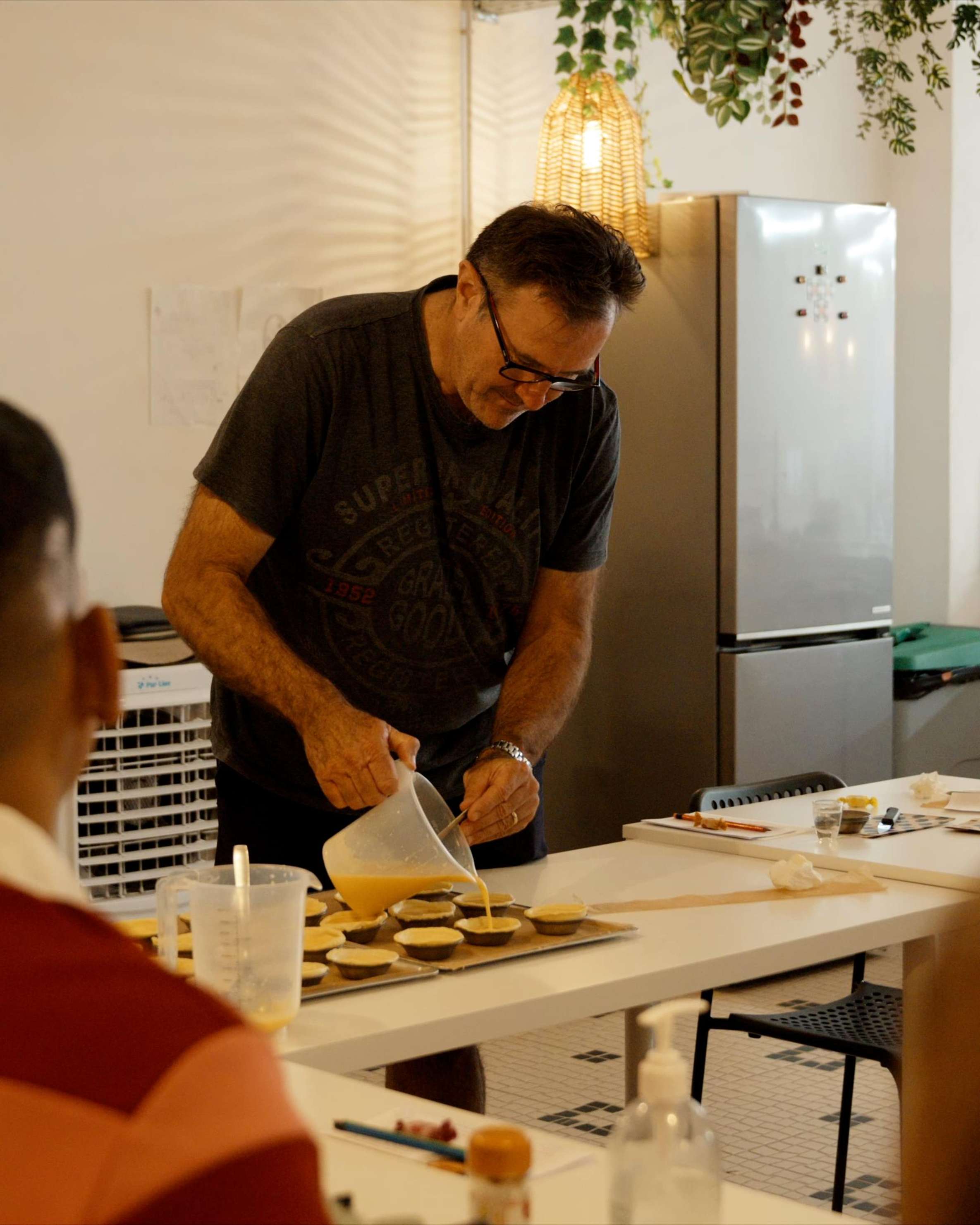
This 1.5 hour session puts you at a work station with up to nineteen other travellers, two teachers guiding you through each step of the custard tart, and one glass of wine, Port wine or a mimosa poured as you work.
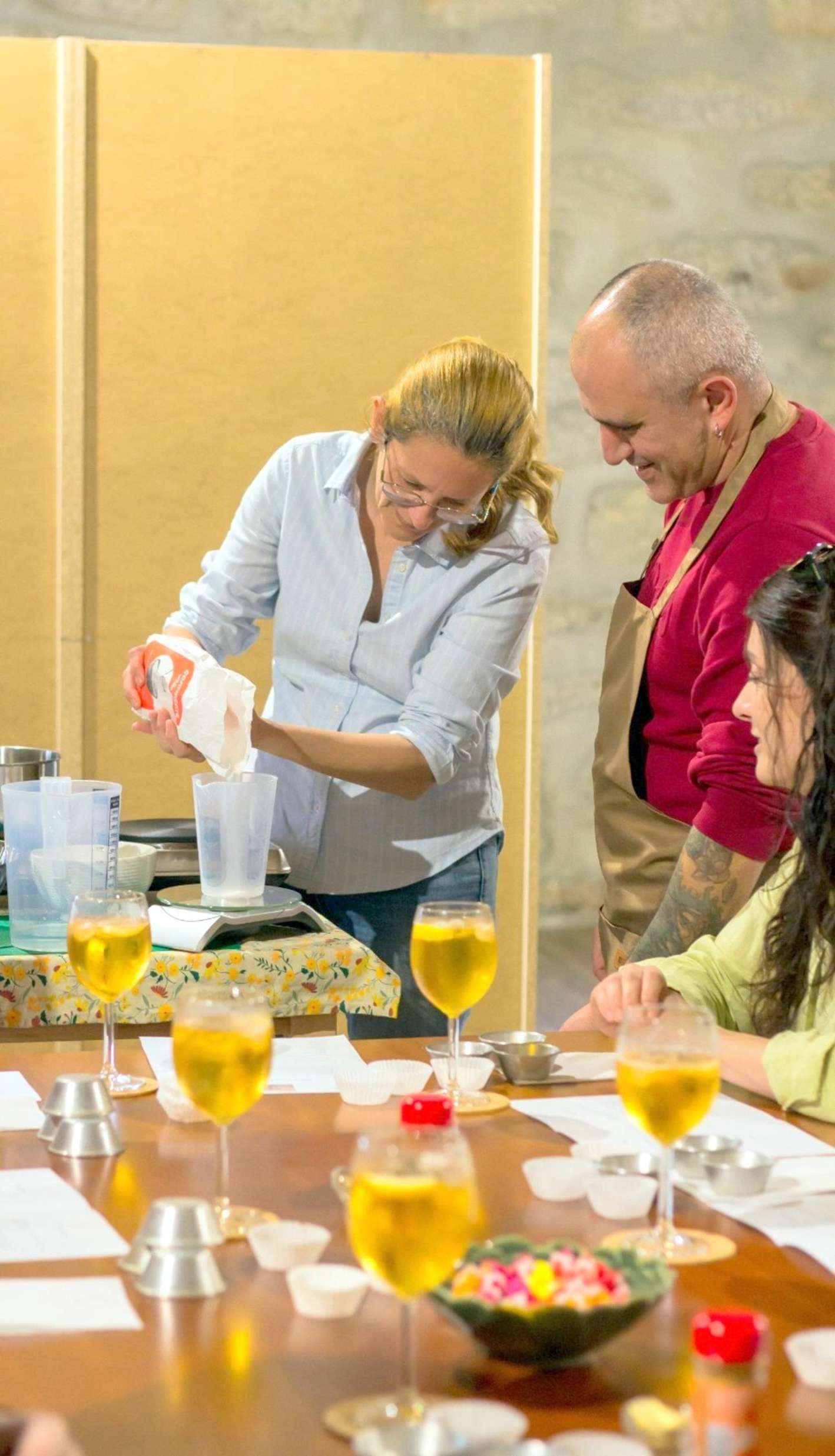
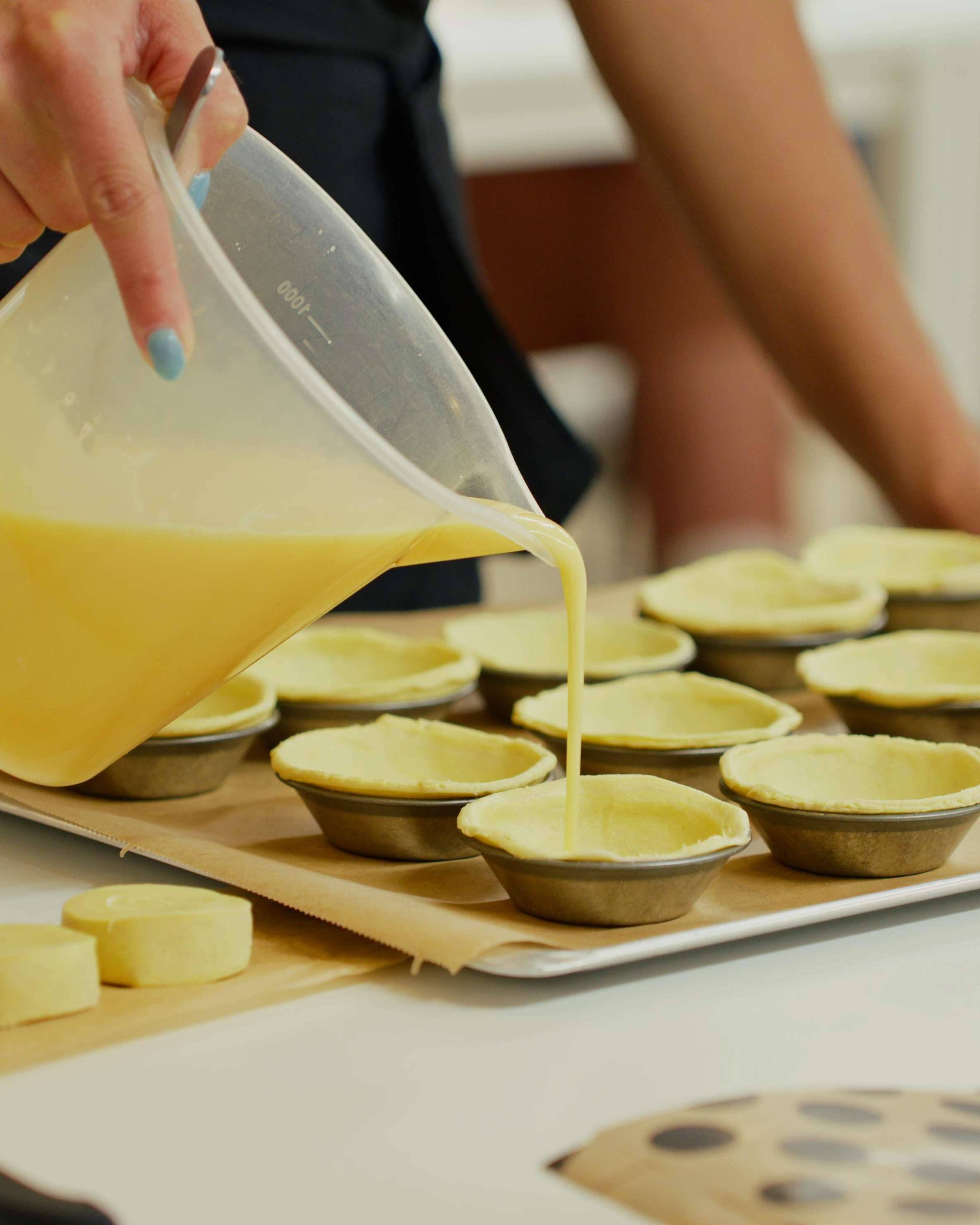
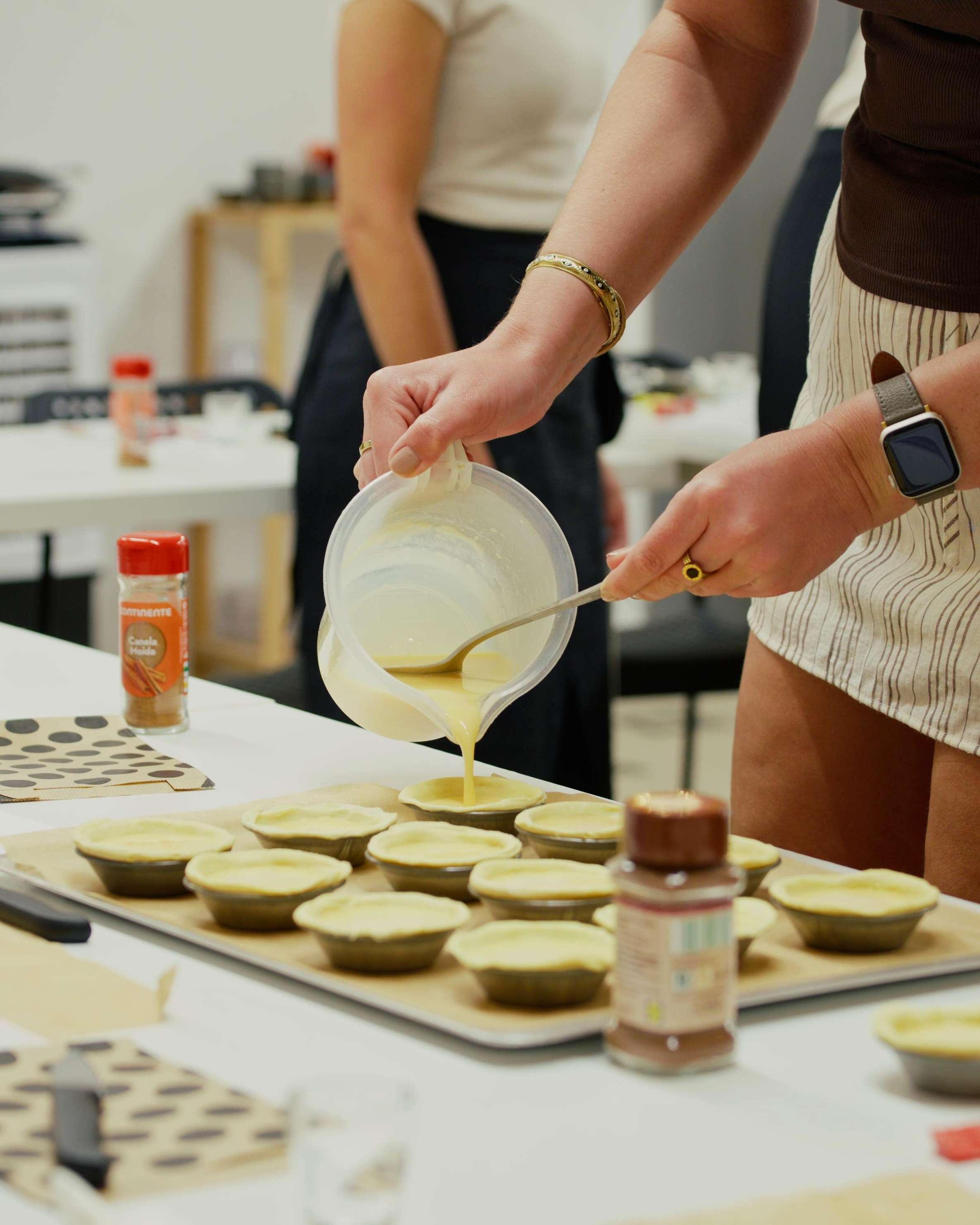
You roll out the pastry, mix the egg custard, and swap tips with the people beside you while the tarts bake. The instructor shares insider advice on the best food spots in Porto.
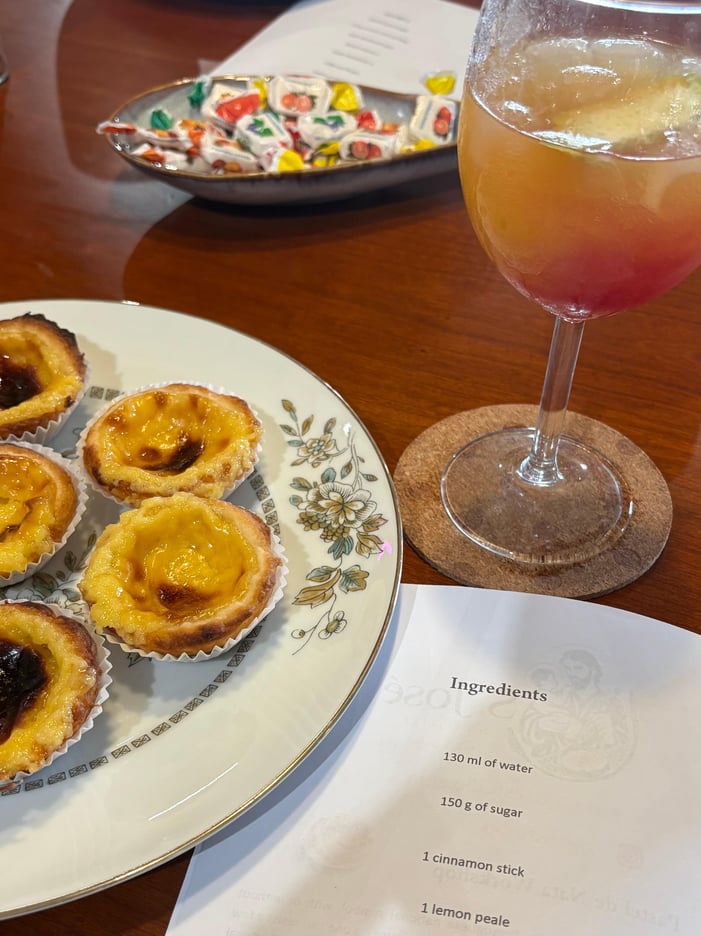
Once the tray comes out of the oven, you eat your fill warm, then carry two or more tarts home in a cardboard pastry box.
Stop 1Welcome and first pour· about 10 minArrive at the studio in the heart of Porto, meet your instructors and choose a glass of wine, Port wine or a mimosa.Stop 2Rolling and filling· about 25 minFollow step-by-step instructions as you roll out the pastry and make the egg custard, with tasks shared across the group.Stop 3Shaping and into the oven· about 20 minForm the tarts in their tins while the teachers explain each stage, and keep your drink going as you chat with fellow travellers.Stop 4Local tips over drinks· about 10 minWhile the tarts bake, your host shares insider tips on Porto, including the best food spots in town.Stop 5Tasting straight from the oven· about 15 minEat the finished pastries warm as they come out of the oven, with time for conversation.
Included
Pastry-making workshop1 glass of wine, Port wine, or a mimosa2 or more pastel de nata to take with you
Travelers said - their day at a pastry making workshop with cocktails in Porto
Pick the pastel de nata workshop that fits your group: one pours wine, Port or a mimosa, the other mixes Porto cocktails. Both run about an hour and a half and are taught in English.
Pro tipBoth tours cancel free up to 24 hours ahead, so you can lock a spot now and rearrange later if plans shift.
ImportantNeither session takes children under 10, and one caps group bookings at 12 before you need to ask ahead.
2. Pick a date and time
Select a day slot on the calendar and check the confirmation message for your exact start time. These sessions run in the morning or afternoon, so an afternoon slot leaves the evening free.
RecommendedAugust and September are the busiest months, so booking your slot a few days early pays off in peak season.
Common mistakeWaiting until the day after you land. Late-summer sessions fill fast and the good time slots go first.
3. Pay and confirm
Check out and watch your email for confirmation from the operator. There is no pickup, so the confirmation includes the studio address; you make your own way there.
Pro tipSave the confirmation on your phone before you set out. Phone signal around the riverfront streets can be patchy when you need the address.
4. Find the meeting point
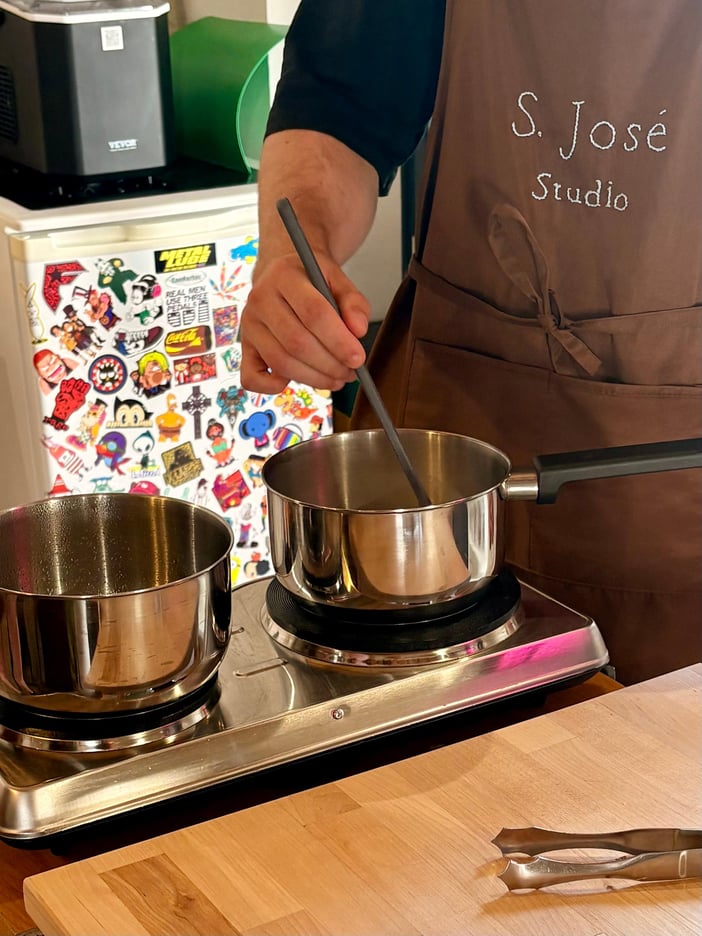
Head to the studio address given at booking. One session takes place in a studio in central Porto; the other meets at St. Joseph Studio on Outeiro Street nº5 in Massarelos, near the Douro riverbank.
Pro tipThe Massarelos location sits on the Caminhos do Romântico route, so arriving ten minutes early buys you a quiet riverside stroll before baking.
5. Show up ready to bake
Arrive a little before the start time in comfortable clothes you don't mind getting flour on. All ingredients and equipment are provided, and you leave with the recipe and at least two tarts in a box.
Common mistakeArriving a minute late. At some workshops doors close at the scheduled start, with no rescheduling or refund after that.
ImportantWear flat closed-toe shoes; sandals and flip-flops are barred in the kitchen. Leave pets at home and note one session is unsuitable for people with food allergies.
What to know before you book a pastry making workshop with cocktails in Porto
arrive hungry, you eat three tarts warm from the oven
Can stop the dayGood to knowGood news
01
ChoosingWhat it is, who it suits, when to go
5
Drinks
One workshop pours a glass of wine, Port wine or a mimosa while your tarts bake. The other serves cocktails typical of Porto, and mimosas and Port tonic appear among the drinks on these sessions. Alcohol in Portugal is for guests 18 and over.
Group size
One workshop caps the room at 20 people across three work stations with two teachers. Larger groups can ask the operator about extra arrangements. Tasks are shared among the group, so you take turns on filling, assembling and baking.
Takeaway tarts
You bake about five pastéis each and eat some fresh from the oven. The rest go home with you, and one workshop includes a cardboard pastry box for at least two tarts. Freshly baked pastéis de nata travel fine in carry-on luggage on flights out of Porto.
Tipping
Tipping your instructor is not mandatory in Portugal, and no workshop expects it. If the session made your day, small change or rounding up is a kind gesture. Your booking price covers the class itself.
Solo travelers
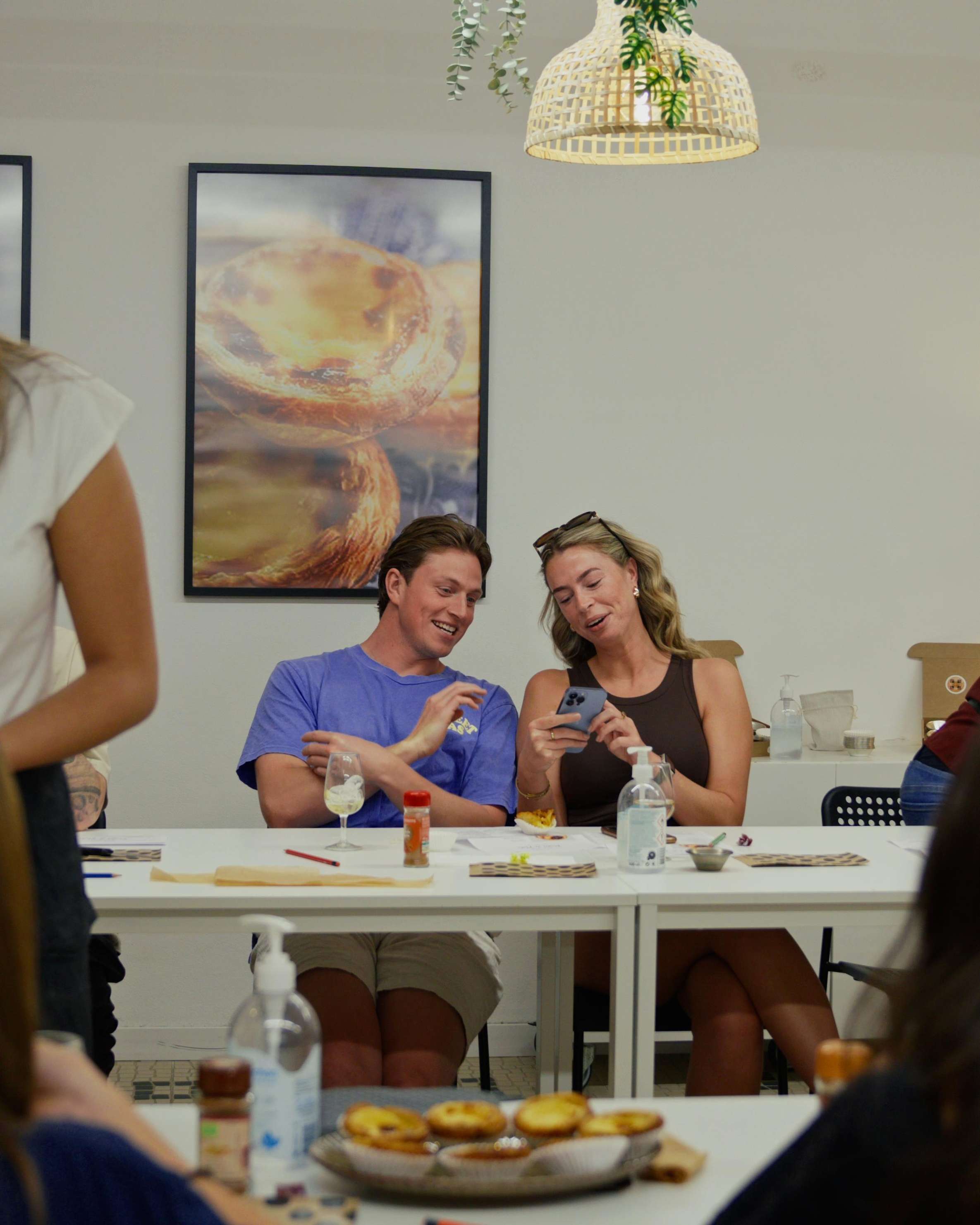
Going alone works in your favor here. Baking around a shared table gives you an instant topic of conversation, and drinks while the tarts bake make meeting people feel natural rather than forced.
02
BookingHow far ahead, and what happens if plans change
1
Cancellation
Both workshops cancel free up to 24 hours in advance for a full refund. Plans can wobble on a holiday, so that window is worth remembering. Rescheduling is handled within the same cancellation window.
03
Before you goPapers, health, what to bring
3
FootwearCan stop the day
Porto cooking studios require flat, closed-toe shoes in the kitchen. Sandals and flip-flops are turned away, since you work near hot ovens. Wear casual clothes you do not mind getting flour on.
Age limits
One cocktail workshop welcomes children over 10 and refuses entry to younger kids. Age rules differ across Porto baking classes, and anyone under 18 cannot be served the drinks. Check the age line on the class you pick before you book.
Allergies
One workshop states outright that it does not suit people with food allergies. The recipe runs on egg custard and wheat pastry, so flag any allergy before you book. There is also a dedicated vegan class elsewhere on this site.
04
On the dayWhere to be, when, and how you get there
2
Duration
Both cocktail workshops run about 1.5 hours from arrival to the final tasting. That is enough time to bake, sip and hear the story behind the tart without giving up a whole afternoon. Book a morning or late afternoon slot and the rest of your day stays free.
Arriving late
Doors close at the scheduled start time at some Porto workshops, and late entry means no refund and no rescheduling. Other studios try to slot latecomers in at another time if they can. Aim to arrive ten minutes early.
05
During the tourWhat is expected of you
1
Tipping
No tip is expected for your host or the kitchen assistant, though rounding up or leaving small change is always appreciated if the class made your day.
Pastel de nata pastry making workshop with cocktails - a Porto guide
tarts bake at ferocious heat, 250° plus
A pastel de nata class in Porto runs 1.5 hours, pours drinks while the tarts bake, and sends you off with a box of warm pastries. What nobody settles for you beforehand: whether the baking is real. These chapters do.
Porto
If you only remember three things
1
Book late afternoon, between 3:30 pm and 6 pm, so the class slots into the Portuguese lanche hour before dinner.
2
Arrive early: at some workshops the doors close at the scheduled start and latecomers get neither entry nor a refund.
3
Cancel up to 24 hours in advance for a full refund, so a flight delay is survivable if you act in time.
Is a pastry making workshop with cocktails real baking?
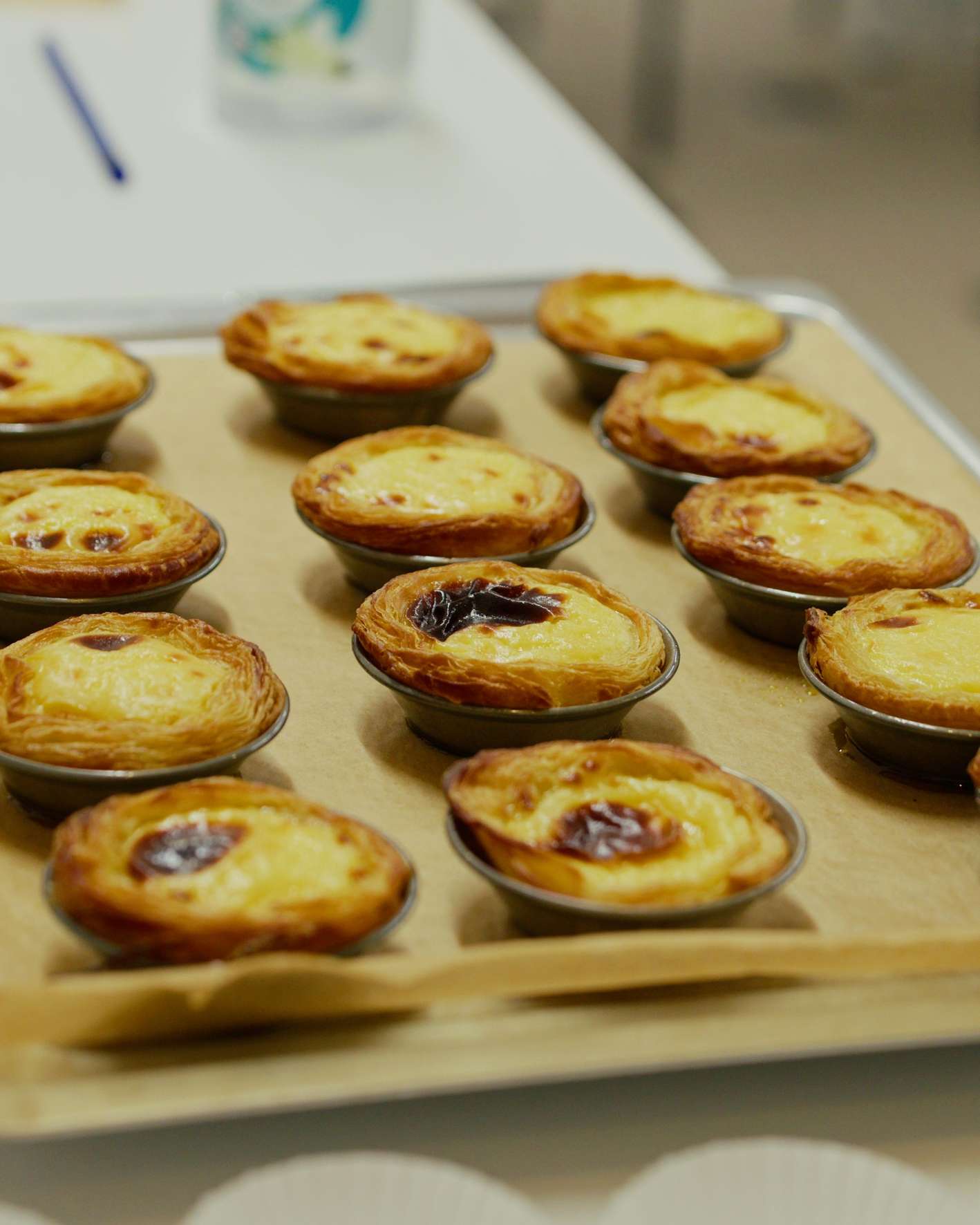
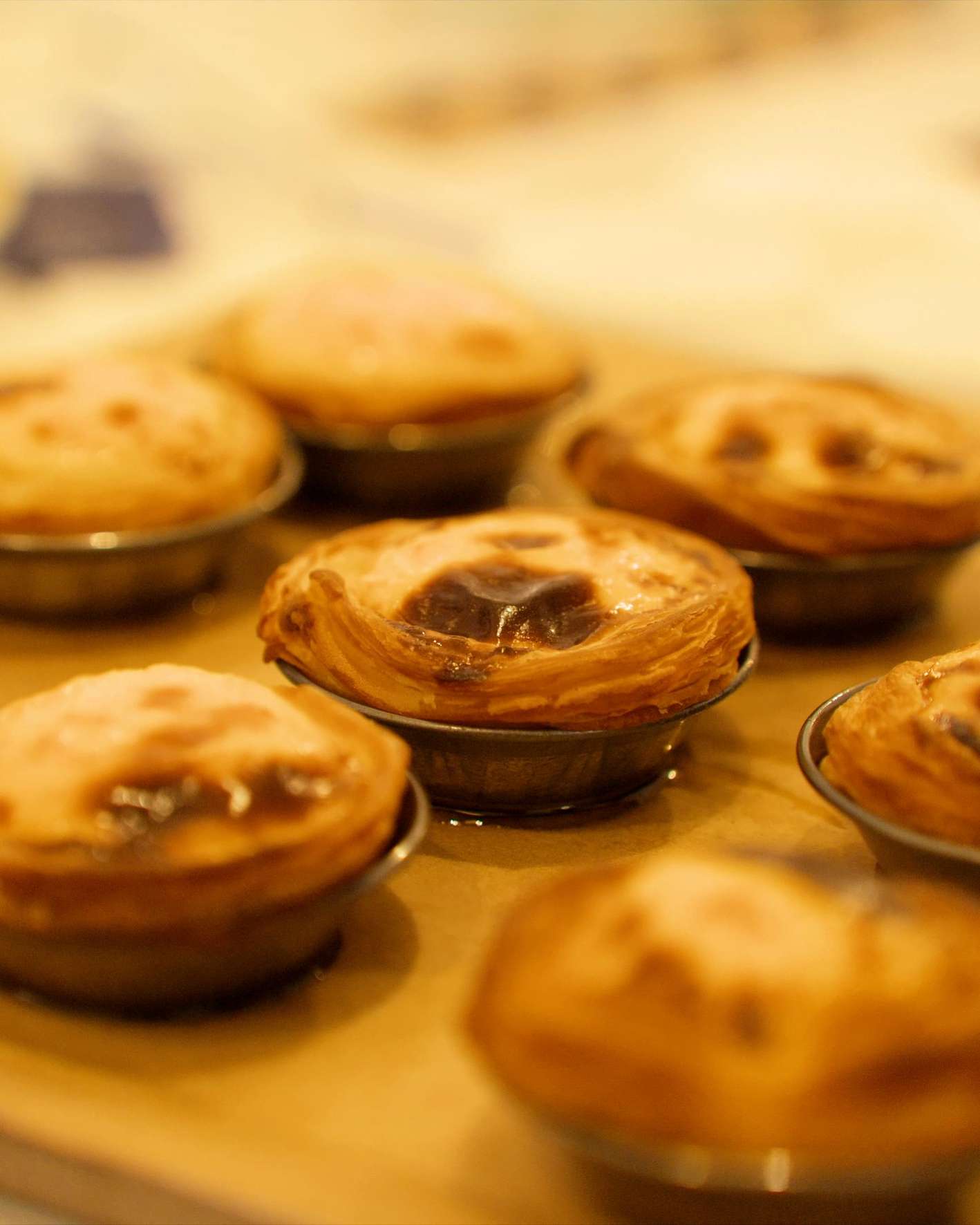
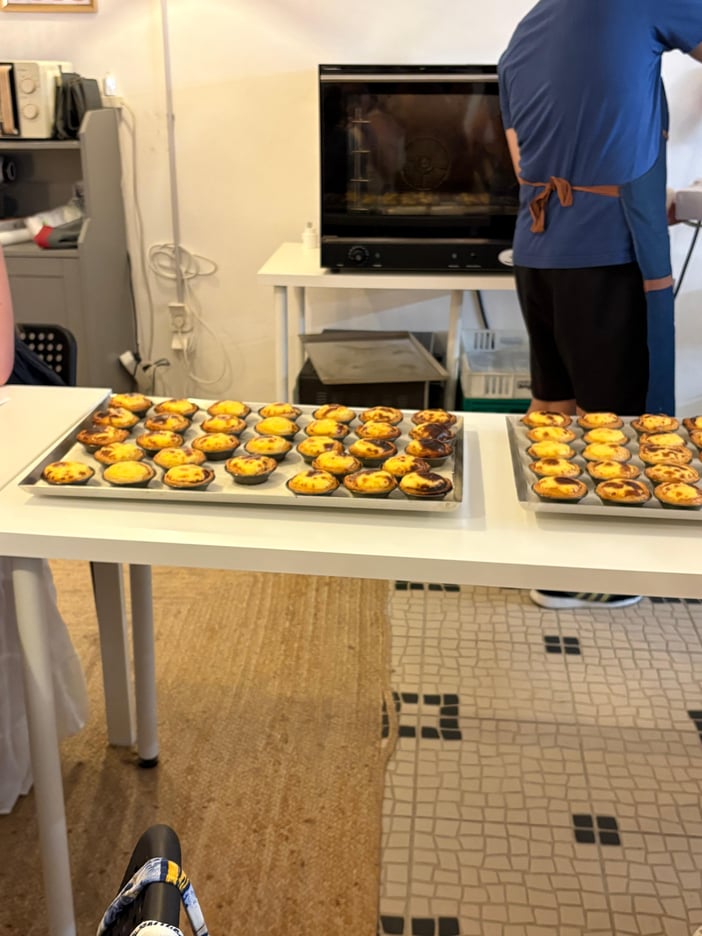
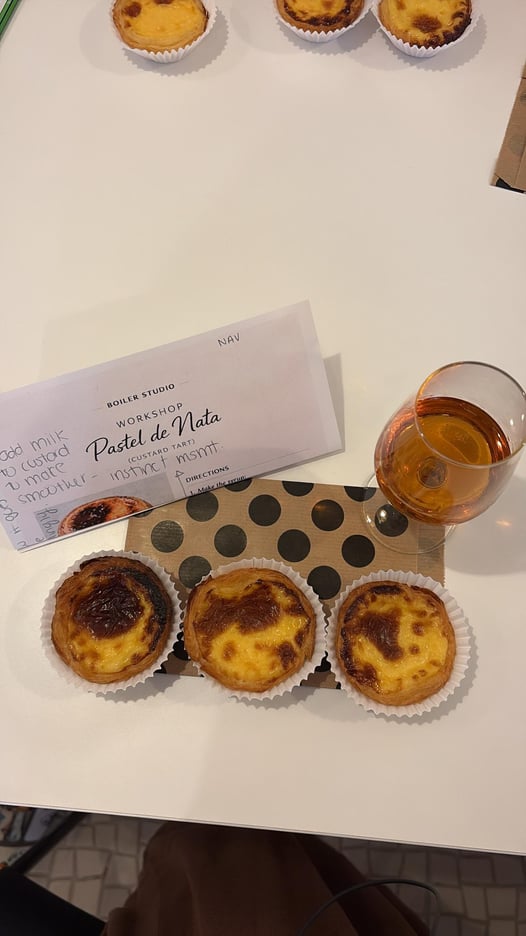
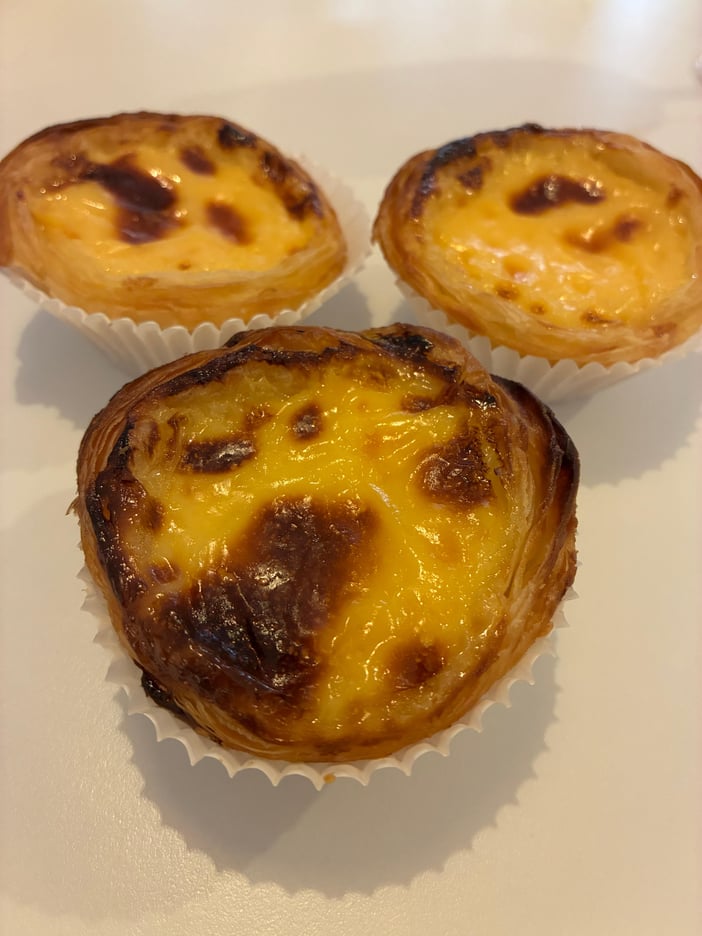
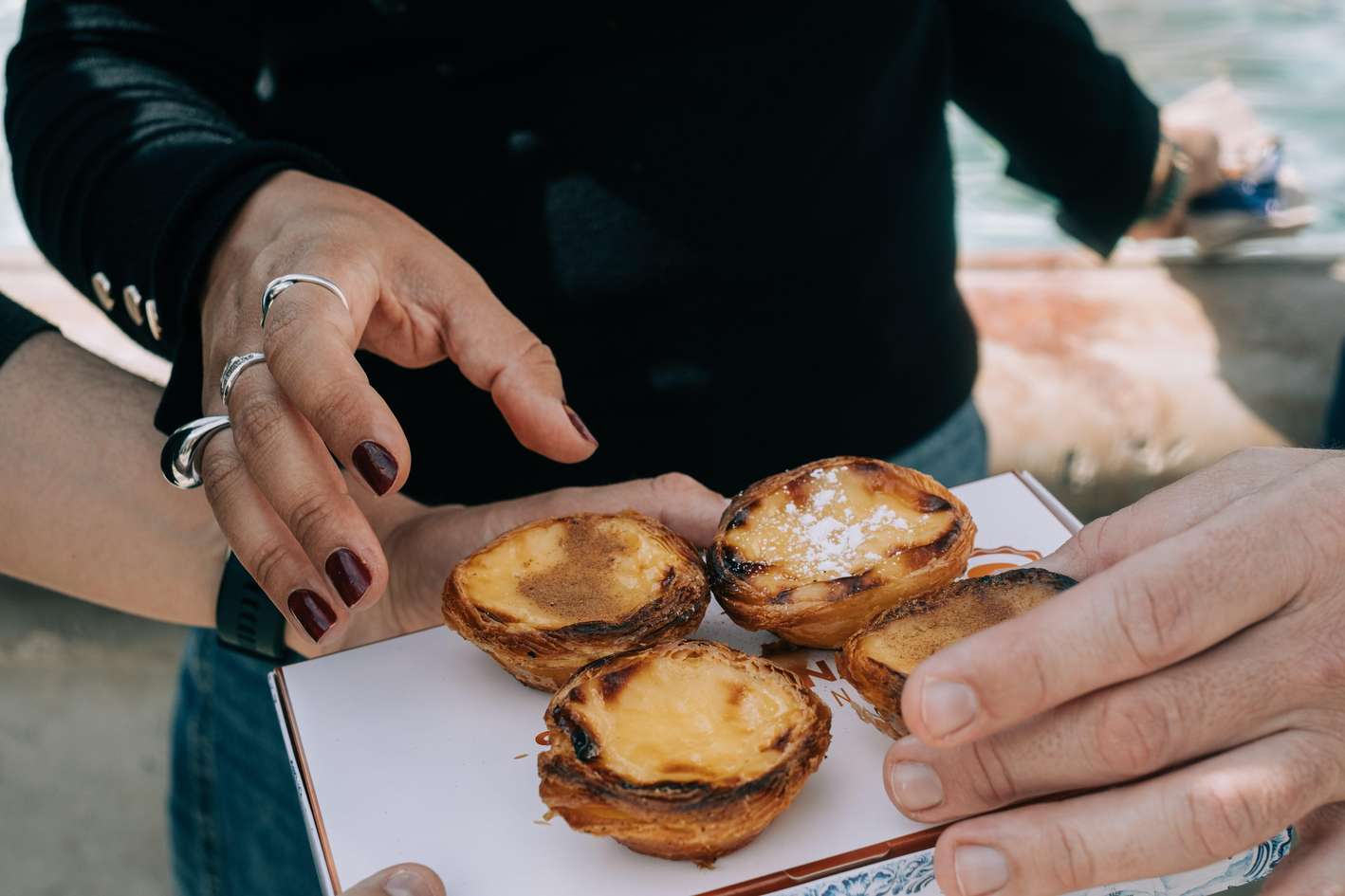
The first custard tart of the class comes out of the oven scorched in dark spots, the way a Porto bakery does it, and someone at the table is already halfway through a mimosa. That combination is the whole idea. You really bake: filling, assembling, the works, while drinks are poured around the prep bench.
The pairing has roots. Portuguese convents used egg whites to starch habits and clarify wine, which left plenty of spare yolks, so the nuns folded them with sugar into sweets to keep nothing from going to waste.
A tart born from surplus now pairs with a Port tonic, a drink created to give an old product a younger audience.
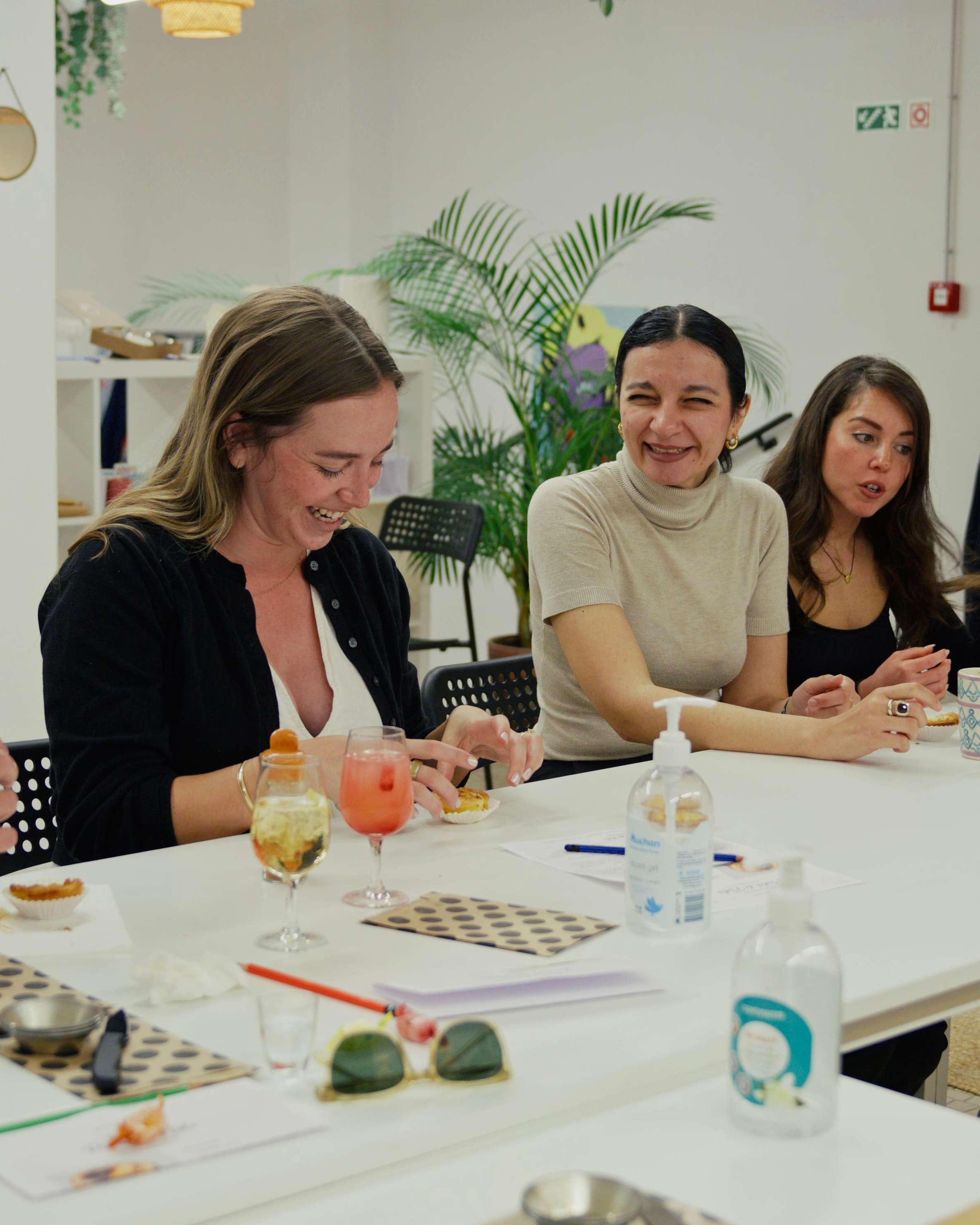
The drinks are not a sideshow. They are poured during prep and baking, which loosens the room, turns strangers into tablemates and makes the lesson feel like cooking with friends instead of a classroom. Ask for a tart plain first, then decide on cinnamon or powdered sugar.
What nobody tells you
Drinks arrive during prep and baking, so the ice breaks in the first ten minutes
You are chatting before the dough work starts, which is why the class doubles as an evening out
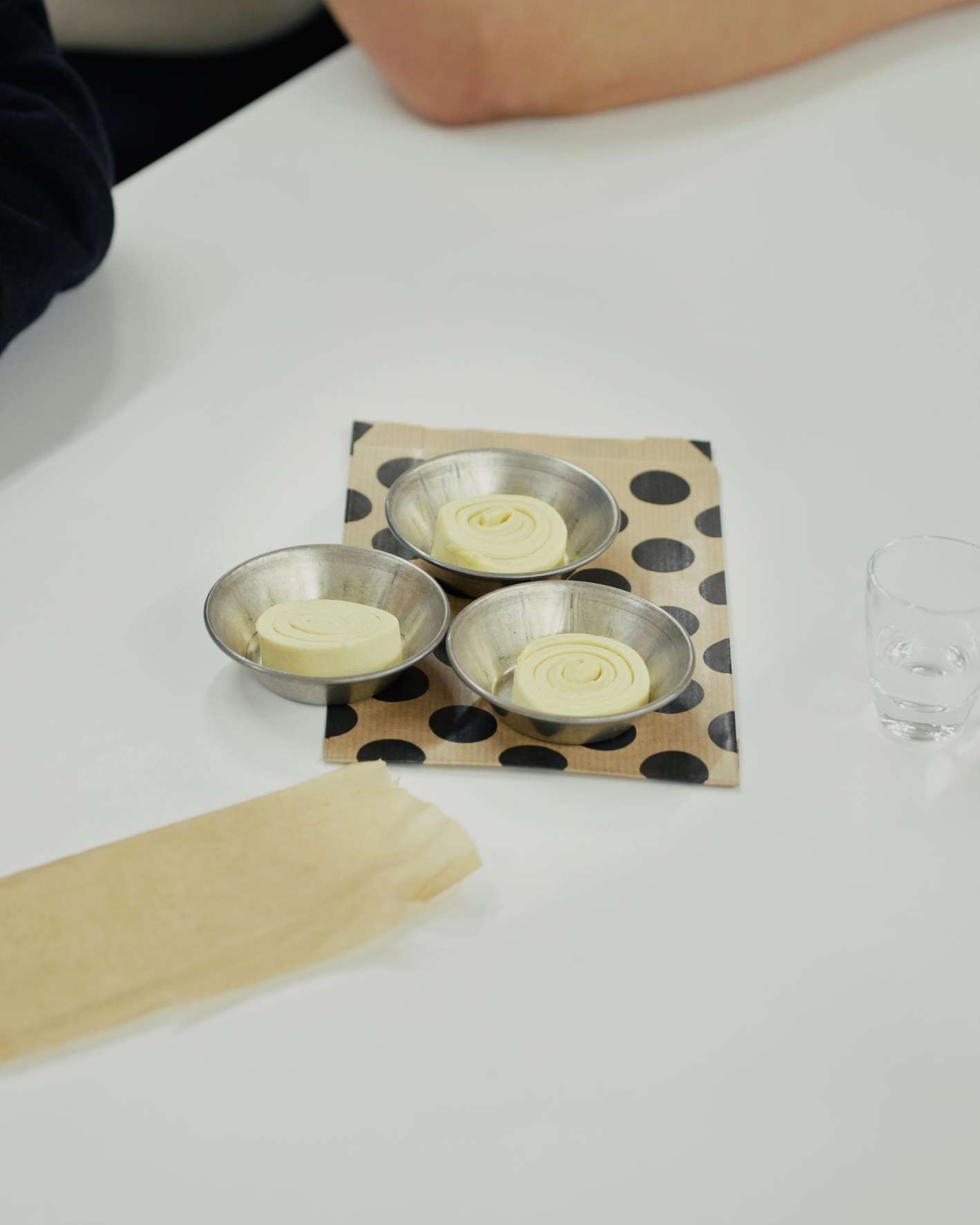
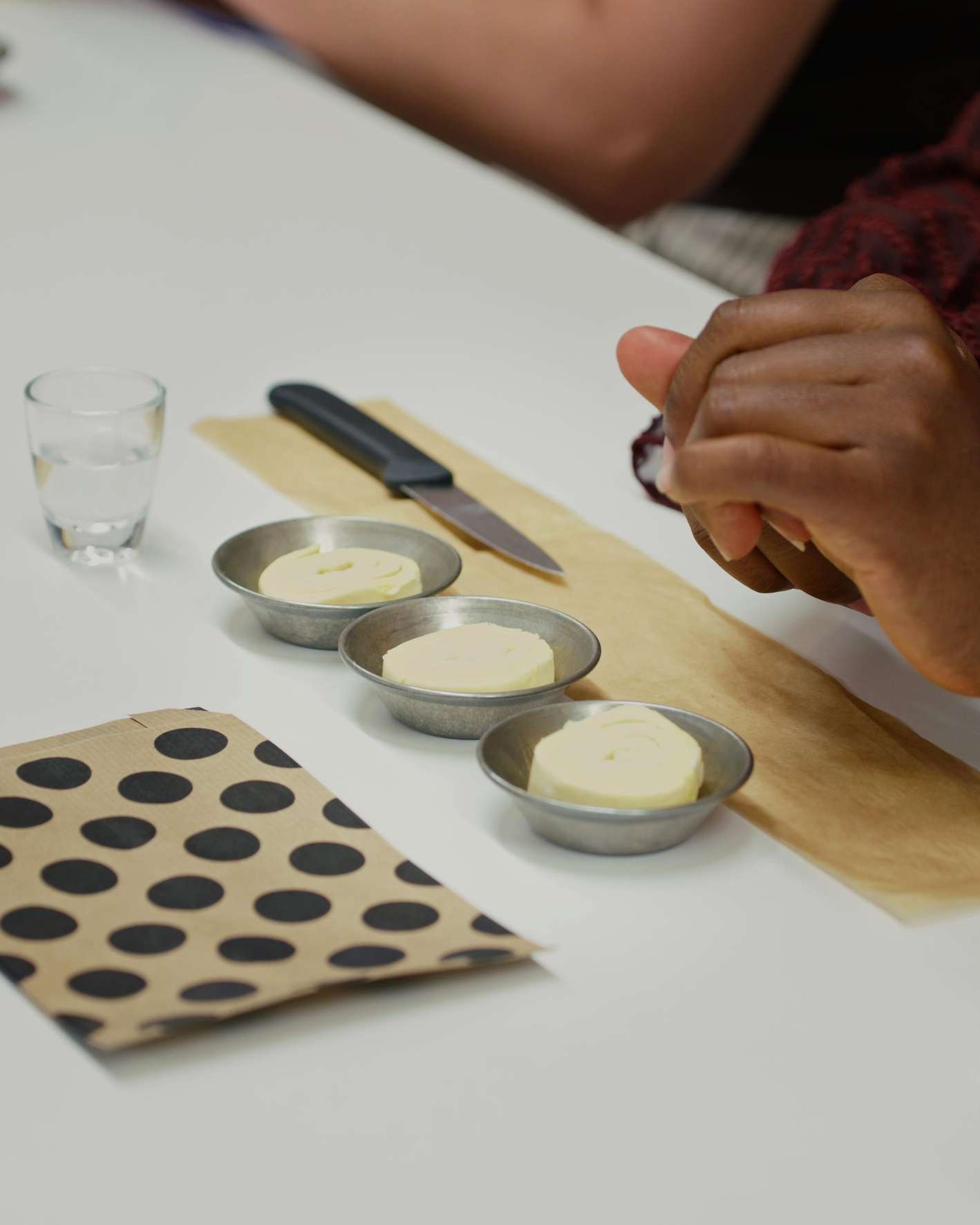
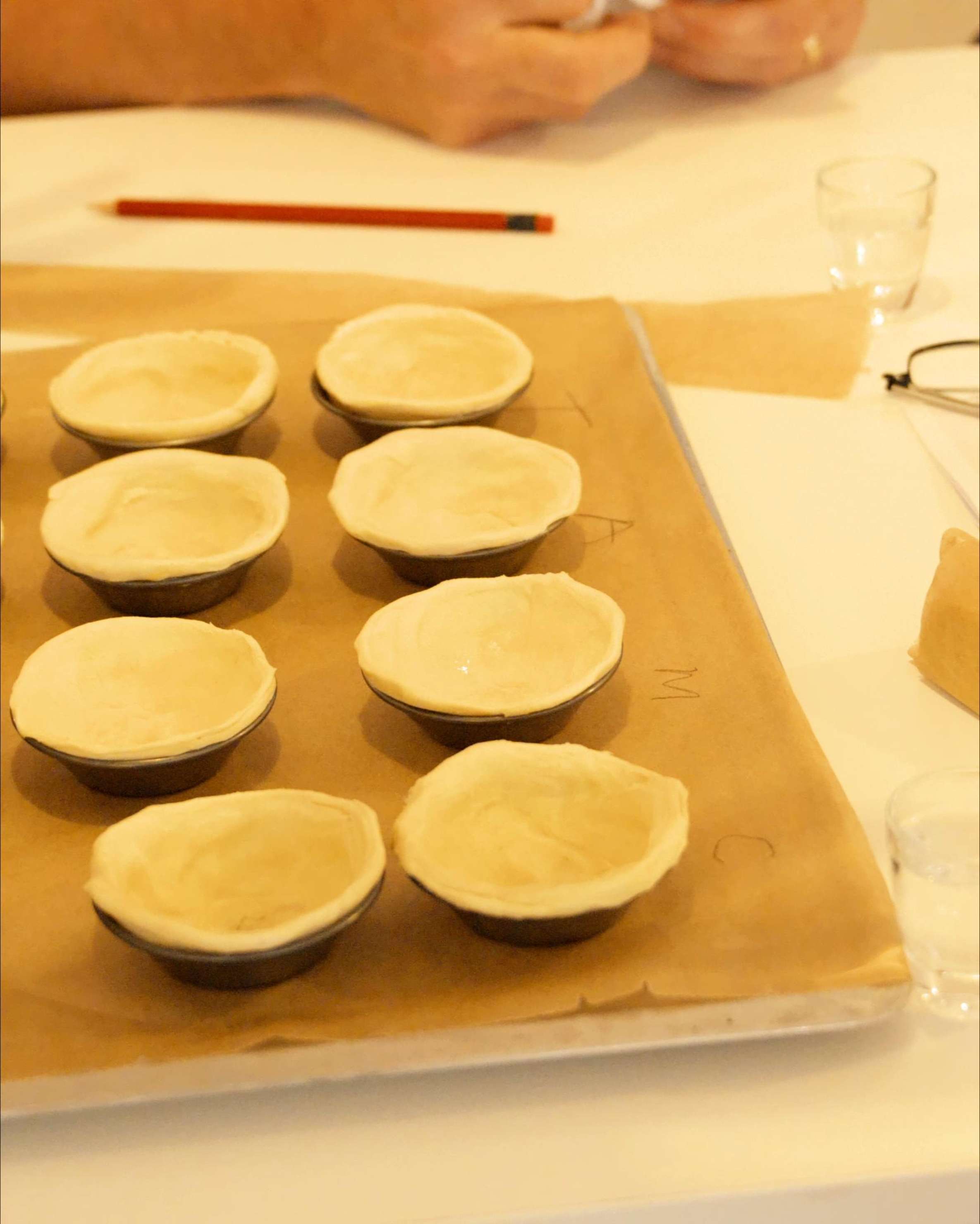
The pastry is prepared before you arrive
Real laminated puff pastry needs more than five hours of folding and resting, so no honest 1.5-hour class can make it in the room
The host shares Porto tips between steps
Ask where they eat; one guide hands out restaurant recommendations for the rest of your trip
Read those three lines together and the choice is settled: you bake for real, the drinks arrive early enough to shape the mood, and the pre-made pastry is a matter of physics, not laziness. A tart class with cocktails gives you the technique and the evening in one sitting.
Tour for this
Porto: Pastel de Nata Pastry-Making Workshop with cocktails4.9★ (2,542) · 1.5 hours · Free cancellation
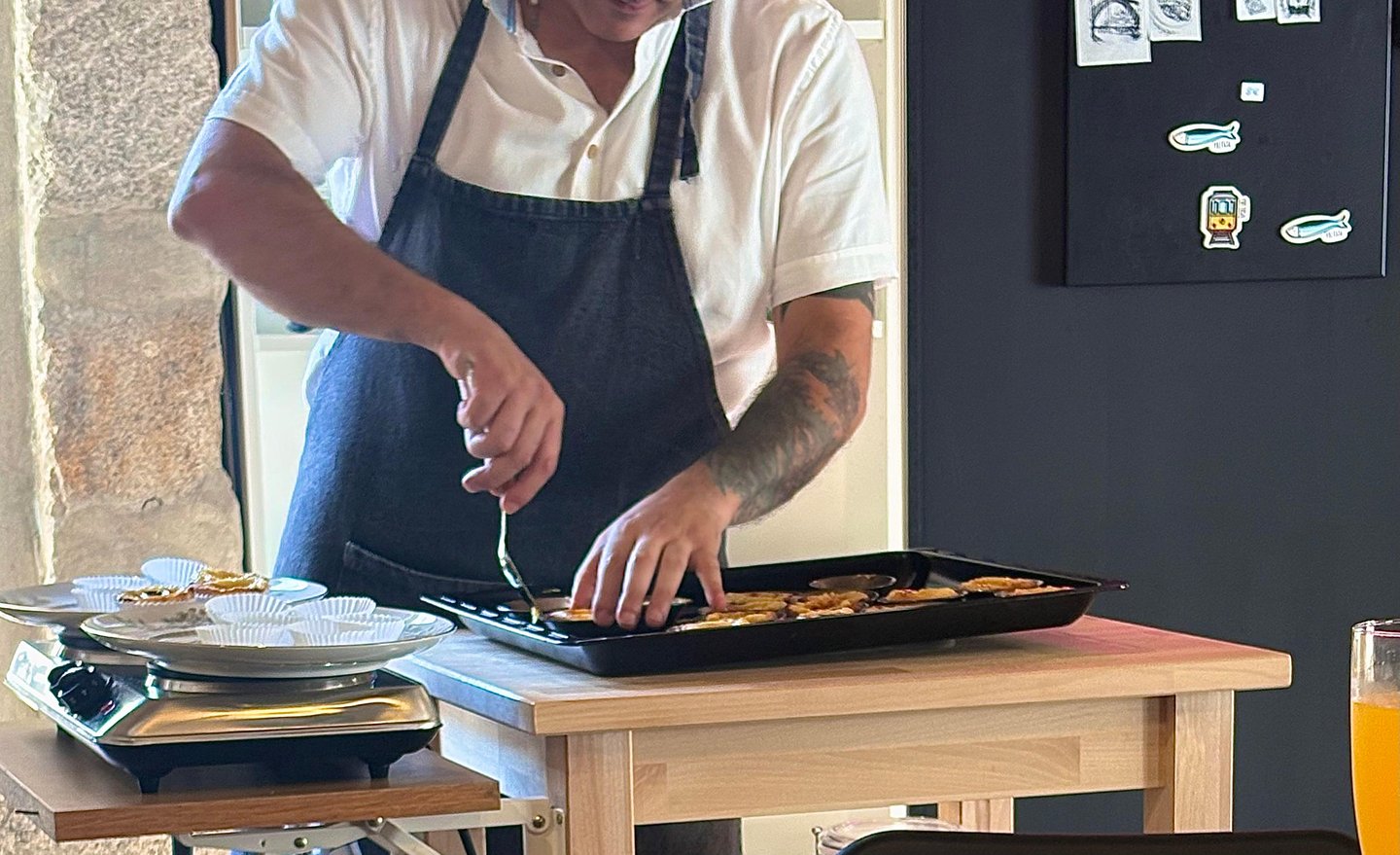
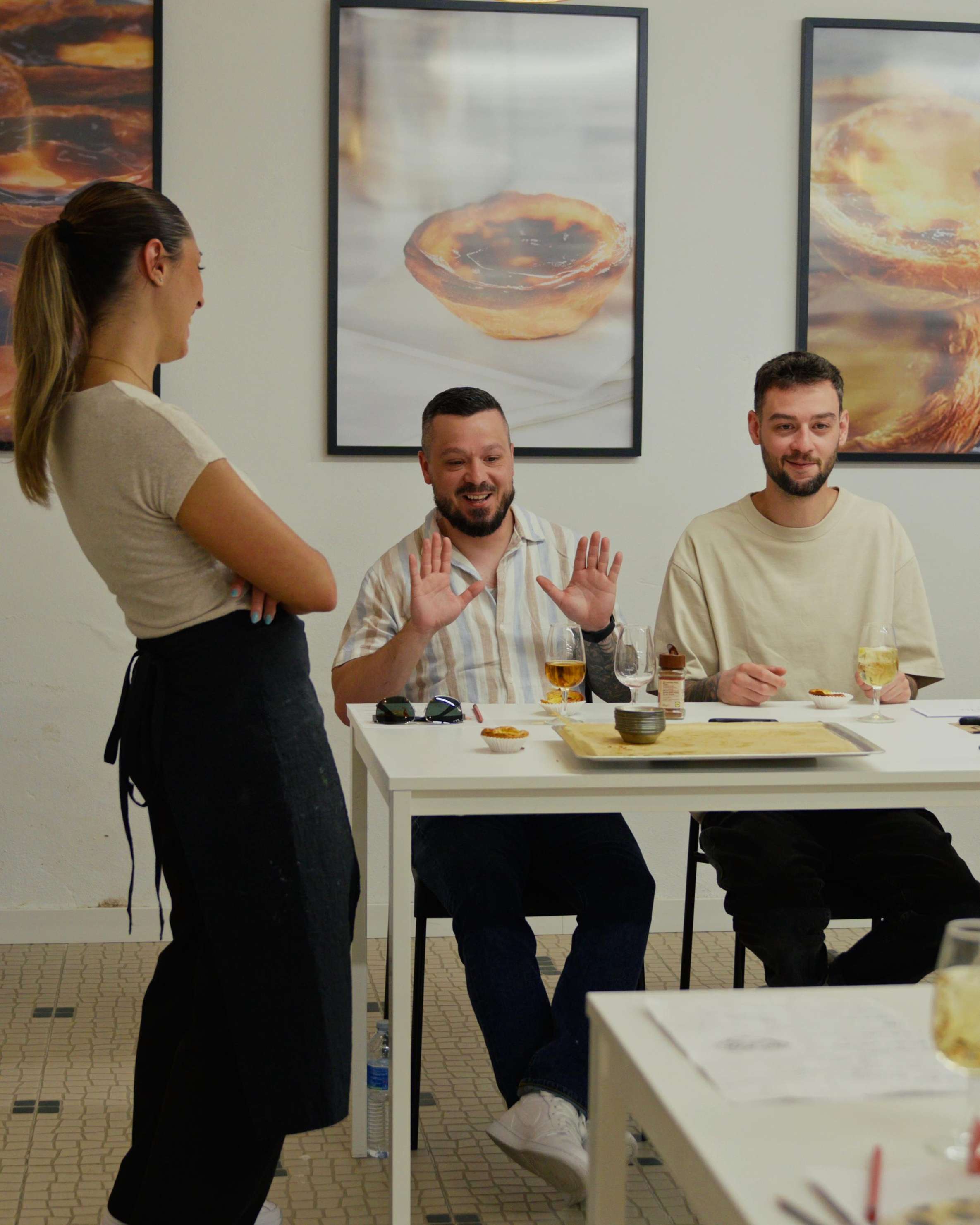
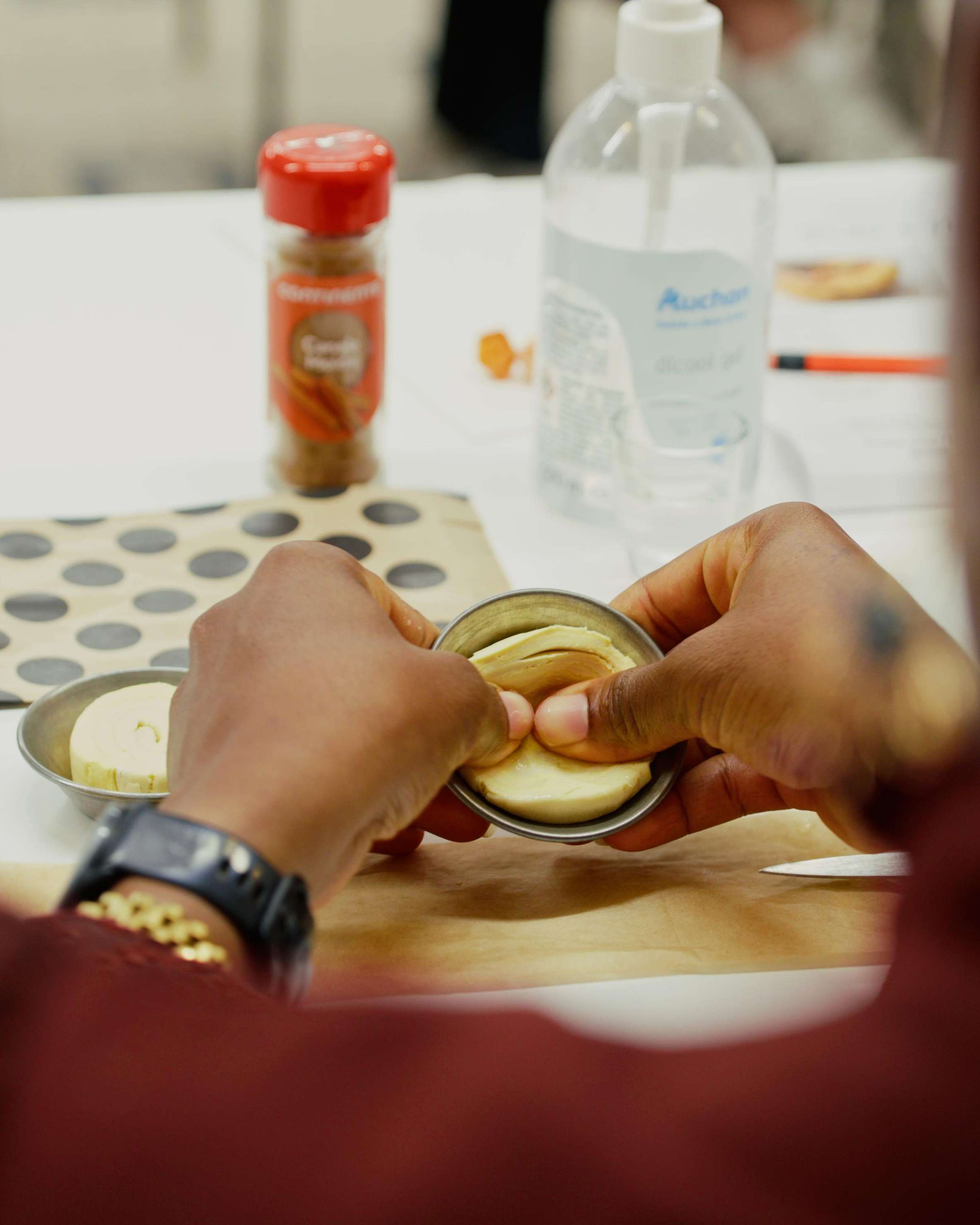
Aprons go on, the host divides the recipe across the table, and the room splits into stations. One group fills, another assembles, someone else tends the oven. Tasks are shared around the bench: you take turns on the steps of the recipe, and the host guides and explains while you work.
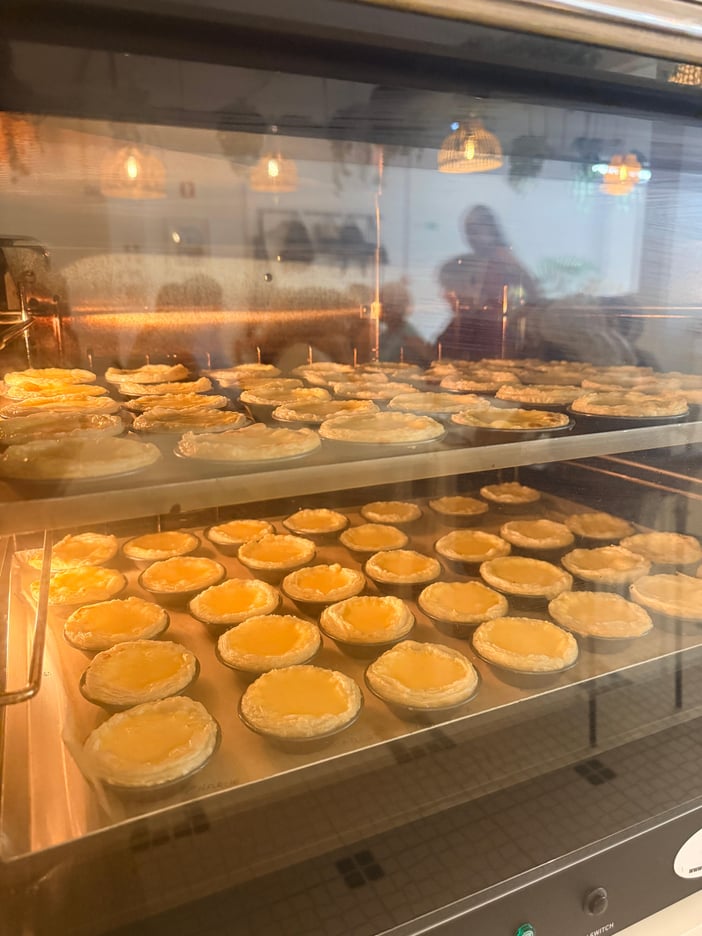
The cocktail matters most in the quiet stretch while the tarts bake. Custard tarts need ferocious heat, the kind that scorches the top before the filling splits, so the bake is fast and the oven is loud. Glasses come round; conversation fills the wait.
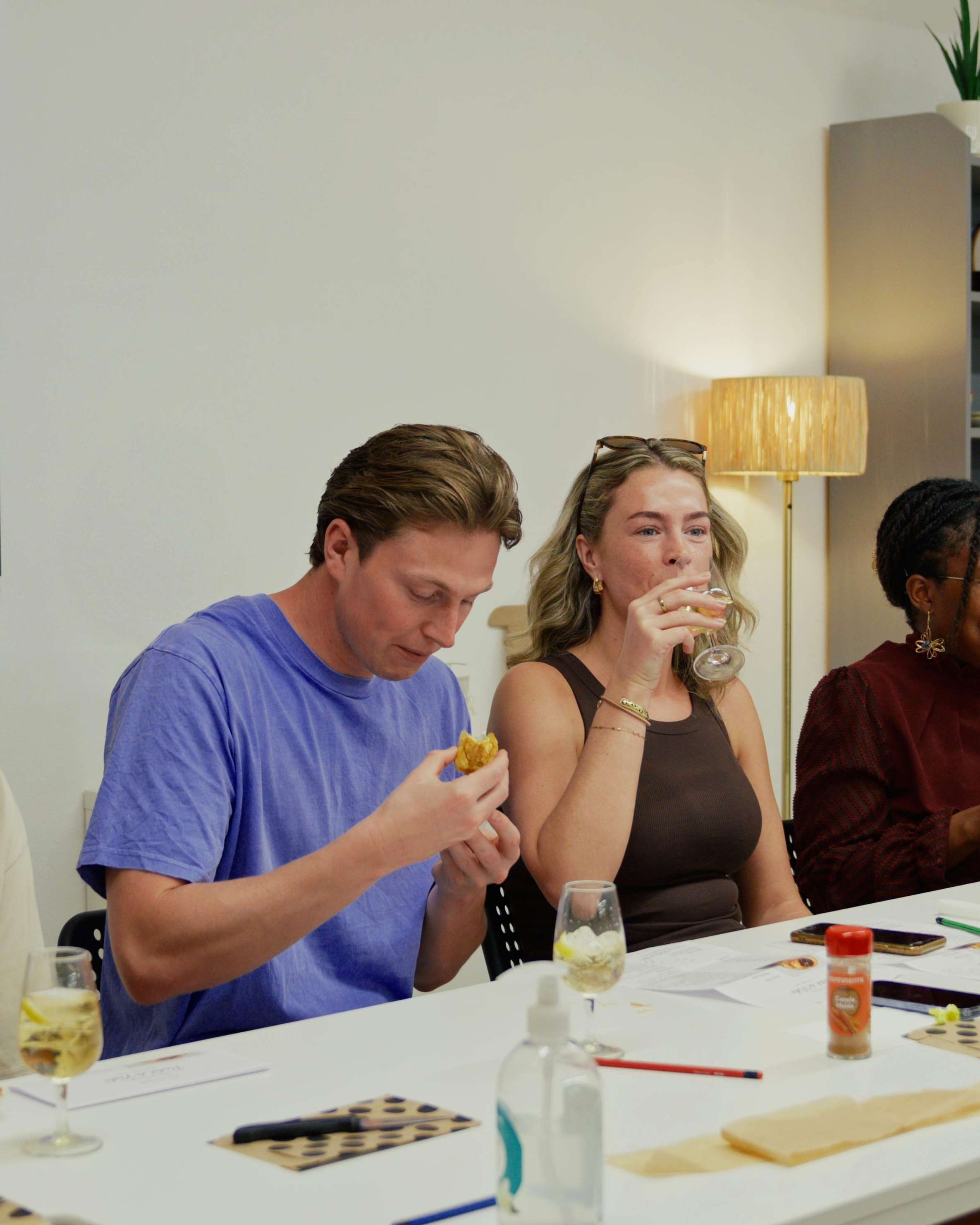
Expect about five pastéis per person. Most people eat three warm at the table, with espresso, the drink Porto calls a cimbalino, and pack two or three into a paper box for later. Two hosts cover the room, capped at 20 people.
High heat crisps the pastry before the custard overcooks
4
The tasting
Warm tarts at a shared table, espresso or cinnamon on top
Eat them fresh; they are best straight from the oven
Nothing in that schedule asks for speed or perfection. The ovens do the dramatic part, the group handles the rest, and the whole session closes at a table with warm tarts in front of you, barely an hour and a half after you walked in.
Tour for this
Porto: Pastel de Nata Workshop with Cocktails4.9★ (159) · 1.5 hours · Free cancellation
Late afternoon is the slot Porto itself would choose. Lunch is a proper sit-down affair between 12:30 pm and 2 pm, and dinner rarely starts before 8 pm, which leaves the hours between 3:30 pm and 6 pm to the lanche, the traditional afternoon snack.
A warm tart with a cocktail fits that gap exactly, and it still leaves your evening free.
Morning works differently: tarts at that hour belong at a café counter with an espresso, and fortified wine before lunch is a heavier idea than most people want. Save the drinks format for the afternoon.
The calendar matters too. August and September are the busiest months, with July and spring close behind, so book those weeks well ahead. Winter, November especially, is quiet and easy to arrange at short notice.
How busy it gets, month by month
September: 5 out of 5 for how busy it gets.
HighestApr, Jul to Oct
In betweenMar, May to Jun, Nov
LowestDec to Feb
Darker: a higher how busy it gets score, out of 5
Tap a month to read it.
Use that spread to your advantage: a summer trip needs a booking made weeks ahead, while a winter session can often be added the day before.
Whatever the month, the tarts arrive hot from the oven, so give them a minute to cool before the first bite, and expect a warm walk to the studio in July and August, when the days stay dry and sunny.
Three formats compete for your afternoon, and the differences are real. A cocktail workshop runs about 1.5 hours, hands-on with shared tasks and drinks throughout, built around the social hour.
A from-scratch pastry class teaches laminating, the folding of butter into dough layer by layer, and takes about 2.5 hours because the dough demands it. A walking food tour covers 3 to 4 hours and several city kilometers, with Port wine appearing as a single glass at one stop and no baking at all.
Most two-hour nata classes in Porto use good pre-made laminated dough, since true puff pastry needs more than five hours of resting and folding. Some classes teach it fully from scratch. Neither is a shortcut you should resent; one buys you an evening, the other buys you a technique.
Whatever you pick, every top workshop in Porto is taught in English, so language is not a tiebreaker. If you are a beginner, choose a class that demonstrates first and allows time for mistakes.
How to choose a pastry making workshop with cocktails
Cocktail workshop
From-scratch class
Food walking tour
Time
About 1.5 hours
About 2.5 hours
3 to 4 hours on foot
What you learn
Filling, assembling, baking, with drinks throughout
Laminating puff pastry step by step
Tastings across 4 to 8 stops, no baking
Effort
Seated and standing at a bench
Hands-on dough work
Steep cobbled streets, mostly standing
Company
Small shared-table group
Small class
Groups of ten to fifteen
Cocktail workshop
Time
About 1.5 hours
What you learn
Filling, assembling, baking, with drinks throughout
Effort
Seated and standing at a bench
Company
Small shared-table group
From-scratch class
Time
About 2.5 hours
What you learn
Laminating puff pastry step by step
Effort
Hands-on dough work
Company
Small class
Food walking tour
Time
3 to 4 hours on foot
What you learn
Tastings across 4 to 8 stops, no baking
Effort
Steep cobbled streets, mostly standing
Company
Groups of ten to fifteen
The first column is the one this page is built for: real filling, assembling and baking, drinks running through the whole session, and no hills between stops.
If variety across the city matters more to you than a bench, the walking tour earns its evening; if the dough itself is the point, spend the extra hour on laminating.
Tour for this
Porto: Pastel de Nata Pastry-Making Workshop with cocktails4.9★ (2,542) · 1.5 hours · Free cancellation
Getting to your Porto pastry workshop meeting point
Central Porto compresses fast: almost every culinary meeting spot clusters around Aliados, Bolhão or São Bento.
Classes near Bolhão Market sit one metro stop east of Trindade, served by lines A, B, C, E and F from the same platform, or a seven-minute walk of about 600 meters. The underground station opens directly into the market building.
Line D, the yellow line, serves Aliados directly, and spots near Clérigos sit within a short walk of São Bento station on the same line. STCP buses hub at Aliados, Bolhão and Cordoaria if you prefer surface streets.
Two details worth knowing before you set out. Walking food tours commonly meet at fixed landmarks, in front of the Capela das Almas or by the Prosperity Statue on Aliados Avenue, and workshops run the same way: one named door, one start time.
Leave the hotel with a good margin, because late entry rules are strict in this city, and a taxi on a steep cobbled hill moves slower than the map suggests.
The ovens that scorch a custard top will not care about your sandals. Flat, closed-toe shoes are the rule across Porto cooking workshops: open toes, sandals and flip-flops stay at the door. The requirement comes from kitchen hygiene regulations, which treat footwear as protection around hot tins and wet floors.
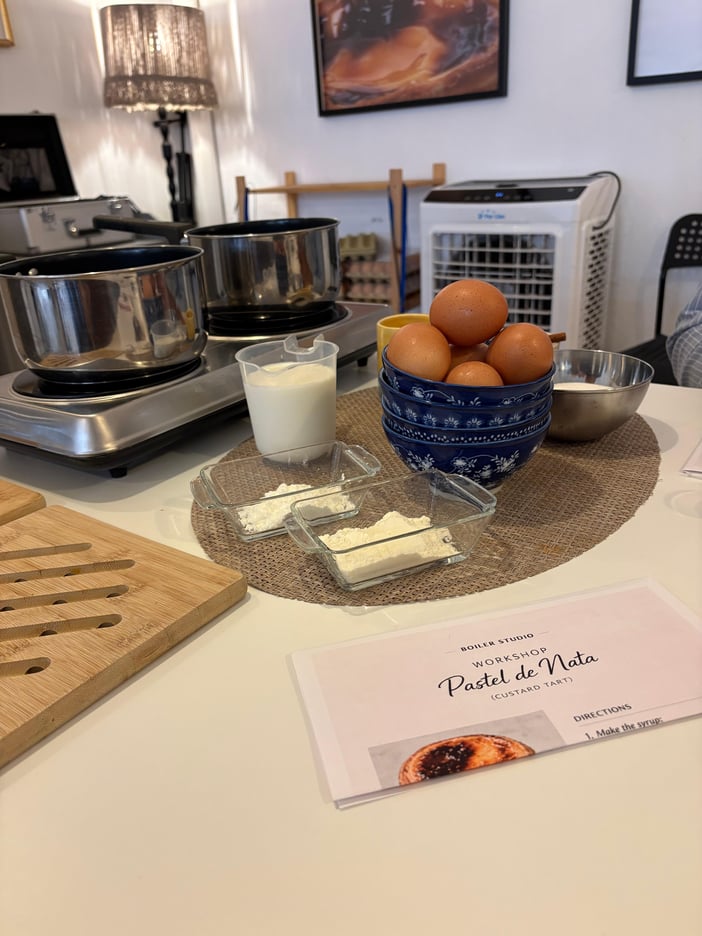
Everything else is largely handled for you. Studios supply all equipment, utensils and ingredients, and aprons greet most participants on arrival, though a few home-based classes suggest bringing your own.
Wear comfortable casual clothes you do not mind dusting with flour, and keep the sleeves fitted or rolled; a loose cuff drifting past a commercial oven door is the one thing the dress code exists to prevent.
What to wear and bring for baking workshops
Closed-toe flat shoesRequired in kitchen environments to protect feet from hot tins and dropped tools; open-toed shoes and flip-flops are strictly banned.
Non-slip solesKitchen and bakery floors can become slick around dough prep benches and washing sinks from water, butter, and stray flour.
Hair tie or bandAttendees with long hair must tie it back securely before stepping into the kitchen for food hygiene.
Fitted short or rollable sleevesAvoids loose cuffs brushing against liquid custard or touching high-temperature commercial oven doors.
Comfortable socksWorkshops involve standing on hard tiled floors for 1.5 to 2.5 hours while laminating pastry and working the dough.
Long hair goes up before you step to the bench. Beyond that, bring yourself and nothing else: outside kitchen tools are unnecessary, and the slick floor around the dough station is the last word on why the shoes matter.
Rain will not touch this plan. Nata workshops happen indoors, in a warm kitchen, and Porto food experiences run rain or shine. Walking tours carry the weather worry; an indoor kitchen does not.
The clock is the real risk. Cancel up to 24 hours in advance and both cocktail workshops refund you in full, which covers a flight delay or a changed day if you act in time.
After that the terms tighten: at some workshops the doors shut at the scheduled start, late entry is not permitted, and no rescheduling or refund is offered.
When lateness can end the visit
At some workshops doors close at the scheduled start time, late entry is refused, and no refund or reschedule follows Plan to reach the meeting point early; if you run late anyway, some hosts will try to slot you in quietly or move you to another session
Walking tours are even less forgiving, with latecomers barred once the group sets off and no refund due. The same instinct covers both: pad your journey, and if the day truly collapses, cancel before the 24-hour line passes.
Families get a qualified yes. Ages vary by class: some welcome children over 10, some admit from age 9, some require anyone under 15 to book privately, and one operator takes all ages. Check the minimum age for the session you want before promising the kids a baking afternoon.
Portuguese law lets children enter food and drink venues, and nobody is required to drink to be there, but nobody under 18 can be served alcohol. So a teenager joins the baking and skips the mimosa; the legal drinking age is 18.
Diets need a message in advance. Vegan and lactose-free options exist on some classes with notice, and a dedicated vegan nata class runs entirely on plant-based ingredients. Severe egg or dairy allergies are a different matter, since the traditional recipe is built on both; ask the host before booking.
If your group has a limit
If this happens
What happens then
Child under the class minimum
Look for a session with a lower age rule or a private booking
Teenager who does not drink
Children can join food and drink venues but cannot be served alcohol
Vegan or lactose-free diet
Vegan ingredients available on request with advance notice on some classes
Severe egg or dairy allergy
Some classes are unsuitable; ask the host before booking
Coeliac disease
Skip nata baking entirely, since airborne flour in the room poses a risk for 24 hours
Service animals wait outside too: kitchens are food-production zones where animals are barred.
Solo travelers - book your cocktail pastry class early
A small kitchen table with drinks going round is the least awkward way to meet people in a new city.
Solo travelers fill these workshops precisely because the setup does the talking: a shared task gives you an opening line, the cocktail removes the pause after it, and the group is small enough that nobody stays anonymous.
The room helps too. These sessions run in intimate home or studio settings with music on and tasks handed around, more like cooking with friends than a lesson, and an assistant keeping glasses topped means nobody waits stranded for instructions.
Book it for the first day or two of your stay.
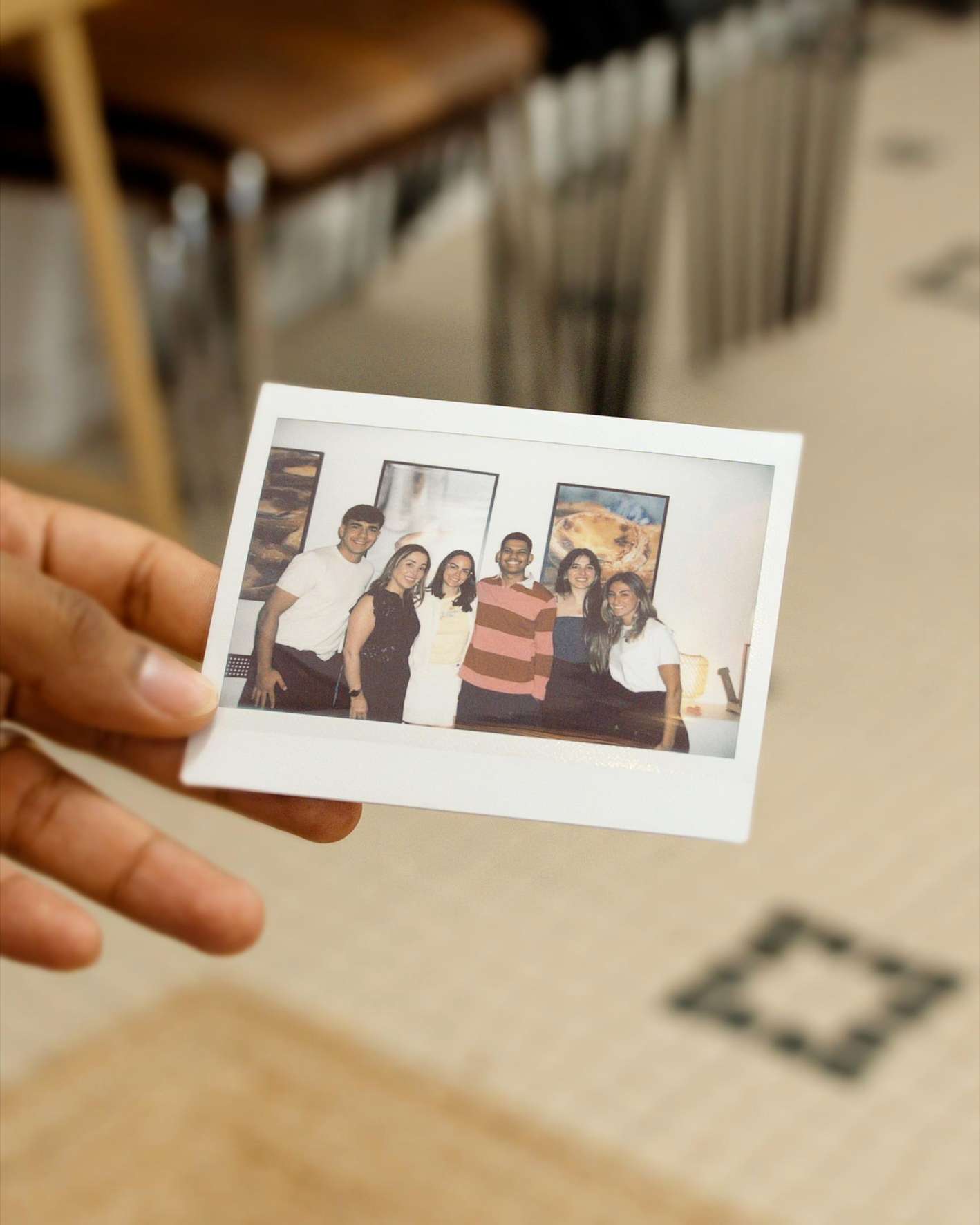
Baking alongside travelers from a dozen countries, you collect dinner companions and, better, local advice: hosts hand out restaurant and bar recommendations that shape the rest of your trip, and the people you swap flour with today become the faces you recognize at a tasca tomorrow.
A traveler's note
We loved the workshop with Emanuel and Teresa - friendly, knowledgeable hosts. Our natas tasted amazing and we bought the kit to bake at home. The Porto tonic was refreshing. Great fun, definitely recommend!
That pattern repeats often enough to plan around: small group, drink in hand, a task to share. Landing alone in Porto, this workshop earns its slot at the front of the itinerary, where the people it introduces you to still have days left to matter.
The arithmetic is pleasant: about five tarts per person, three eaten warm in class, and two or three boxed for later. Most Porto workshops hand you a paper box for exactly this, often a decorative one designed to carry the pastries back to your accommodation intact.
The box buys you time. Pastry shops use specialized takeaway boxes that keep custard tarts good to eat for up to two days, so yesterday's class can become tomorrow's breakfast. If you are shopping for tarts elsewhere, rigid cylindrical bakery tubes protect the pastry far better than a flat square box on the walk home.
Flying out of Porto? Freshly baked pastéis de nata pass through airport security in carry-on luggage, which makes the last two tarts of the box an airport gate snack or a gift that survives the flight.
One caution from people who have tried the recipe at home afterwards: an old domestic oven can smoke at the high heat a proper nata demands.
Pairing your pastry making workshop with cocktails downtown
A central workshop sits inside a walk of Porto's best food landmarks. From a Bolhão-area class, Avenida dos Aliados is about a minute away, the monument to D. Pedro IV two minutes, and the House of Filigree just beyond.
Mercado do Bolhão itself deserves an unhurried wander, with Confeitaria do Bolhão, a historic pastry shop on Rua Formosa, next door.
Hungry for another nata? Manteigaria do Bolhão sits near the market and serves until midnight, Monday to Saturday. Beware Sundays: the market stalls close, and while most tascas have no shared closing day, some shut Sundays and others Mondays.
Before or after class, three nearby stops cover the moods: Adega Viseu for traditional petiscos, Casa Louro for a ham sandwich and a glass of wine five minutes from São Bento, or Prova for wine by the glass.
Tipping stays optional everywhere in Portugal; rounding up the bill is the whole gesture. And if you also want a food walk, keep both: the workshop teaches you to make the tart, the walk teaches you where Porto eats.
A pastry making workshop with cocktails is a real class wearing a party: genuine technique, drinks woven into the rhythm, and a box of warm tarts at the end. Aim for late afternoon, arrive early, and cancel by the 24-hour mark if plans shift.
Go ifYou want baking and a social evening in one 1.5-hour slotYou travel solo and want an easy way to meet peopleYour trip falls in August or September, so book early
Skip ifYou have coeliac disease, since airborne flour makes nata baking unsafeYou want to laminate puff pastry from scratch; a longer dough class suits betterYou want a seated tasting rather than any hands-on work
Our pick to book
Porto: Pastel de Nata Pastry-Making Workshop with cocktails4.9★ (2,542) · 1.5 hours · Free cancellation
Quick answers before you book your seat at the baking table.
Porto2026
Warm tarts out of the oven, a Port tonic in hand and strangers laughing over pastry dough. Wear closed shoes; the kitchen rules are strict about sandals.
How old do you have to be to drink the cocktails?
The legal drinking age in Portugal is 18, so no alcohol is served to anyone younger. Under-18s can still join the baking; they just skip the pour.
Is this a good workshop for solo travelers?
Yes. You bake around a shared table with people from different countries, and drinks while the tarts bake give you an instant topic of conversation. Small groups keep it easy, no big-tour pressure.
Do you make the puff pastry from scratch?
In most 1.5-hour workshops, no. Real laminated dough needs over five hours of folding and resting, so hosts prepare it in advance and you work on the filling, assembly and baking. Longer classes teach the dough itself.
How many pastéis de nata do you bake and take home?
Around five per person is typical. Most people eat about three warm in class and pack two or three in a box for later.
Do you get the recipe at the end?
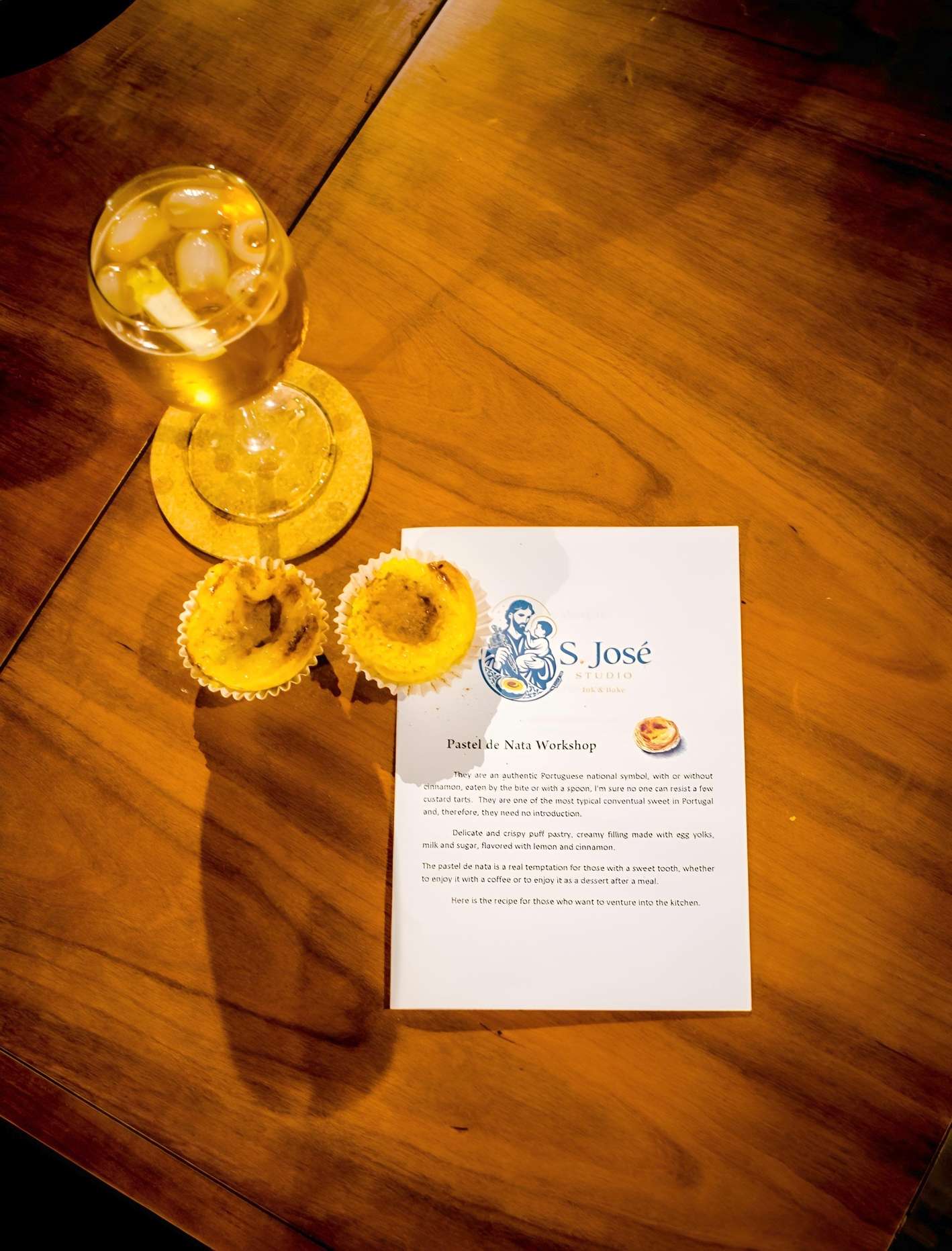
Yes. Workshops send you home with a printed or digital recipe card, and some instructors add tips on which flour brands to look for abroad.
Can I join with an egg or dairy allergy?
Some cocktail workshops state they are not suitable for people with food allergies, since the custard is built on eggs and dairy. Lactose-free options exist in some classes with advance notice, so flag it before you book.
Does everyone make their own tarts or do you share?
Classes run as team efforts. Participants take turns on the steps of the recipe, with the host explaining as you go, rather than each person working a full batch alone.
How long does the whole thing take?
About 1.5 hours from arrival through baking to the final warm tasting, which leaves plenty of afternoon for Bolhão market or the riverfront.
Do I get the recipe afterwards?
Yes. Workshops send you home with the recipe, usually as a printed or digital card, so you can hunt down the right flour brands and bake the tarts in your own kitchen.
What should I wear to the workshop?
Wear comfortable clothes you do not mind dusting with flour, plus flat, closed-toe shoes. Sandals and flip-flops stay out of the kitchen. Aprons are usually provided when you arrive.
Loved the pastry making workshop with cocktails? Go further