
- 1
Specialized takeaway boxes keep tarts good for up to two days at room temperature.
- 2
Never leave egg or dairy custard between 40°F and 140°F for more than 2 hours.
- 3
Reheat with dry heat only: an air fryer at 180°C for 6 minutes, or an oven at about 200°C for 5.
A pastel de nata left between 4°C and 60°C for more than two hours is no longer safe to eat, and fuzzy mold, sour smells, or slimy, watery custard mean the tart has spoiled. Refrigerate any tarts you are not eating within two hours of buying them, and check each one before eating. If you see green, blue, white or black spots, smell anything sour, or the custard looks separated or slimy, throw it out.
How long pastéis de nata keep at room temperature
cylindrical tubes beat square boxes
The box on the counter starts a quiet countdown. Custard tarts from a Porto pastry shop stay good in their specialized takeaway boxes for up to two days, and that is the practical answer to the question everyone lands here with.
Two days covers quality; safety runs on a shorter clock. Egg and dairy custard must not sit between 40°F and 140°F (4°C to 60°C) for more than 2 hours. A warm Portuguese summer afternoon can blow through that limit quickly, so on hot days the fridge wins the argument.
Dairy and egg custard must not sit between 40°F and 140°F (4°C to 60°C) for more than 2 hours Eat the tarts within two hours of buying them on a warm day, or refrigerate straight away
So the rule of thumb is simple. Buy, eat warm, and box only what you will finish inside two days. Anything that will outlive that goes in the fridge, which is where the crust starts fighting back.

Keeping the puff pastry crust crisp in storage
Open the box the next morning and the sound is gone. The custard keeps releasing moisture, and it creeps into the paper-thin laminated layers until the shell turns leathery. That is what you are fighting in storage.
The fix is air and a barrier. Parchment paper between layers of tarts slows the moisture transfer, and a cardboard bakery box breathes in a way plastic never will.
Sealed containers and cling film trap steam against the crust, the same way a warm loaf goes damp inside an airtight tin. Crispy baked goods go soggy in airtight storage as a rule, and a pastel de nata is exactly that kind of bake.
Yes, they do need refrigerating beyond that first stretch, especially in summer, but cold speeds up the sogginess. The trick is accepting that a chilled tart trades crunch for safety, and then restoring the crunch later with dry heat.
Laminated dough keeps refrigerated for 24 hours to several days without losing quality
Metal conducts heat far better than silicone or coating, which is what browns the pastry
One habit worth copying from the bakers: custard keeps fine for two days refrigerated, and a second strain before use smooths it out again.
Spotting spoiled custard before you take a bite
A tart bought two days ago deserves a look before a bite, and the check takes ten seconds. Mold shows up as fuzzy spots in green, blue, white or black on the custard or the pastry edges.
The nose catches what the eye misses. A fresh tart smells sweet and buttery; a spoiled one smells sour, rancid or simply off. There is no middle ground worth debating.
Texture is the third witness. A custard surface that feels slimy or watery points to bacterial growth, and a filling that has separated into liquid has the same verdict: it goes in the bin.
Any single sign is enough. Custard made with eggs and dairy gives bacteria a generous welcome, so when in doubt, skip it and buy another box.
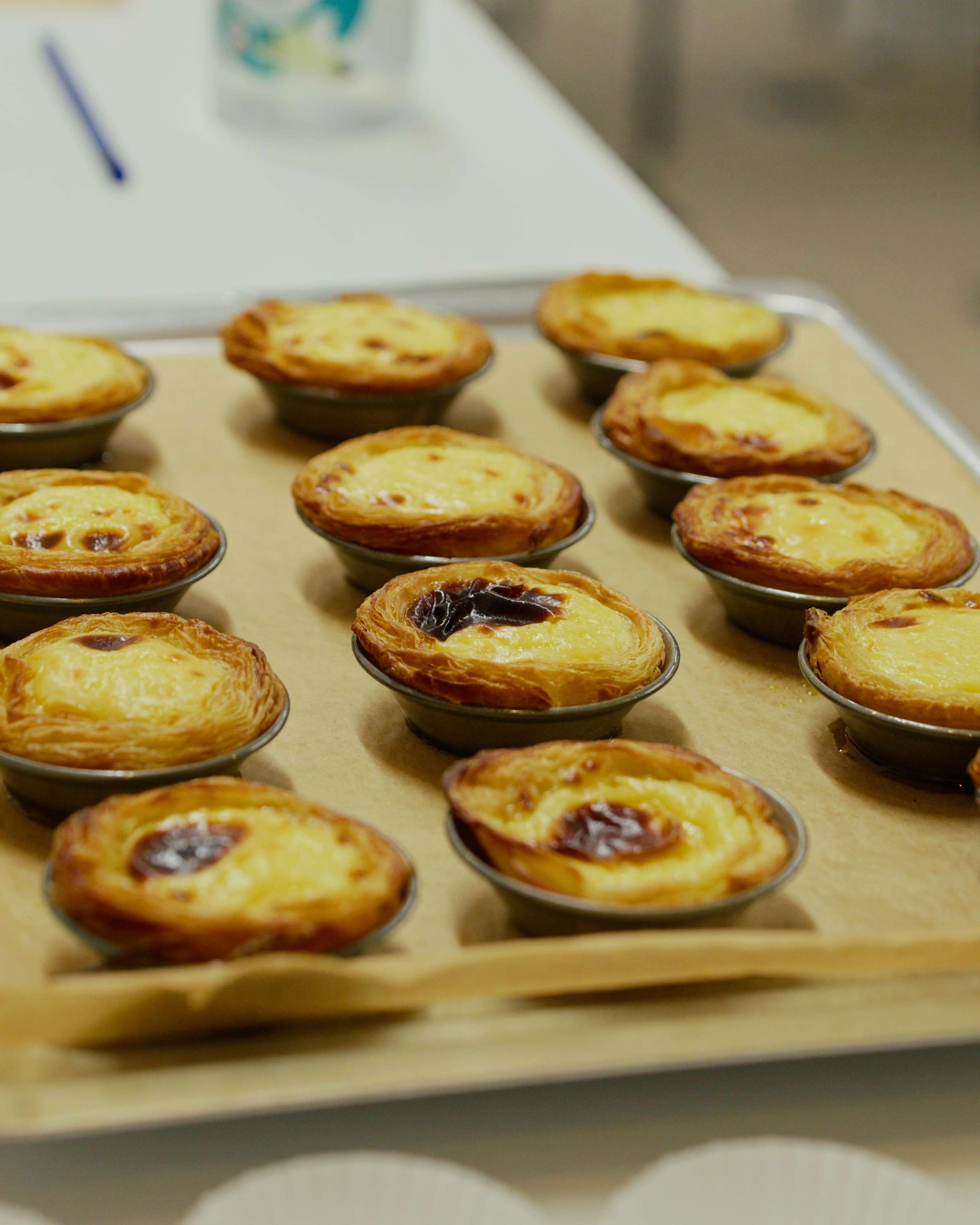
Packing pastéis de nata for flights home
The airport is where a good box turns into crumbs, so pack with intent. Tarts ride in carry-on luggage, never checked bags, because a hold suitcase crushes what careful hands built.
Solid food is fine through security, though it can be flagged for extra screening, so keep the bag uncluttered and be ready to lift the box out.
Shape matters more than you would think. A rigid cylindrical bakery tube protects the tarts far better than a square box, which lets them slide and dent. Refrigerate them the night before the flight; chilled custard holds its quality through long transit. Tarts survive journeys of 12 to 22 hours packed like this.
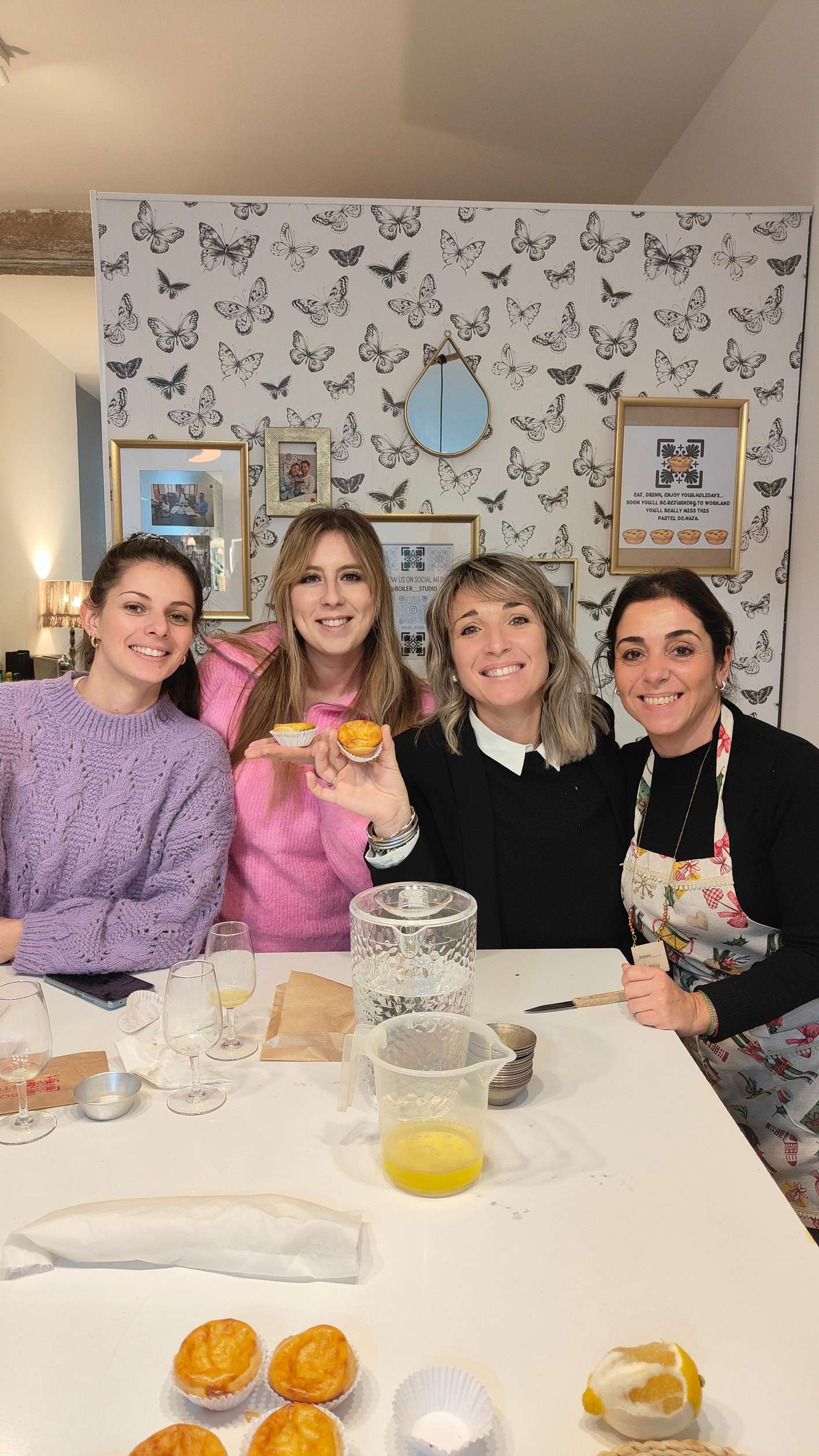
One thing no class supplies: the packing wisdom. The Porto: Pastel de Nata Pastry-Making Workshop with cocktails sends you off with two or more tarts in a convenient cardboard pastry box, but the tube trick and the customs homework stay yours.
That homework matters: rules on importing egg and dairy pastries vary by country, so check your own customs rules before flying. And buy from a good city bakery, never the terminal.
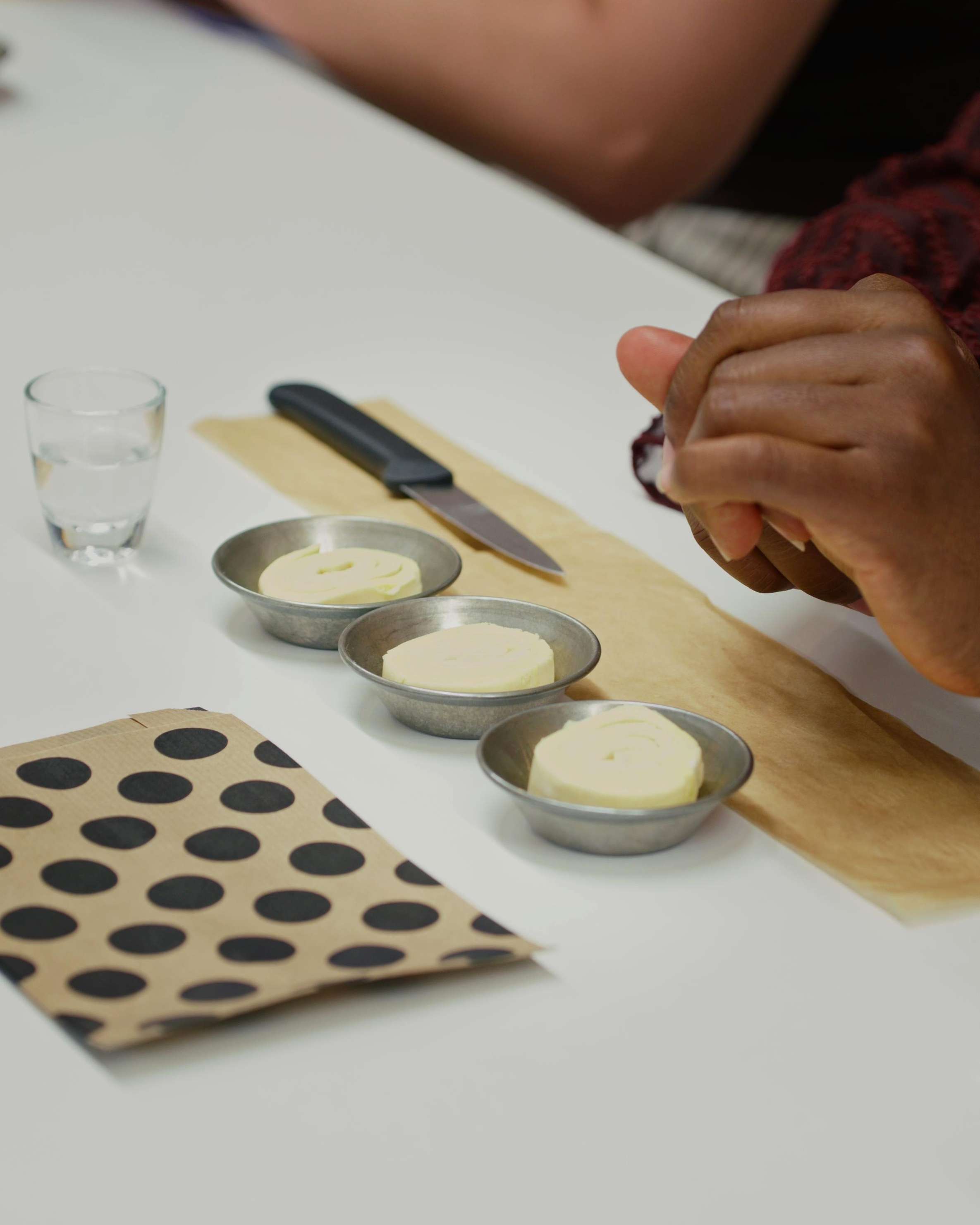
Reheating tarts to bakery-quality crispness
A cold tart from the fridge just needs finishing. The microwave is the enemy here: it heats the water in the custard, the steam soaks into the pastry, and the crust turns soft and chewy.
Dry heat is what brings the bakery back. The method people trust: an air fryer at 180°C for 6 minutes, which is exactly what the best-known Lisbon pastry shop recommends. No air fryer? An oven on broil or convection at about 200°C for around 5 minutes does the same work.
The full caramelized blister pattern belongs to a fresh bake from scratch. That takes maximum heat, around 250°C to 260°C with the fan on, so the top scorches before the custard splits.
The nearest you get to that texture on a trip is eating them at the source.
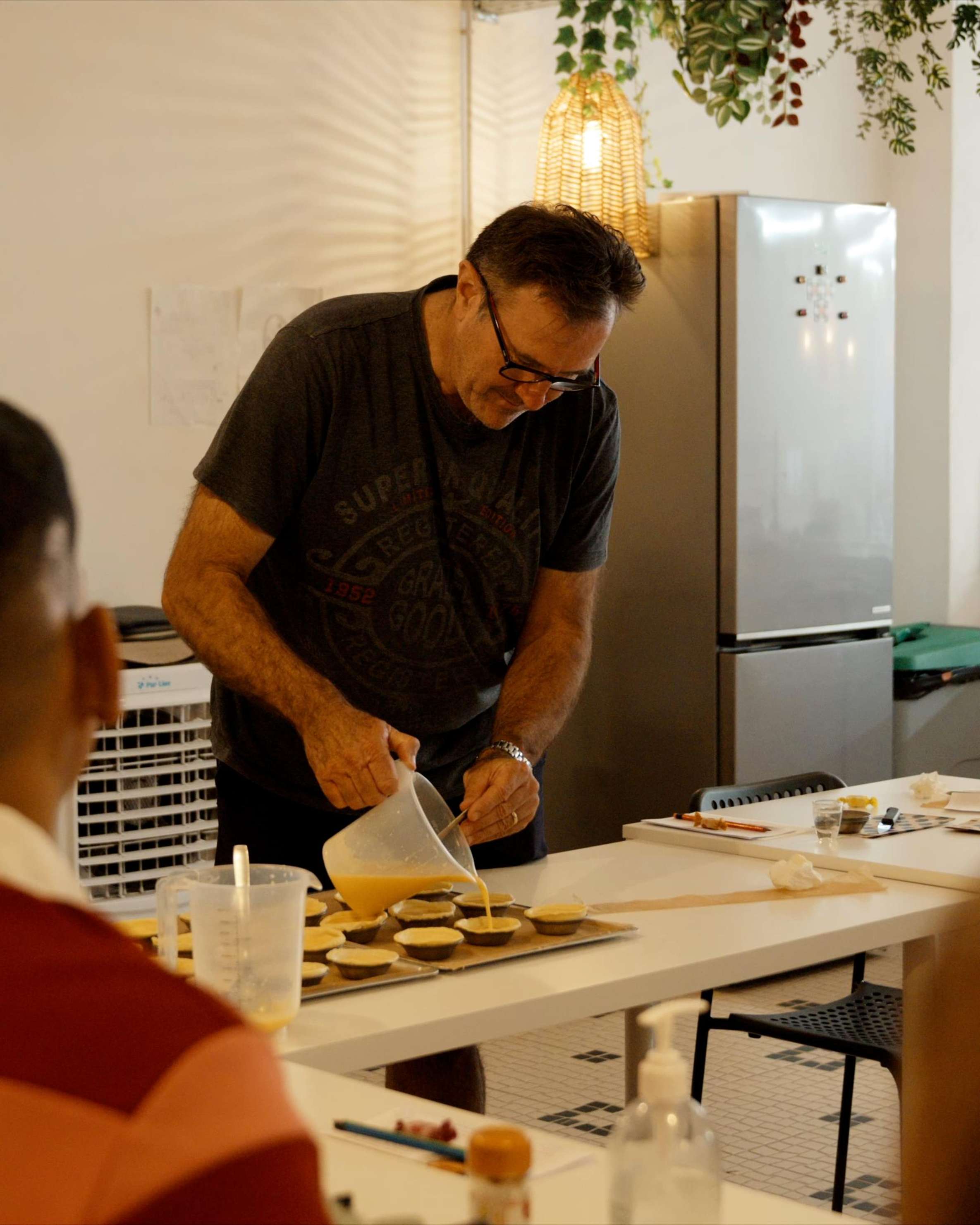
The Porto: Pastel de Nata Cooking Class with Grandma's Recipe ends with tarts warm, flaky and creamy straight from the oven in a local home, though the class itself does not teach stored-pastry settings. Some like them chilled straight from the fridge; most prefer the five minutes of patience.
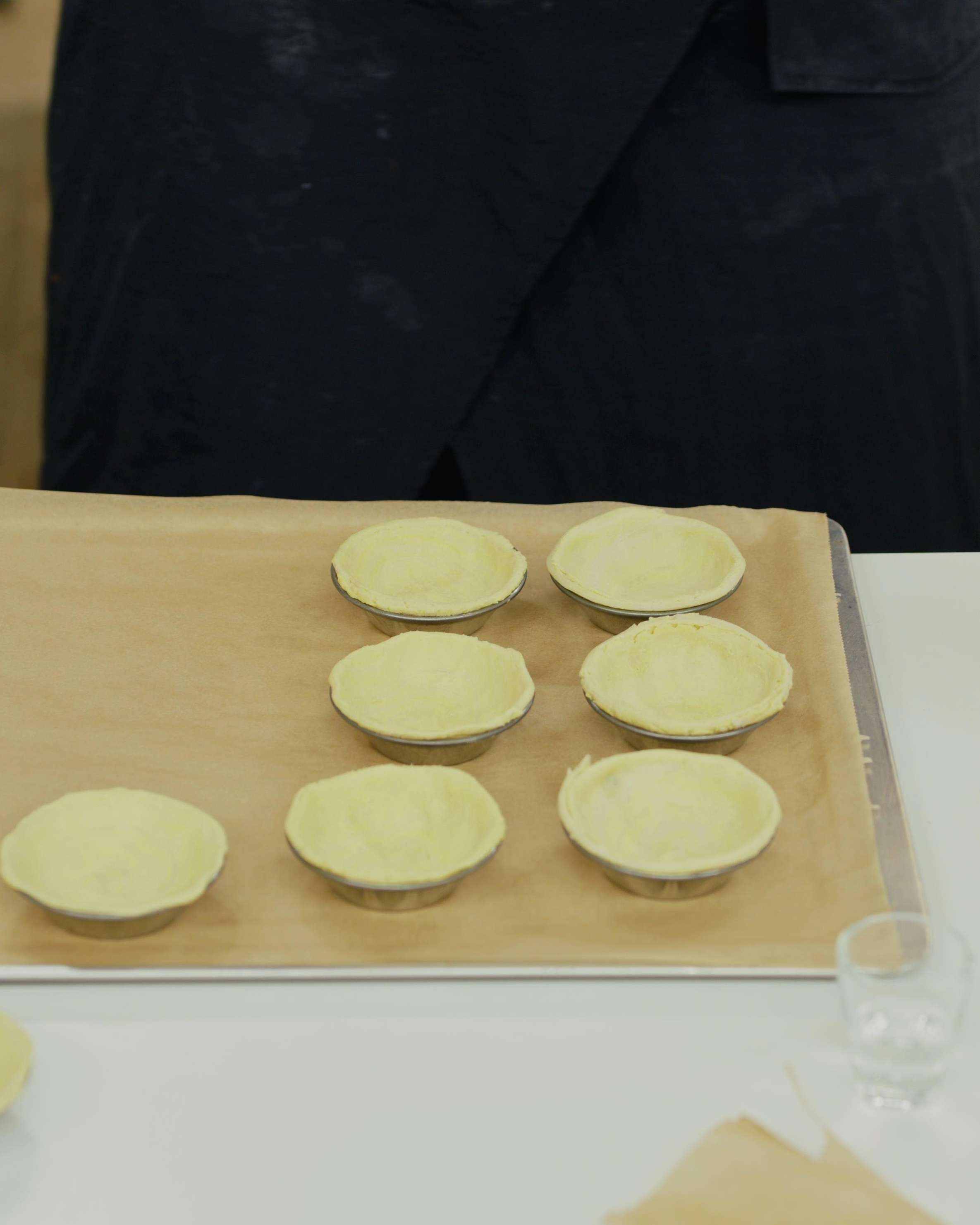
Freezing pastéis de nata and thawing them properly
For a batch meant to last months, the freezer is real, with a caveat. Baked tarts freeze for up to 3 months, and the honest trade is texture: the thawed crust never quite regains its original crackle.
The thaw splits into two schools. One says move them to the fridge the night before, then warm them in the oven. The other says skip the thaw entirely and reheat straight from frozen. Both work; the second is faster, the first is gentler on the custard.
Raw dough is a different story. Ice crystals damage the butter layers that make the bake flake, so keep shaped pastry shells chilled for a couple of days in the fridge instead of the freezer. A little greying or tiny brown specks on chilled dough are just flour oxidation and vanish in the oven.
Practical plan: eat what you can fresh, refrigerate for two days, freeze the rest, and reheat with dry heat whatever you saved. Nothing about a custard tart rewards improvisation twice.
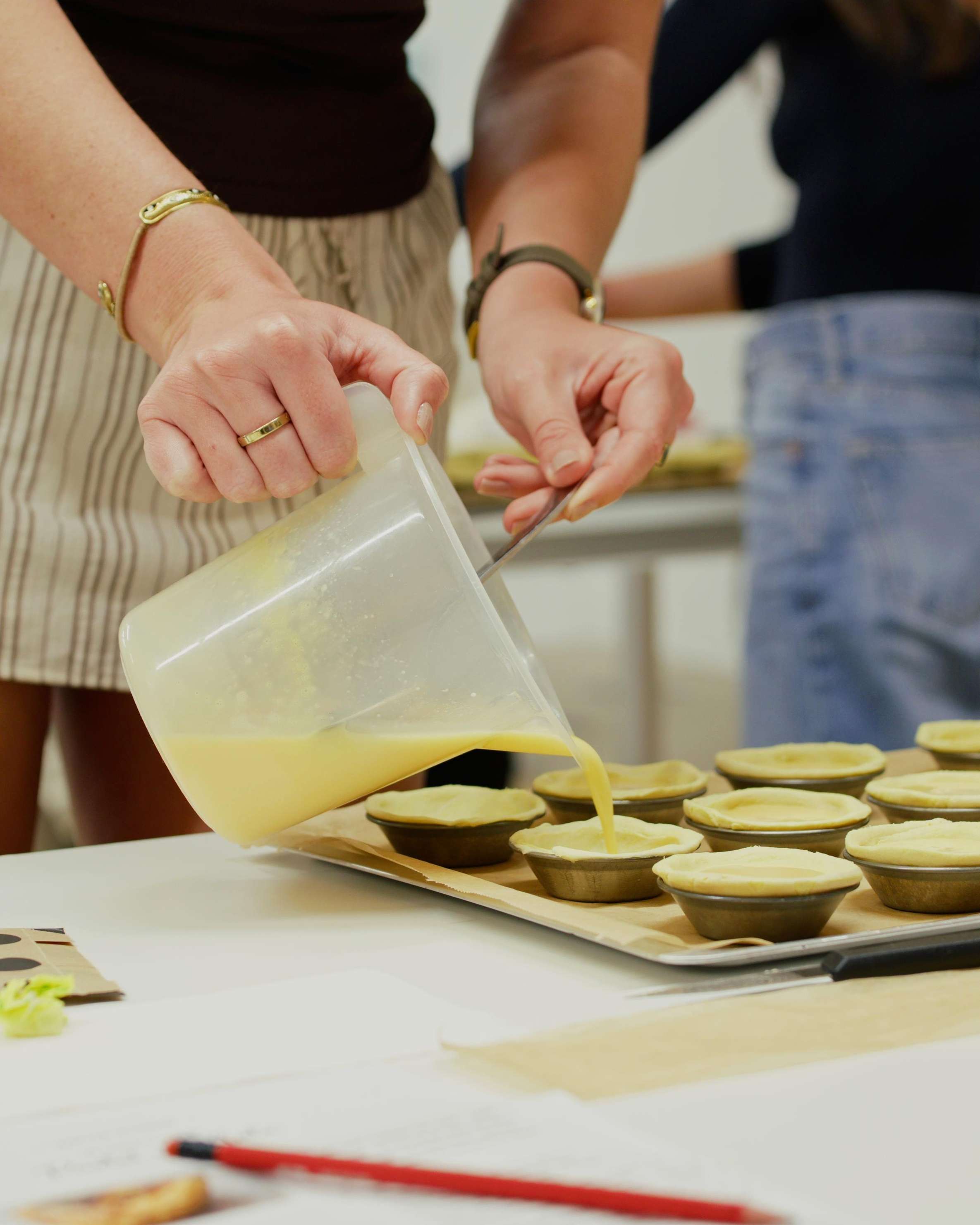
Amazing class. Joana was welcoming and the instructions were clear and easy to follow. The nata was delicious, and we met wonderful people we kept hanging out with afterwards. Highly recommend!
Two days at the counter, three months in the freezer
A box keeps two days, the fridge buys time at the cost of crunch, and the freezer holds tarts for three months with dry-heat reheating to bring them back. The one number that rules them all is the 2-hour custard limit on a warm day.
How long pastéis de nata last and what to know before you book a Porto workshop
Every workshop on this page sends you off with a paper or cardboard box of freshly baked tarts. Bakeries in Porto use specialized takeaway boxes that keep pastéis de nata good to eat for up to two days, and a class box works the same way for the trip back to your room.
Freshly baked pastéis de nata count as solid food, so they can go through security at Porto airport in your carry-on. Food sometimes gets flagged for extra screening, so keep the bag uncluttered and be ready to lift the box out separately.
Import rules for egg- and dairy-based pastries differ by country, and they apply to the tarts in your luggage. Check the food-import rules of your home country before you fly, since a box that passes security can still face restrictions at the other end.
The egg and dairy custard has a hard limit. Dairy and egg custards must not sit between 40°F and 140°F (4°C and 60°C) for more than 2 hours, so a box left out on a warm afternoon has to be eaten or chilled, not saved for tomorrow.
A fridge helps rather than hurts when a flight is involved. Refrigerating the tarts the night before you travel keeps their quality up over long transit, and pastéis de nata packed carefully in a protective box survive flights of 12 to 22 hours in hand luggage.
The box matters as much as the fridge. Put a sheet of parchment paper between layers of tarts to stop moisture moving from the custard into the pastry, and skip airtight plastic containers, which trap steam and soften the crust.
Skip the microwave. Steam from the heated custard soaks into the pastry and leaves the crust soft and chewy. An air fryer at 180°C for 6 minutes, or an oven on convection at about 200°C for 5 minutes, brings back the crackle without drying the filling.
You leave most workshops with the recipe for the tarts and the puff pastry in printed or digital form, and the instructor shares tips for sourcing the right flour abroad. That means fresh, warm tarts at home, on your own schedule, whenever the boxed ones run out.
“Book it now. I'm 20 and hate baking, yet loved this.”
How long pastéis de nata last, and the best way to store them
How long do pastel de nata last at room temperature?
In a specialized pastry-shop takeaway box they keep for up to two days.
Leave them out too long and the rules harden: dairy and egg custard should not sit between 40°F and 140°F (4°C and 60°C) for more than 2 hours, so once a warm day or a warm tart pushes them into that range, chill them.
Do pastel de nata need to be refrigerated?
For the first day in a proper bakery box, no. For anything longer, yes: the egg and dairy custard keeps best chilled, and refrigerating tarts the night before you fly helps them hold their quality through a long transit.
How do you store pastel de nata without the crust going soggy?
Layer them with parchment paper so the custard's moisture cannot reach the pastry above. A sealed airtight container or plastic wrap traps steam against the crust, and a cardboard bakery box or a rigid cylindrical bakery tube serves you better.
What is the best way to reheat a pastel de nata?
Dry heat. One Porto bakery recommends an air fryer at 180°C for 6 minutes; another suggests an oven on broil or convection at 400°F (about 200°C) for about 5 minutes. Skip the microwave, where steam turns the crust soft and chewy.
Can you freeze baked pastel de nata?
Yes, and one baker's guide puts them at up to 3 months in the freezer, though the texture may suffer after thawing. The reheating advice splits: thaw them overnight in the fridge and warm them in the oven, or bake them straight from frozen.
How do I bring pastel de nata home on a flight from Porto?
Pack the box in hand luggage, since checked bags crush them, and chill the tarts overnight before you fly. Protected in a bakery tube or a sturdy box, they have survived flights of 12 to 22 hours this way.
Will pastel de nata pass through airport security?
Freshly baked pastéis de nata can be carried through security in carry-on luggage on flights leaving Porto. Solid food is fine, but it may be flagged for extra screening, so keep the bag uncluttered and be ready to lift the box out.
Are there customs rules for taking custard tarts into my country?
Rules on importing egg- and dairy-based pastries differ by country, so check your home country's food-import rules before you fly.
How can I tell a pastel de nata has gone bad?
Look for fuzzy green, blue, white or black mold spots on the custard or pastry. A sour or rancid smell instead of a sweet, buttery one, or a custard that is slimy, watery or separated, means the tart goes in the bin.
Can I freeze the dough shells or custard from a baking class?
The custard filling freezes, but pastry dough shaped into tins does better chilled in the refrigerator for a couple of days. Freezing it raw invites ice crystals that damage the layers.
How should you eat a pastel de nata in Porto?
Warm, at the counter, with an espresso. Cinnamon and powdered sugar are optional toppings, so try the tart plain first and decide after.