Vegan Pastel de Nata Cooking Class in Porto - Vegetarian Workshop Options
Bake Portugal's custard tart without dairy or eggs. Join a hands-on vegan pastel de nata cooking class where plant-based cream, coconut richness and blistered pastry come straight from a Porto kitchen, take home an exclusive recipe, and taste warm tarts with Port wine or juice.
many people can't tell the vegan tarts from the classic ones
Porto's pastel de nata experiences come in two main forms: a dedicated class built entirely around plant-based ingredients, and a regular workshop that adapts its recipe on request. The difference decides it. If your diet is strict, book the vegan class; if a companion bakes with butter and eggs, the shared version lets you sit at the same table.
Dietary noticeVegan and gluten-free options require advance notice so the instructor can prepare the right ingredients.
Class formatParticipants take turns on the recipe steps as a group; ask about a private workshop if you want to do every stage yourself.
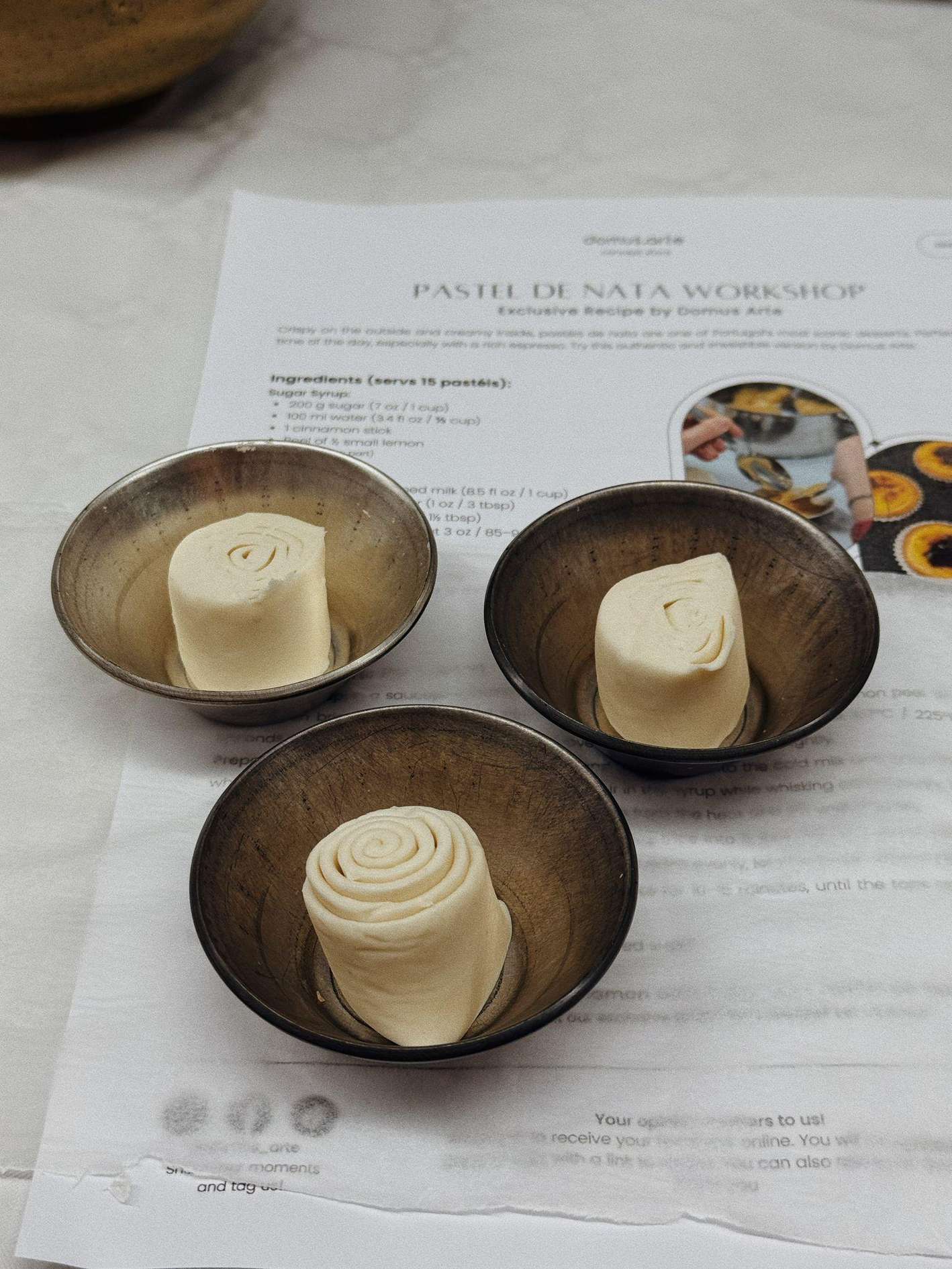
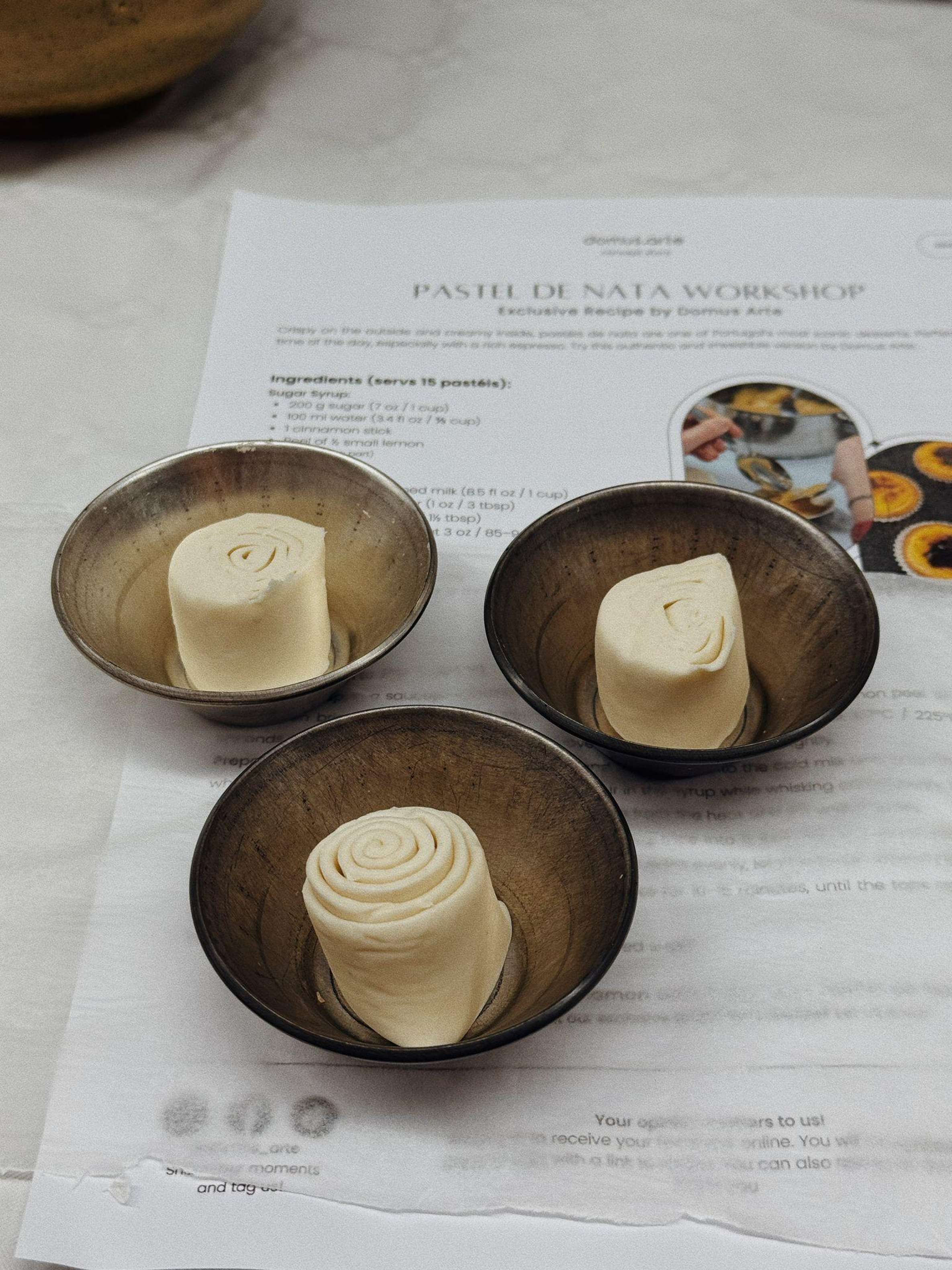
PastryThe puff pastry is pre-prepared because authentic lamination takes hours; you receive the house recipe to make it at home.
RecipesClasses send you home with the recipe for the tarts and the pastry, printed or digital depending on the studio.
FootwearKitchens require flat, closed-toe shoes; leave sandals and flip-flops for the beach.
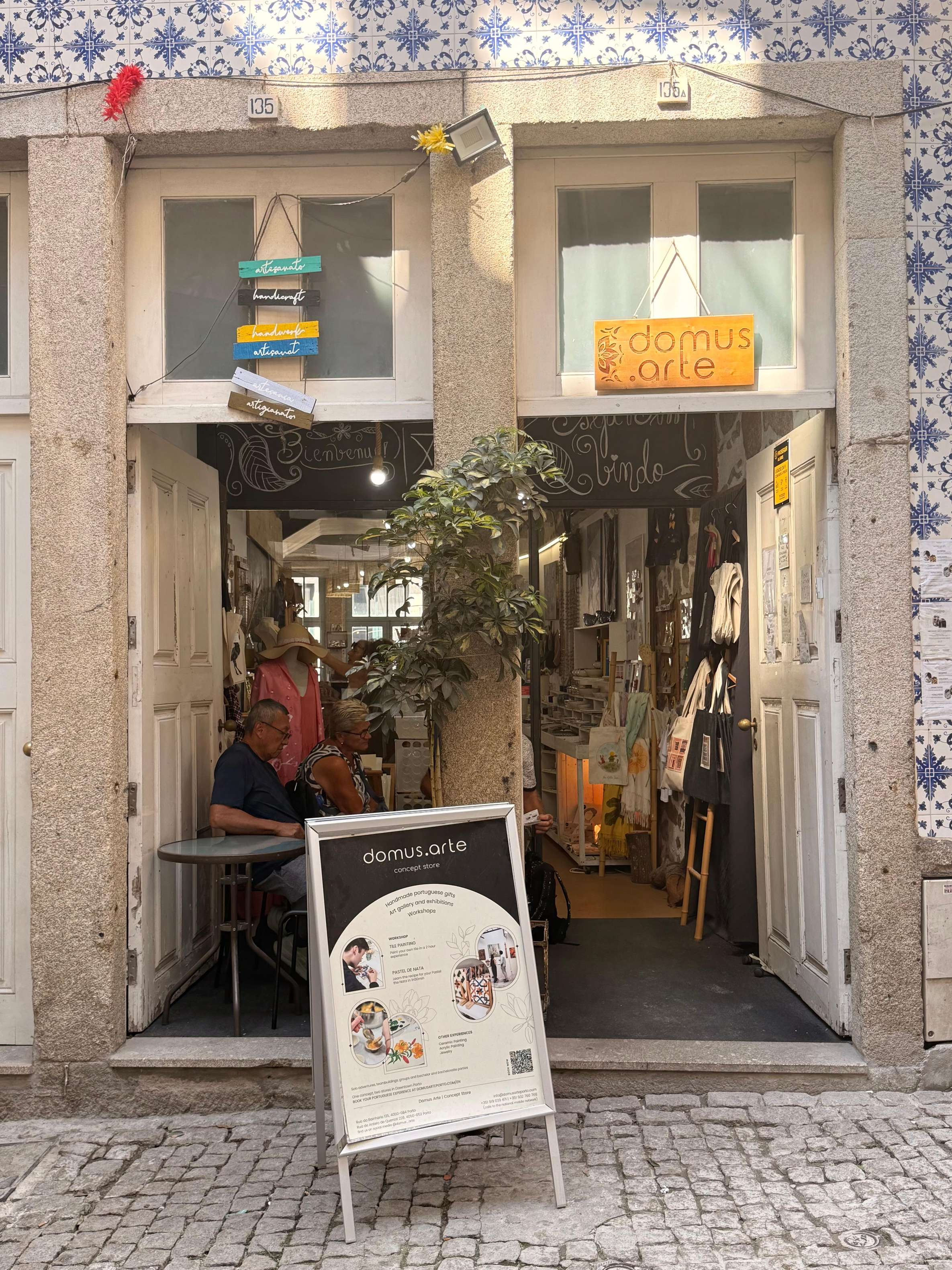
Getting thereOne class venue near Lapa Church is reachable by metro and bus; the Sé location sits on Rua da Bainharia close to Porto Cathedral and São Bento station.
AccessibilityOne class is stroller accessible and wheelchair accessible at its Lapa location, but not at its Sé location; check before booking.
DrinksPort wine, juice, water, and coffee come with the class, and non-alcoholic choices are always available.
TimingA morning class starting around 10 am or 10:30 am fits a 1.5-hour session, so warm tarts land near lunchtime.
CancellationCancel up to 24 hours in advance for a full refund.
importantFlour stays in the air of a working kitchen for hours, so a class is not a safe place if you have celiac disease or a severe gluten allergy.
Choose a different activity and skip any baking workshop where wheat flour is handled, because gluten-free requests in a shared class cannot remove that airborne risk.
Vegan cooking class options in Porto
vegan class suits all ages, stroller accessible
The plant-based pick
1.5 hours·English
4.5(7)
Porto: Vegan Pastel de Nata Cooking Class with Port Wine
A dedicated vegan class where every ingredient is plant-based, rated 4.5, in just 1.5 hours with Port wine or juice.
Free cancellationPaper box to take the pastries homeExclusive recipe for the tarts and puff pastry
Inside a vegan cooking class in Porto - what you'll see and take home
look for the v-label on port wine bottles
about 1.5 h
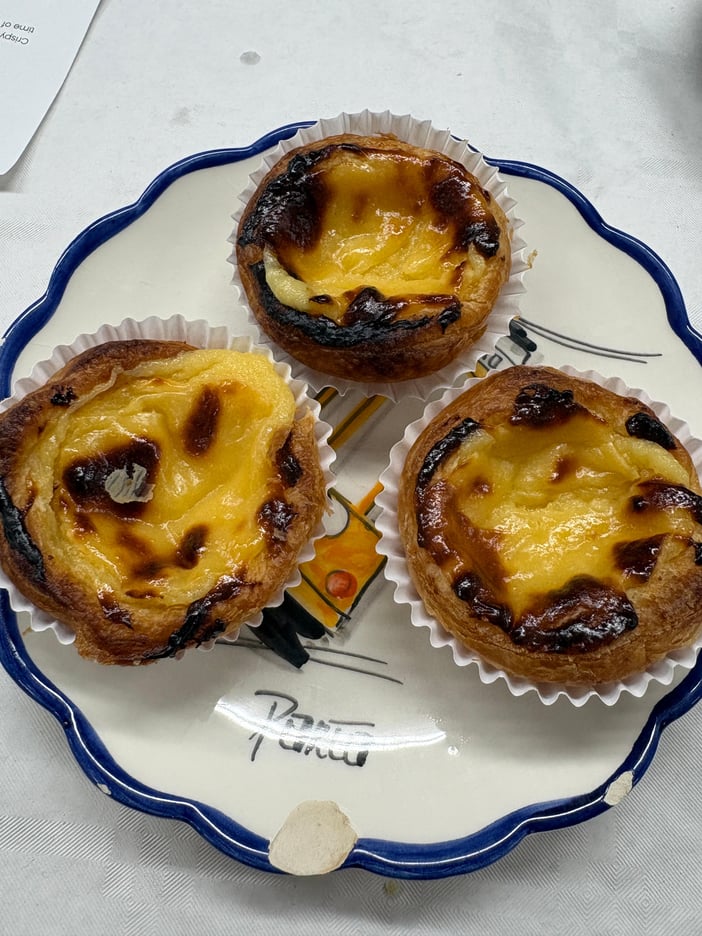
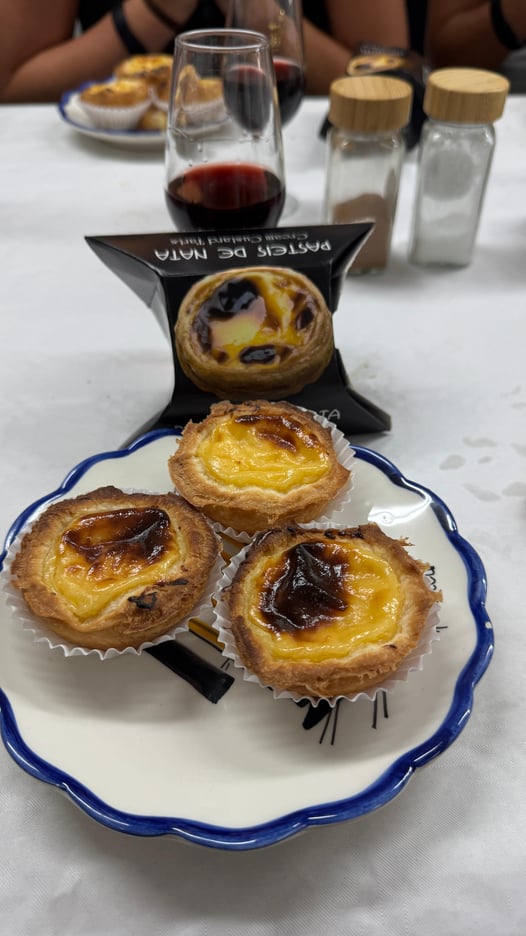
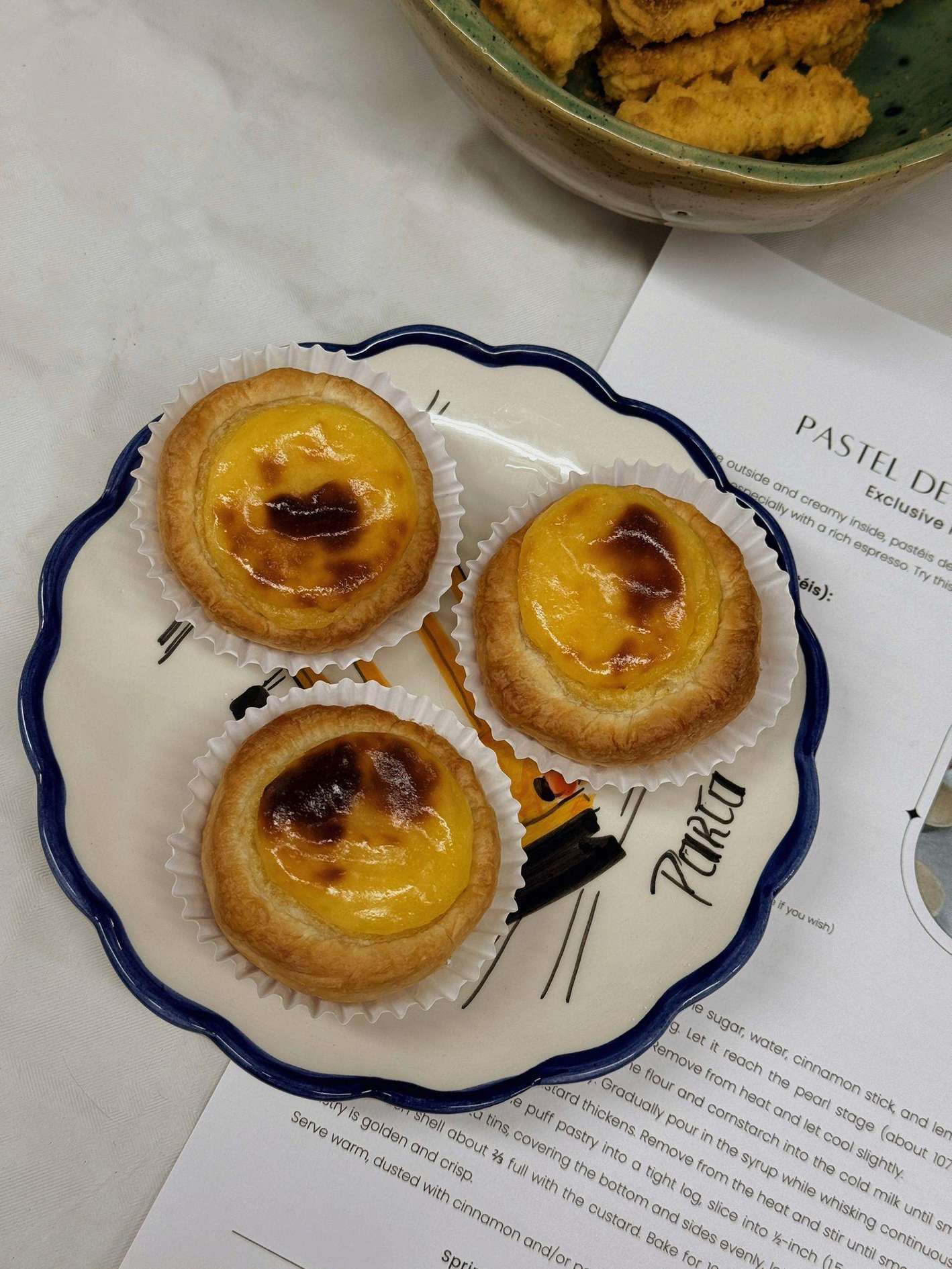
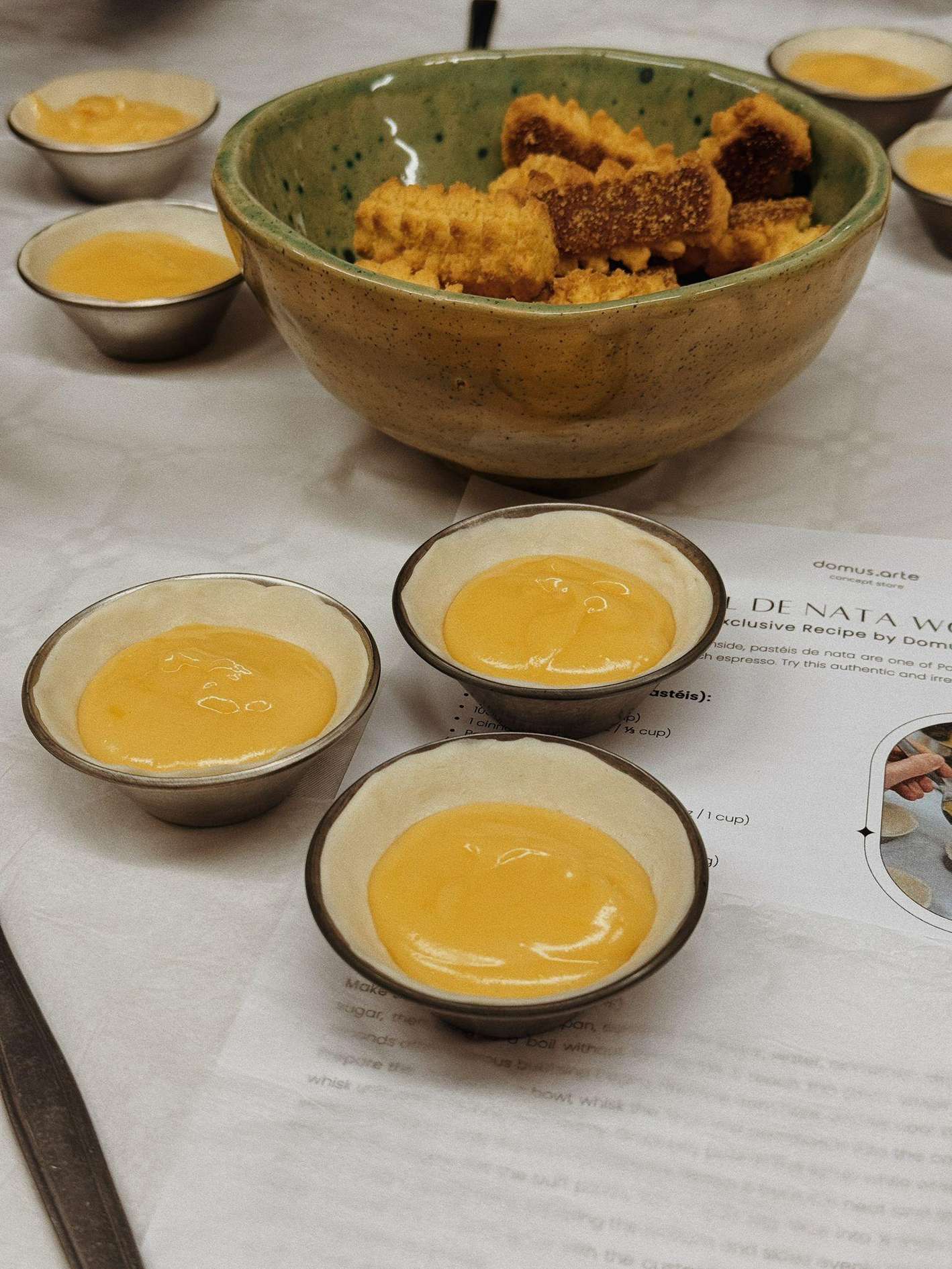
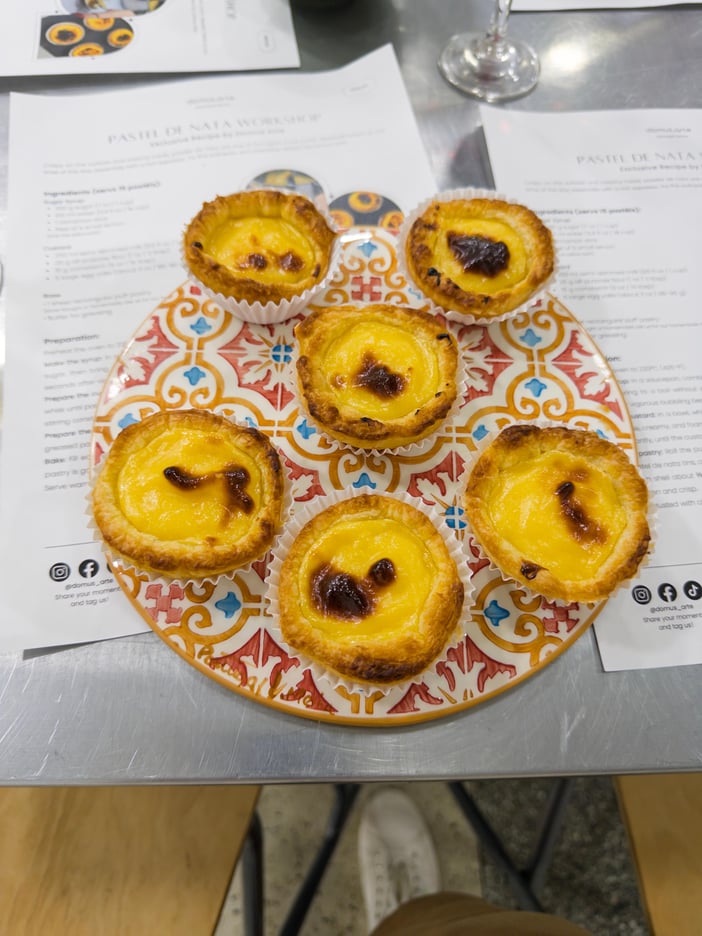
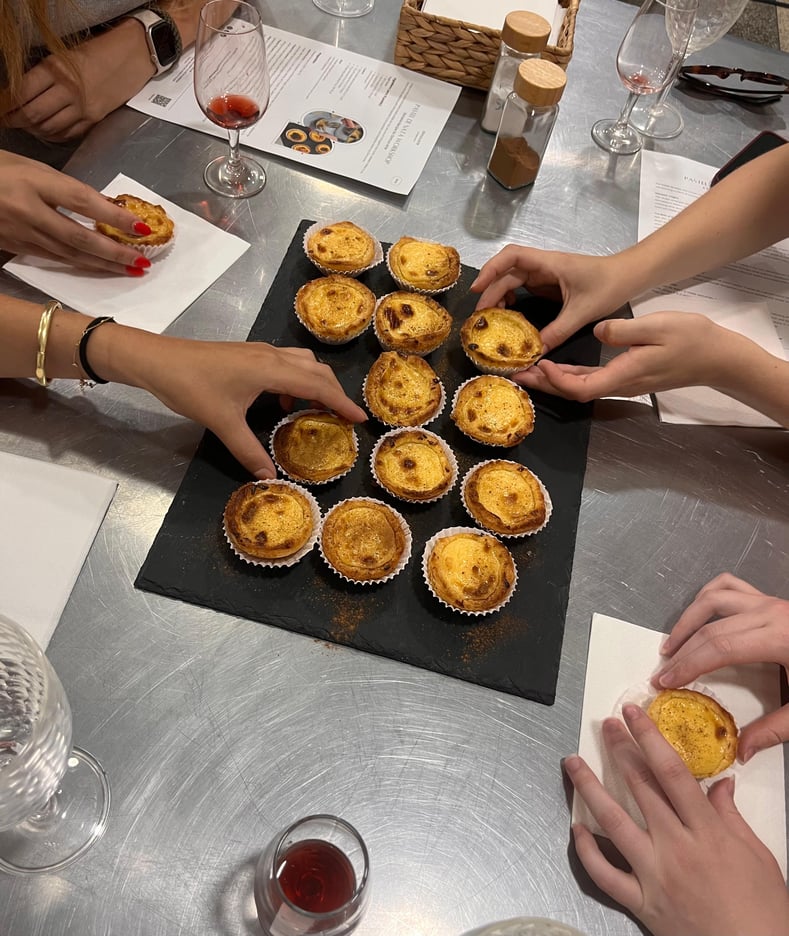
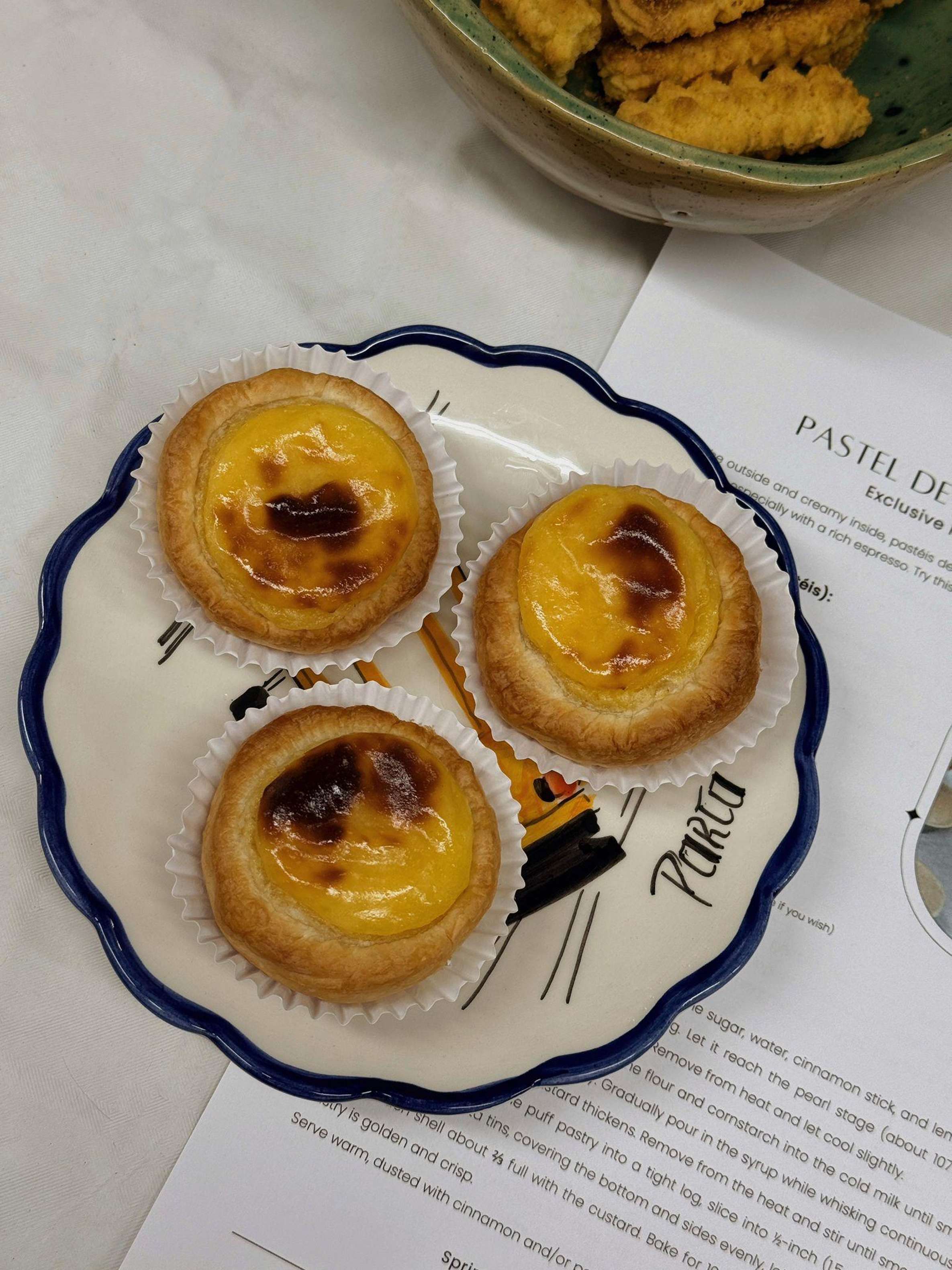
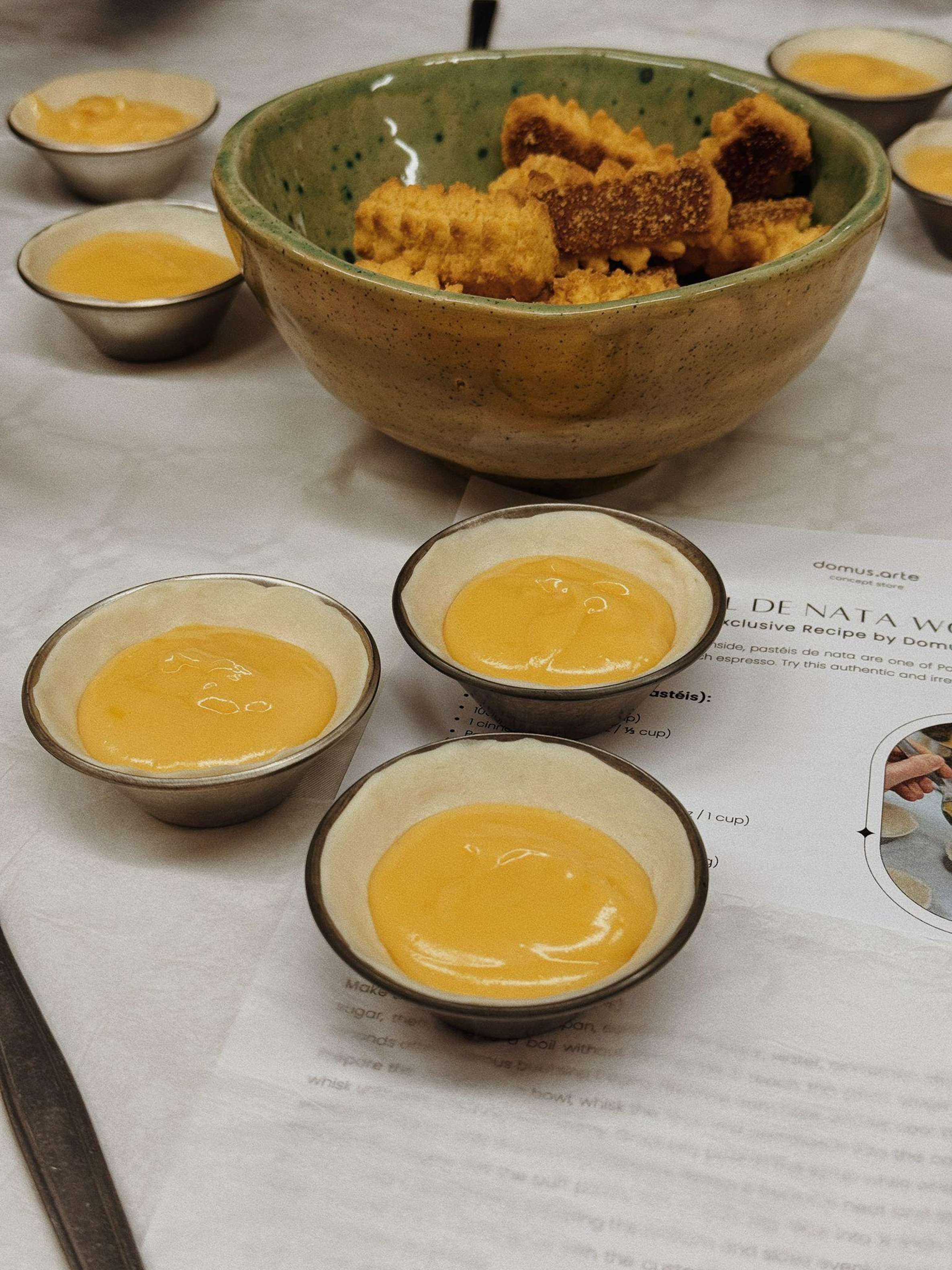
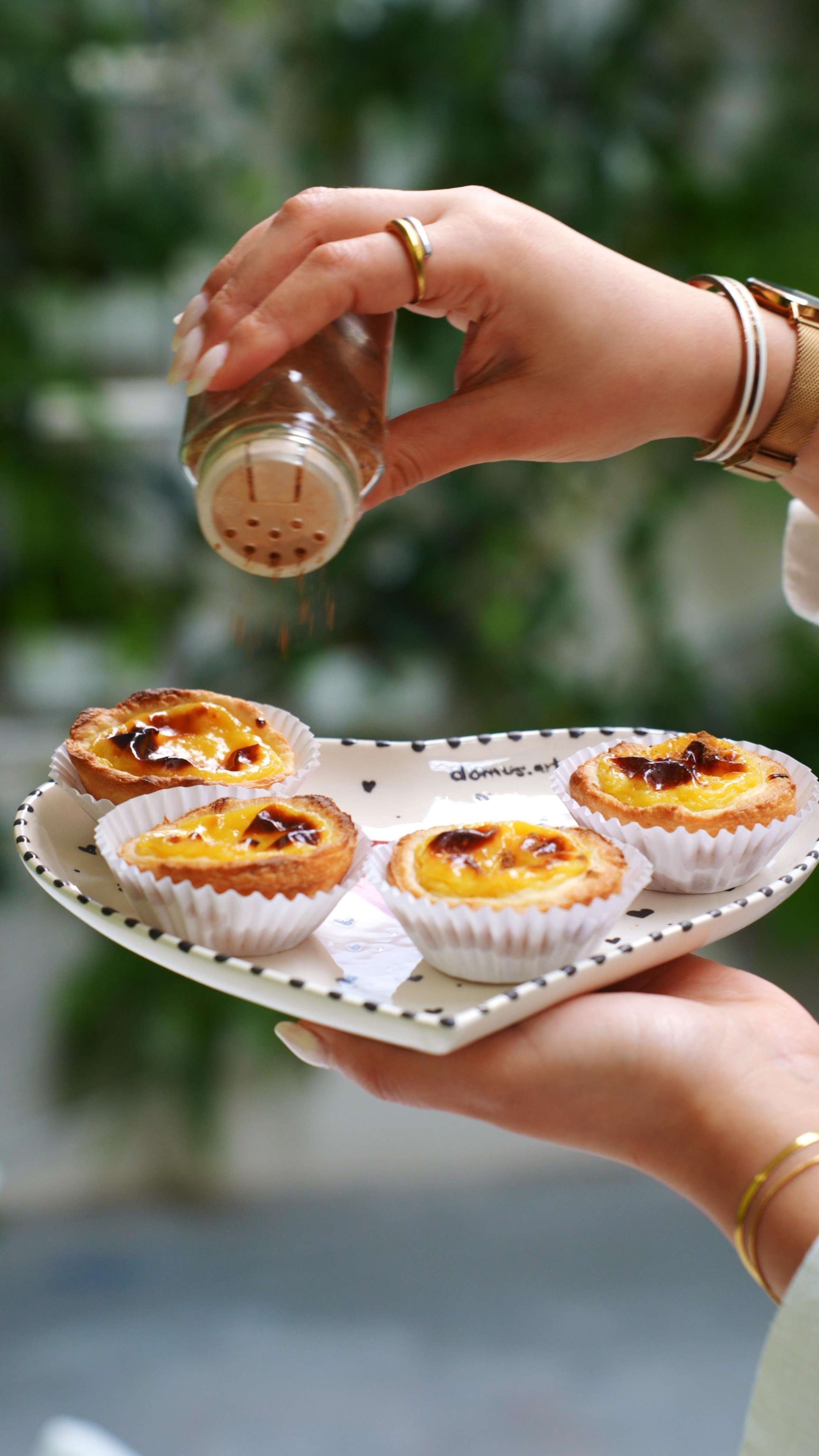
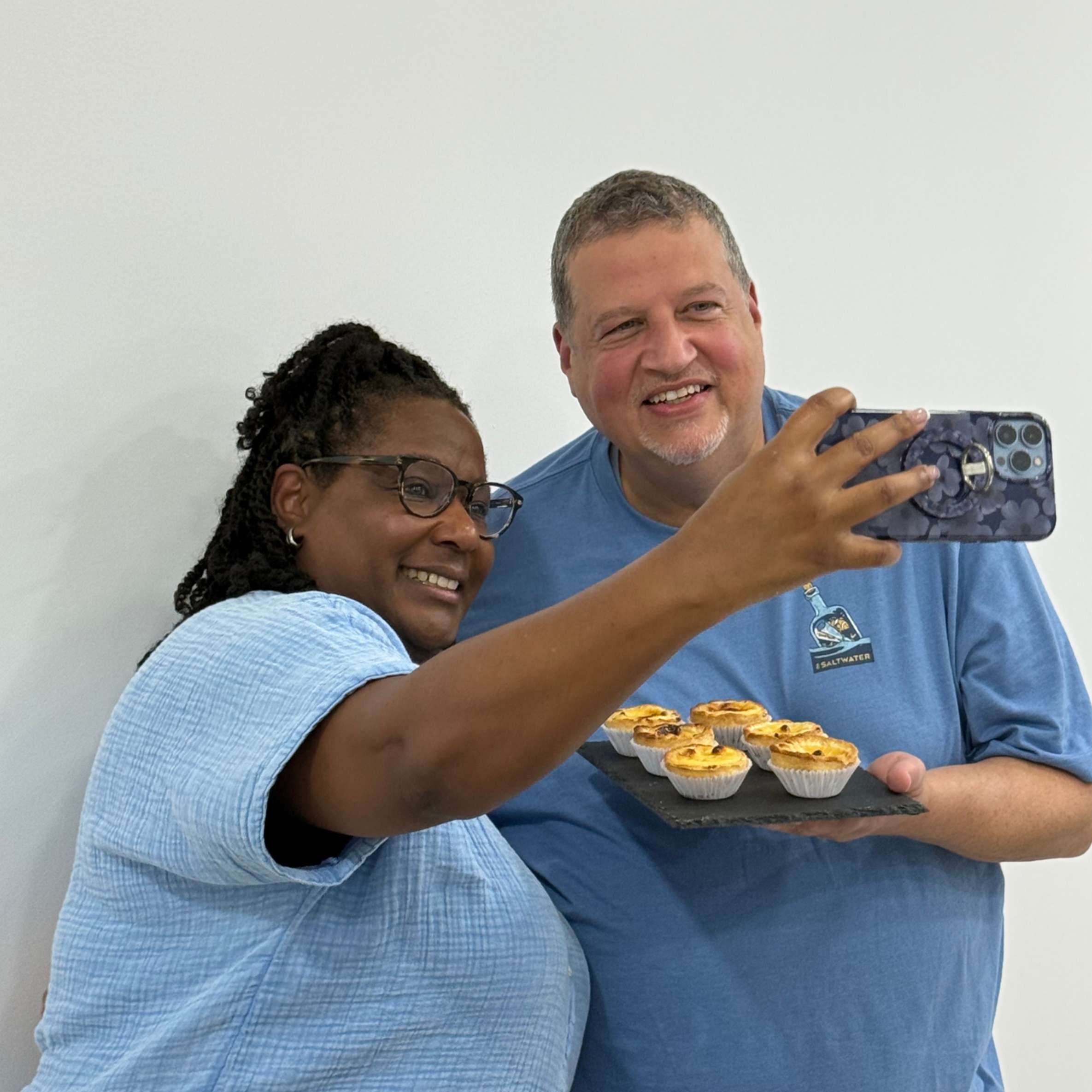
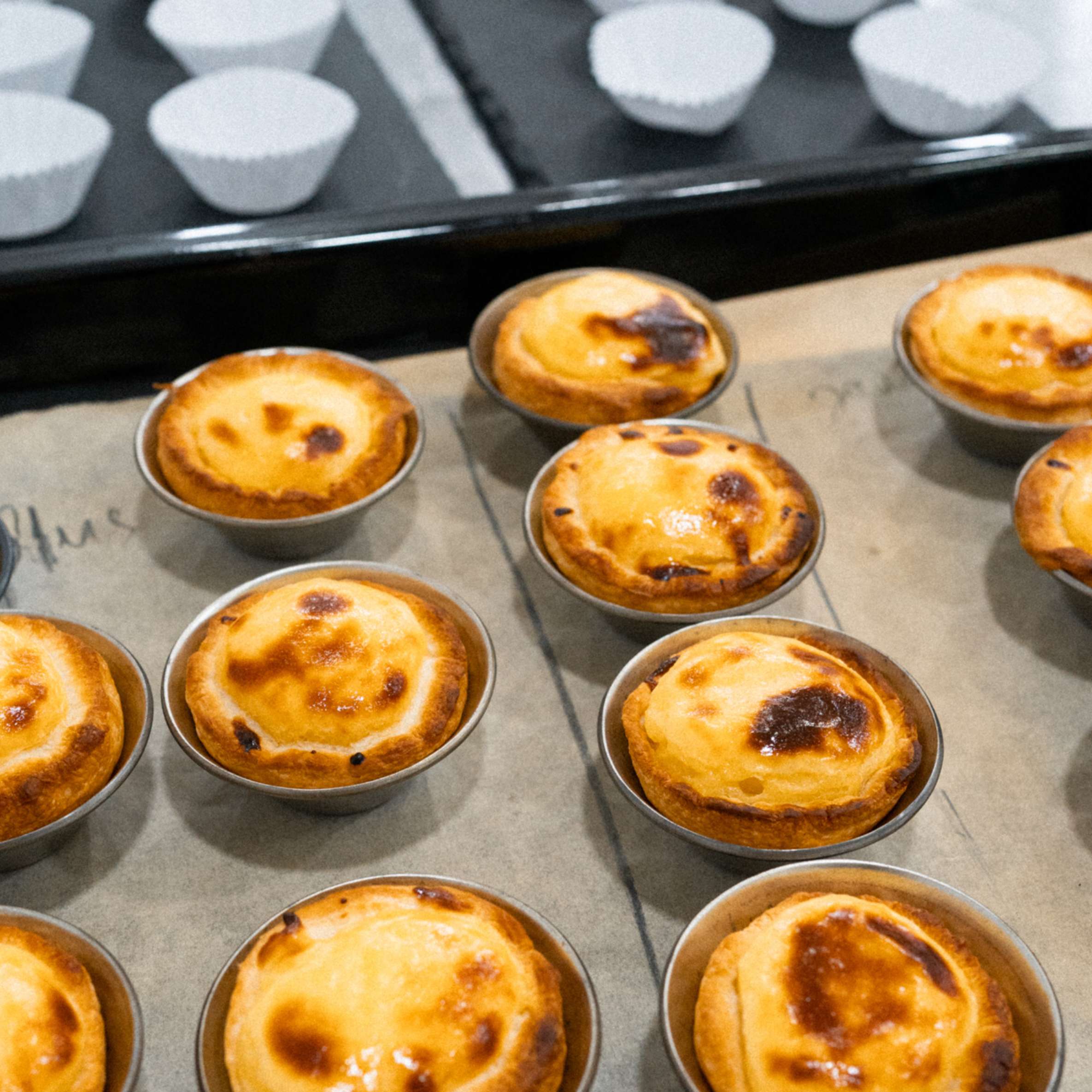
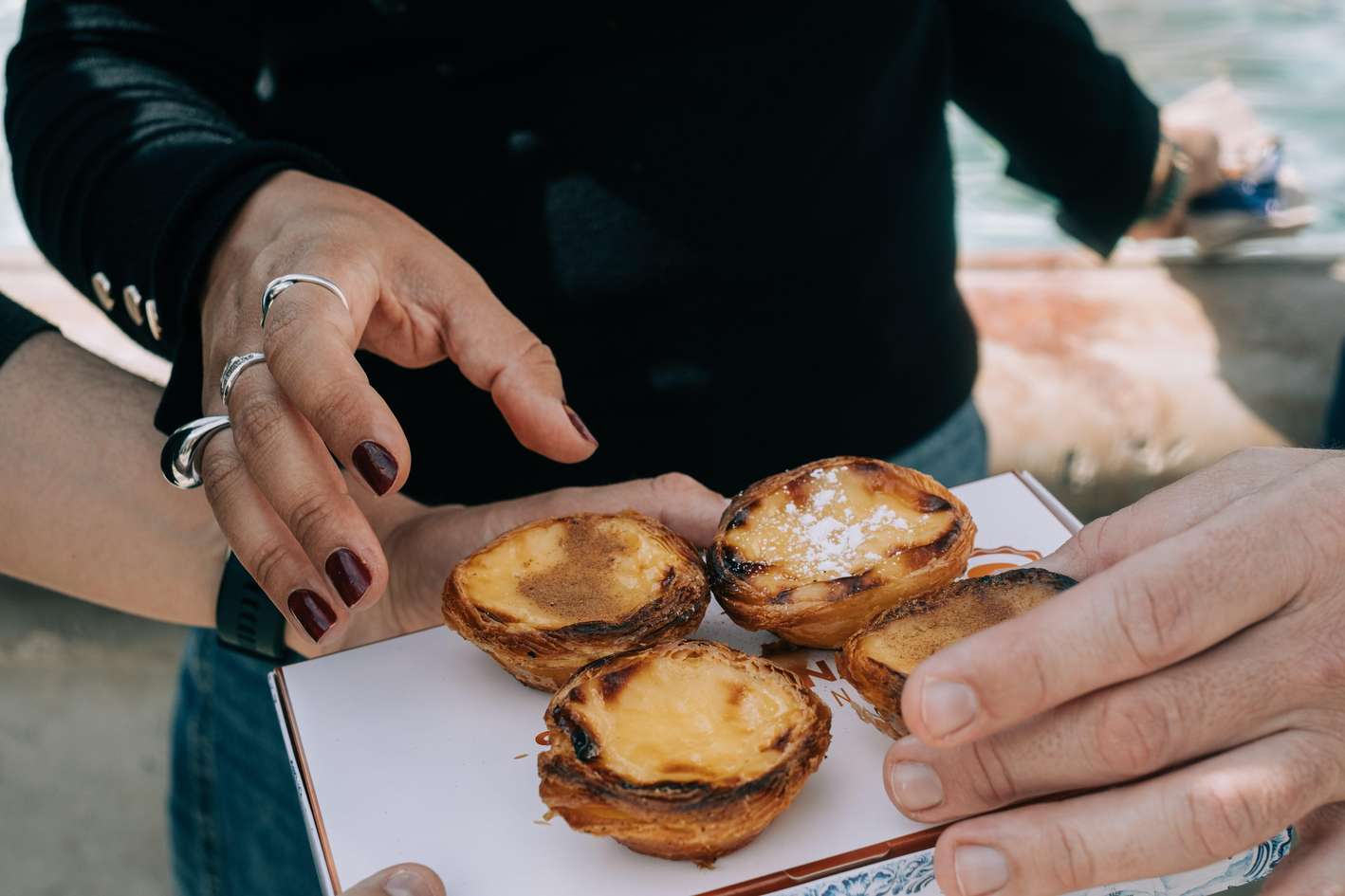
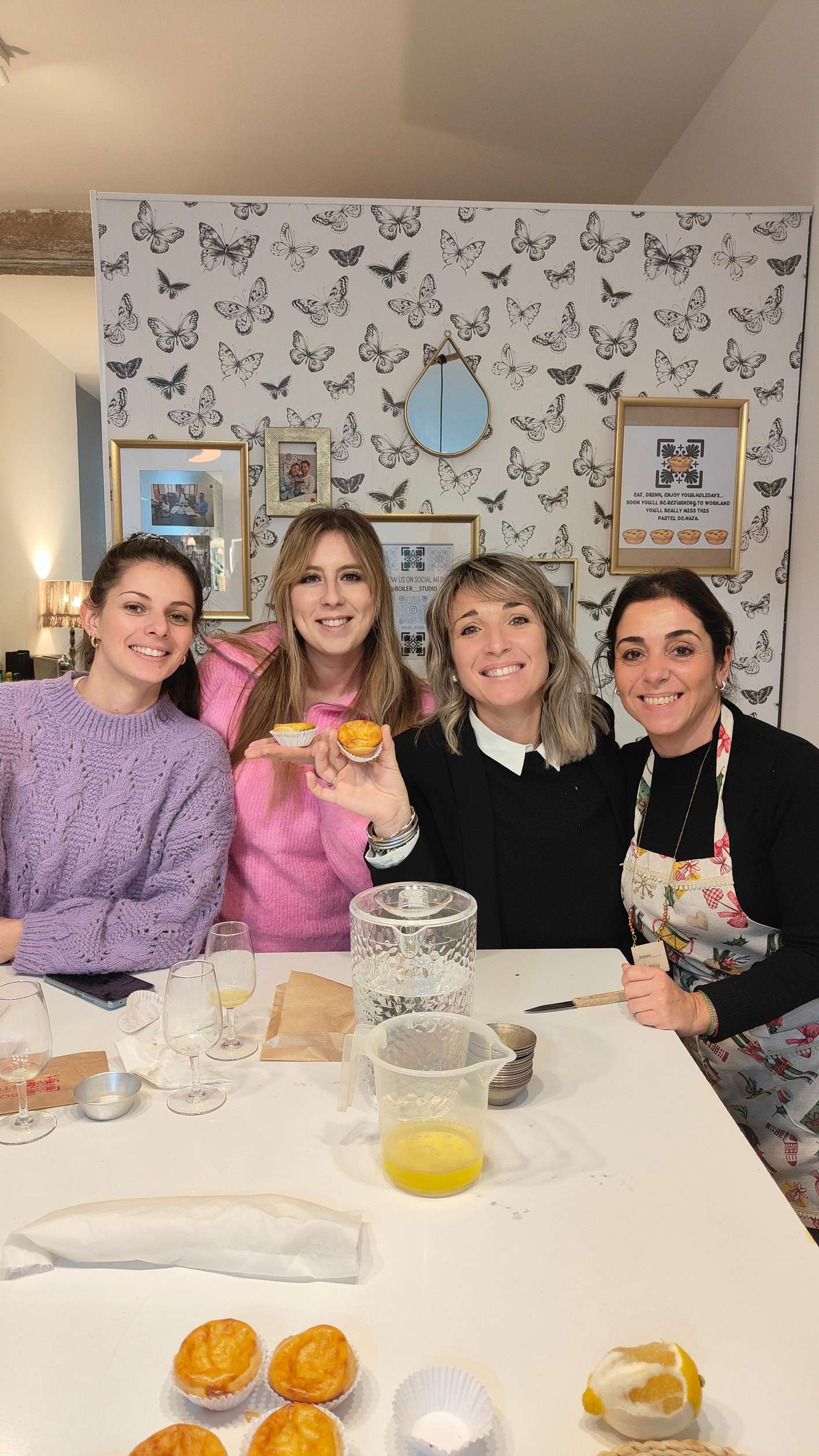
The first thing that matters here is that the tarts are real. You spend an hour and a half in a Porto kitchen making pastéis de nata from an entirely plant-based recipe, guided step by step, and eat them warm out of the oven with a glass of Port wine.
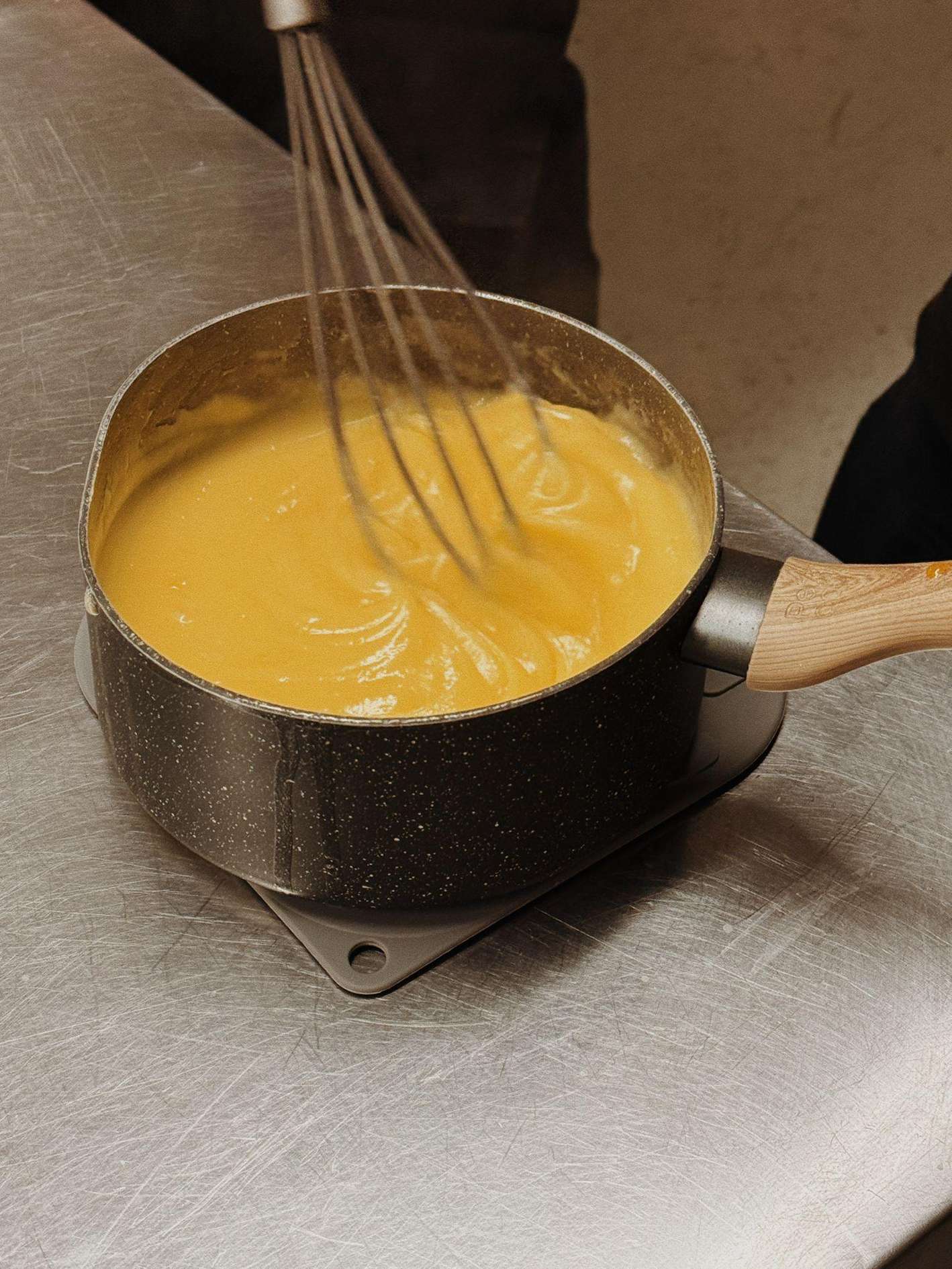
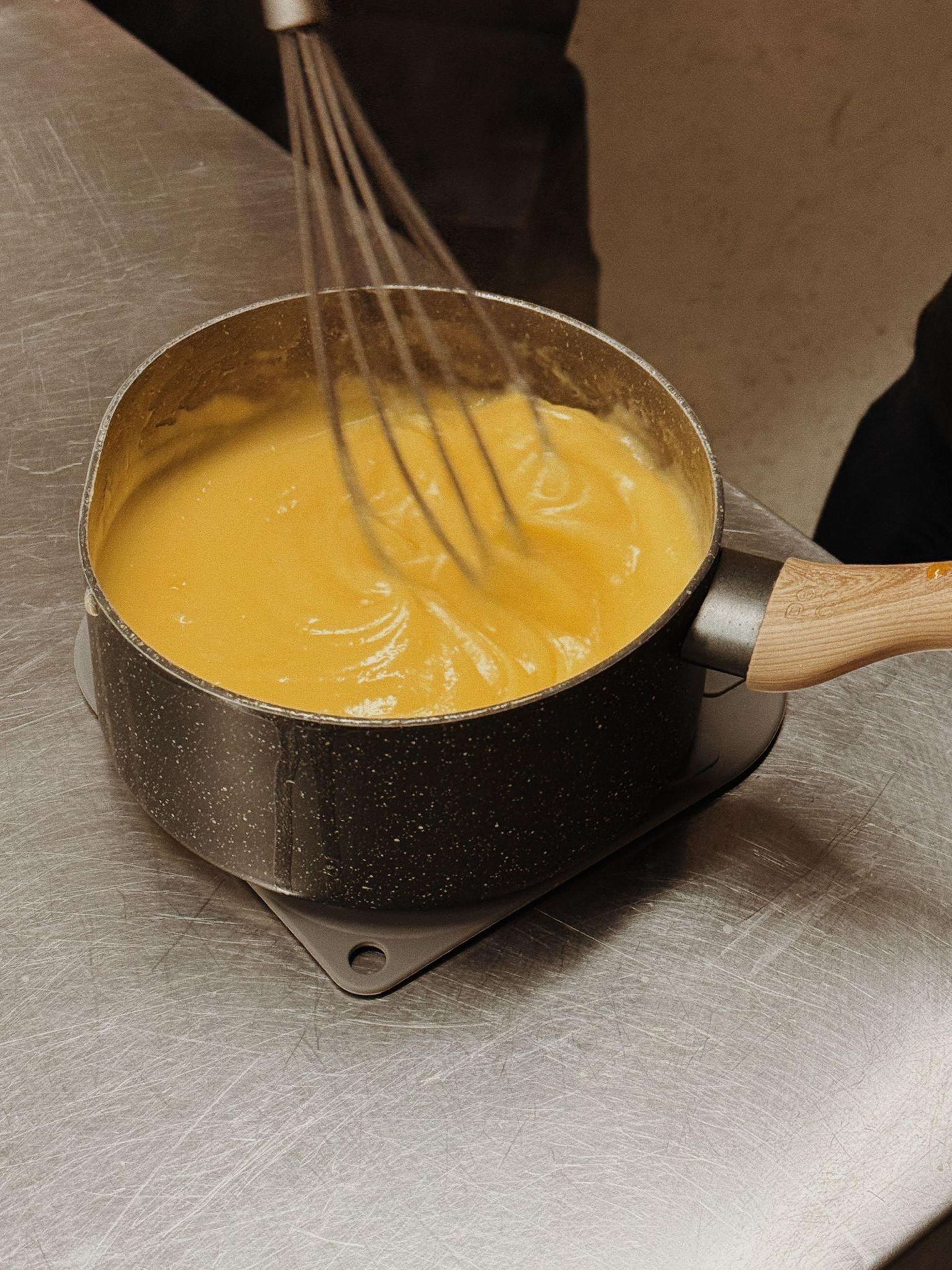
The custard comes together with plant-based ingredients, coconut or cashew cream among them, and many people who try both versions say they cannot tell them apart.
The class is shared, so everyone follows the recipe they prefer, vegan or regular, and works side by side. If your companion eats dairy, no one sits the class out. Gluten-free is available too, if you give advance notice so the kitchen can prepare it.
*What the session looks like, minute by minute:*
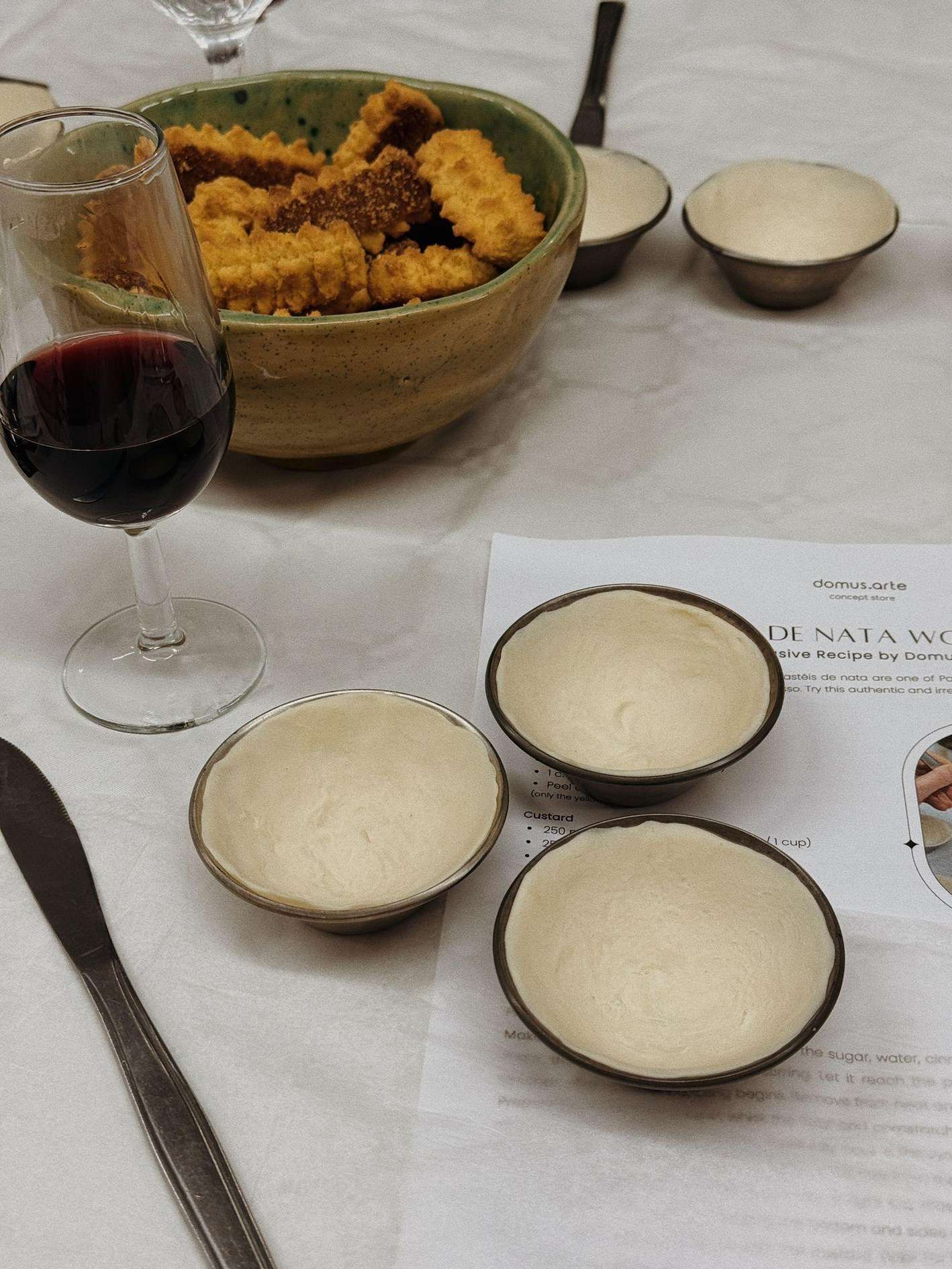
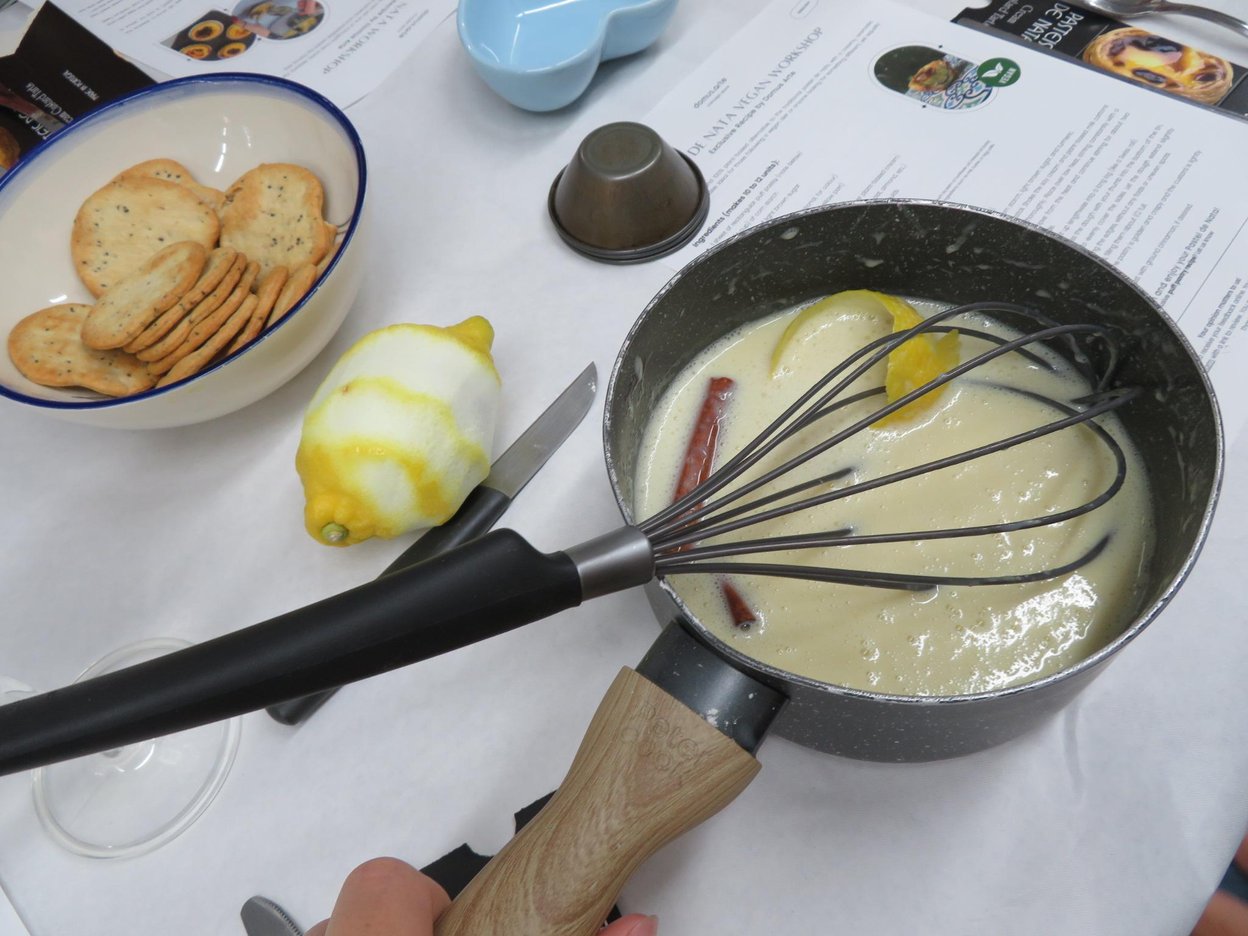
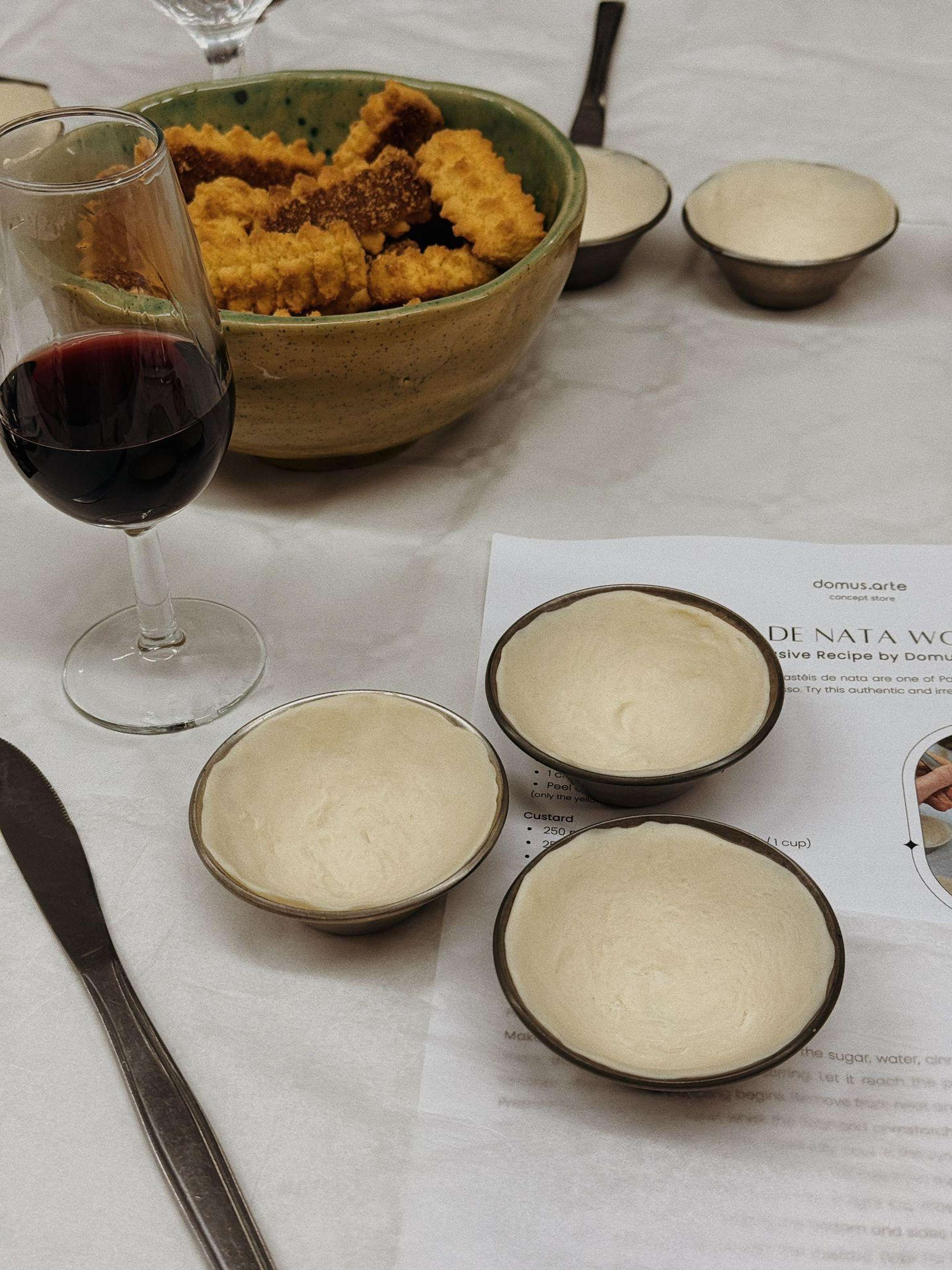
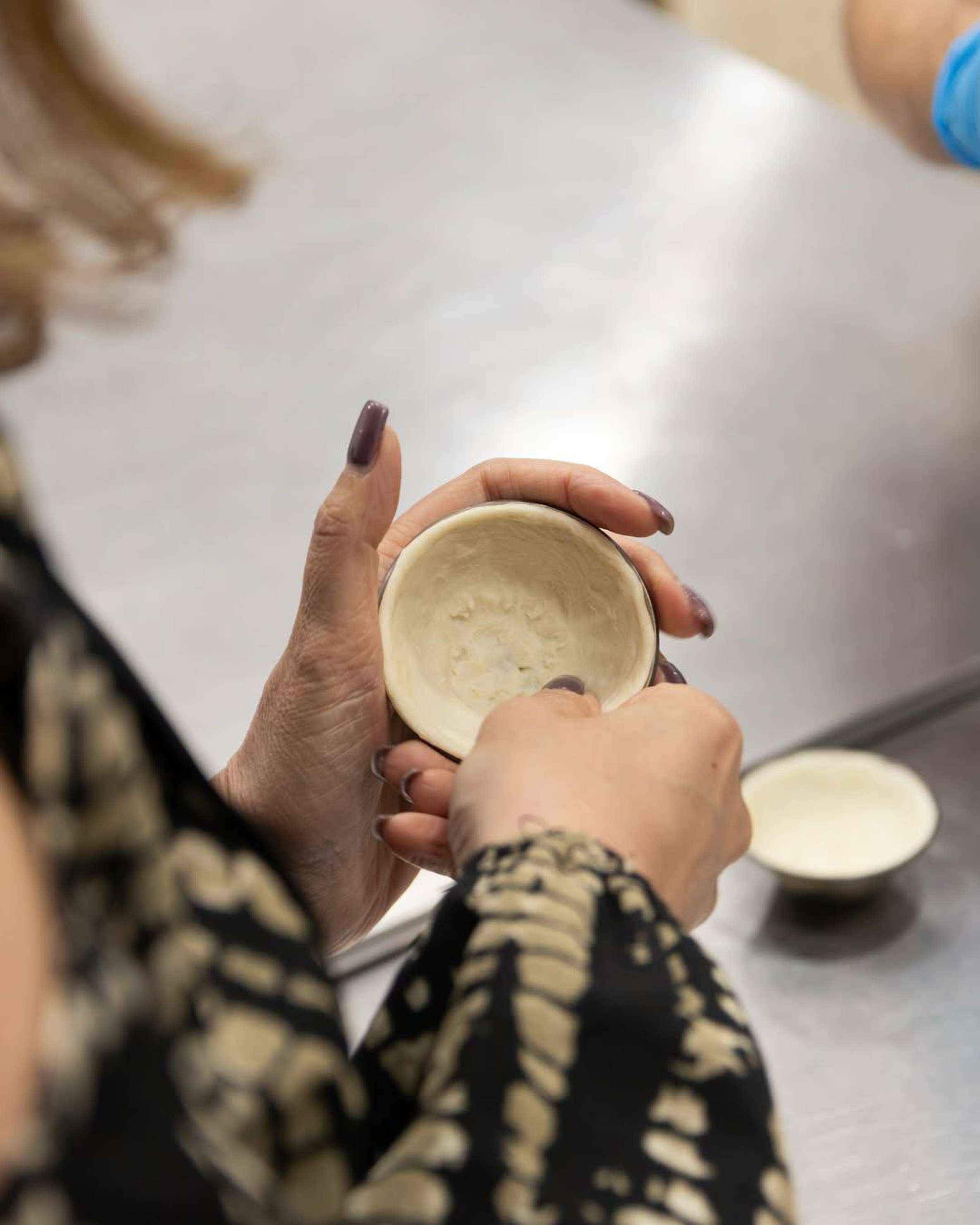
Stop 1The story of the nata· about 10 minYou settle in with a short, accessible introduction to how the tart came about, from the convent kitchens of Lisbon, and how the recipe adapts to a vegan version without losing its essence.Stop 2The plant-based custard· about 20 minThe heart of the class: you prepare a 100% plant-based custard filling, following a clear step-by-step process while the instructor explains each technique.Stop 3Into the tins and the oven· about 25 minThe puff pastry is pre-prepared, since real laminated dough needs several hours, so your time goes into filling, shaping and baking. The group takes turns on each step of the recipe.Stop 4Warm tarts with a glass of Port· about 20 minYou eat your pastries fresh from the oven with drinks and snacks included: Port wine, juice, water or coffee. Local food tips from your instructor come with the conversation.Stop 5The box and the recipe· about 15 minYou leave with the leftovers in a paper box and the house recipe for the tarts and puff pastry, so you can bake them again at home.
Included
Includes drinks (Port wine, juice, water, coffee) and a selection of snacksPaper box to take the pastries homeExclusive recipe for the tarts and puff pastryInstructor with high knowledge in Pastel de NataAll vegan ingredients and materialsGluten-free option is available upon request. Advance notice is required to allow proper preparation.
Not included
Hotel pickup and drop-off
Vegan cooking class reviews - what Porto travelers made and loved
Open the calendar for the vegan pastel de nata cooking class and choose a day early in your trip. Sessions run about an hour and a half, and a morning slot around 10 am lets you eat the warm tarts near lunchtime.
Pro tipAn early class frees your afternoon for Bolhão Market
RecommendedAugust and September fill fastest, so book ahead
2. Choose the vegan option
Select the class and confirm the vegan recipe is noted on your booking. The workshop runs as a shared class where each participant follows either the vegan or the regular recipe, so your plant-based version is prepared separately.
ImportantAdd the gluten-free option only with advance notice
Common mistakeBooking without flagging your diet leaves the kitchen unprepared
3. Pay and wait for confirmation
Complete the booking and your confirmation arrives with the meeting details and the instructor's contact. You can cancel up to 24 hours in advance for a full refund, so a delayed flight or a change of plan costs nothing.
Pro tipBook early in your stay so you can reschedule within the window
RecommendedSet a reminder the day before in case plans shift
4. Check your voucher details
Your voucher shows the exact address, the start time and how to reach the kitchen. There is no hotel pickup, so plan your route by metro or on foot, and keep the voucher handy on your phone.
Common mistakeTurning up without checking the address, not the city center
Pro tipThe class is stroller accessible, so small children are welcome
5. Arrive early on the day
Wear flat, closed-toe shoes and clothes you don't mind getting flour on; aprons and all equipment are provided. Arrive a few minutes early, because doors close at the start time and late entry can be refused.
ImportantOpen-toed shoes, sandals and flip-flops stay out of the kitchen
Common mistakeArriving late, since the class starts on time
What to know before you book a vegan cooking class in Porto
about 5 tarts per person, 2 or 3 go home with you
Can stop the dayGood to knowGood news
01
ChoosingWhat it is, who it suits, when to go
6
Group setup
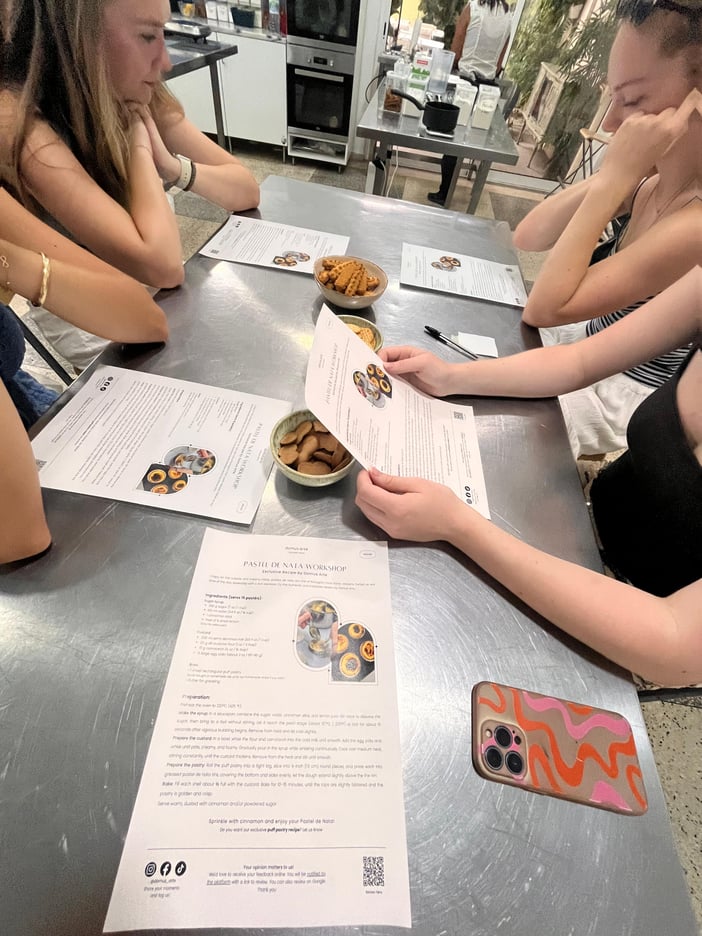
Classes are shared, and participants take turns working through the steps of the recipe together under the instructor's guidance. If you want to handle every stage yourself, ask about the private workshop option when you book.
Vegan recipe
The dedicated vegan class uses 100% plant-based ingredients for the custard filling and bakes tarts that hold their own next to the traditional version. Many people cannot tell the difference, since coconut and cashew creams replicate the rich, creamy texture of dairy.
Puff pastry
The puff pastry is prepared before the class because authentic lamination takes several hours of resting and folding. You still learn the technique: an exclusive house-made recipe comes with the class so you can recreate it at home.
What's included
You get all ingredients and equipment, drinks, a paper box for your pastries, and the recipe to take home. The essentials:
All vegan ingredients, utensils and materials
Port wine, juice, water and coffee with snacks
An exclusive recipe for the tarts and puff pastry
A box to carry your baked pastries home
Gluten-freeCan stop the day
A gluten-free option is available on request, and the kitchen needs advance notice to prepare properly. Mention it when you book so the setup is ready before you arrive.
Mixed classes
In the shared class, each participant follows either the vegan or the regular pastel de nata recipe. That means a non-vegan partner can join the same session, and everyone works side by side at the same bench.
02
BookingHow far ahead, and what happens if plans change
1
Cancellation
Both classes allow free cancellation up to 24 hours in advance for a full refund. That gives you room to shift the class if your travel plans move, as long as you cancel a day ahead.
03
Before you goPapers, health, what to bring
2
FootwearCan stop the day
Portuguese kitchen hygiene rules require flat, closed-toe shoes in food preparation areas. Sandals, flip-flops and open-toed footwear stay out of the kitchen, so pack a pair of sneakers for class day.
Age limits
The dedicated vegan class welcomes all ages, from kids to adults, and is stroller accessible. The standard workshop nearby runs with a minimum age of 3, so families with toddlers have a path in either way.
04
On the dayWhere to be, when, and how you get there
1
Getting there
Neither workshop includes hotel pickup, so you make your own way to the kitchen. Both locations sit in central Porto and are easy to reach on foot, by metro or by bus. Plan to arrive a few minutes before the start time.
05
During the tourWhat is expected of you
1
Tipping
Tipping your instructor is not mandatory in Portugal, and nobody expects it at the end of a cooking class. If the session made your trip, a small extra is always received warmly.
The vegan cooking class Porto Guide
ask for a cimbalino, the local espresso
A custard tart built on egg yolks and cream sounds closed to plant-based travelers. Porto has a dedicated class that proves otherwise, and the questions that decide your day are timing, footwear and how you get there.
Porto
If you only remember three things
1
Book a vegan class where every ingredient is plant-based, and tell them about gluten-free needs in advance.
2
Wear flat, closed-toe shoes; kitchens turn open sandals away.
3
Cancel up to 24 hours ahead for a full refund, so a flight delay costs you nothing.
What a vegan cooking class in Porto does to the custard tart
The fear is easy to picture: a bench where you watch, a tart that tastes of substitutes. The reality at Porto's dedicated vegan session is different.
Every ingredient and material there is plant-based, and the custard gets its creaminess from things like coconut or cashew cream, which sit close to dairy in both texture and taste.
What people wrongly assume
MythPastel de nata can never be made vegan
Reality
A dedicated vegan class in Porto builds the whole tart, filling and pastry, from plant-based ingredients.
MythThe vegan version will taste synthetic
Reality
Coconut cream and cashew cream replicate the rich, creamy texture of dairy, and many tasters cannot tell the two apart.
MythA vegan traveler just gets tolerated in a traditional class
Reality
In the shared session, every participant follows their own recipe, vegan or regular, in the same kitchen.
So the question stops being whether a vegan pastel de nata exists in Porto and becomes which session to pick and when to show up. Picking well is what turns a good tart into a great day.
Tour for this
Porto: Vegan Pastel de Nata Cooking Class with Port Wine4.5★ (7) · 1.5 hours · Free cancellation
Why the nata was born for a vegan cooking class rewrite
The tart's own history makes the plant-based version feel less like a betrayal. Portuguese convents used egg whites to starch habits and to clarify wine, which left them sitting on mountains of yolks.
Between the 15th and 16th centuries, nuns combined those yolks with Portugal's plentiful sugar, and the custard tart was born as a way to avoid waste.
A vegan nata is a rewrite of a recipe that was itself a workaround. The egg-free filling is just the next step in a story that started with leftovers.
The same lens applies to your Port pour. Traditional Port production frequently uses animal-derived fining agents, so most Ports are not vegan by default, though many bottle-aged and vintage Ports are bottled unfiltered and unfined and work for strict plant-based diets.
Look for the V-label on the back label: one local producer, Poças, holds that certification across its entire portfolio, so a certified bottle is an easy find.
Order it as a porto tónico, the low-proof white Port spritz the city's bars push in summer, and you have an aperitif that sits lightly before a late dinner.
Tour for this
Porto: Pastel de Nata Cooking Class with Port Wine4.9★ (1,473) · 1.5 hours · Free cancellation
What you do in a vegan cooking class hour and a half
Porto baking sessions generally run 1.5 to 2 hours from apron on to the last bite, and where yours lands depends on the group size. The vegan class with Port wine is scheduled at 1.5 hours.
Workshops that teach laminated puff pastry from scratch take around 2.5 hours, because real puff pastry needs more than five hours of resting and folding, so in this session the pastry arrives pre-prepared and you take the house recipe home to make it yourself.
Baking class durations in Porto
1.5 to 2 hrsstandard workshop duration
2.5 hrsclasses making dough from scratch
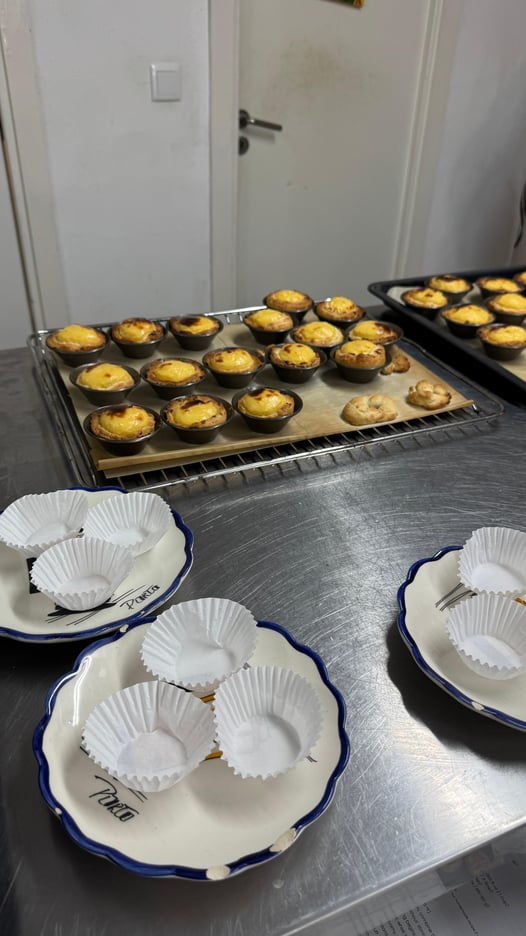
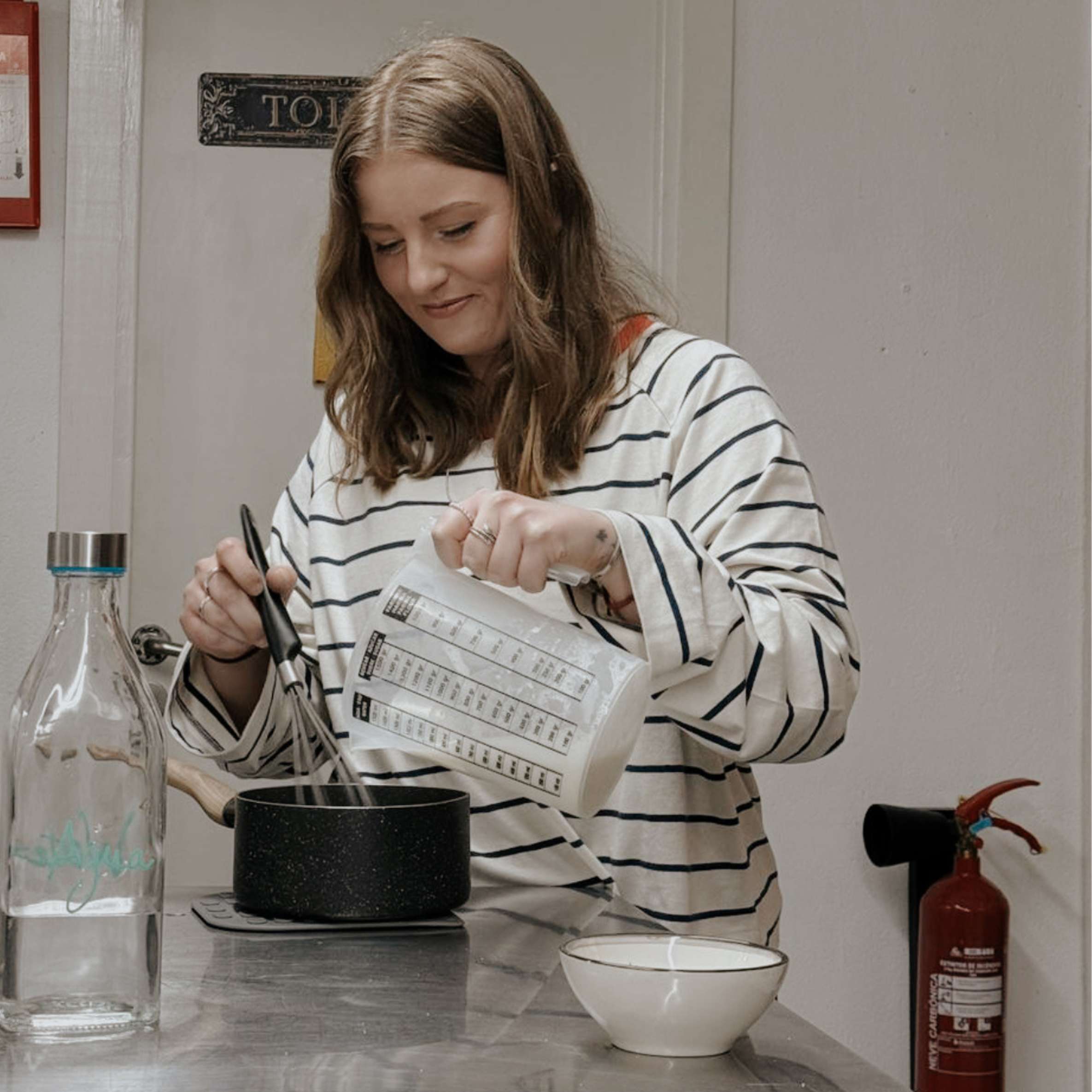
The work at the bench is cooperative: participants take turns on the steps of the recipe, mixing a fully plant-based custard, filling and baking. Expect about five tarts each, roughly three eaten warm straight from the oven and two or three packed in a paper box to go.
Instruction is in English, with Portuguese or other languages available depending on the session. A short history of the pastry, from Lisbon's convents to Porto's bakeries, runs alongside the baking. Coffee, juice or water come with the class for anyone skipping the Port.
When to lock in your vegan cooking class spot in Porto
Timing decides how the class fits your day. A morning slot starting around 10 am or 10:30 am wraps up with warm tarts by lunchtime, right before the substantial Portuguese midday meal that runs from 12:30 pm to 2 pm.
Dinner rarely starts before 8 pm, so an afternoon class lands your tasting in the lanche window, the late-afternoon snack tradition between 3:30 pm and 6 pm that bridges the long gap until evening.
Class times and when you eat the warm tarts
Morning Peak10 am to 12:30 pm
A morning class wraps up around lunchtime with warm tarts.
Early afternoon1 pm to 4:30 pm
Afternoon sessions suit a later snack or dessert.
Late afternoon and evening3:30 pm to 8:30 pm
Later starts mean eating the tarts later in the day.
QuietBusyThe busiest
Morning tarts pair traditionally with espresso at a café counter, which is why fortified wine feels heavy before lunch. If the Port pairing matters to you, aim for the late-afternoon slot.
How busy it gets, month by month
July: 5 out of 5 for how busy it gets.
HighestMay, Jul to Oct
In betweenApr
LowestJun, Nov to Mar
Darker: a higher how busy it gets score, out of 5
Tap a month to read it.
Season matters too. August and September are the busiest months at these workshops, so book those weeks early or travel in the quieter months for an easy seat.
July through September bring daytime highs around 23 to 25 degrees and mostly dry skies, and the ovens add their own brief heat only at tasting time. Let the tarts cool a minute before biting.
Two decisions shape the choice. First, format: a cooking class keeps you at a bench and table for an hour and a half or so, while a walking food tour runs three to four hours on foot, linking four or more tasting stops through steep streets with ten to fifteen other people.
On food walks, Port usually appears as one glass at one stop.
Choosing your Porto nata experience
1.5 hours at the bench
1.5 hours at the bench
3.5 hours on foot
Walking involved
Minimal, one venue
Minimal, one venue
Three to four hours through steep streets
Dietary fit
Fully vegan ingredients and materials
Vegan, lactose-free or gluten-free on request with advance notice
Vegan adapts with notice; traditional stops are egg-rich
What you take home
Your own tarts plus the recipe card
Your own tarts plus the recipe card
A full meal and city context
1.5 hours at the bench
Walking involved
Minimal, one venue
Dietary fit
Fully vegan ingredients and materials
What you take home
Your own tarts plus the recipe card
1.5 hours at the bench
Walking involved
Minimal, one venue
Dietary fit
Vegan, lactose-free or gluten-free on request with advance notice
What you take home
Your own tarts plus the recipe card
3.5 hours on foot
Walking involved
Three to four hours through steep streets
Dietary fit
Vegan adapts with notice; traditional stops are egg-rich
What you take home
A full meal and city context
Second, diet: a dedicated vegan session uses plant-based everything, while the traditional class can switch recipes with advance notice. The dedicated vegan session with Port wine answers the search without compromise, and it welcomes all ages with a stroller-friendly room.
Beginners do fine here: the work is broken into small steps, and you can ask the instructor to help troubleshoot your dough as you go.
Tour for this
Porto: Vegan Pastel de Nata Cooking Class with Port Wine4.5★ (7) · 1.5 hours · Free cancellation
Central Porto keeps the logistics short. From Trindade station, the metro takes 2 minutes to Bolhão, or the walk covers 600 meters in about seven.
Bolhão is the first stop east of Trindade on the central trunk, served by lines A, B, C, E and F from the same platform, and the underground station sits directly beneath the market with direct access into the building.
Getting there
Metro from TrindadeOne stop, all trunk lines, station under the market
Easy
Walking the 600 metresSeven flat-ish minutes from the interchange
Easy
Rideshare or taxiDoor to door, useful in summer rain
Easy
Line D serves Aliados directly, and buses hub at Av. Aliados, Bolhão and Cordoaria, so any central hotel sits close.
If your evening runs long afterwards, the metro is not an all-night option every night: regular service ends around 1 am, with overnight runs on Fridays, Saturdays and holiday eves from June to October. A Porto taxi is the dependable late return, and the Taxi-Link app tracks the driver's arrival in real time.
The kitchen has rules, and they come from food hygiene law. Flat, closed-toe shoes are strictly required: open-toed footwear, sandals and flip-flops are turned away, whatever the weather outside. Sneakers with a decent tread help on floors that get slick near the sinks and dough benches.
What to wear and bring for baking workshops
Closed-toe flat shoesRequired in kitchen environments to protect feet from hot tins and dropped tools; open-toed shoes and flip-flops are strictly banned.
Non-slip solesKitchen and bakery floors can become slick around dough prep benches and washing sinks from water, butter, and stray flour.
Hair tie or bandAttendees with long hair must tie it back securely before stepping into the kitchen for food hygiene.
Fitted short or rollable sleevesAvoids loose cuffs brushing against liquid custard or touching high-temperature commercial oven doors.
Comfortable socksWorkshops involve standing on hard tiled floors for 1.5 to 2.5 hours while laminating pastry and working the dough.
Everything else is supplied. Culinary workshops in Porto provide all the cooking equipment, baking utensils and raw ingredients, and bringing outside tools or personal ingredients is unnecessary. Aprons arrive with the studio, though a few home-based classes suggest your own.
Dress in comfortable casual clothes you do not mind getting flour on, roll or wear fitted sleeves near the ovens, and tie long hair back before stepping in. That is the entire packing decision made.
The class sends you off with a paper box and a recipe card, printed or digital, so the tarts can be recreated in your own kitchen. Some instructors also recommend flour brands available internationally, which saves guesswork at home.
Through the airport, there is no problem to fear: freshly baked pastéis de nata travel through security in carry-on luggage on flights leaving Porto.
Good takeaway boxes keep them good to eat for up to two days, so plan to finish the box quickly. A rigid cylindrical bakery tube protects their shape better than a square one if you find one.
The home-oven secret is heat. Bakeries scorch the tops fast so the custard does not split, so aim for at least 250°C, around 260°C with the fan setting, to get the mottled caramelized blisters and crisp pastry. Most domestic ovens can reach it on convection.
The rules are kind until the start time. Cancel up to 24 hours ahead for a full refund, which covers a flight delay or a changed plan if you decide in time.
Lateness is where studios differ. Some close the doors at the scheduled start and offer no rescheduling or refund. At some workshops, staff try to fit late arrivals in without disrupting the others, and if that fails, they try to place you at another time.
Either way, a session that runs on shared steps and a hot oven cannot hold a place open for long.
When plans change
If this happens
What happens then
Weather turns bad
Food experiences run regardless of weather, rain or shine, with indoor stops
You cancel 24 hours or more ahead
Full refund
You arrive after the start
Some studios turn latecomers away with no refund; some staff try to fit you in or rebook you
You need a different date
Rescheduling is possible only within the cancellation period
Build in buffer for the metro and arrive ten minutes early. It is the difference between a story about burnt sugar and a story about a locked door.
Allergy and wheelchair checks for a vegan cooking class
Vegan is not the only dietary line, and one check matters more than the rest. Airborne flour stays suspended for 12 to 24 hours, so people with celiac disease or high gluten sensitivity are advised against entering a baking classroom at all, even where a gluten-free option is offered.
Ask for advance notice if your need is milder, since the vegan class can prepare a gluten-free version given warning.
Before you book
Airborne flour lingers up to 24 hours and settles onto surfaces Travelers with celiac disease or severe gluten allergy should not enter a pastry classroom; ask about alternatives instead.
Service animals are welcome in Portuguese restaurants and cafés, but food-production zones are service areas where animals are prohibited, so a pastry kitchen cannot take them in.
Wheelchair access depends on the venue, so the question is which address your booking uses. One operator's class near the cathedral is not suitable for wheelchair users while its second location is accessible, and another venue's listing contradicts itself.
Ask which specific location your booking uses before assuming either answer. The class itself is stroller accessible.
The dedicated vegan session is one of the relaxed ones: suitable for all ages and stroller accessible, so a family can bring everyone.
Other Porto baking classes are stricter, excluding children under 10, or 8 and under, or running only for ages 15 and up, so check the specific session if you are booking beyond this one.
Alcohol has its own line. The legal drinking age in Portugal is 18, and under-18s cannot be served alcoholic drinks in public venues, so the Port glass stays with the adults. Everyone gets coffee, tea, juice or water instead, and no one has to drink to take part.
Solo travelers do well here too. Small groups work around one table, and drinks while the tarts bake make it easy to talk.
A traveler's note
Rui & Anita were awesome and the pastéis de nata amazing. Got the custard and dough recipes, plus great tips on what to eat and try in Porto. Recommend!
After the vegan cooking class, espresso and Bolhão
The class leaves you steps from the good part of the day. Mercado do Bolhão sits right there, and Confeitaria do Bolhão on Rua Formosa is a historic bakery worth a wander; Manteigaria do Bolhão is another nata stop near the market, open Monday to Saturday until midnight.
At the counter, order the local way: an espresso, which older Porto customers call a cimbalino. Try the tart plain first, then decide on cinnamon or powdered sugar, since both are optional. At standing counters you order directly and pay after, asking "quanto é?" for the bill, and cash cannot be refused.
Hungry later, the neighborhood tascas around town serve generous home-style plates at good value, while tourist-area cafés charge noticeably more.
At Adega Viseu, Casa Louro near São Bento or Prova for wine by the glass, the custom is simple: order one or two plates, then decide on more. Tipping is not compulsory anywhere; rounding up the bill or leaving the change is the local gesture.
A vegan pastel de nata in Porto is a real thing, and the dedicated class with Port wine is the session that proves it. Book a morning or late-afternoon slot, wear closed shoes, arrive early, and keep the recipe card for a 260°C fan oven at home.
Go ifYou eat plant-based and want to bake the whole tart yourselfYou travel with kids or a stroller and want an all-ages sessionYou want a hands-on hour and a half with minimal walking
Skip ifYou have celiac disease or severe gluten allergy, because airborne flour makes pastry classrooms unsafeYou need guaranteed wheelchair access without confirming the venue firstYou want a touring day; a food walk covers more city in three hours
Our pick to book
Porto: Vegan Pastel de Nata Cooking Class with Port Wine4.5★ (7) · 1.5 hours · Free cancellation
Vegan cooking class in Porto - your pastel de nata questions answered
tipping your instructor is optional here
Short answers to what plant-based travelers ask before booking a custard tart workshop in Porto.
Can you really make a vegan pastel de nata?
Yes. A dedicated vegan pastel de nata workshop in Porto uses all vegan ingredients and materials, and the instructor walks you through the plant-based custard and baking process step by step. You also get a short introduction to the pastry's history in Portugal.
Will the vegan version taste like the real thing?
Plant-based custards built on coconut cream or cashew cream replicate the rich, creamy texture of dairy cream, and many tasters struggle to tell a vegan nata from a traditional one. You bake the same blistered, flaky tart and eat it warm from the oven.
Can my non-vegan partner or friends join the same class?
Yes. The shared class runs with regular participants alongside, and each person follows either the vegan or the regular recipe. Everyone bakes together in the same kitchen, so nobody sits out the fun.
Do I make the puff pastry from scratch?
No. The puff pastry is pre-prepared, because authentic laminated dough needs several hours of resting and folding before it is ready. You receive the house recipe to recreate the whole thing at home, and the class focuses on the filling and the bake.
How long does the class last?
The vegan workshop runs about 1.5 hours from start to final tasting. Group size can stretch a session toward the two-hour mark, so leave a little slack in your schedule if you have plans afterward.
What drinks come with the class?
Port wine, juice, water and coffee are included, along with a selection of snacks. If you skip alcohol, the non-alcoholic choices are there for you throughout, and nothing extra is expected of you for them.
Is there a gluten-free option?
Yes, you can request one. Advance notice is required so the kitchen can prepare properly, so mention it when you book. That lead time is what makes the gluten-free version work smoothly on the day.
How many tarts will I bake and take home?
In a standard Porto workshop, each person bakes about five pastéis. Most people eat around three fresh in class and pack the rest in the paper box provided, which keeps them good for a day or two.
Will I get my own station and my own dough?
Classes run as cooperative team efforts, so participants take turns working through the steps of the recipe together. If you want full, individual participation in every stage, ask about the private workshop option when you book.
Is the Port wine served in class actually vegan?
Port is not typically vegan by default, since traditional production often uses animal-derived fining agents. Some local producers carry V-Label certification across their portfolio, so a certified bottle is identifiable by the V-label on the back. Ask the instructor if this matters to you.
When is the best time of day to book?
A morning session starting around 10:00 or 10:30 works well. It runs about an hour and a half to two hours, so the warm tarts land near lunchtime. If your dates are flexible, book a class early in your trip so a delay never costs you the slot.
Can I take my tarts through airport security?
Yes. Freshly baked pastéis de nata travel through security in carry-on luggage on flights leaving Porto. Keep them in the paper box, and let them cool fully before you pack it.