Historical Food Tour in Porto - Vintage Taverns and Tastings
Eat Porto the way locals do. Our historical food tour takes you through vintage tascas, pastel de nata and port wine across 10 tastings with a local guide. Book your walk and taste the city's story.
Porto sells two main kinds of historical food experience: a guided walk that strings tastings together across the old town, or a private route where you and your group set the pace. Both run through historic neighborhoods, past tiled churches and granite plazas. The one difference that decides: how much you want to share the walk with others.
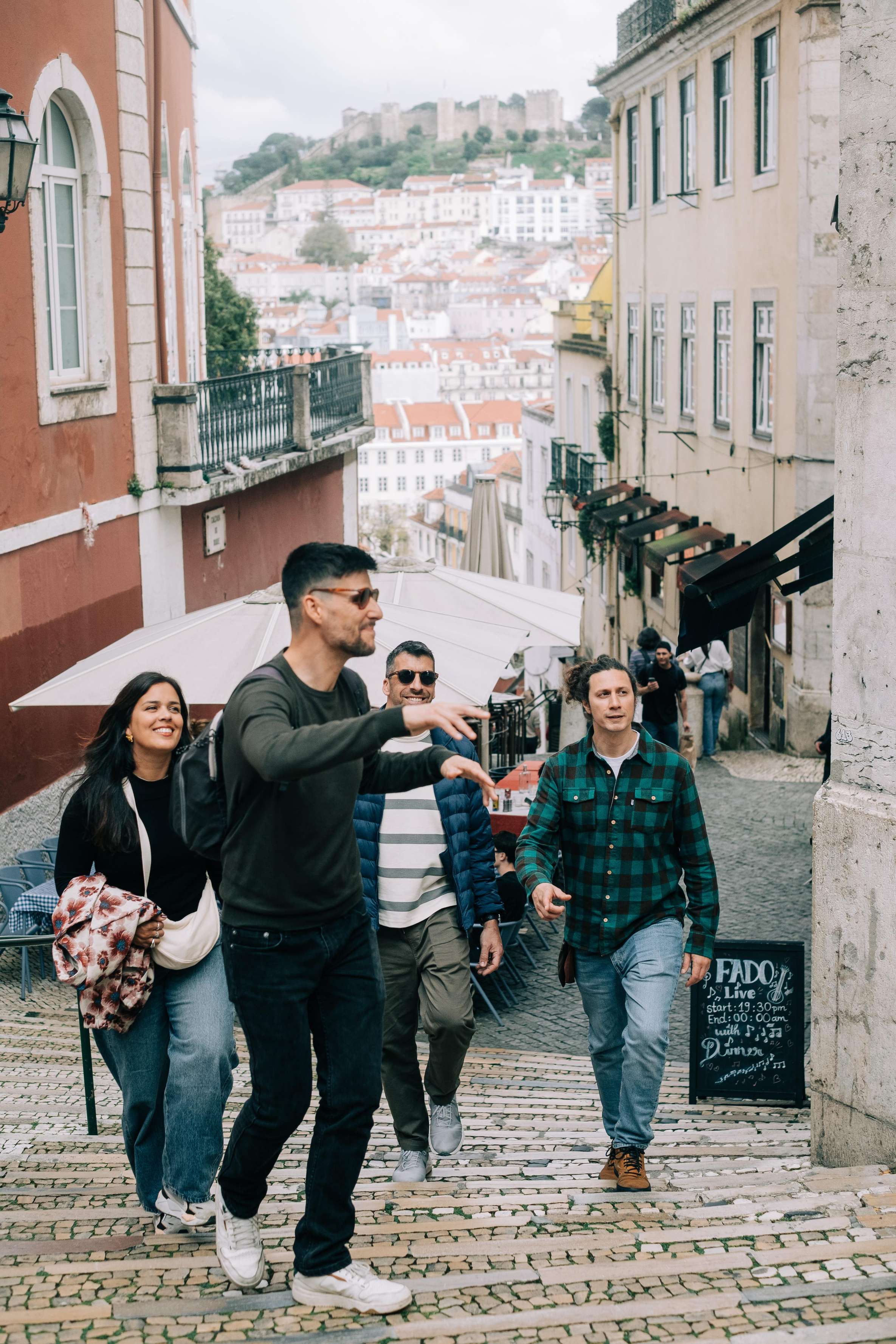
WalkingThese routes cross steep cobblestone streets and stairs, with 10 to 15 minutes of continuous uphill and downhill stretches, so neither walking tour suits wheelchair users or people with mobility impairments.
FootwearWear comfortable broken-in shoes with rubber tread; smooth leather soles and heels slip on wet granite.
WeatherTours run rain or shine, and the tasting stops, including tascas, sit indoors, so a hooded jacket beats an umbrella on windy days.
HungerArrive with an empty stomach, since generous tastings across the stops will leave you completely full.
Dietary needsTell the guide at the start about any allergies or restrictions; the private tour adapts its menu with vegetarian alternatives.
SeasonalityTastings vary by season, availability and time of day, and Bolhão's market stalls close on Sundays and public holidays, so routes may shift.
CancellationCancel up to 24 hours in advance for a full refund.
KidsChildren under 10 get a discounted price on the full-meal walk, and minors may enter taverns but cannot be served alcohol.
TippingTipping is not mandatory in Portugal; rounding up the bill is appreciated.
accessHistorical food tours in Porto use steep cobblestone streets and stairs, so both featured tours are not suitable for wheelchair users or people with mobility impairments.
If stairs and cobbles are hard for you, pick a pastel de nata workshop or a seated tasting instead, and contact the tour operator before booking if you need a route that avoids steep climbs.
Historical food tour Porto - which walk to book
arrive hungry, tastings will leave you full
Most popular
3.5 hours·English
4.9(184)
Eat Porto Like a Local: The Ultimate Full-Meal Food Tour
A 3.5-hour full-meal walk with pastel de nata, bifana and Port wine at a 4.9 rating, so it replaces lunch or dinner.
Free cancellationEnglish-speaking local guideTaste local Port wine
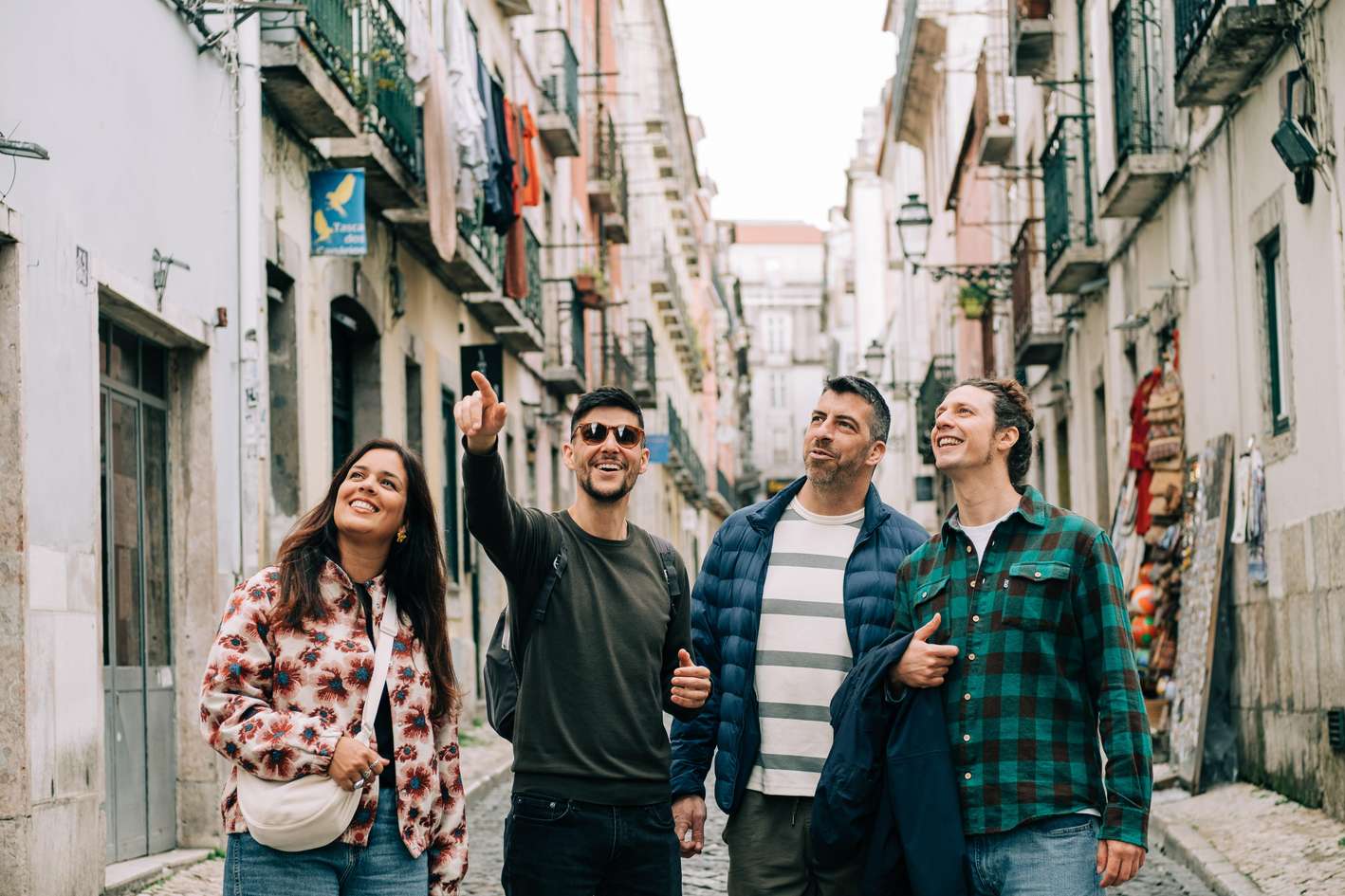
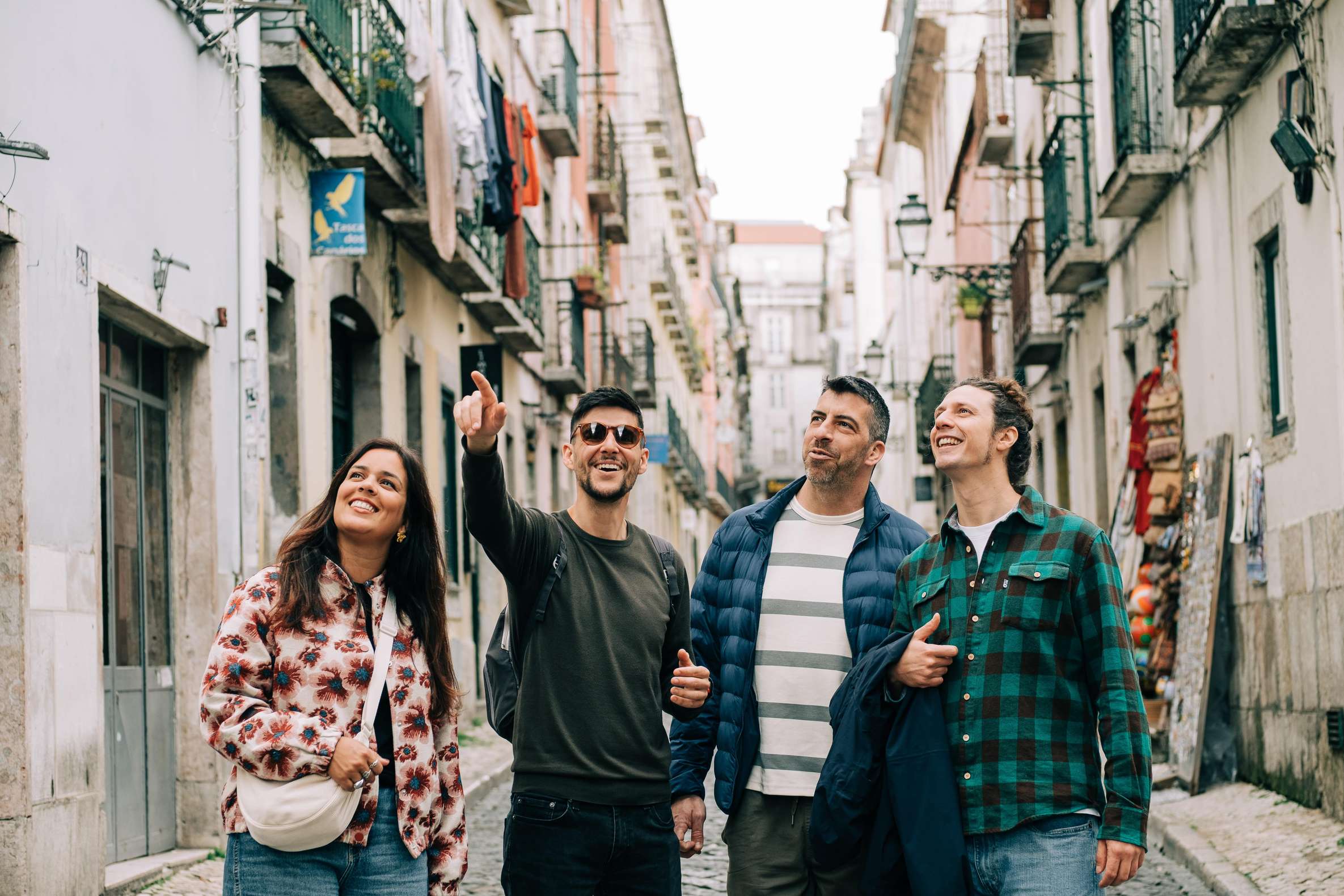
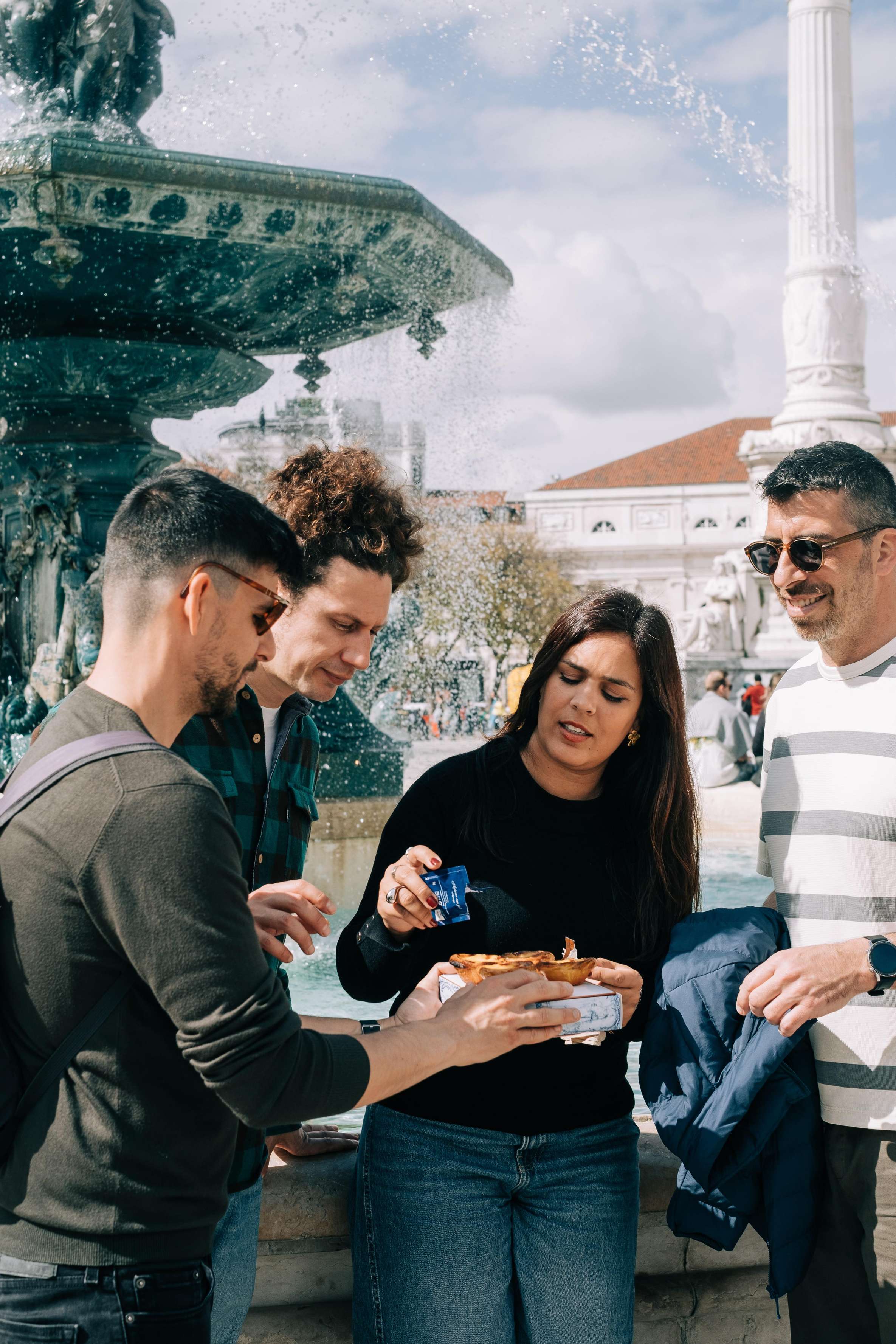
The private food walk opens on Porto's tiled facades and street art, then moves between tasting stops where your guide picks the classics for you.
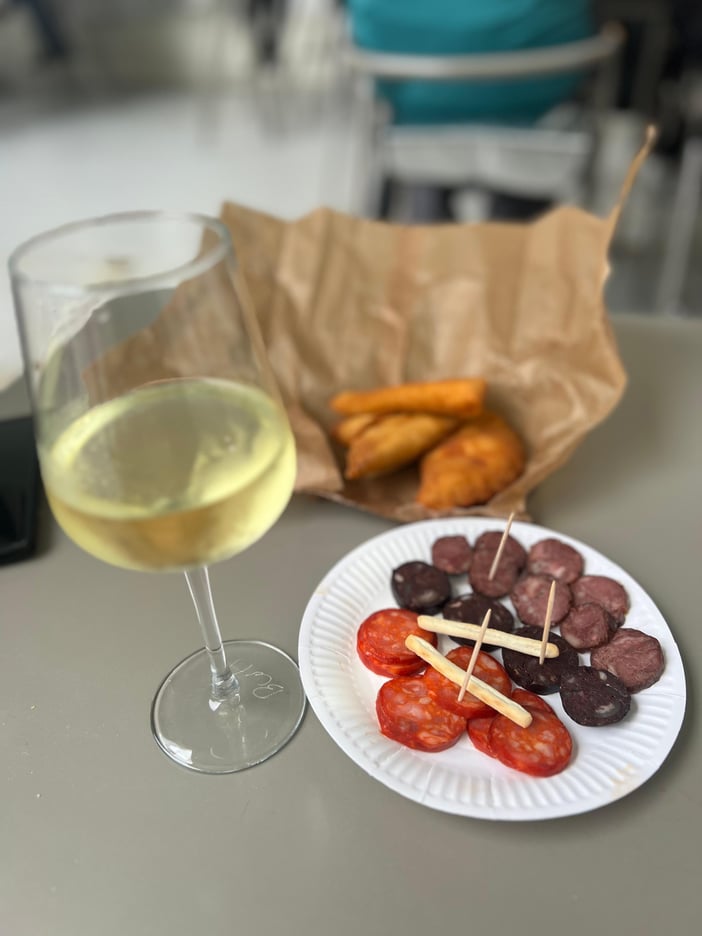
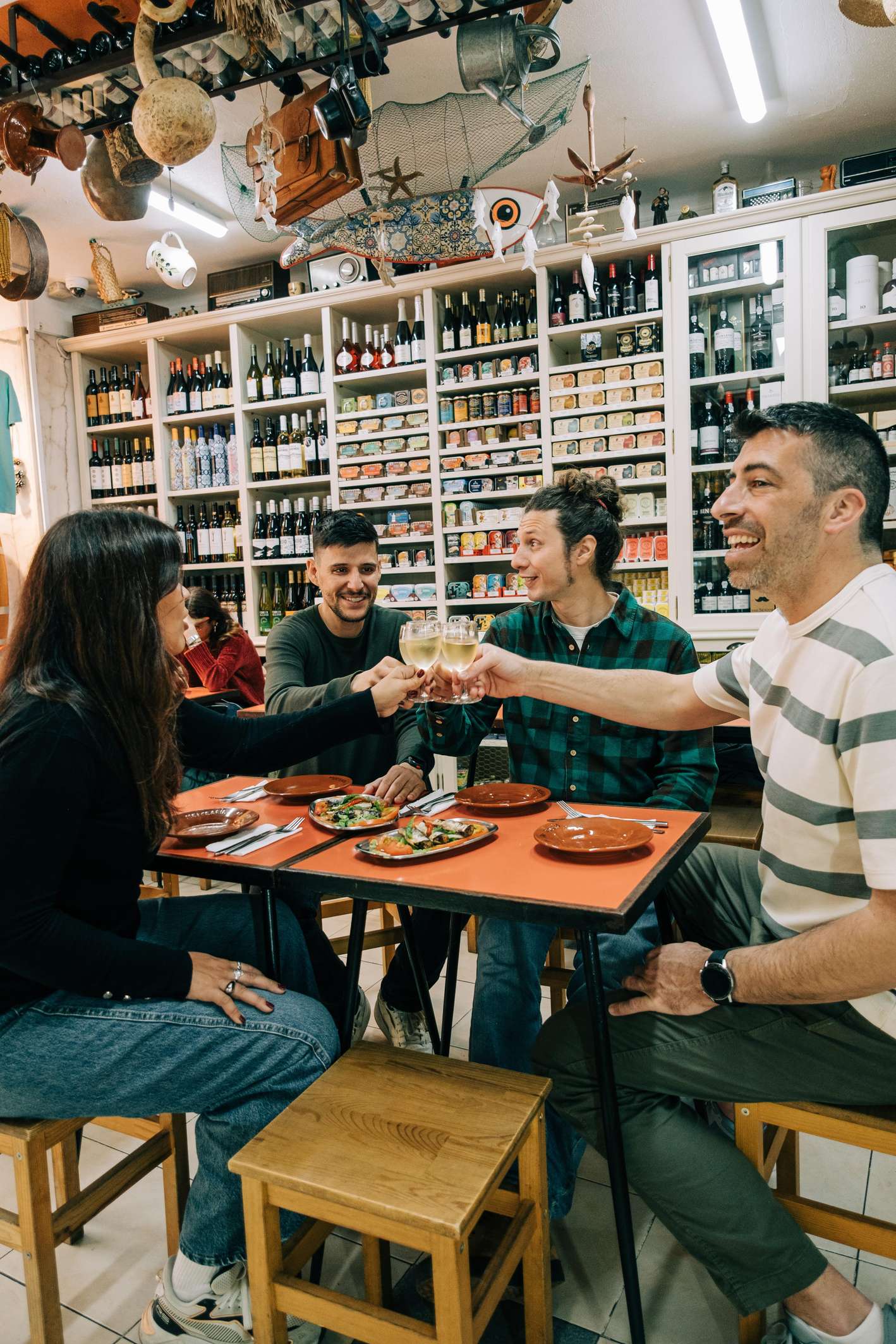
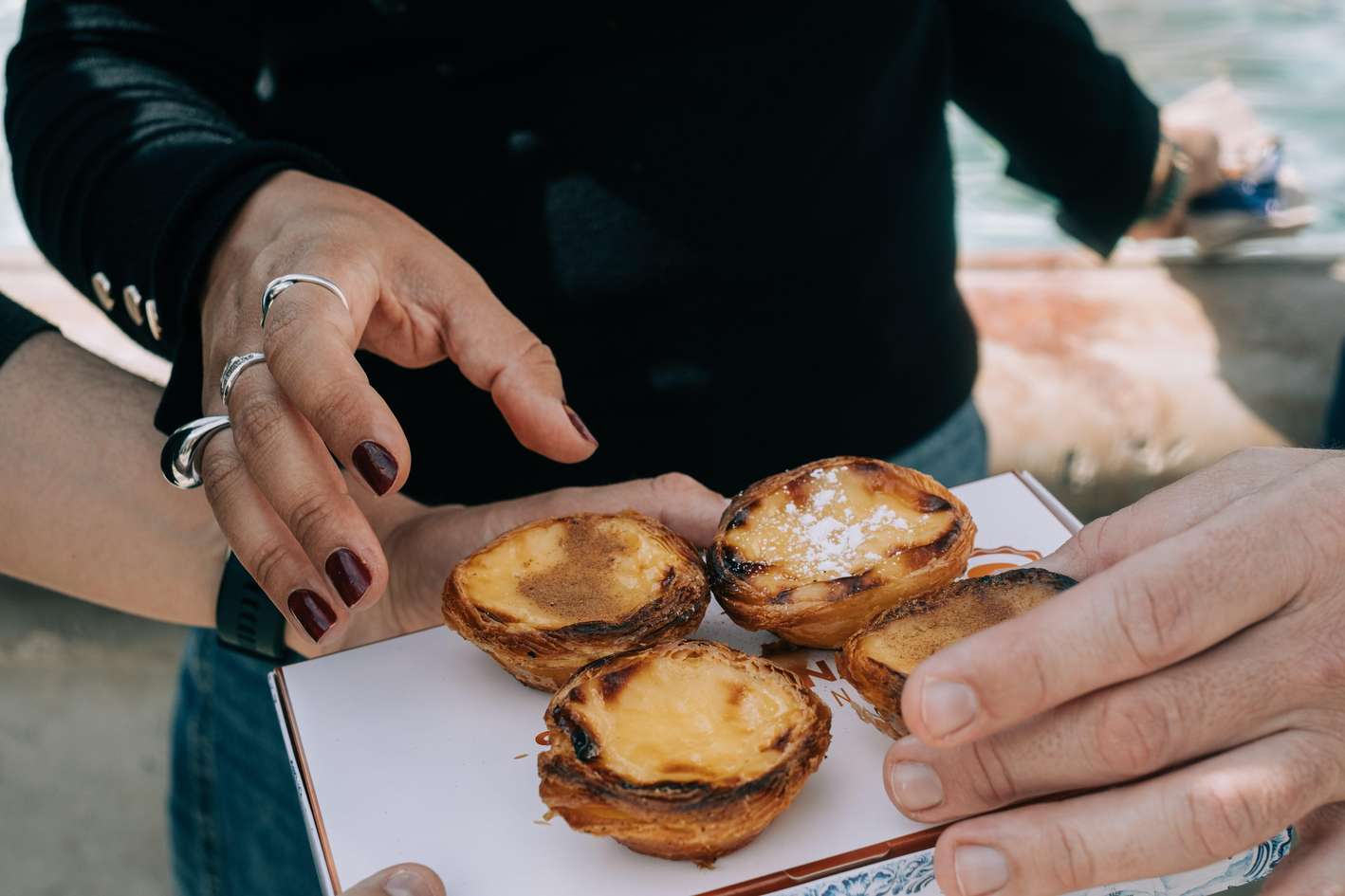
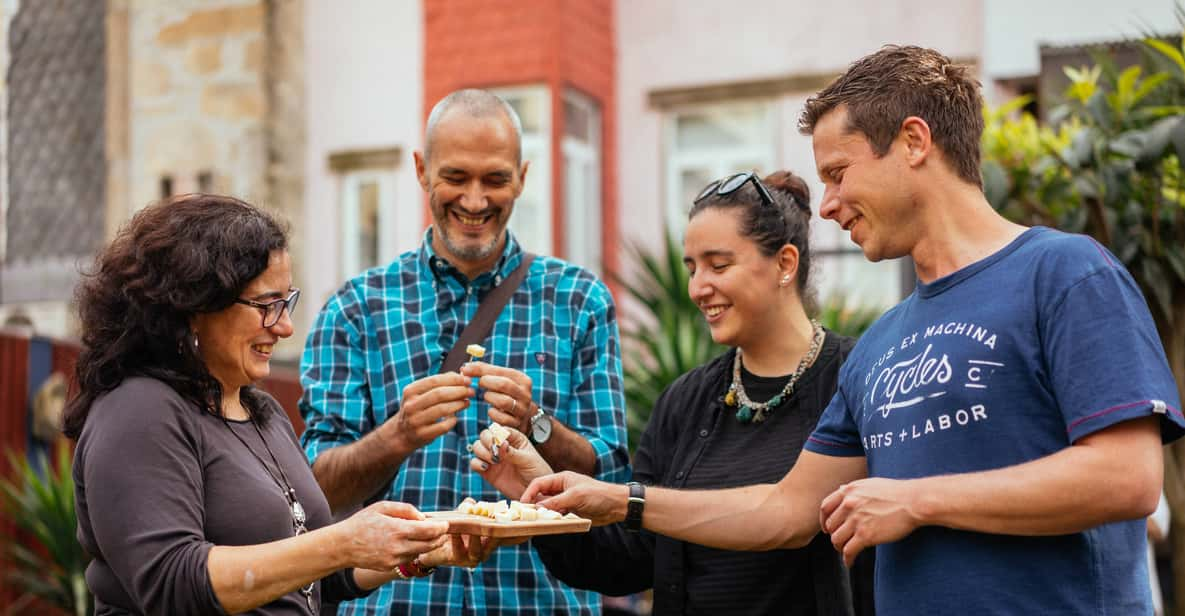
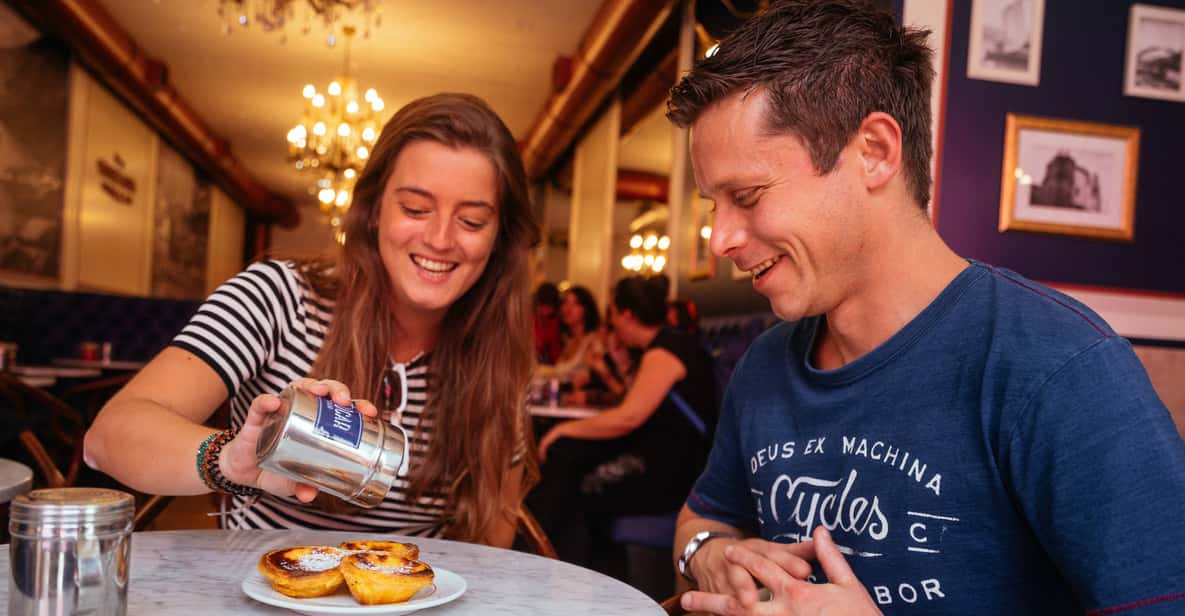
Ten tastings in three hours, savory first, then sweet: pastel de nata, port wine, and the local dishes Porto people eat at counters and small tables set back from the waterfront.
Between stops, the landmarks carry the story. The Chapel of Souls wears its blue-and-white tiles outside, and Galerias Palladium sits along the route. Your guide explains the history behind each place and each dish, and the tour is private, so the pace and the menu follow your own appetite.
Vegetarian? Tell your guide at the start and the whole menu adapts.
Stop 1First stop, first tasting· about 20 minThe guide hands you the first of ten tastings, a local classic, and explains what it is and where it comes from.Stop 2Chapel of Souls· about 15 minYou pause at the tile-covered chapel on Rua de Santa Catarina and hear the history behind it before the next stop.Stop 3Savory tastings· about 60 minBifana, petiscos and other local dishes follow, each hand-picked by your guide, eaten standing at counters as locals do.Stop 4Galerias Palladium and street art· about 25 minThe route passes Galerias Palladium and work by MrDheo, with the guide adding context between bites.Stop 5Port wine and pastel de nata· about 35 minThe sweet end of the tour: classic pastel de nata and port wine in their authentic local flavor.
Included
Local guide10 food and drink tastings (vegetarian alternative available)
Not included
Hotel pickup and drop-off
What travelers loved on a historical food tour in Porto - reviews
Choose a weekday around noon for the historical food tour. Tascas live at lunchtime, and the daily specials on the blackboard often sell out by mid-afternoon.
Pro tipSeveral authentic neighborhood spots never open for dinner, so a midday slot gets you the real thing
RecommendedBook the tour for your first day in Porto, when the guide's tips are still useful
2. Choose the tour format
Compare the private food tour with 10 tastings and the small-group full-meal walk. The private one runs about 3 hours, the full-meal walk about 3.5 hours, and the full-meal one includes drinks.
Common mistakeThinking a private tour means a custom route on this page; the route here is fixed, and the guide is private
Pro tipVegetarian travelers can ask the private guide at the start and the menu is adapted
3. Pay and expect the confirmation
Pay through the marketplace and the confirmation arrives by email with the meeting point and the operator's contact details. The email is your proof of booking.
ImportantYou can cancel up to 24 hours in advance for a full refund, so book the date you want and adjust later if needed
Pro tipSave the confirmation offline before the tour; mobile signal is patchy in the old streets
4. Check the meeting point
Both tours meet in central Porto, near spots like Aliados, Bolhão or the Capela das Almas, and there is no hotel pickup. The exact address is on your voucher.
Pro tipAliados is on Line D, Bolhão on Lines A, B, C, E and F, so a metro ride from Trindade covers most central hotels
RecommendedWear comfortable shoes for the cobblestone hills
5. Arrive on the day
Get to the meeting square a few minutes early and join the guide there. Both tours run rain or shine, and the tastings stop indoors.
ImportantLate arrivals cannot join a walking tour once it has started and lose their booking, so plan the metro ride with slack
Common mistakeEating a big breakfast first; the tastings are generous enough to replace a full meal
What to know before booking a historical food walk in Porto
some tascas take cash only
Can stop the dayGood to knowGood news
01
ChoosingWhat it is, who it suits, when to go
3
Tascas
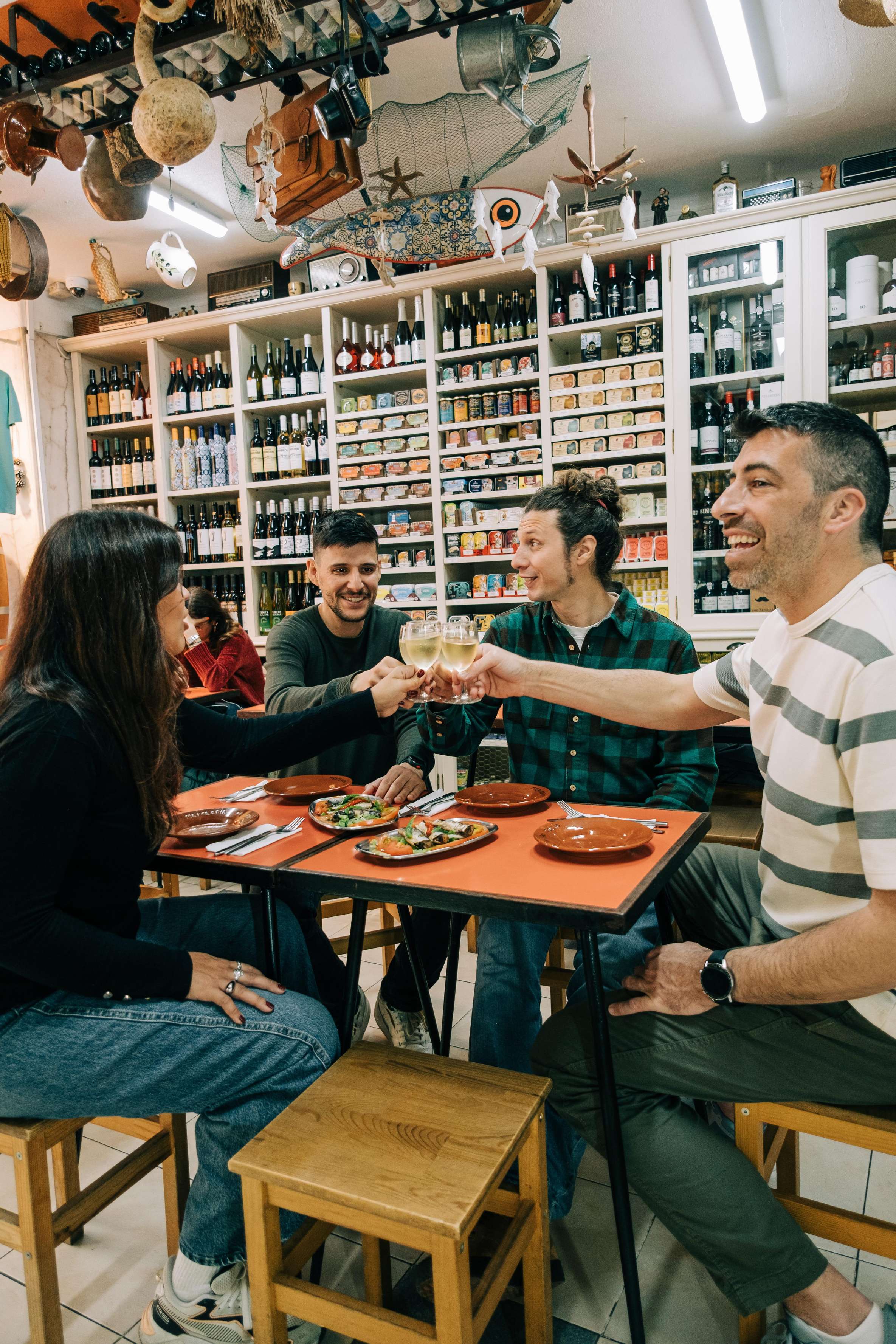
Neighborhood tascas are small, often 6 to 20 tables, with paper tablecloths and chalkboard menus in Portuguese. Some tastings happen standing at a counter, and some spots prefer cash. Locals are the regulars, which is exactly the atmosphere you came for.
Drinks
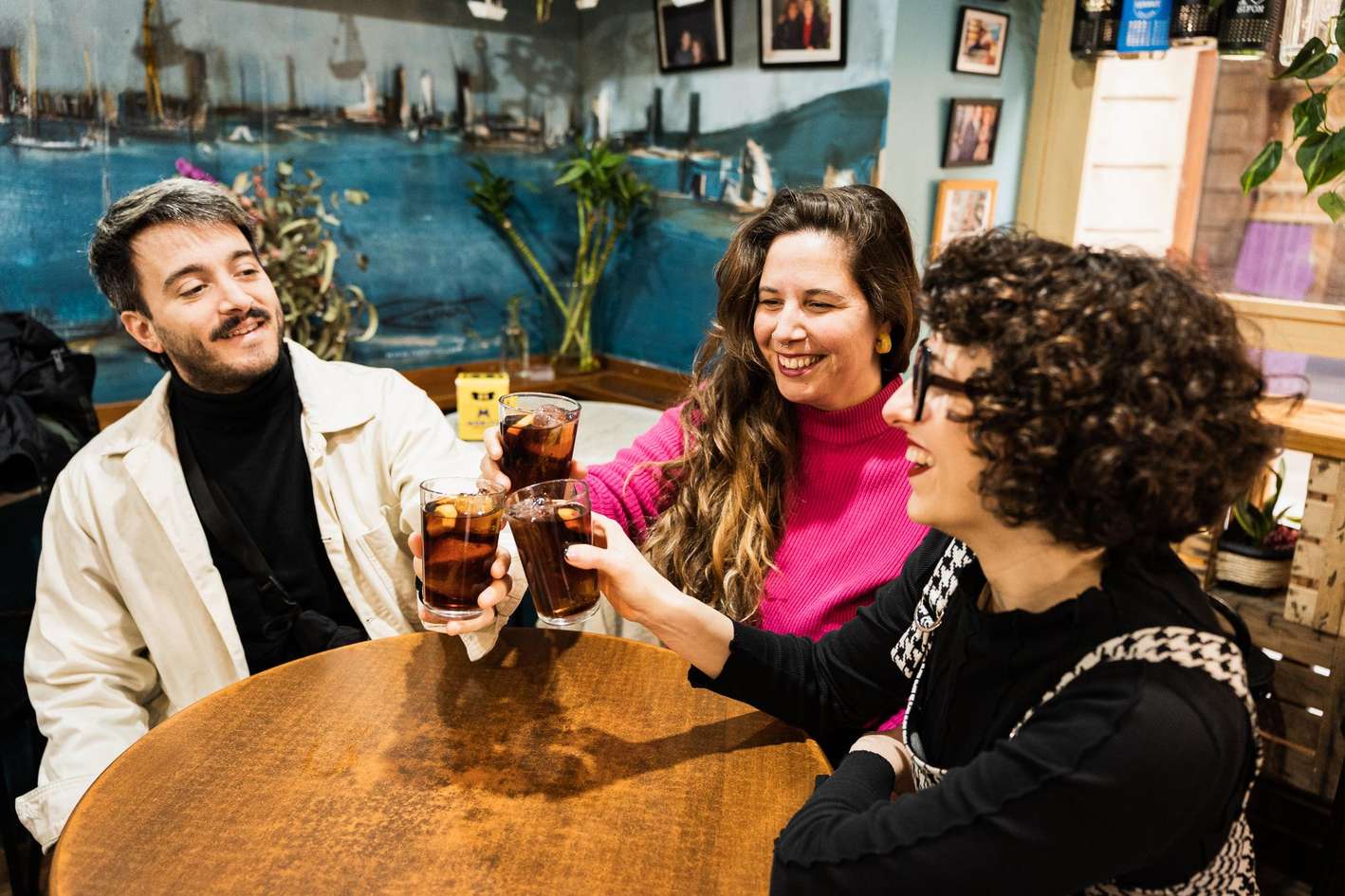
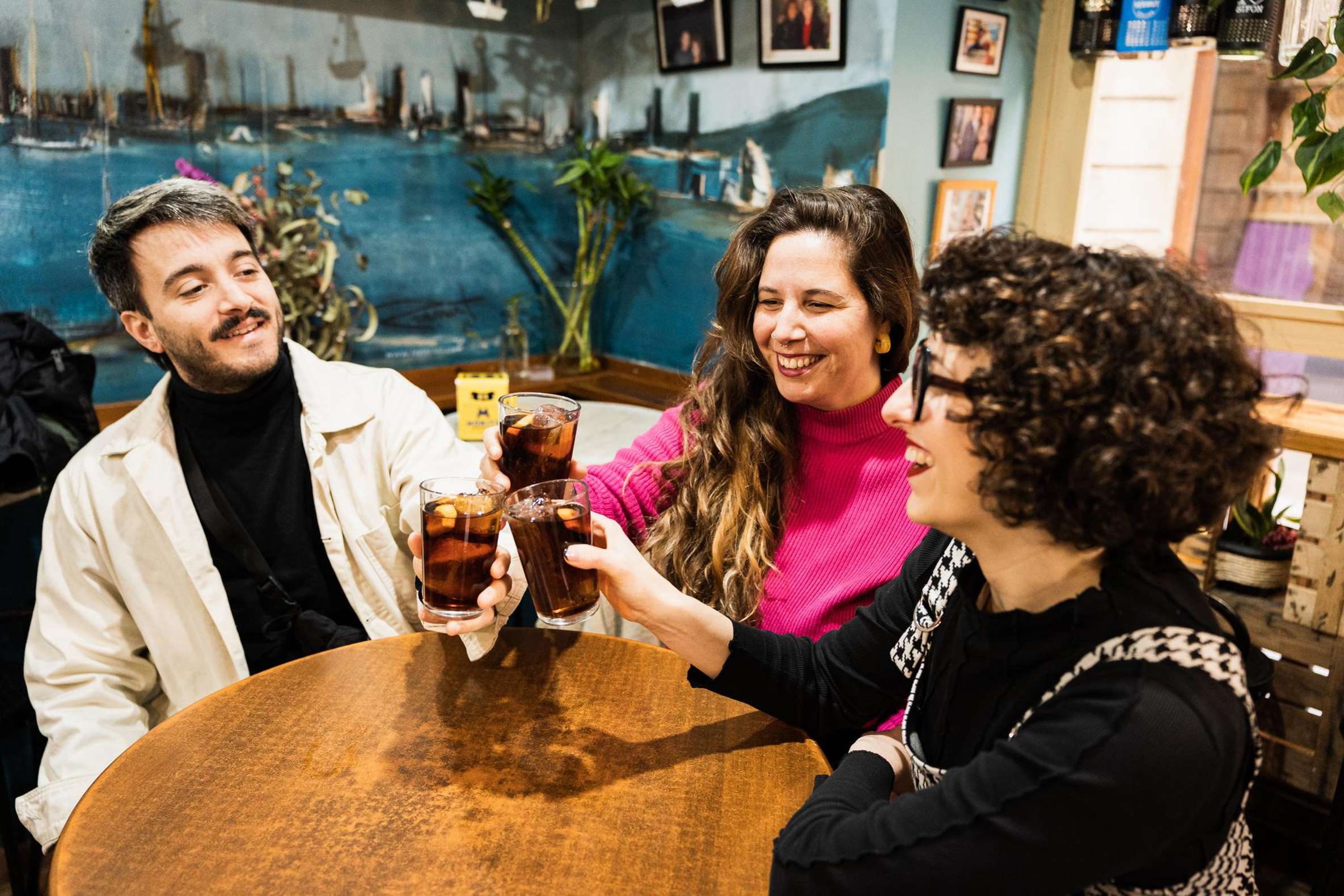
Some Porto food tours include local wine, Port wine or other alcoholic drinks with the tastings. The full-meal tour includes water and local drinks, usually wine, Porto and/or beer. The private tour's ten tastings come with drinks as well.
Group size
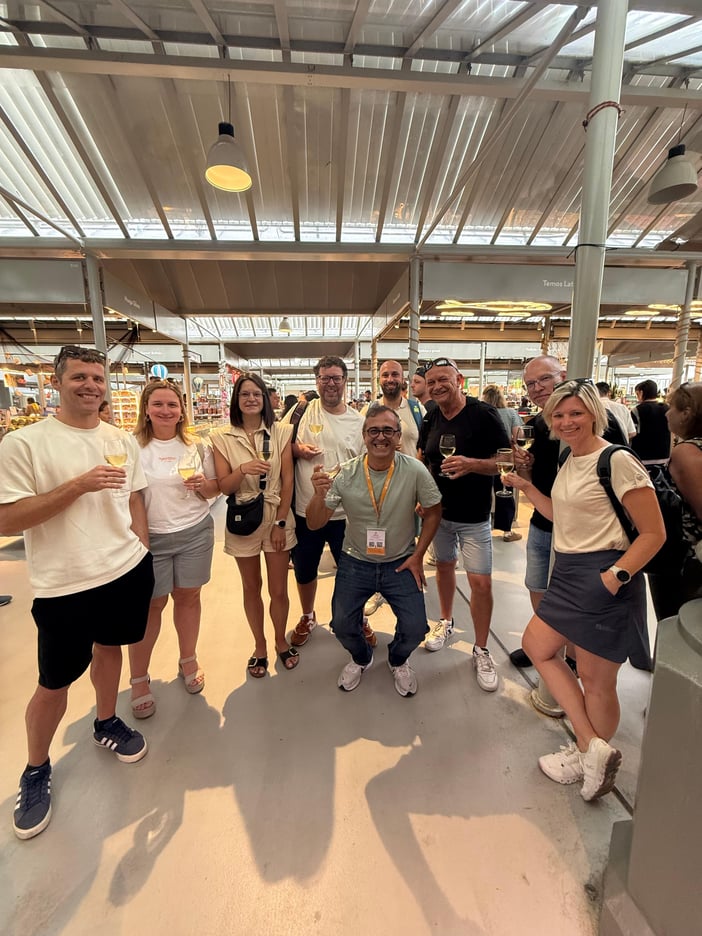
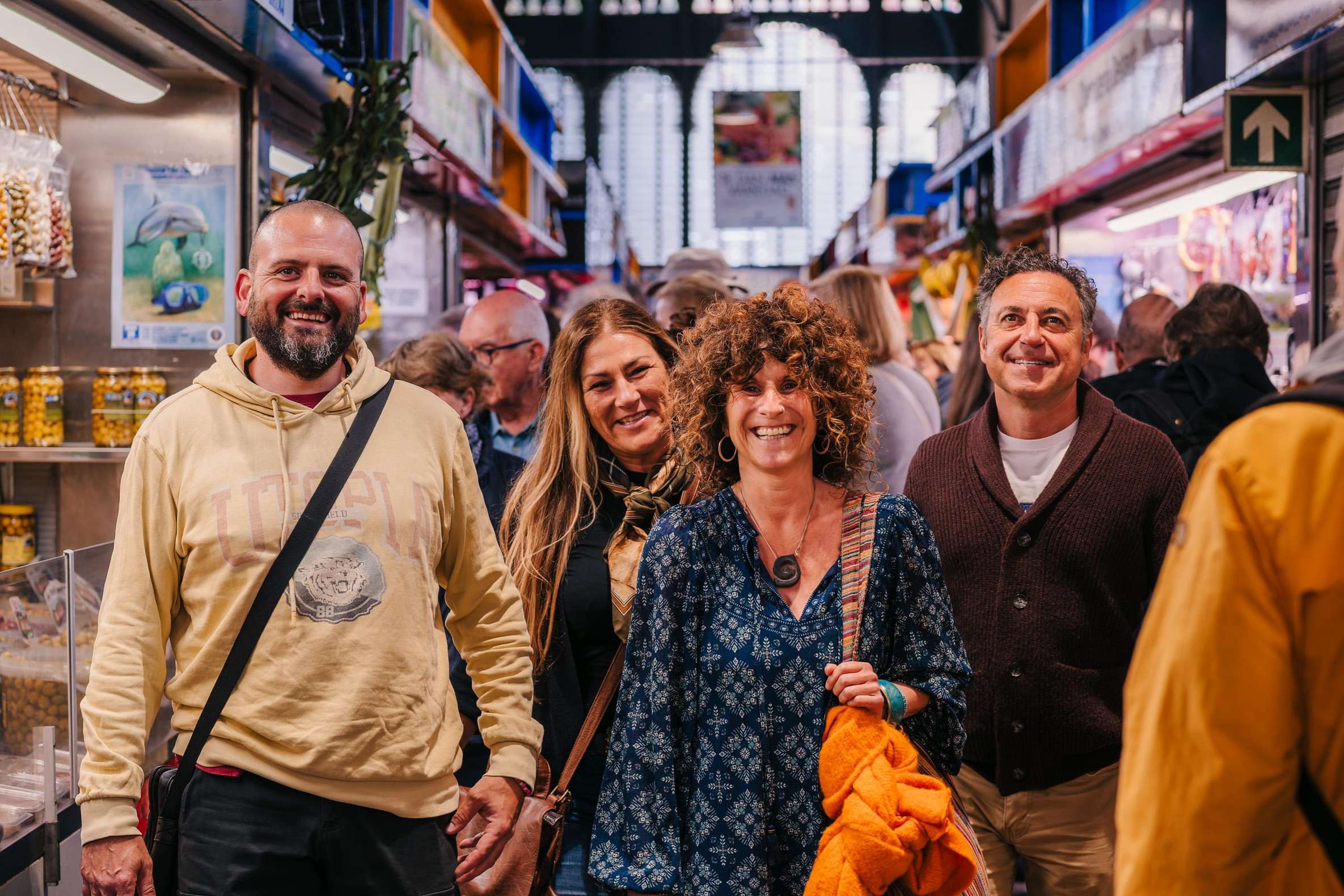
Standard group walking tours host ten to fifteen participants, while the private tour runs with just your own party. Most tastings happen standing at counters, and some stops have no tables or seats at all.
02
BookingHow far ahead, and what happens if plans change
3
Best time
An afternoon lunch tour catches the best tasca atmosphere. Daily specials sell out by mid-afternoon, and several authentic neighborhood spots do not open for dinner at all.
AllergiesCan stop the day
Tascas have small kitchens, so a strict coeliac diet cannot be assumed safe there. Mention any dietary needs at the start; the private tour adapts its menu with vegetarian alternatives when told in advance.
Cancellation
Both tours allow free cancellation up to 24 hours in advance for a full refund.
03
Before you goPapers, health, what to bring
2
Shoes and rain
Routes cover about 2 to 3 kilometers across cobblestone hills, with stretches of 10 to 15 minutes of continuous uphill and downhill. Wear broken-in sneakers with rubber tread. In rain, a hooded waterproof jacket beats an umbrella, because coastal winds invert umbrellas in the narrow alleys.
Weather
The tours run rain or shine, and the tasting stops are indoors. Winter rain makes the medieval cobbles slippery, so allow extra time for the hills on wet days.
04
On the dayWhere to be, when, and how you get there
1
Food amount
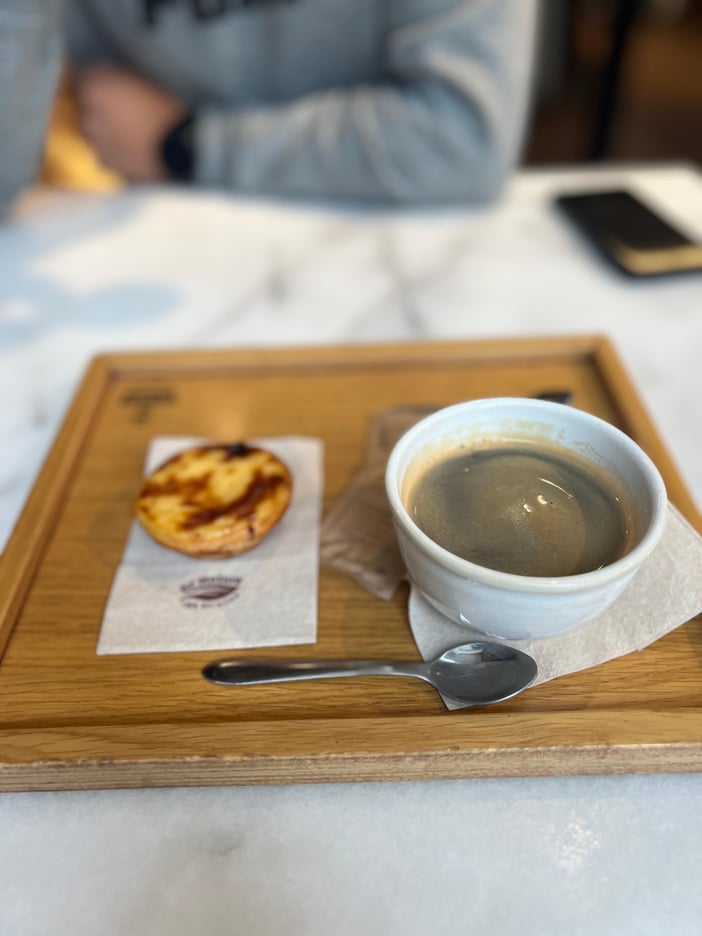
The tastings across the stops add up to a full meal, so arrive with an empty stomach. If you eat beforehand, keep it to coffee and a small pastry. The full-meal tour replaces lunch or dinner outright.
05
During the tourWhat is expected of you
2
Tipping
Tipping is not compulsory in Portugal. Rounding up the bill or leaving small change is appreciated in tascas, and five to ten euros per person for a guide is standard on a half-day culinary tour.
Tipping
Tipping is not mandatory in Portugal. For a half-day tour, five to ten euros per person for the guide is standard, and in the tascas rounding up the bill is enough.
A historical food tour in Porto - worth it, and how the day goes
many tascas take cash only
A guided historical food tour in Porto buys you more than a table at a tasca: the stories, the chalkboard specials and the right streets. The question is whether you want to be walked through it or find your own way in.
Porto· 41.15° N, 8.61° W
If you only remember three things
1
Book a weekday lunch slot; the tascas live at midday and several shut for dinner.
2
Arrive hungry: 3 to 3.5 hours of tastings replace a full meal.
3
Cancel more than 24 hours ahead for a full refund; latecomers cannot join.
Is a guided historical food tour in Porto worth it?
The door of a tasca in Bonfim has no sign of the modern kind, just a paper tablecloth and a television playing loud. A guide walks you in, and the daily specials on the chalkboard turn into a story about the person who wrote them.
That is what the ticket buys. A guided historical food tour can be worthwhile for first-time visitors who want context and a hand choosing places, and the value goes beyond the food: the curation, the explanations, and recommendations for restaurants and bars for the rest of your stay.
Independent wandering costs less, and travelers who like planning their own route do fine with a market visit, a pastry stop and a chosen lunch. The first-timer gets the most out of paying for a guide.
A traveler's note
Andre was lovely and shared loads of info, always checking we were enjoying it and happy to adjust. Loved the mix of restaurants and food stalls, and the varied food options.
One traveler said they returned to a restaurant from the tour for dinner on their own afterwards, which is how the value shows: the food is good once, the recommendations are good for the rest of the week.
Tour for this
Eat Porto Like a Local: The Ultimate Full-Meal Food Tour4.9★ (184) · 3.5 hours · Free cancellation
Three to three and a half hours covers the whole story. The route runs roughly 2 to 3 kilometers (around 1.9 miles) across Bolhão, Baixa and Ribeira, with cobblestones and hills, and about 4 to 8 tasting stops broken up by the walking.
How the day unfolds
1
Meet in the center
The guide gathers the group near a landmark
Meeting points include Capela das Almas, the Mercado do Bolhão entrance and Aliados Avenue
2
Market and counter stops
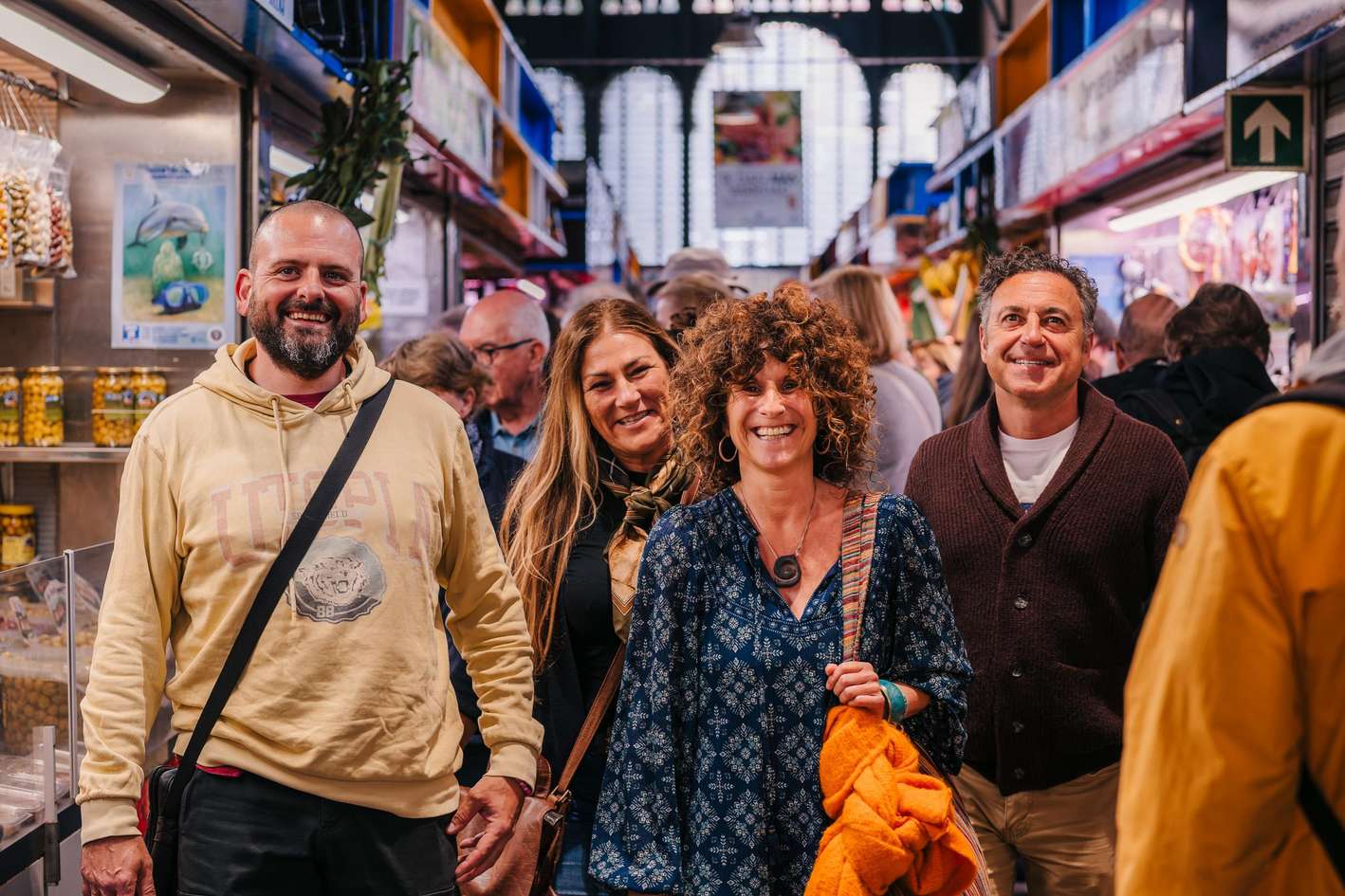
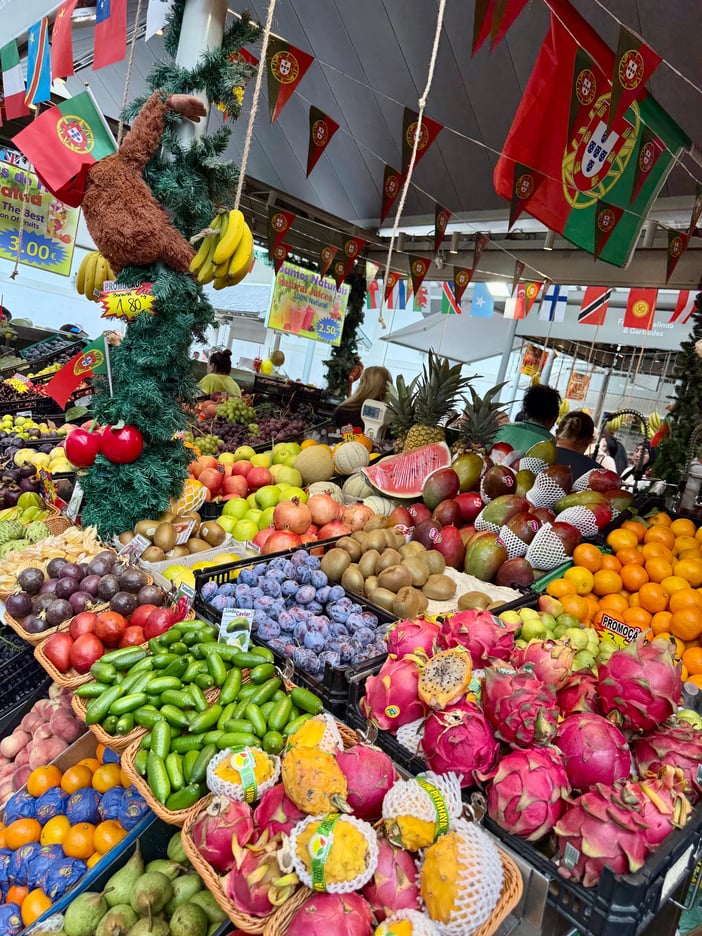
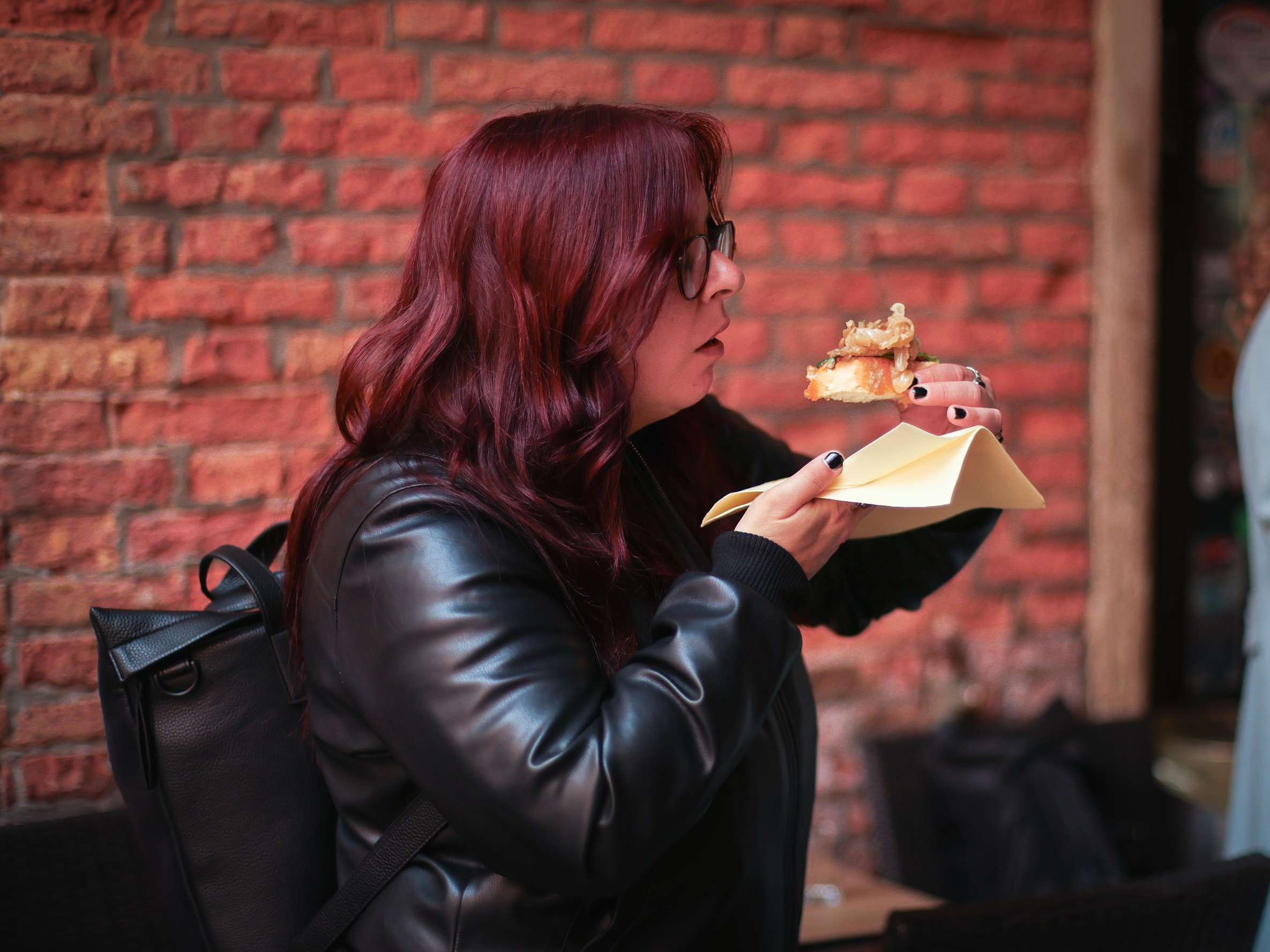
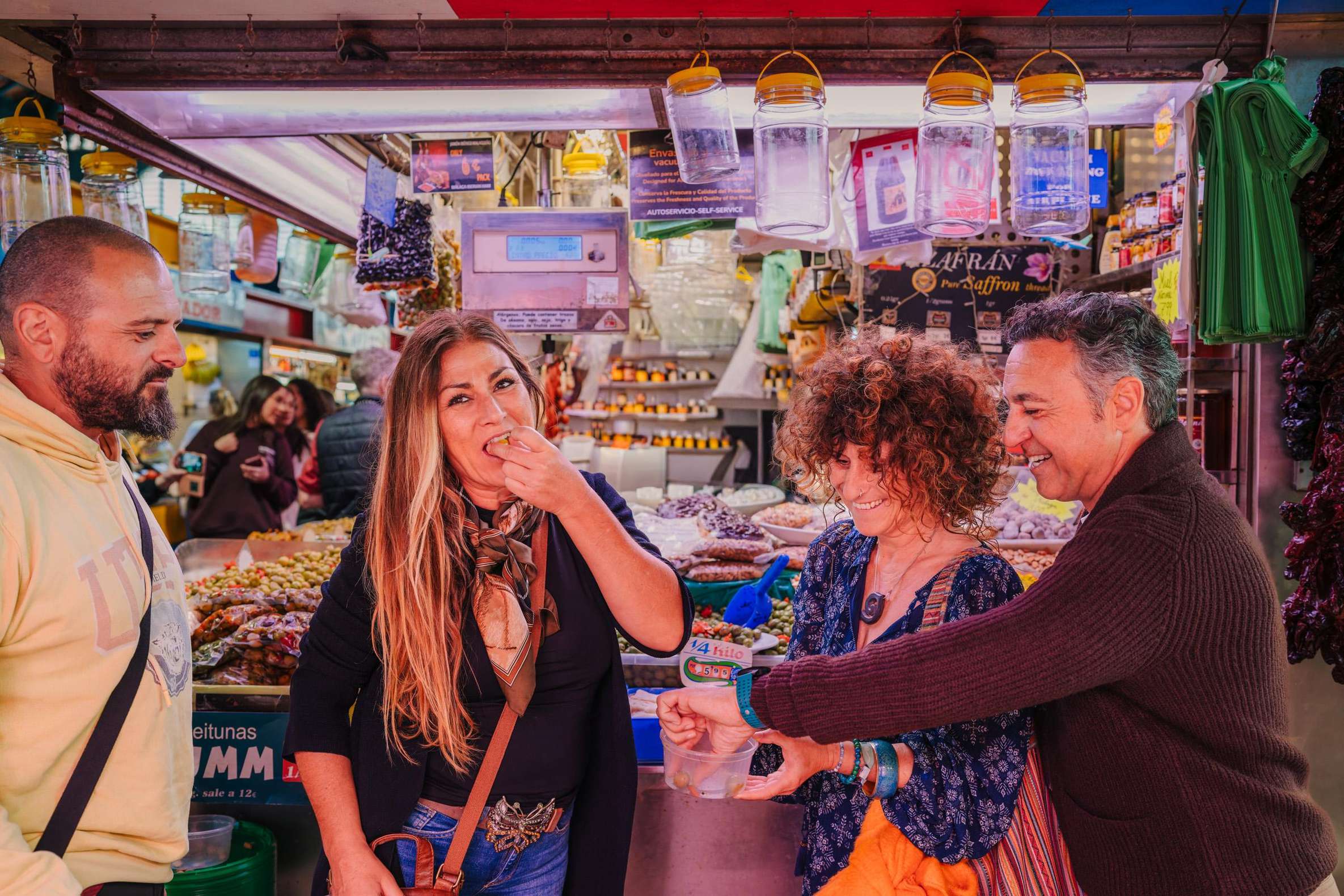
Tastings at Bolhão's stalls and tascas, some standing at a busy counter
One bakery has no tables or seats, so people eat at the counter
3
The Tripeiros story
Between stops the guide tells how Porto gave its meat to the fleet sailing to Ceuta in 1415 and kept the offal
The stew and nickname are the city's signature
4
The tiled landmarks
São Bento's 20,000+ azulejo tiles, then the Luís I bridge
Port wine trade routes at the river
5
Closing Port
The walk ends with a glass of Port wine
Fortified wine from the Douro, 19 to 22% alcohol
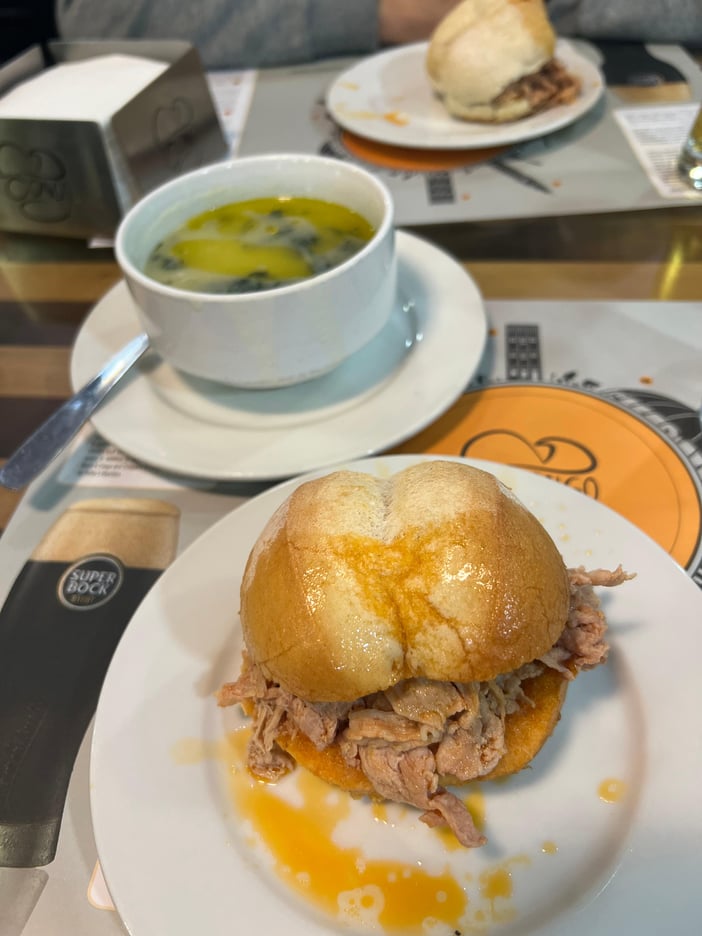
The bifana is a Porto story of its own: the pork is sliced thin and simmered in a seasoned sauce for much longer than the Lisbon version, with a darker, spicier paprika sauce.
Turn to the itinerary first. The tascas live at weekday lunchtime, when working locals come for the prato do dia and the specials sell out by mid-afternoon. Several neighborhood spots never open for dinner at all. A lunch slot beats dinner for the old tascas.
The day of the week decides the route. Bolhão's market stalls shut on Sundays and public holidays, and some tascas close Mondays.
Market and tasca opening patterns
Wed: the busiest. Bolhão is open; check individual tasca hours.
Bar height: how busy each day is, from very quiet to the busiestThe busiest: Wed
Tap a day to read it.
The practical reading: a Wednesday or Friday lunch slot is the safest bet, and a Sunday market route needs a different plan.
August and September are the busiest months, January and February the quietest. The quiet months are the wetter ones.
How busy it gets, month by month
August: 5 out of 5 for how busy it gets.
HighestMay, Jul to Oct
In betweenApr, Jun
LowestNov to Mar
Darker: a higher how busy it gets score, out of 5
Tap a month to read it.
What that means for your choice: book August and September lunch slots early, and expect a quiet January walk with rain on roughly a third of the days from December through February. Winter highs sit around 14-15°C, and the tours run rain or shine with the tastings indoors.
Full-meal walk or private tasting crawl on a historical food tour
Pick between the two formats on this page. The full-meal walk is a small group, 3.5 hours, 4+ stops with drinks included; the private crawl is 3 hours, 10 tastings, your group only. The difference is pace and food volume.
Full-meal small-group walk
Private 10-tastings tour
Length
3.5 hours
3 hours
Group
Small group, intimate setting
Your group only
Food volume
A full meal across 4+ stops, drinks included
10 tastings, savory and sweet
Pace
Standing at counters, some sitting
Hand-picked hotspots, city highlights between stops
Who it suits
Travelers who want a complete meal and a relaxed pace
Travelers who want privacy and a custom route
Full-meal small-group walk
Length
3.5 hours
Group
Small group, intimate setting
Food volume
A full meal across 4+ stops, drinks included
Pace
Standing at counters, some sitting
Who it suits
Travelers who want a complete meal and a relaxed pace
Private 10-tastings tour
Length
3 hours
Group
Your group only
Food volume
10 tastings, savory and sweet
Pace
Hand-picked hotspots, city highlights between stops
Who it suits
Travelers who want privacy and a custom route
The numbers sit together: heritage walks run 3 to 3.5 hours with 4 to 8 stops, and the full-meal walk takes 3.5 hours with 4+ stops, at the longer end, because its stops are fuller and the food is heavier.
The full-meal walk is a proper meal; the private crawl is a tasting crawl. The one thing to know: a tour sold as a full meal is still a string of tastings, mostly standing at counters, so travelers expecting a single sit-down meal are sometimes disappointed. Those satisfied describe a well-paced series.
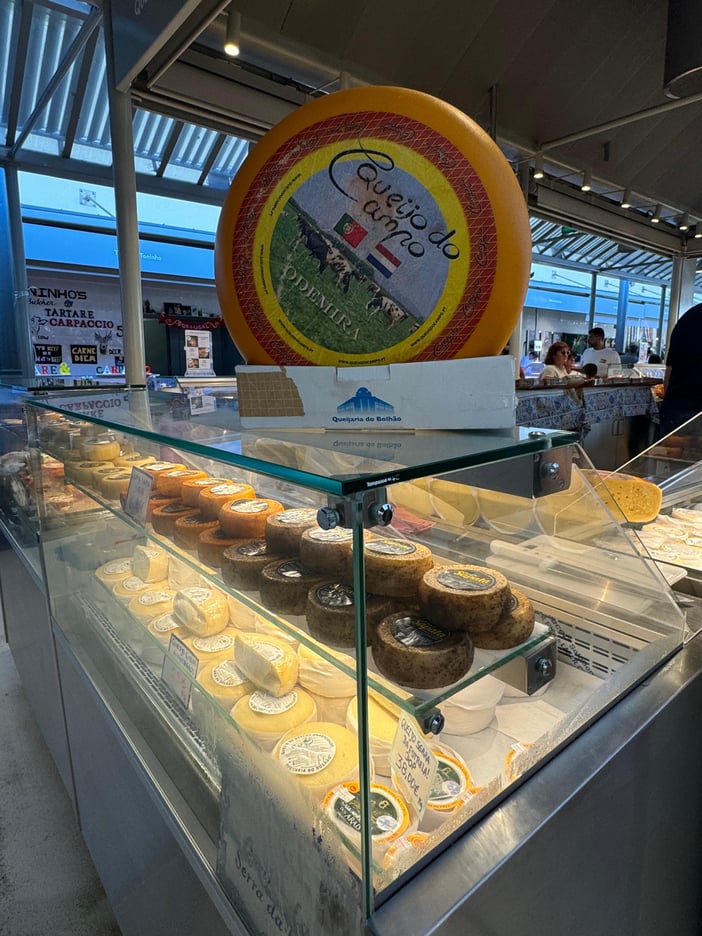
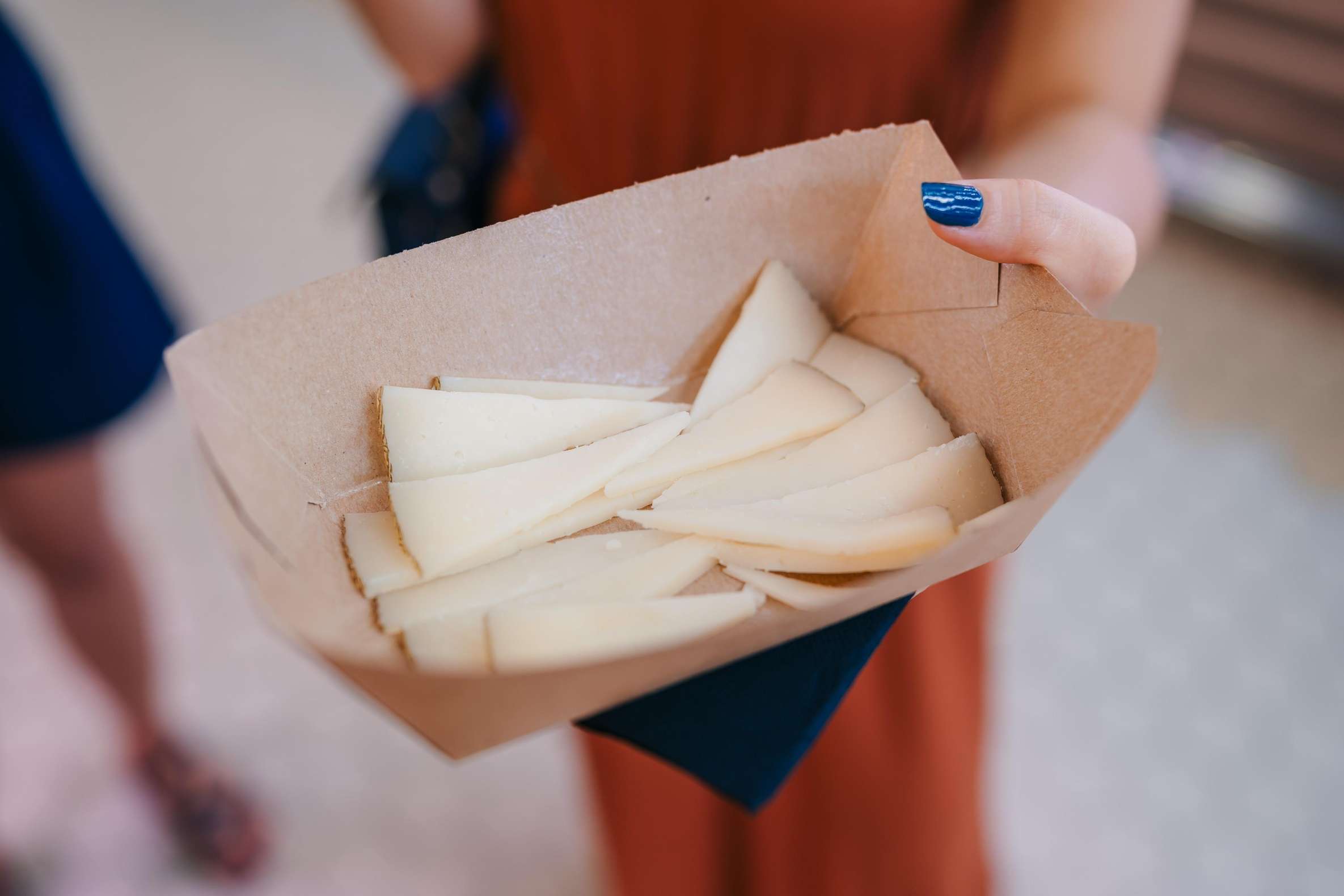
The full-meal option is Eat Porto Like a Local: The Ultimate Full-Meal Food Tour, 3.5 hours, 4+ stops, drinks included, pastel de nata, bifana, petiscos, cheeses and Port wine in a small group.
If you want a private route and a custom pace, the private 10-tastings tour covers it. If you have only two nights in Porto, a food-and-wine walking tour is one way travelers fit local food into a short visit.
Tour for this
Eat Porto Like a Local: The Ultimate Full-Meal Food Tour4.9★ (184) · 3.5 hours · Free cancellation
Vegetarian, vegan and gluten-free on a historical food tour
Old tascas are honest about limits. Restaurants are not required to provide a gluten-free meal and cross-contact control may be harder in small kitchens, so a strict coeliac diet should ask the kitchen directly.
Vegetarian dining in traditional restaurants usually means assembling a meal from simple dishes and sides, and plant-based alternatives to bifana or prego sandwiches are typically absent at traditional snack bars.
The private option changes that. The Porto: Private Food Tour, 10 Tastings with Locals adapts its menu with vegetarian alternatives if you tell your local guide at the start, and the tour's own notes say the menu is rewritten for you.
Port wine is not vegan by default, since traditional fining agents are animal-derived; many bottle-aged and vintage Ports are bottled unfiltered and unfined, which makes them vegan-friendly. A dedicated vegan pastel de nata class in Porto uses all vegan ingredients, so the egg tart is covered too.
Where to meet and how to get to a historical food tour
The meeting point is usually a landmark.
One tour starts in front of Capela das Almas on Rua de Santa Catarina; another starts at the entrance of Jeronymo Trindade; some guided food walks meet at Aliados Avenue, including by the Prosperity Statue in front of Guarany Cafe; others meet at the main entrance of Mercado do Bolhão.
The meeting point is always a landmark in central Porto.
Metro lines to Aliados and Bolhão are the fastest way in. Aliados is served directly by Line D (Yellow Line) at Aliados station; Bolhão is served by Lines A, B, C, E and F on the central trunk at Bolhão station.
Meeting spots near Clérigos sit within a short walk of São Bento station on Line D or the Aliados stop, and the STCP bus network operates major city-center hubs at Av. Aliados, Bolhão and Cordoaria.
From the airport, Line E reaches Trindade or Bolhão in about 25 minutes; from Campanhã station, the ride to Bolhão takes 5 minutes.
What to wear on a historical food tour of Porto's cobblestones
Granite decides what goes on your feet. Walking food tastings in Porto navigate steep slopes involving 10 to 15 minutes of continuous uphill and downhill walking across uneven granite cobblestones and worn stone staircases. Rubber tread is essential for traction on slick stone, and smooth leather soles, thin sandals and heels slip easily when wet.
For rain, a hooded waterproof jacket is far more practical than an umbrella, as gusty coastal winds off the Douro frequently invert umbrellas along narrow alleyways.
The kit fits in one pocket: rubber-soled shoes, a hooded shell, and cushioned insoles for the stone.
Essential footwear and rain gear for Porto walking tours
Rubber-soled sneakers with treadSteep granite cobbles and worn stone steps turn slick when damp, requiring strong rubber traction over smooth soles.
Broken-in walking shoesTasting tours involve 10 to 15 minutes of continuous uphill and downhill walking where unyielding shoes cause blisters.
Hooded waterproof rain jacketGusty Atlantic winds off the Douro make umbrellas hard to manage; a hooded shell keeps you dry in narrow alleys.
Water-resistant ankle bootsSupport your ankles over uneven granite pavements and keep your feet dry through sudden Atlantic showers.
Cushioned arch-support insolesThick soles or cushioned footbeds protect feet from pounding against unforgiving stone pavers across multi-hour tours.
Windproof compact umbrellaHandy for brief drizzles between indoor tasting stops, though a hooded shell remains best in gusty coastal winds.
Arrive with an empty stomach. Generous tastings across the stops will leave you completely full. If you eat beforehand, coffee and a small pastry will do, and pace yourself through the tastings.
Can kids, wheelchairs and non-drinkers join a historical food tour?
Porto's historic center is a hard place for wheels. Many streets in the UNESCO district resemble staircases alongside narrow cobbled paths, and the routes include cobblestones. A wheelchair user needs a different plan: one tour is not suitable for wheelchair users or people with mobility impairments.
Children and non-drinkers are fine. Portuguese law allows children to enter food and drink establishments, and alcohol may not be made available to minors; there is no requirement to drink alcohol to enter a tavern or wine bar. Some tastings are eaten standing at a busy counter, so a child needs to cope with crowds.
The full-meal tour has a discounted price for children under 10, and the tour notes say to tell them about allergies.
How to order, pay and tip like a local on a historical food tour
Step up to a tasca counter and the couvert is already on the table. Bread, butter and olives placed without ordering will be added to the bill unless you decline or leave them untouched. In small tascas without printed menus, it is normal to look at what other tables are eating and point to order.
The chalkboard carries the daily specials; a laminated photo menu usually means tourist pricing. The laurel branch over the door was a sign that wine was for sale.
Many tascas prefer or solely accept cash, and customers usually pay after finishing. For a tip in a tasca where locals eat, rounding up the bill is the whole custom.
Myth vs reality
MythA waterfront place with photo menus is authentic
Reality
Photo menus usually signal tourist-oriented pricing and simplified kitchen preparation
MythTraditional means fancy
Reality
Genuine tascas run on paper tablecloths and 6 to 20 tables, serving tripas à moda do Porto without formal courses
MythTips are compulsory
Reality
Tipping is optional; rounding up the bill is appreciated
For a traditional dish, try Tripas à moda do Porto and ask for it without the tripe if you want; the kitchen will oblige.
If it rains, or you're running late to a historical food tour
Porto's food tours run rain or shine. The tasting stops are indoors, so the tascas, restaurants, markets and eateries on the route stay dry. If it pours, the walk carries on, and the cobblestones get slicker, so a hooded jacket matters more than a dry forecast.
The booking terms are easy to read before you pay.
If this happens
What happens then
Rain arrives
The tour runs rain or shine; tasting stops are indoors
You cancel more than 24 hours ahead
Full refund
You cancel inside 24 hours
No refund at the stated window
You miss the start
Latecomers cannot join and lose the refund
Cancel more than 24 hours ahead for a full refund on both tours, and plan the meeting point before you set off, because the late rule is strict.
What to see and eat around a historical food tour meeting point
São Bento Station is the first stop. Inside the entrance hall, over 20,000 blue-and-white azulejo tiles line the walls depicting scenes from Portuguese history, and it's free to walk in.
Casa Louro for a ham sandwich and wine is a five-minute walk from São Bento station. Adega Viseu for traditional petiscos and Prova for wine by the glass are nearby.
For a simple local sandwich, Conga for a bifana is a good stop, and for a rustic, traditional dinner, go early because it closes at about 11 pm.
Check restaurant closing times before heading out late, and for dinner in the historic area, book small restaurants ahead. In the historic center, Tasquinha da Paula serves Bacalhau à Braga, and Ovos moles from Aveiro come in several shapes and forms.
A guided historical food tour in Porto is worth it for first-time visitors who want the stories, the chalkboard specials and the right streets.
The full-meal walk is a small group, 3.5 hours, 4+ stops, drinks included; the private 10-tastings tour is 3 hours, your group only, and a menu that can be adapted for vegetarians.
Book a weekday lunch slot, cancel more than 24 hours ahead for a full refund, and arrive hungry.
Go ifFirst-time visitors who want local context and a hand choosing placesTravelers who want the stories behind the chalkboard specials and the tiled landmarksTravelers with only two nights in Porto, who want a food-and-wine walk to fit local food in
Skip ifTravelers comfortable planning their own route and happy to walk in and orderWheelchair users or people with mobility impairmentsTravelers with strict coeliac diets, unless the kitchen can confirm gluten-free preparation
Quick answers on what a historical food tour in Porto covers, how much food you get, and how to prepare.
Porto2026
A chalkboard with the day's specials, a paper tablecloth, and a glass of Port: the Tripeiros story is waiting. Come hungry, wear good shoes.
What makes a historical food tour in Porto different from an ordinary restaurant tasting walk?
A good historical food tour stitches neighborhood history, architecture and cultural storytelling between the tastings. You meet family-owned shops and traditional markets, hear the stories behind each dish, and walk past landmarks like the Capela das Almas between stops.
How much walking does a historical food tour in Porto involve?
Heritage food walks usually cover Bolhão, Baixa and Ribeira, about 2 to 3 kilometers across cobblestone streets and hills. Expect 3 to 3.5 hours on foot, mostly standing at counters between stops.
Will the tastings replace a meal, or are they just snack samples?
The tastings across the stops are generous enough that you arrive completely full at the end, so most tours comfortably replace a lunch or dinner. Skip a big breakfast beforehand and keep it to coffee and a small pastry if you eat anything.
What is the story behind Porto's Tripeiros nickname?
The legend says Porto's people gave their quality meat to the fleet sailing to conquer Ceuta in 1415 and were left with the offal, which they turned into new dishes. One account traces the tradition even further back, to the Suebi who settled in the region.
Do I eat sitting down at tables, or standing at counters?
Some tastings happen standing up, and some visits include a busy bakery with no tables at all, where everyone eats at the counter. That counter eating is part of the local experience.
How do I spot a genuine vintage tasca versus a tourist spot?
Genuine tascas write their daily specials on a chalkboard in Portuguese, seat 6 to 20 tables, cover tables with paper, and serve local regulars. Menus heavy on photographs and riverside spots in the Ribeira usually point to tourist pricing.
Are drinks included with the tastings?
Some Porto food tours include local wine, Port wine or other alcoholic drinks with their tastings. The full-meal walking tour on this page includes water and usually wine, Porto and beer, so check the included list on each tour.
Can I join a historical food tour if I have a disability or use a wheelchair?
Porto's historic center has steep slopes, stairs and cobblestones, and some food tours are not suitable for people with mobility impairments or wheelchair users. A cooking class involves less walking, so check the accessibility notes for whichever tour you are considering.
What should I wear for a walking food tour through Porto's old streets?
Broken-in sneakers or walking shoes with rubber tread are essential, because smooth leather soles and heels slip easily on wet granite. Bring a hooded waterproof jacket, since coastal winds along the narrow alleys frequently invert umbrellas.
Is a guided historical food tour worth it compared to eating independently?
A guided tour works well for first-time visitors who want local context and help choosing places, while independent wandering can cost less for travelers who plan their own route. The value goes beyond the food into curation, explanation and recommendations for the rest of your stay.
Do food tours run in the rain?
Porto food tours run rain or shine, and the tasting stops, including tascas, restaurants, markets and eateries, are indoors. Winter cobbles get slippery when wet, so good tread on your shoes matters most.
Historical food and vintage taverns - what to read next