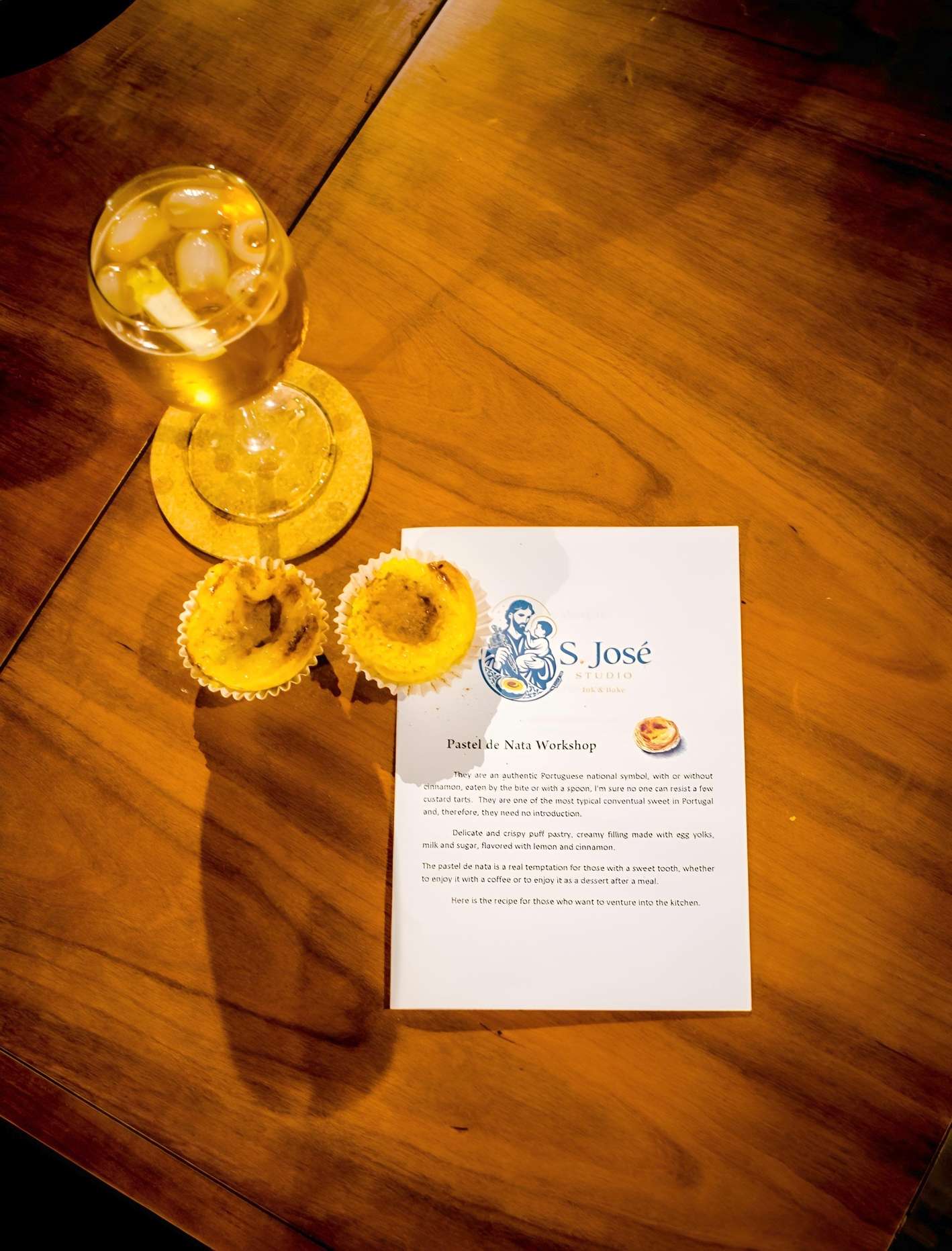
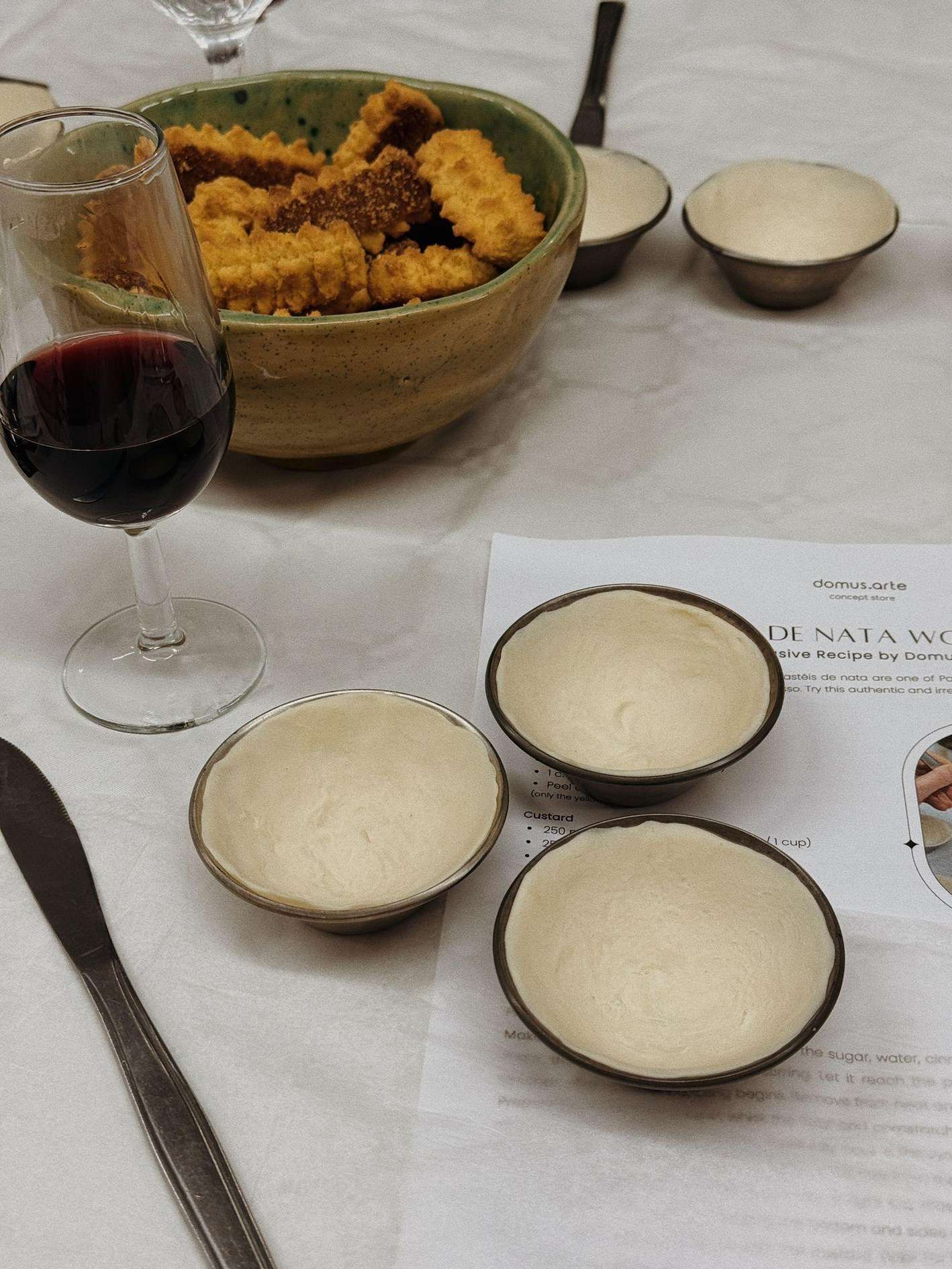
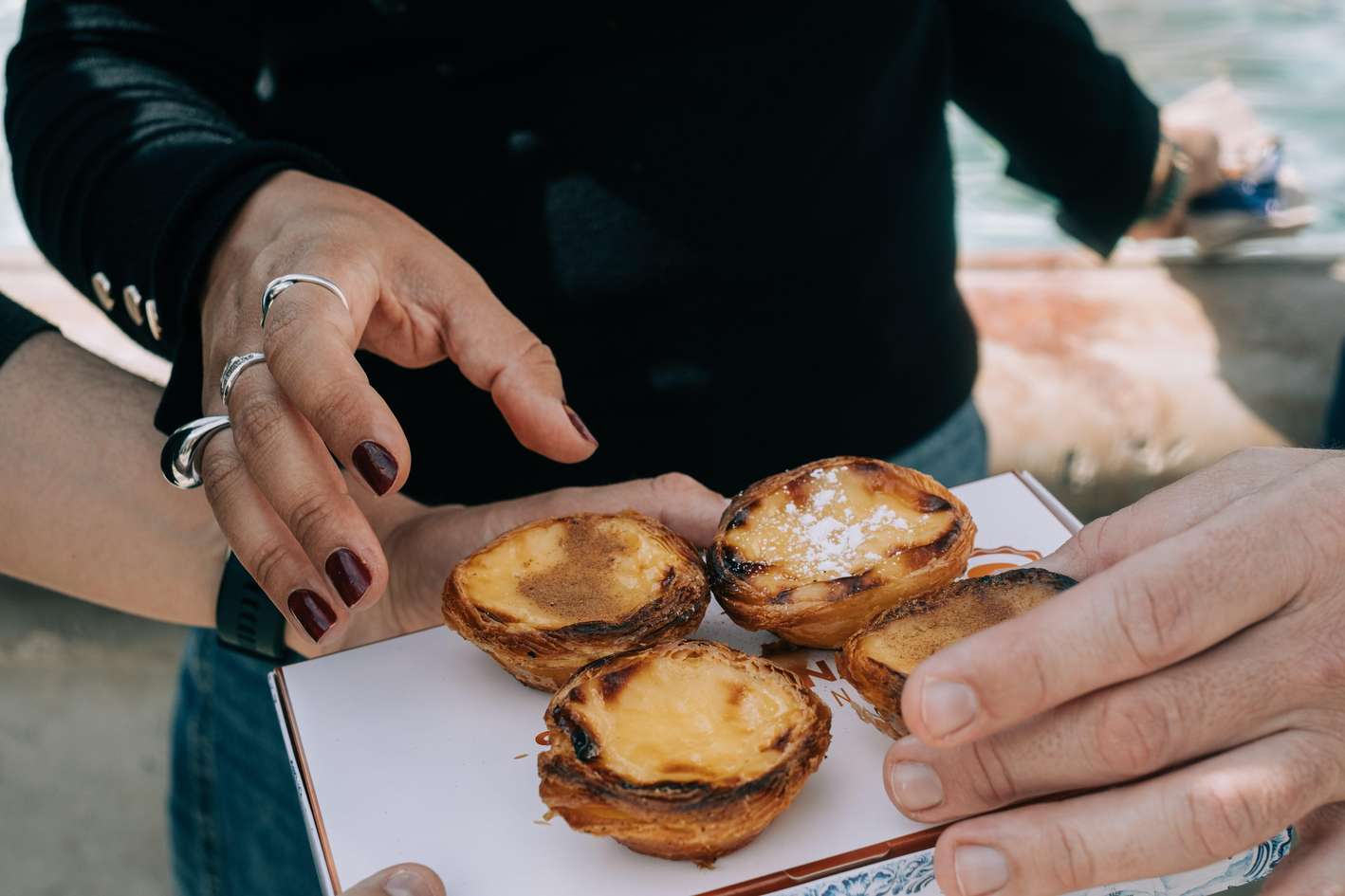
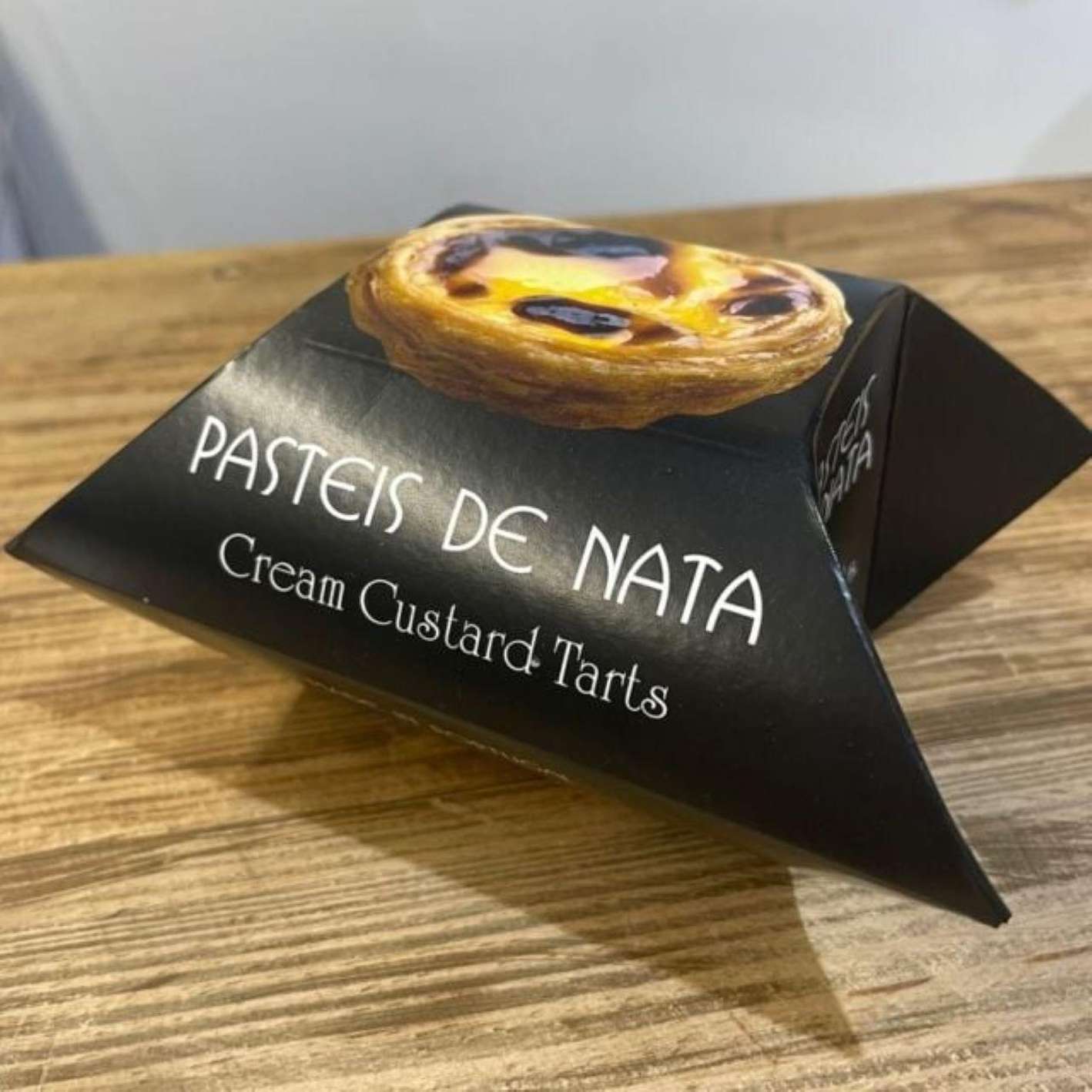
Pastel de Nata in Porto - Baking Classes and Pastry Workshops
Roll the pastry, pour the custard, eat them warm from the oven. Learn to bake Portugal's custard tart the way Porto hosts do it, with a recipe card to take home and a glass of Port wine in hand. Pick a class that fits your day and book it here.
Most pastel de nata workshops in Porto put you at a bench for an hour or two, rolling dough, filling tins and eating tarts warm from the oven. The one difference that decides between them is who you bake with: a studio group, a family in their home, or a class followed by a cruise.
Age limitsMinimum ages differ by class, so one workshop excludes children under 10, another excludes children 8 and younger, and another excludes children under 15.
Drinking ageThe legal age to consume alcohol in Portugal is 18, and some workshops serve wine or Port only to participants aged 21 and over.
FootwearPorto kitchens require flat, closed-toe shoes; sandals and flip-flops stay out of the food-preparation area.
AllergiesSome classes can prepare lactose-free or vegan tarts on request, but you must give advance notice, and one workshop is not suitable for people with food allergies.
CeliacTraditional pastel de nata workshops fill the air with wheat flour, so people with celiac disease are advised to avoid them.
Arrival timeSome workshops close the door at the scheduled start time, so late arrivals cannot join and get no rescheduling or refund.
WheelchairsOne class runs wheelchair-accessible sessions at its Lapa store, while its other downtown location is not suitable for wheelchair users.
BookingCancellation up to 24 hours in advance gives a full refund, and August and September are the busiest months.
TakeawayMost workshops provide a box so you can carry the tarts you bake home with you.
ClothingWear comfortable clothes you do not mind getting flour on, and skip loose sleeves near the ovens.
Find the right pastel de nata class in Porto
classes with kids: age rules vary, check before booking
Answer a few quick questions and the page picks the workshop that matches your group, your trip and your budget.
1Who's coming?
2What's your budget?
3What kind of trip?
Your best match
match
Porto: Pastel de Nata Pastry-Making Workshop with cocktails★ 4.9 (2,542) · 1.5 hours · Pastry baking · Cocktail pairing
Popular with solo travelers and friends. 99% of solo travelers and 97% of friends gave it 4 or 5 stars.
Booked 7 times yesterday
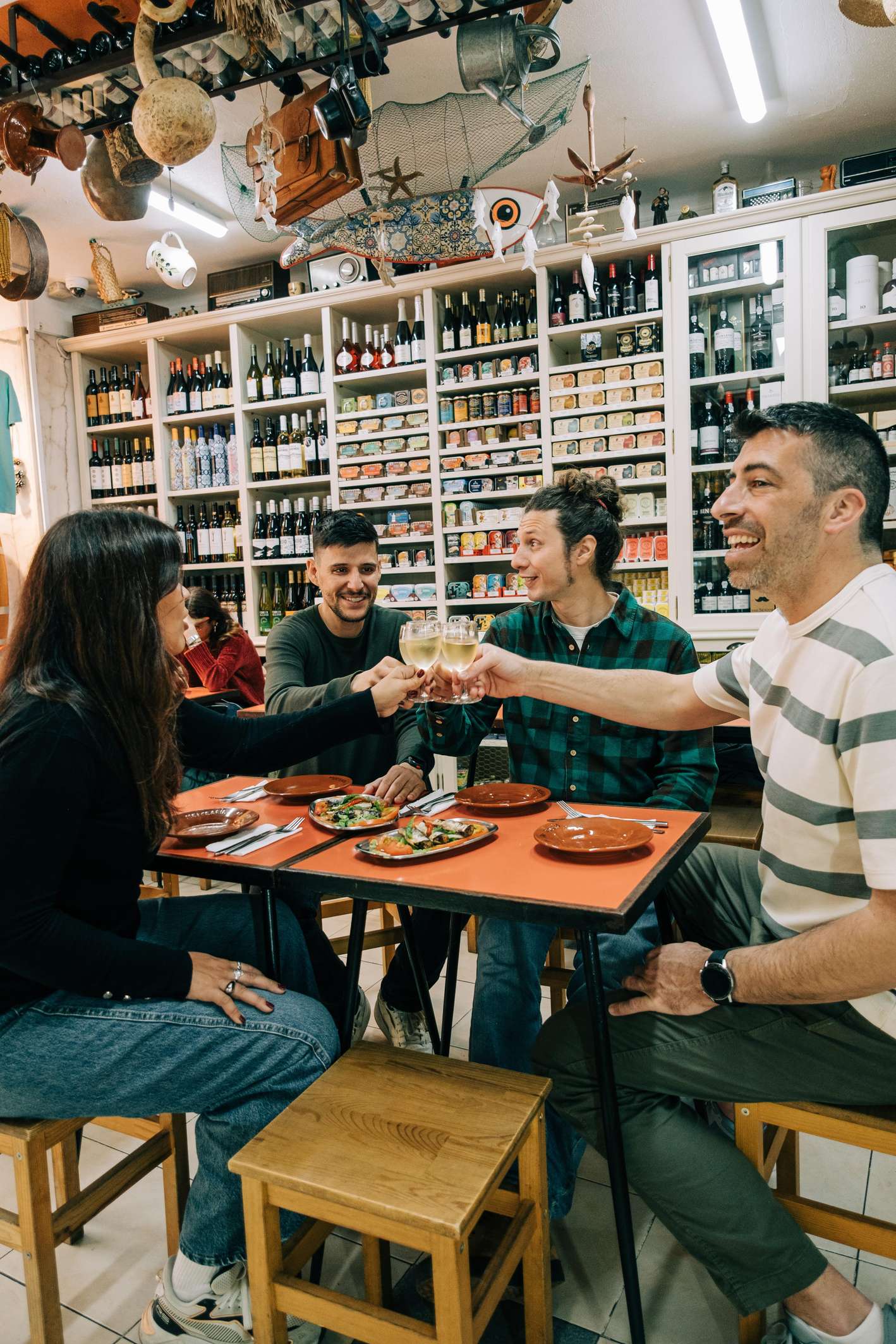
A relaxed 1.5-hour session with a glass of wine, Port or a mimosa while you bake.
What happens in a Porto pastel de nata workshop, step by step
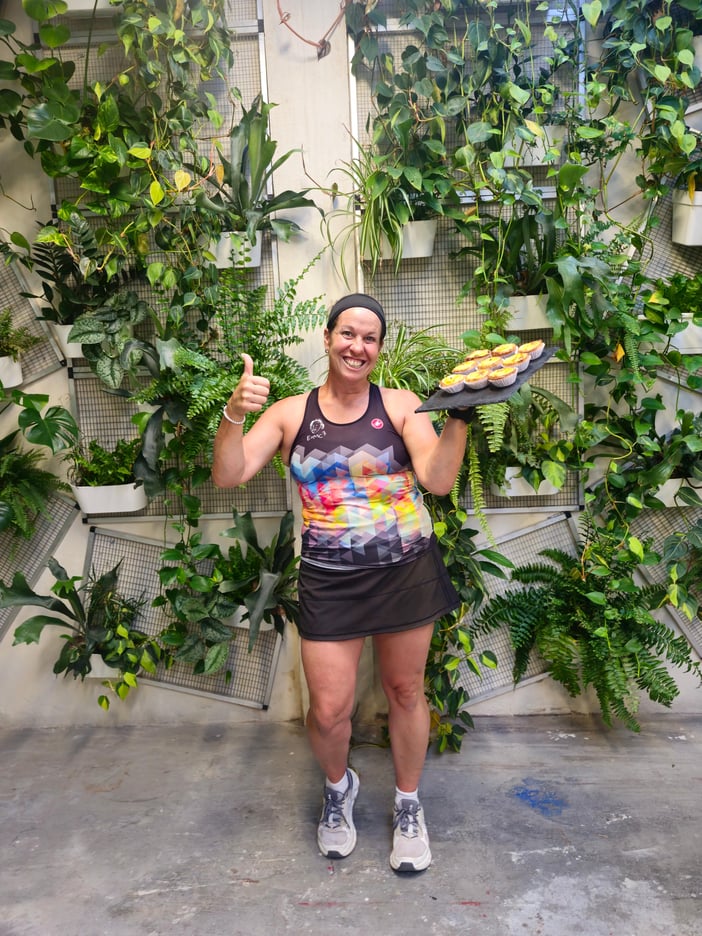
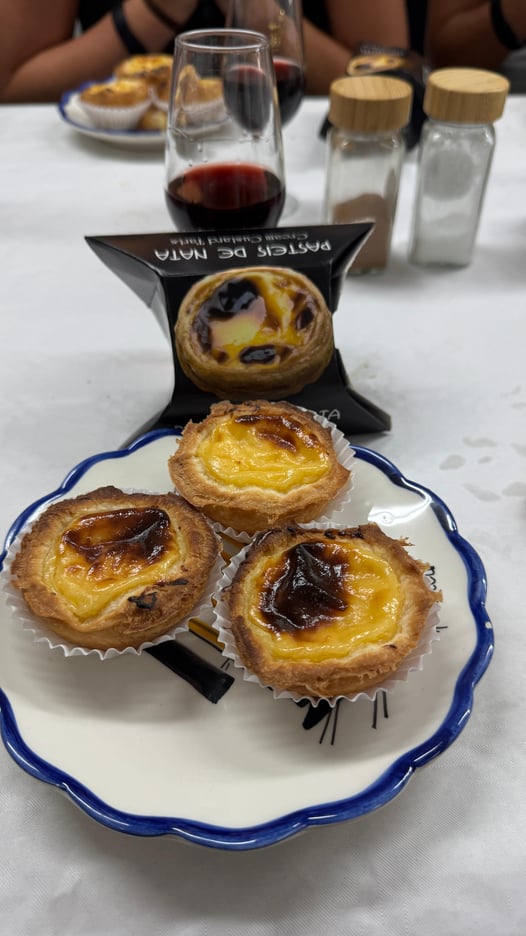
take home 2 or more in a cardboard box
about 1.5 h
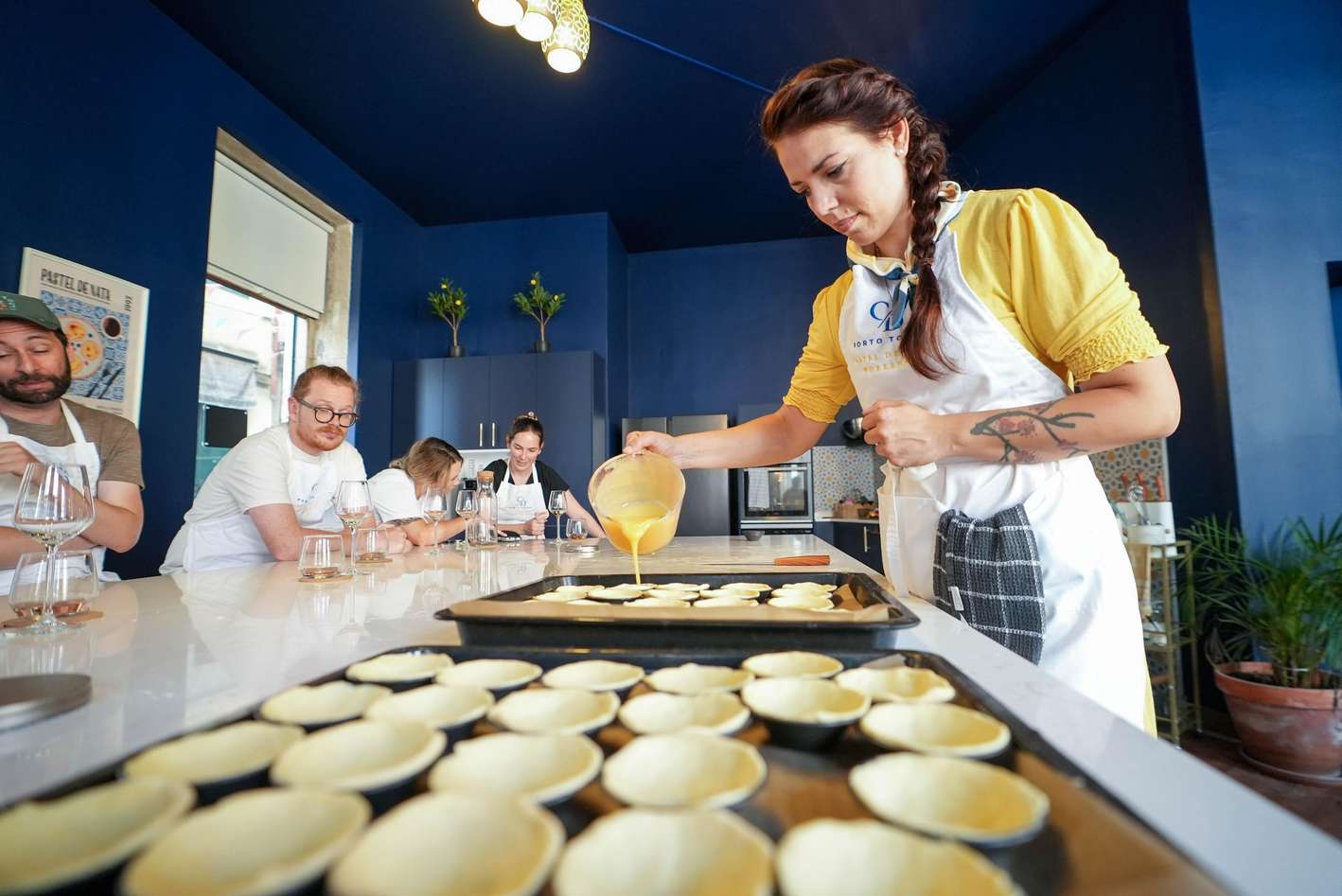
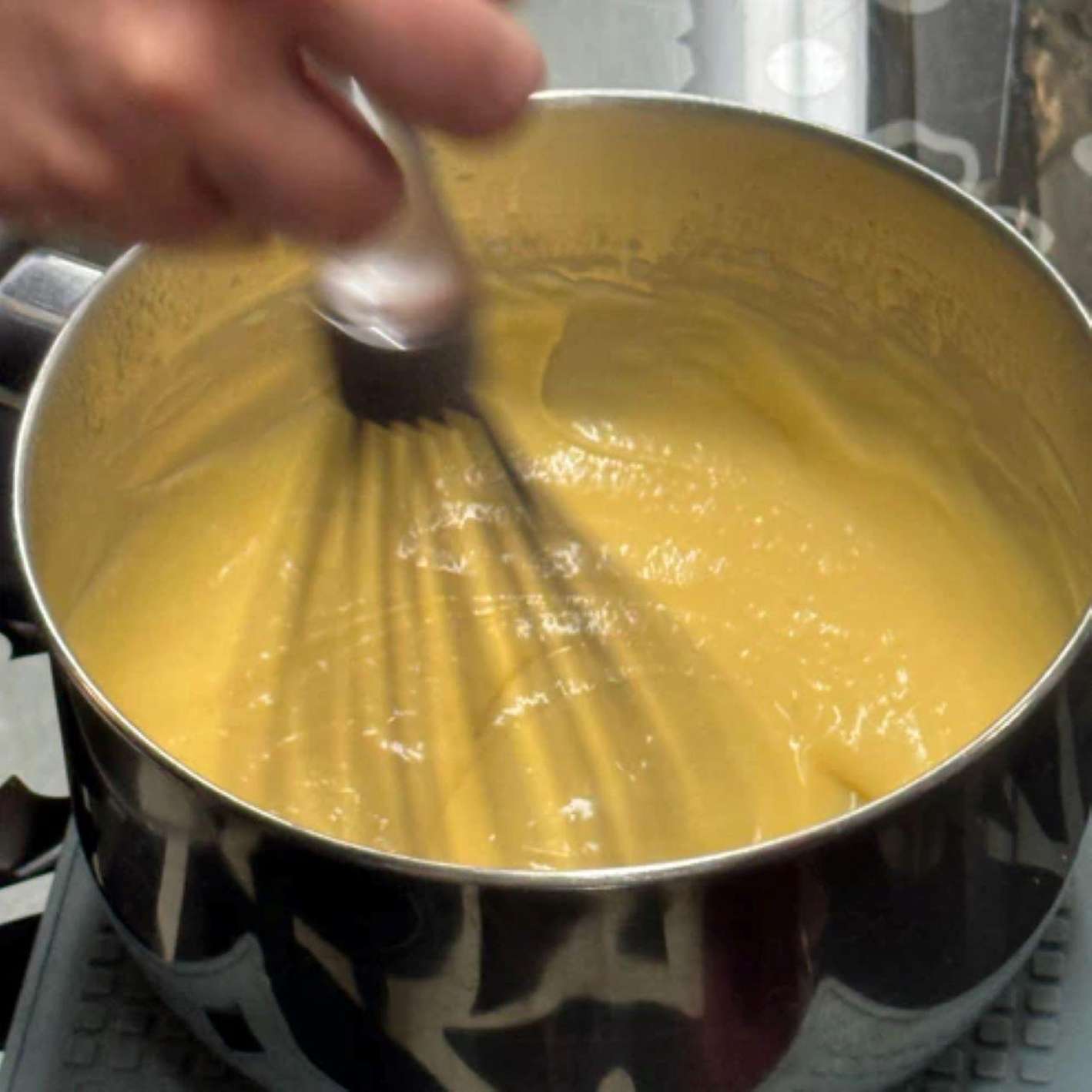
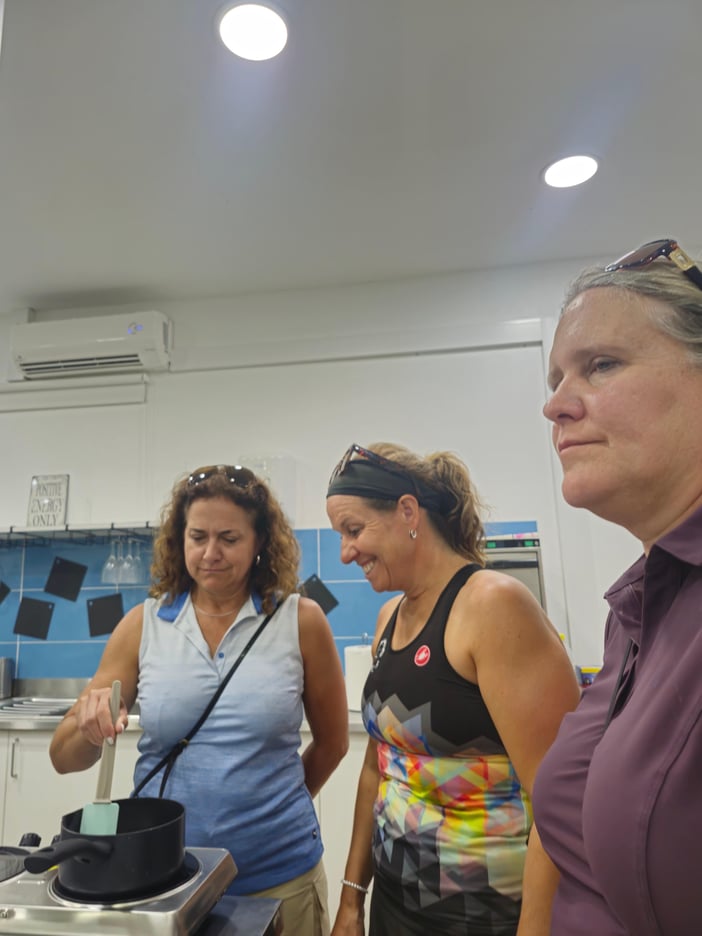
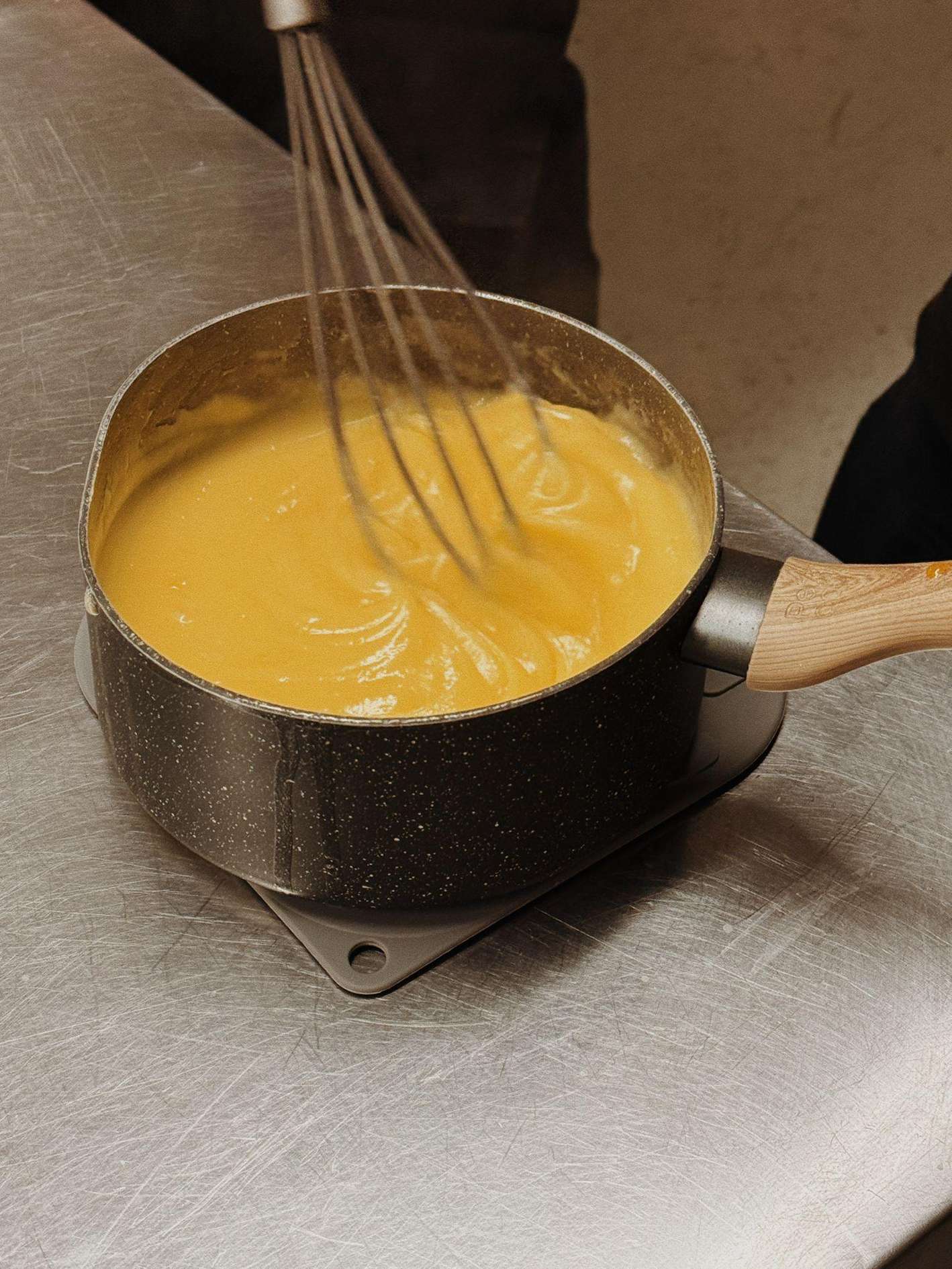
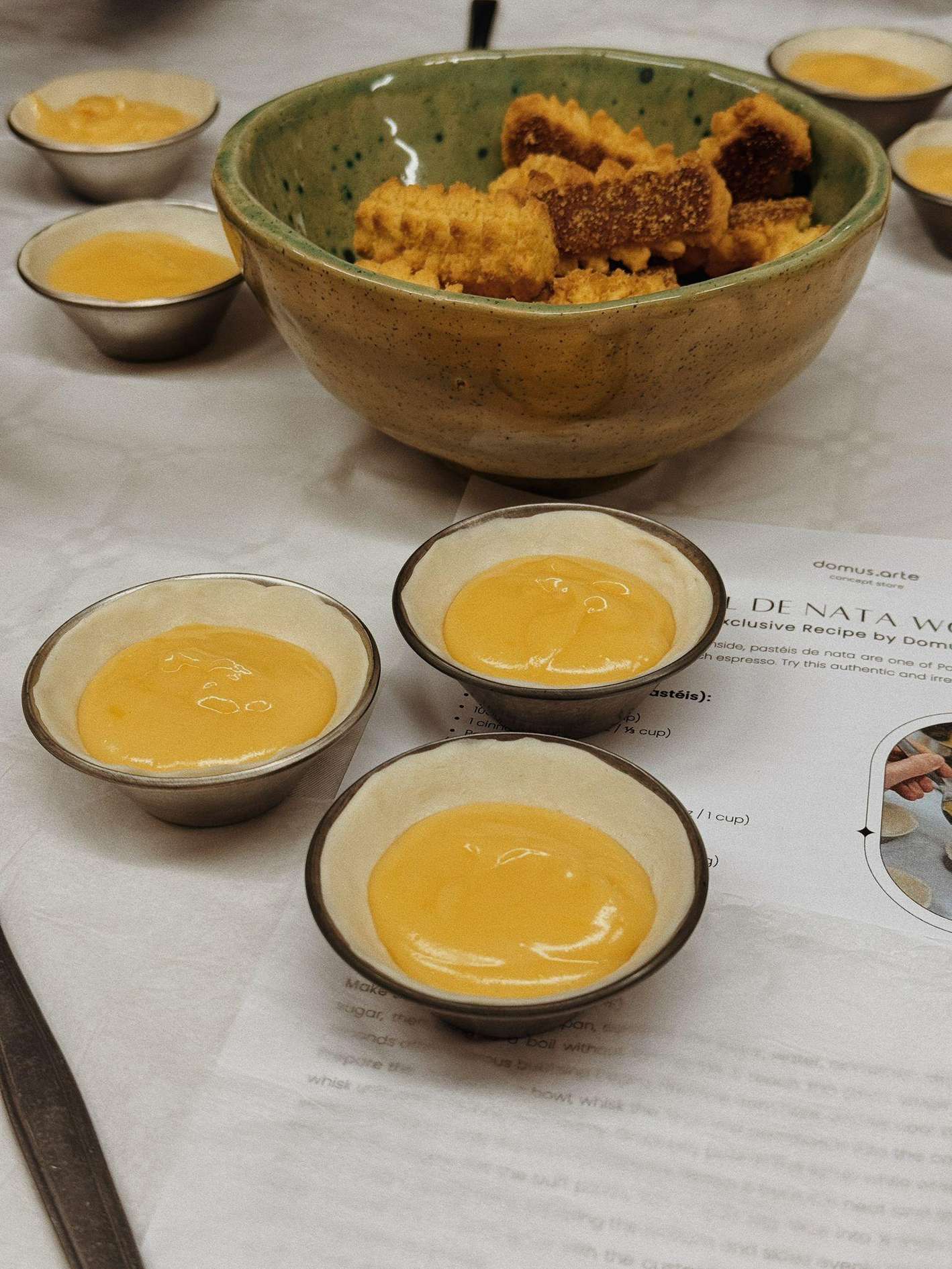
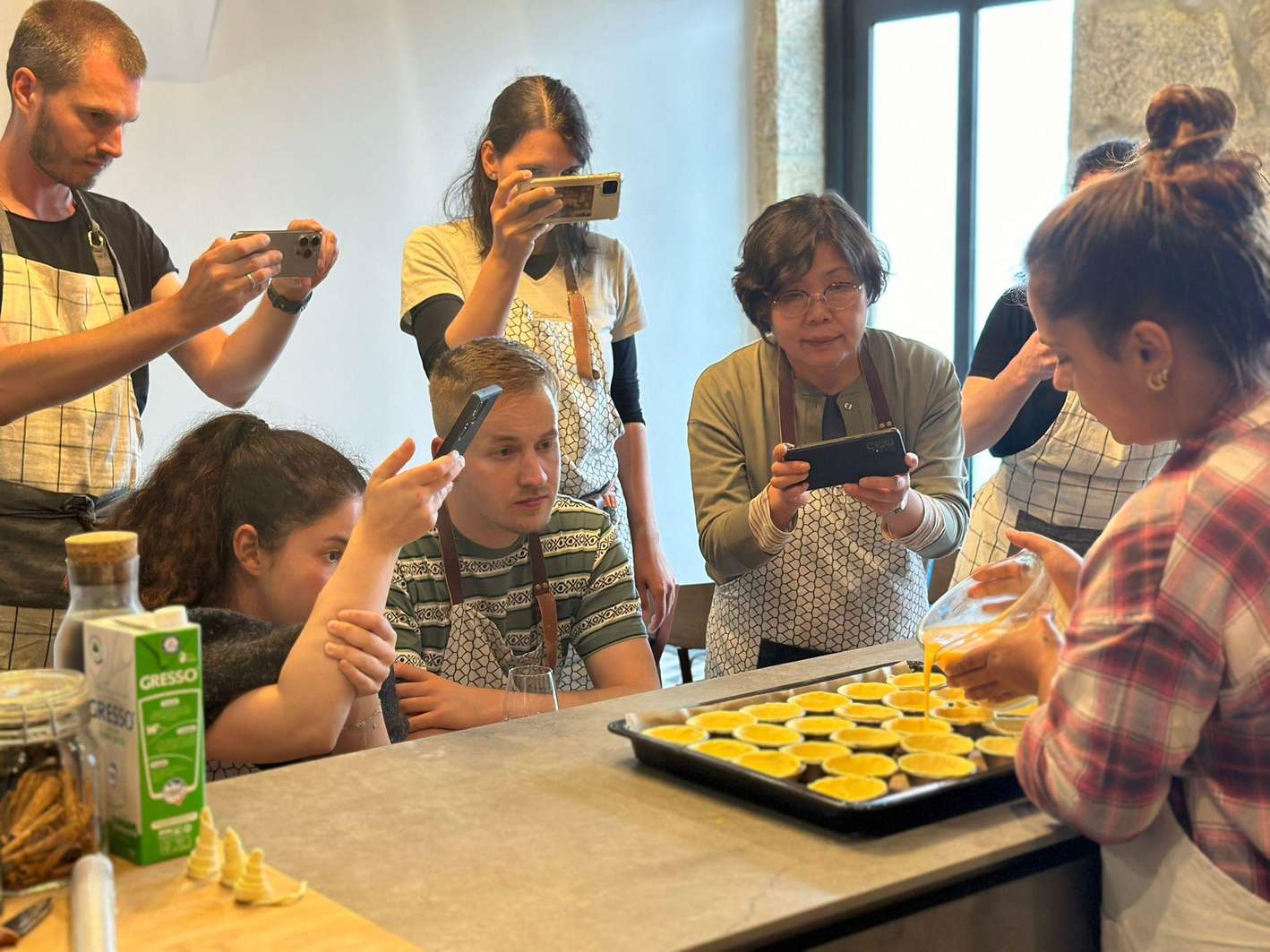
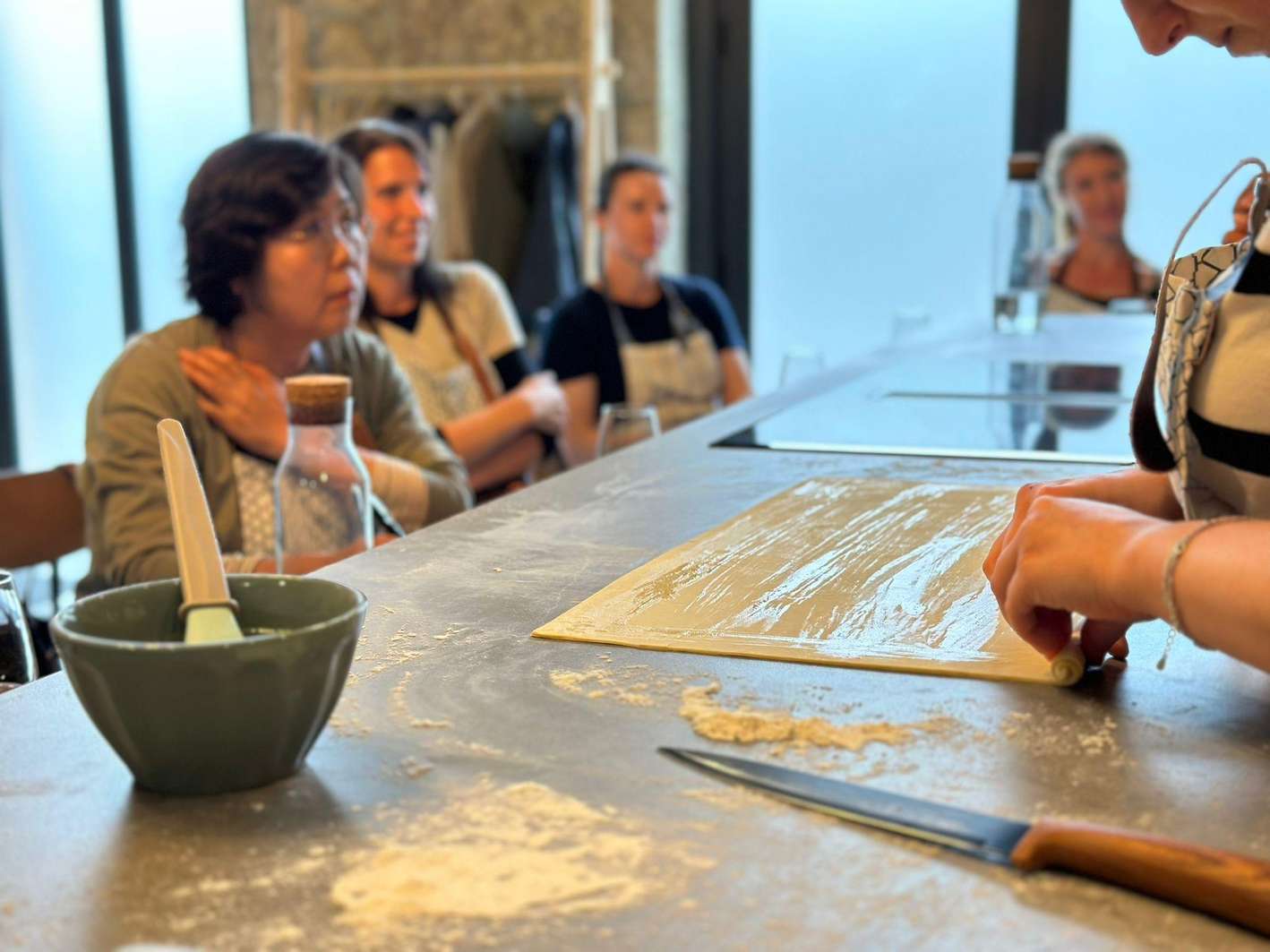
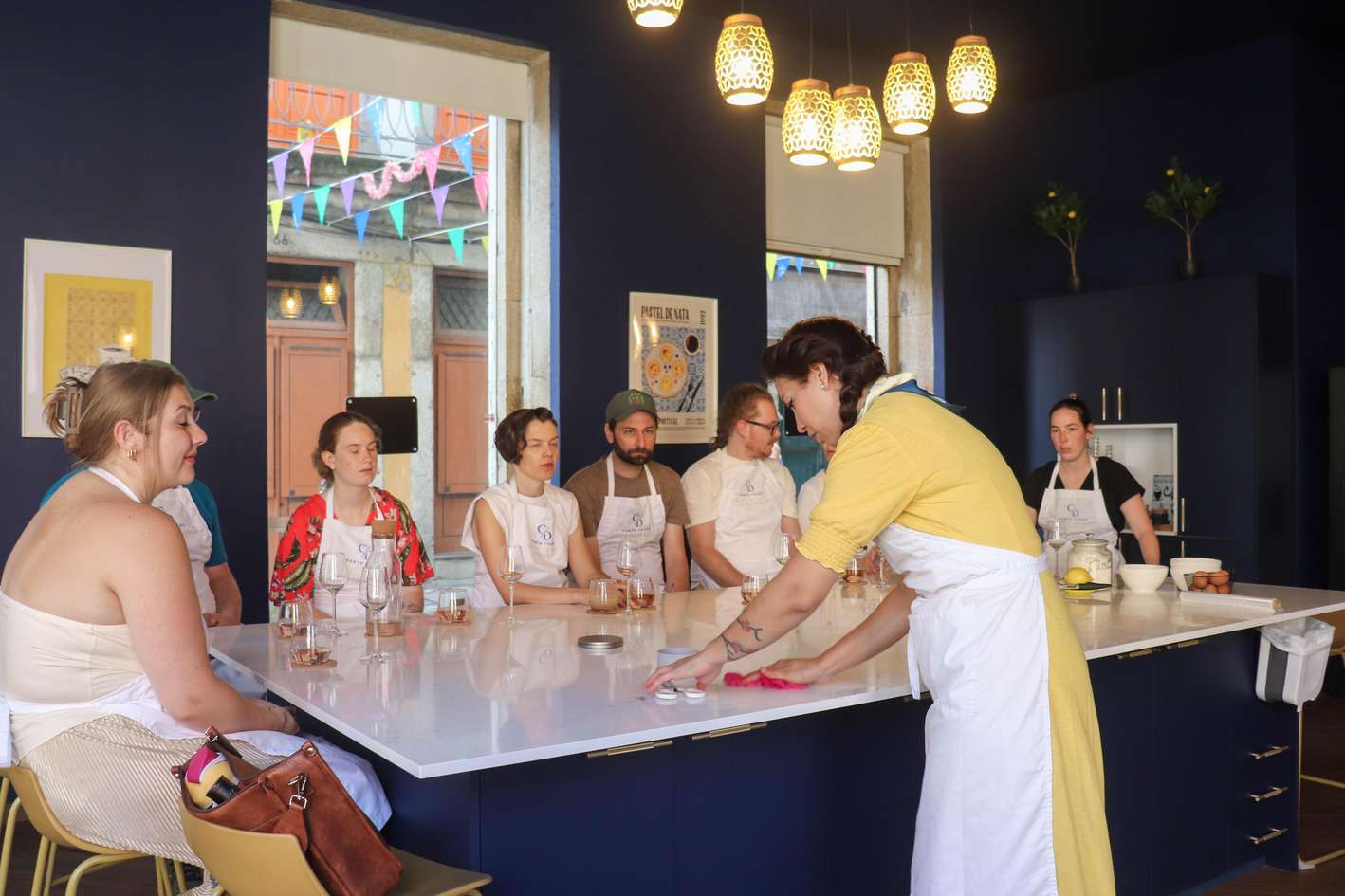
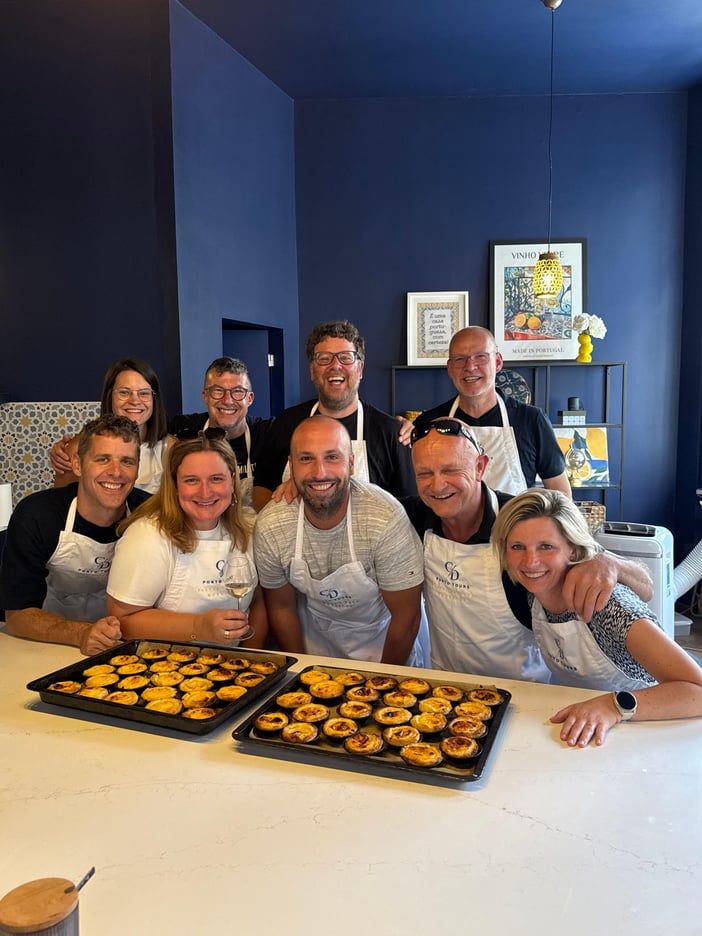
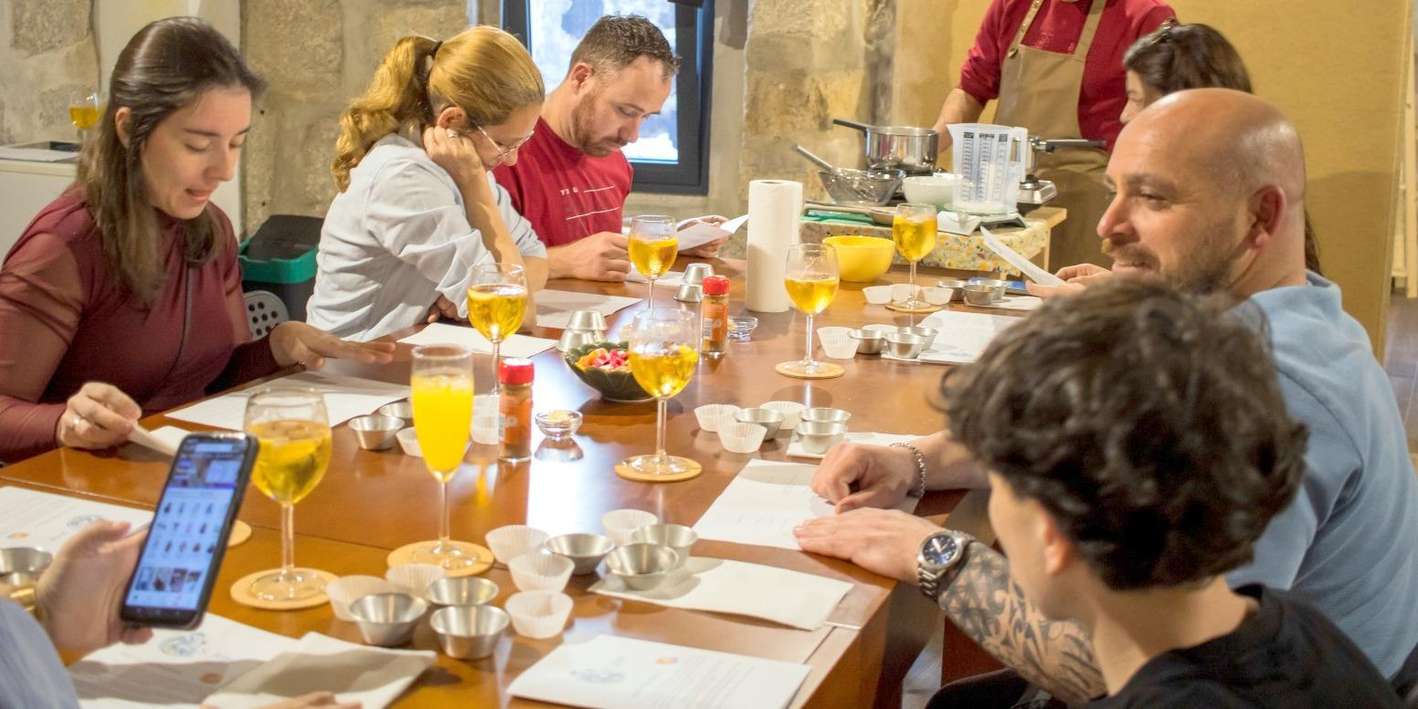
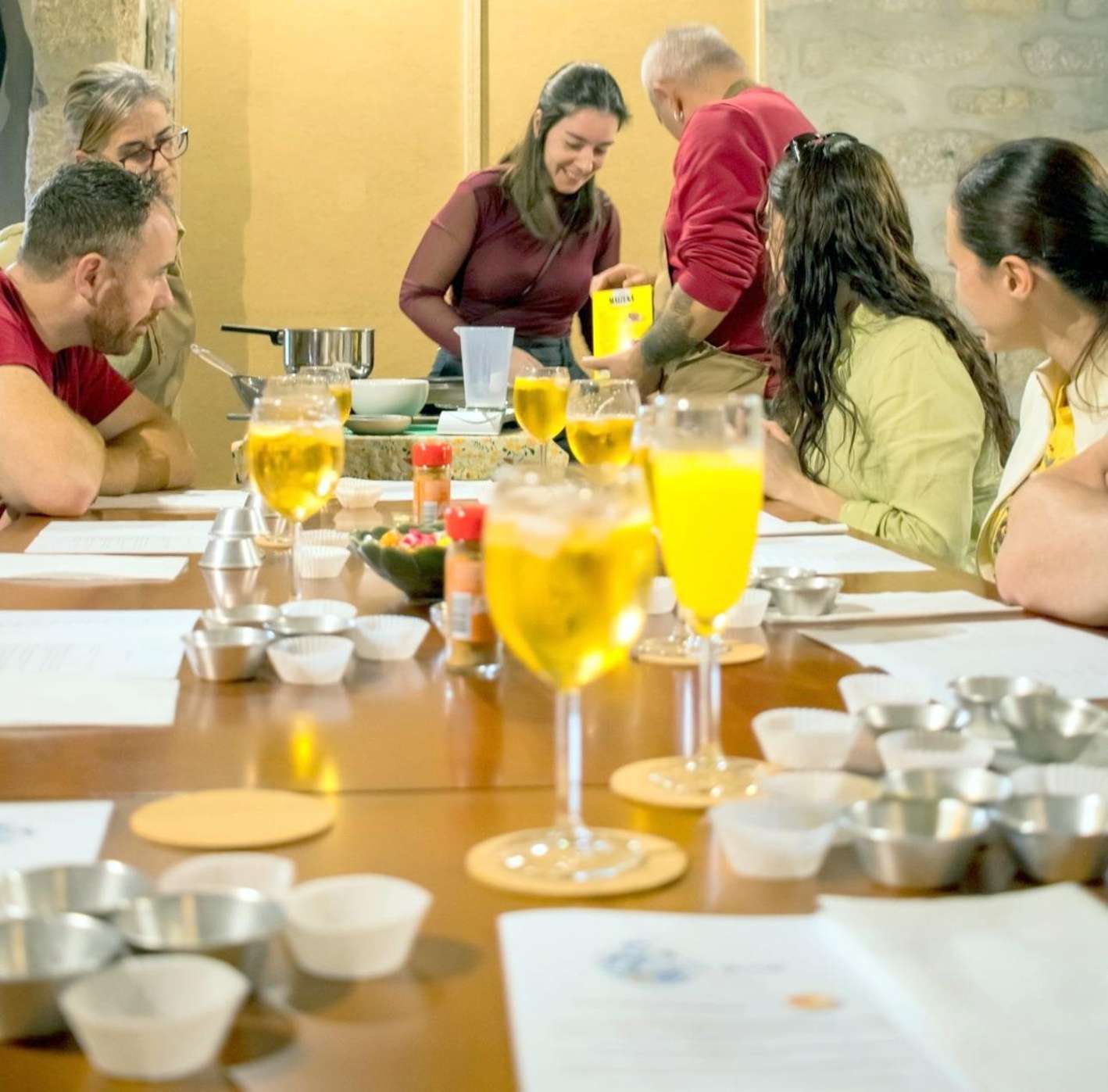
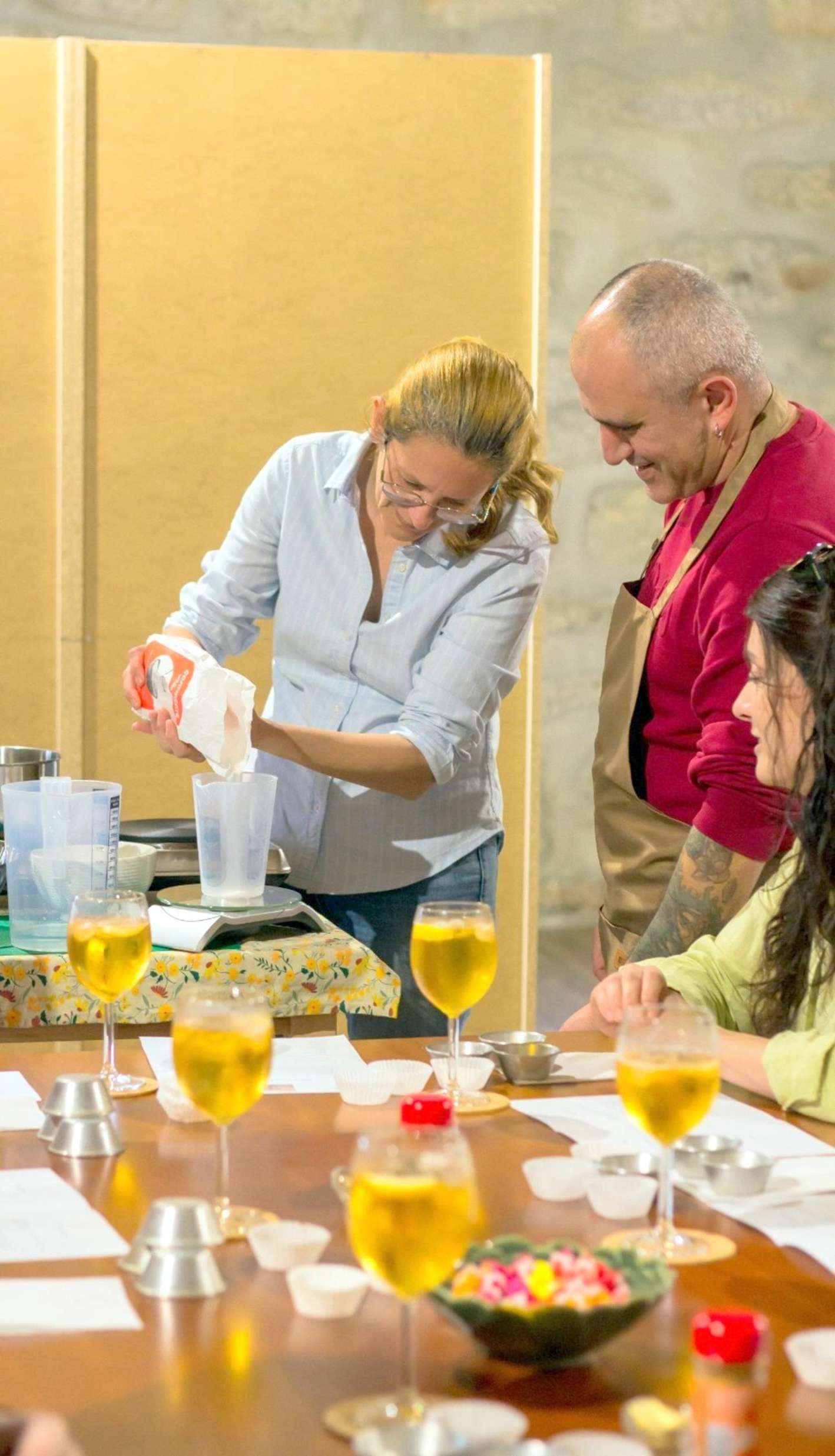
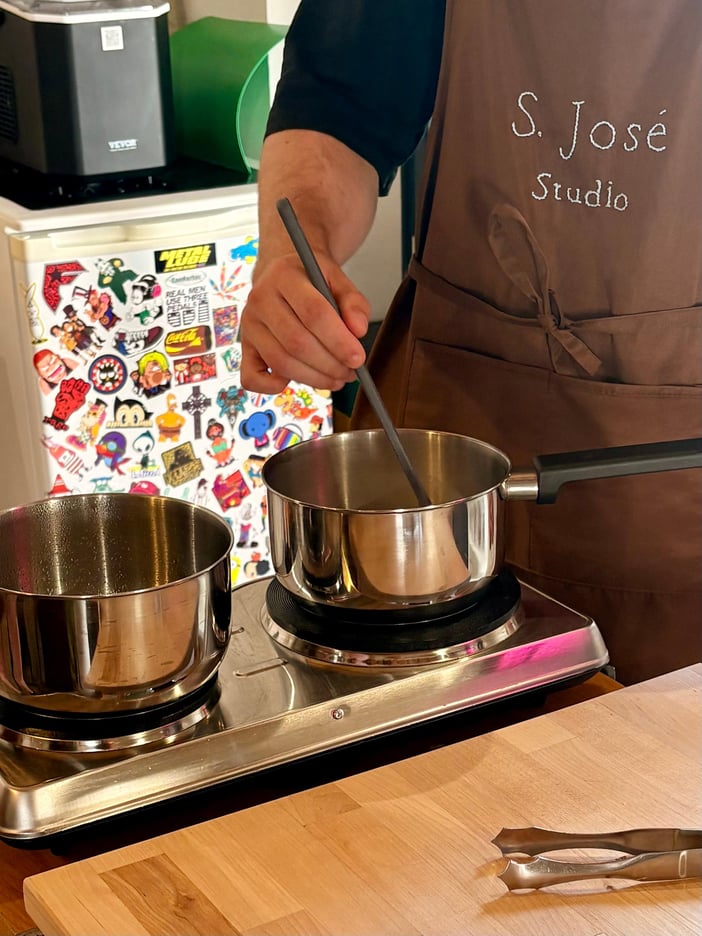
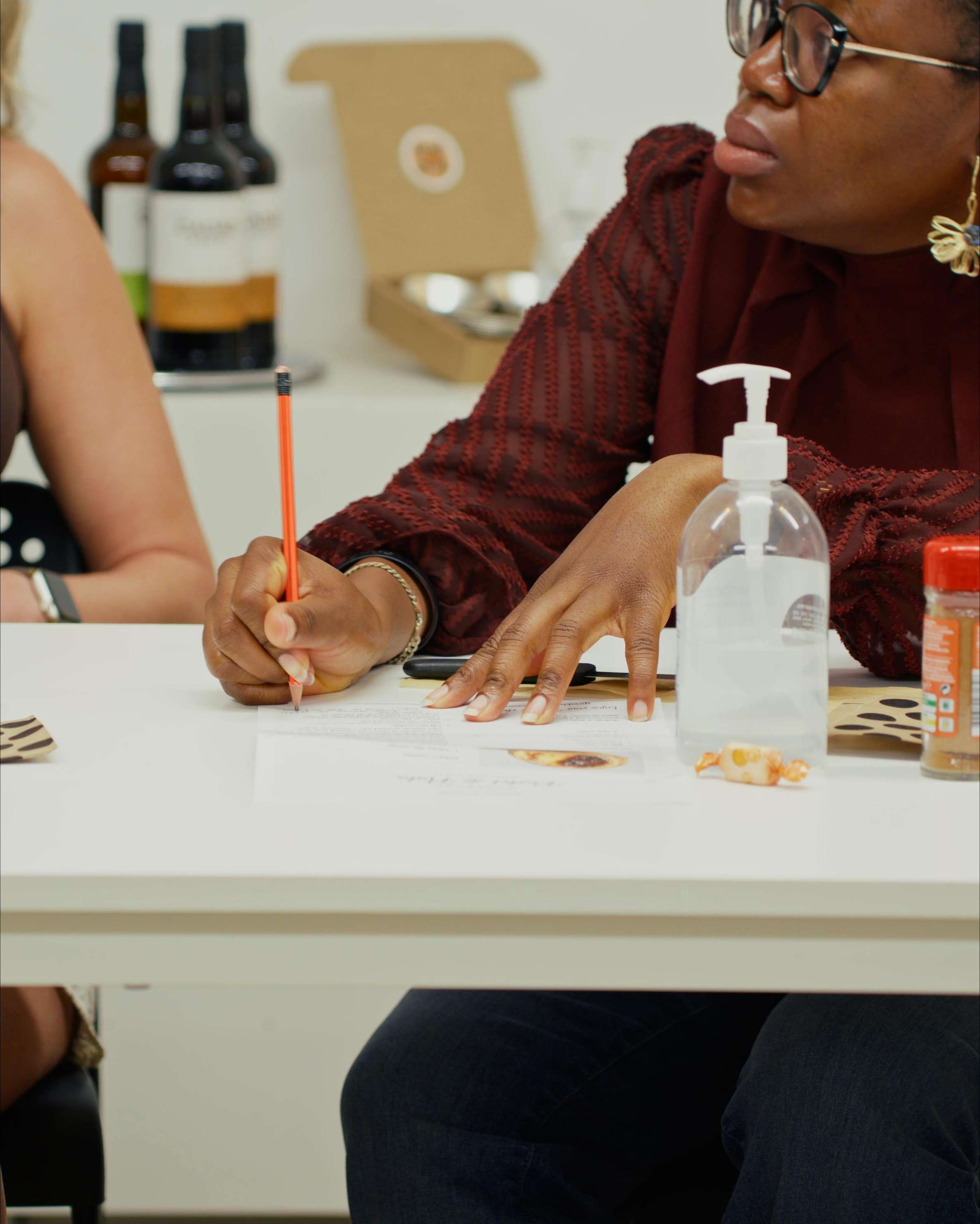
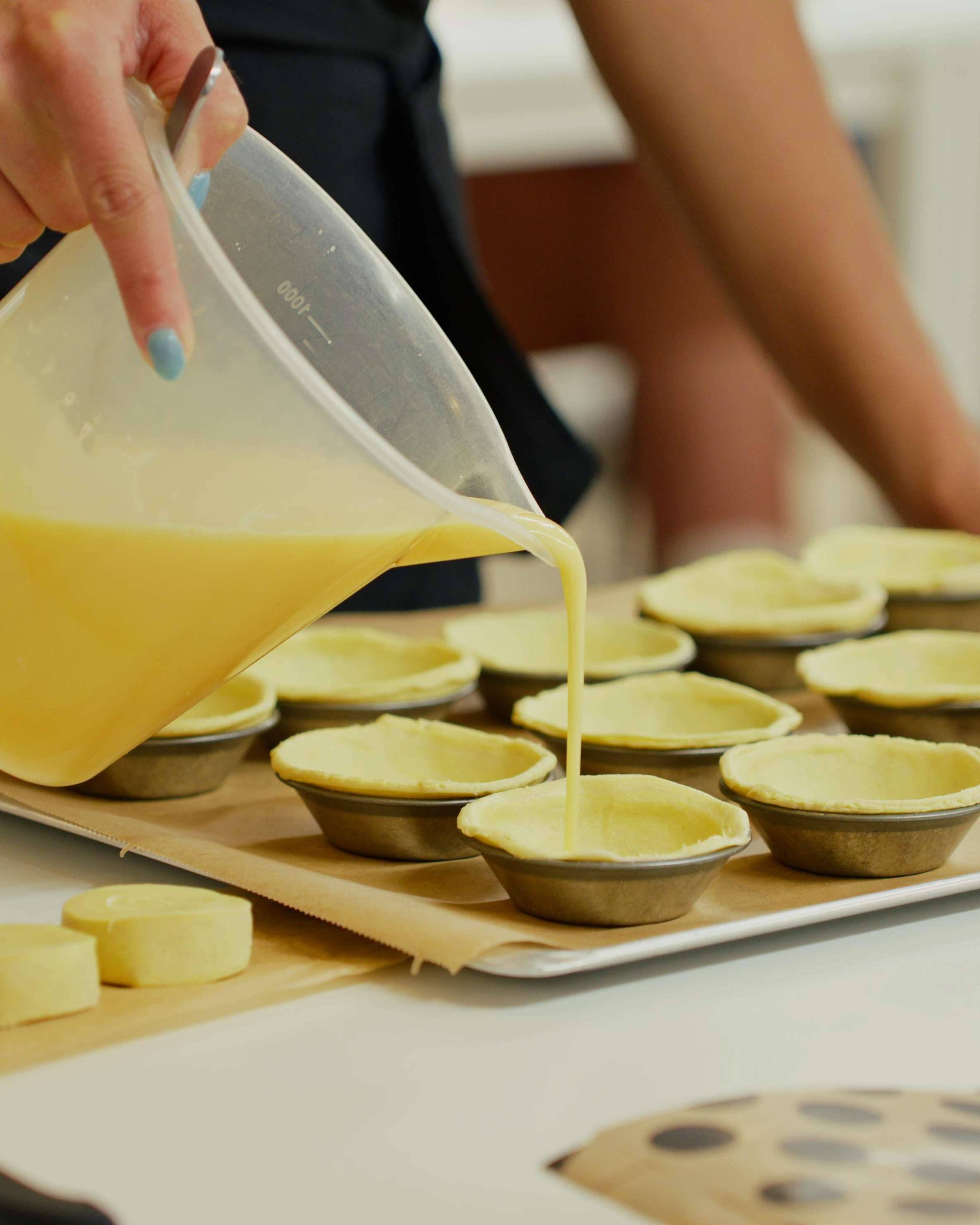
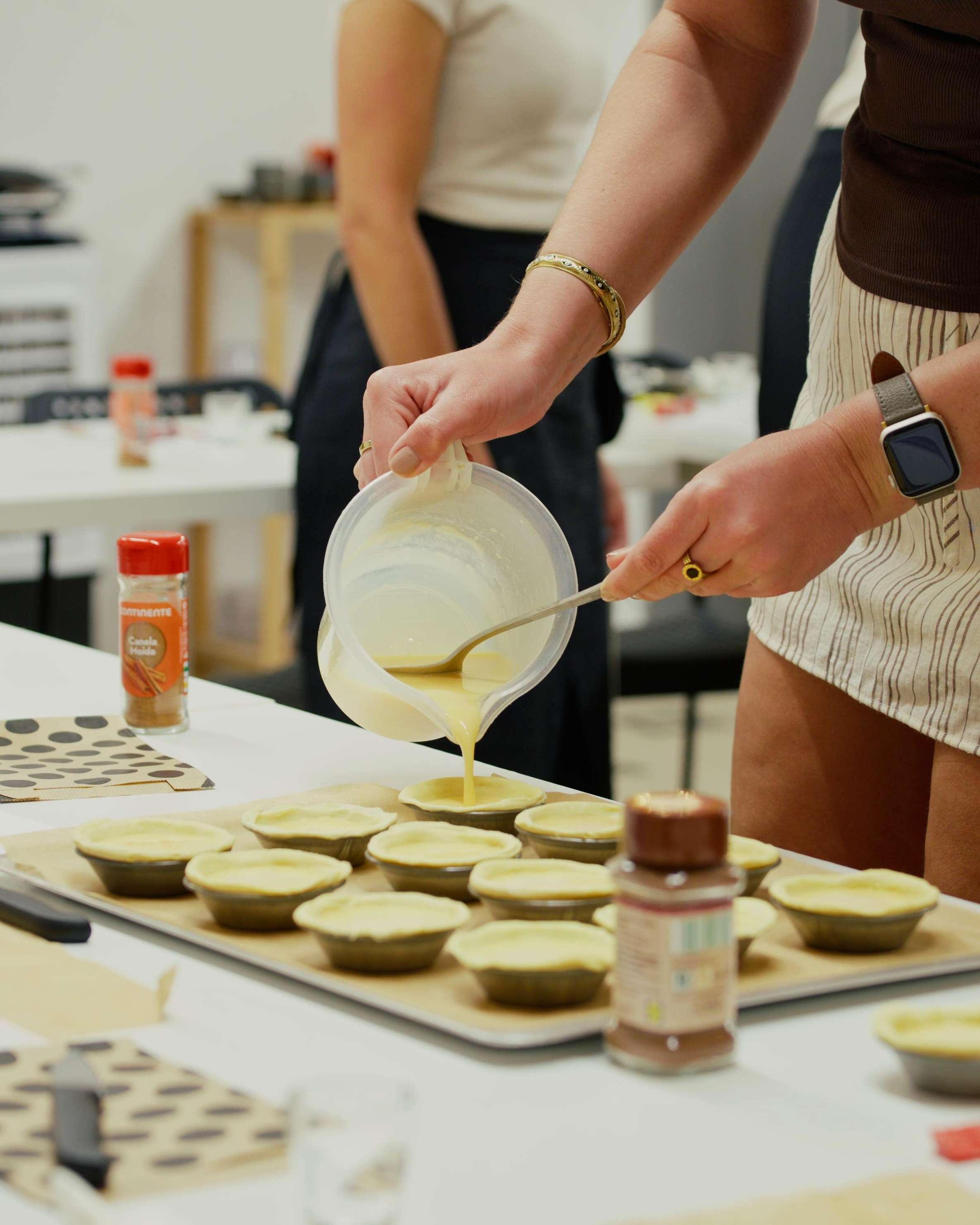
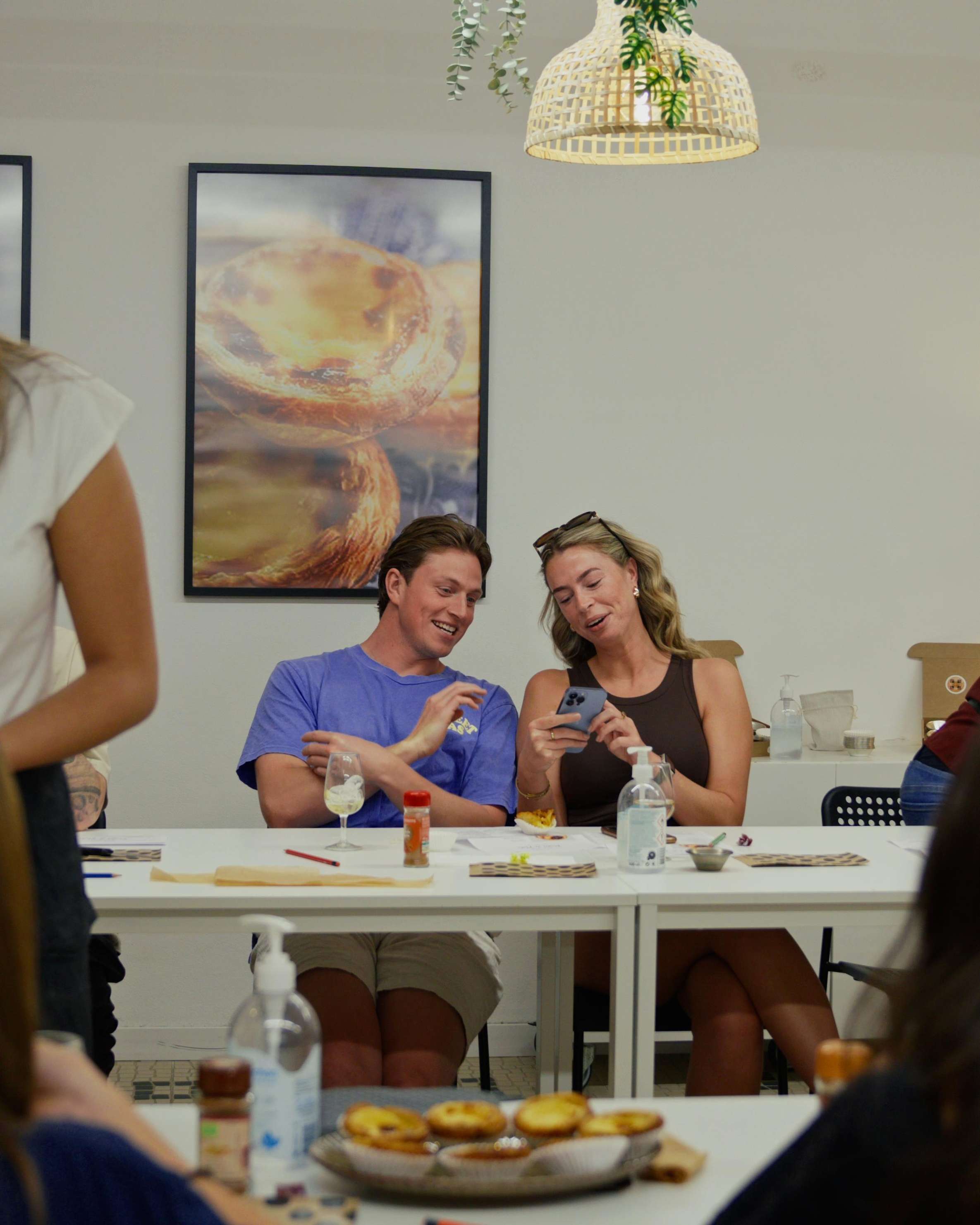
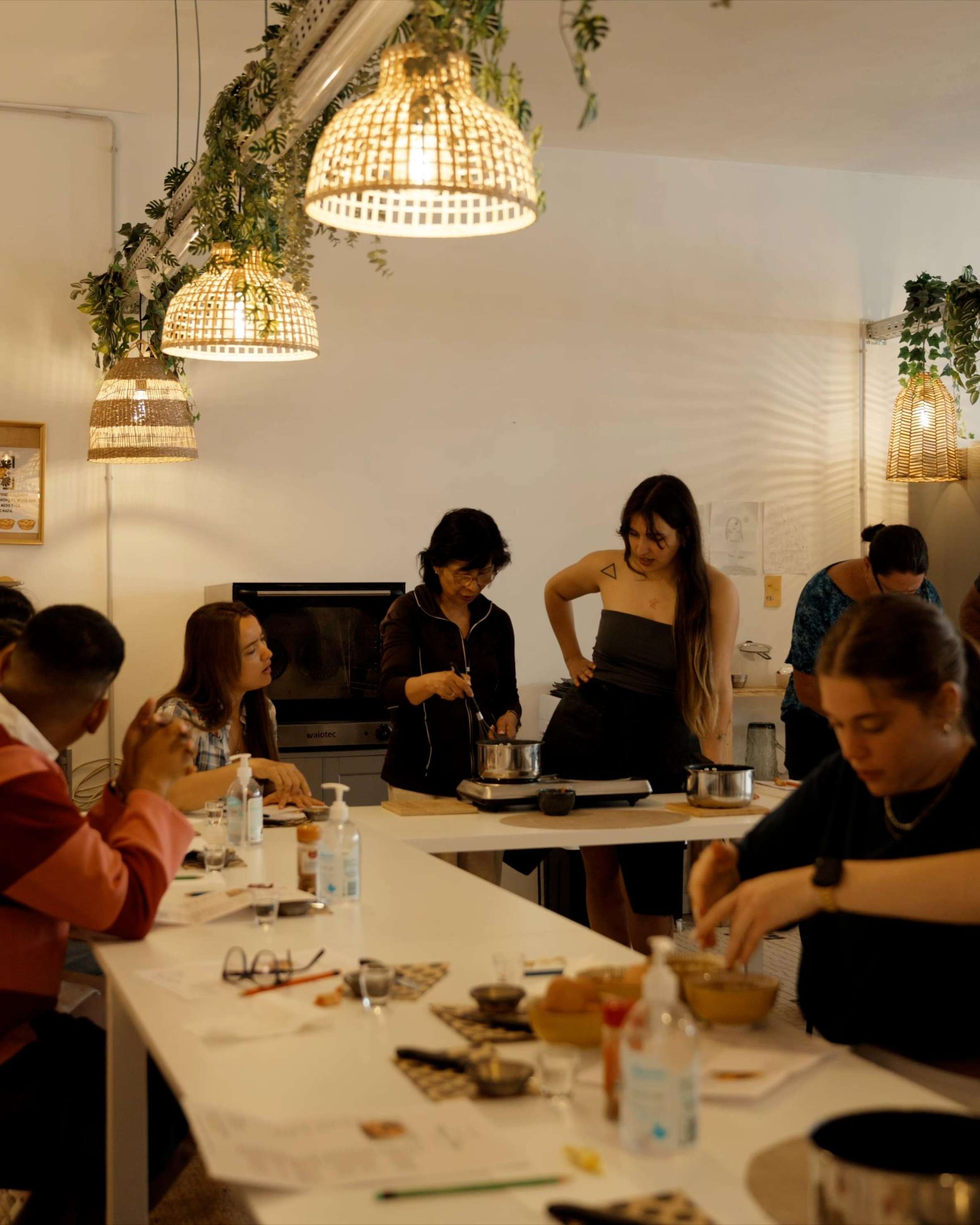
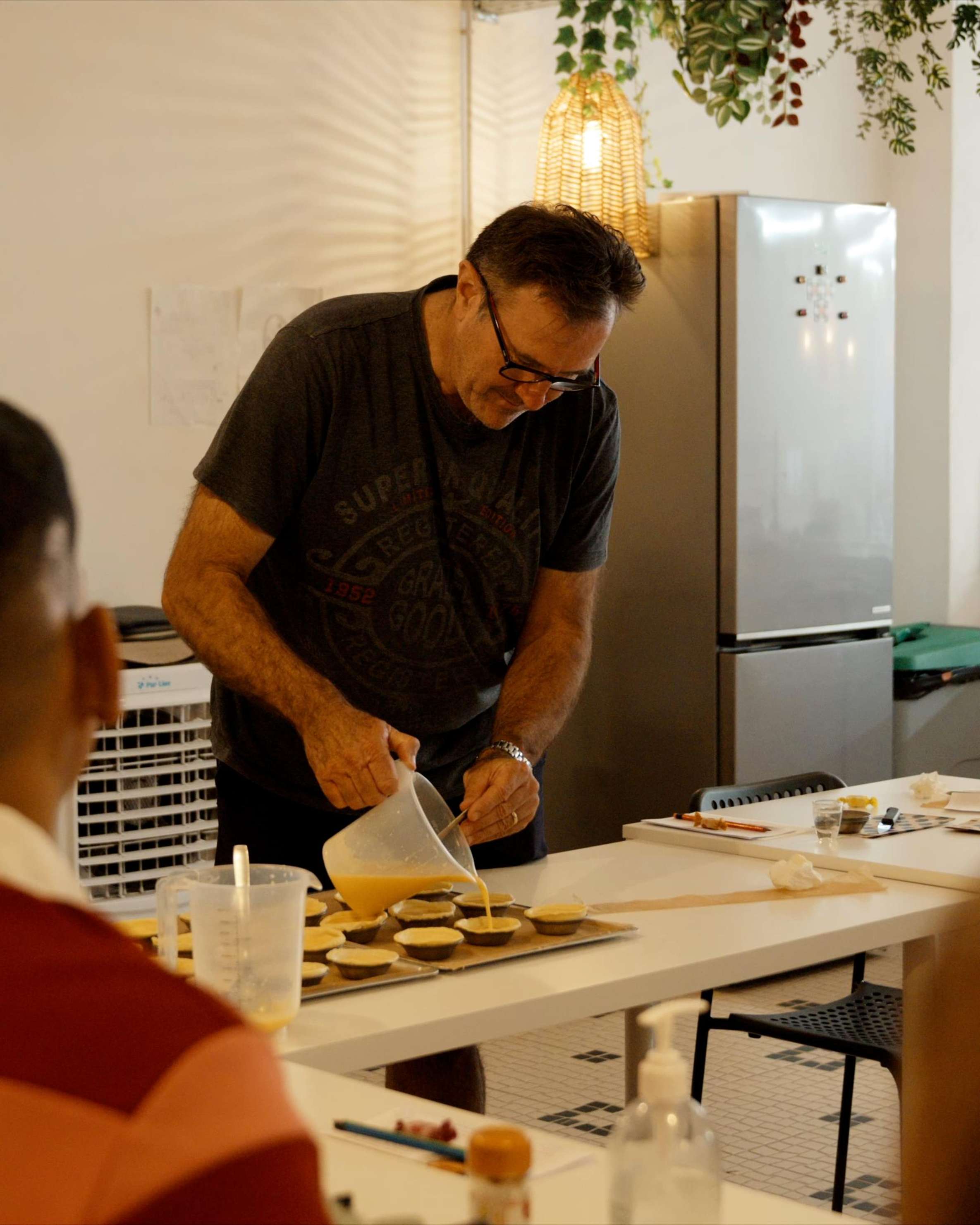
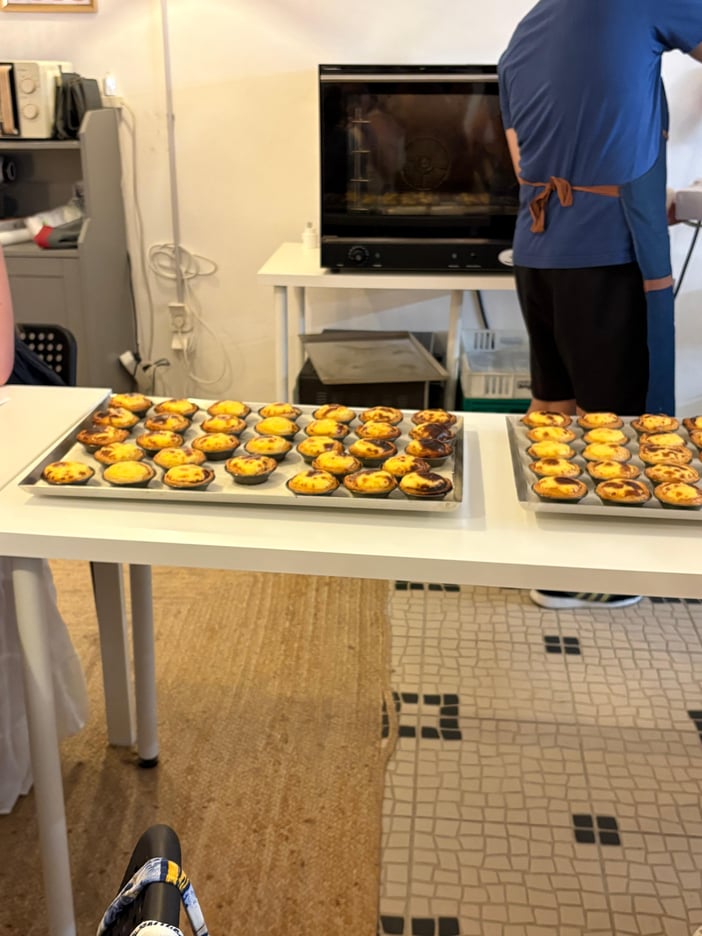
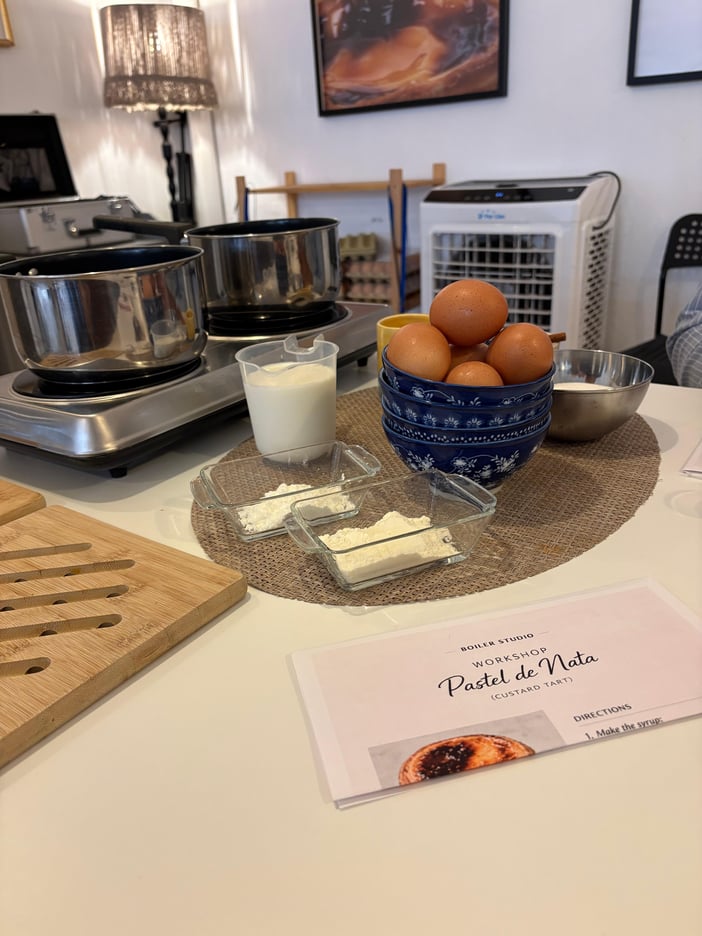
The class runs 1.5 hours in a studio in the heart of Porto, and almost none of it is spent watching. An instructor gives you step-by-step instructions, and you roll out the pastry and make the egg custard yourself, sharing the steps among the group at three work stations with two teachers.
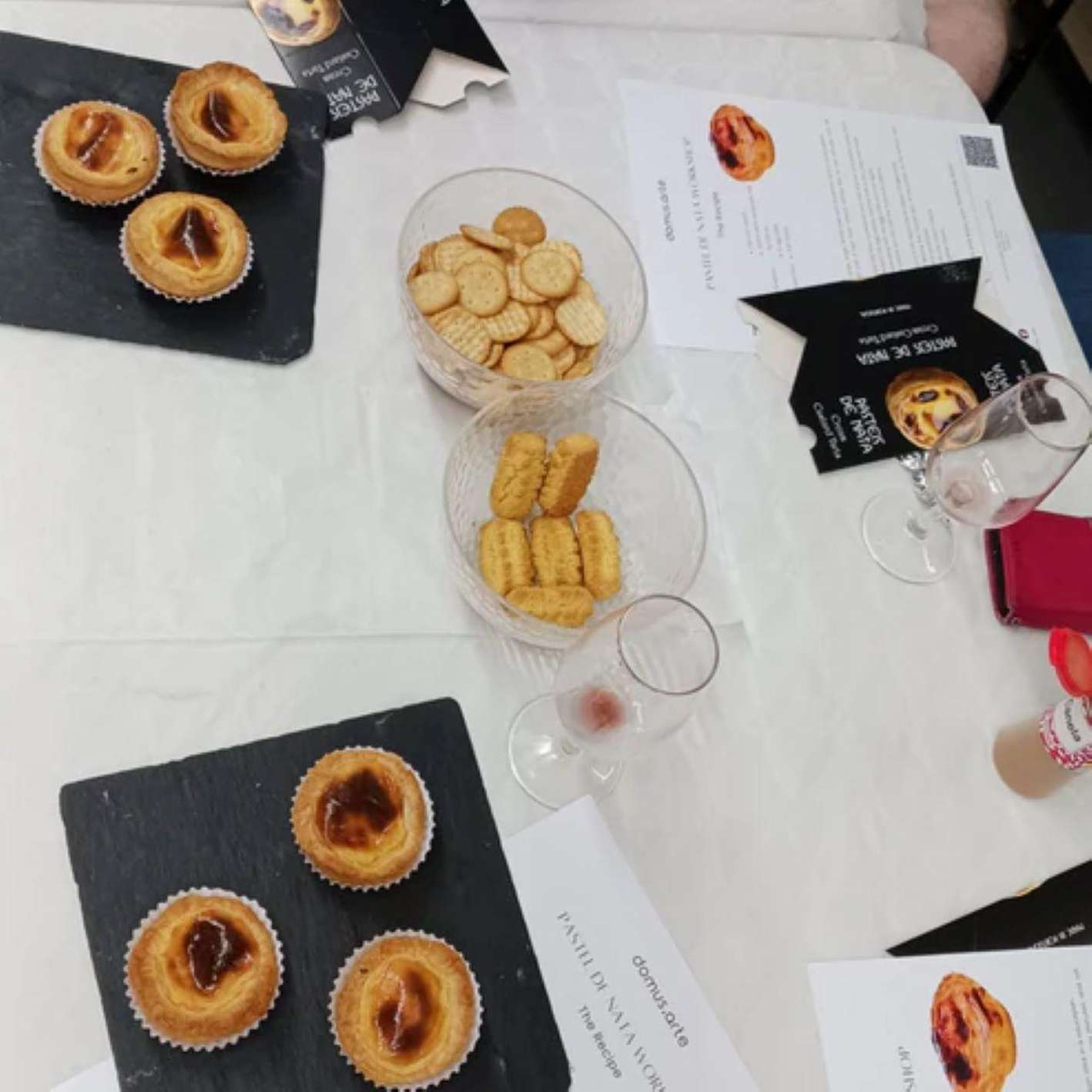
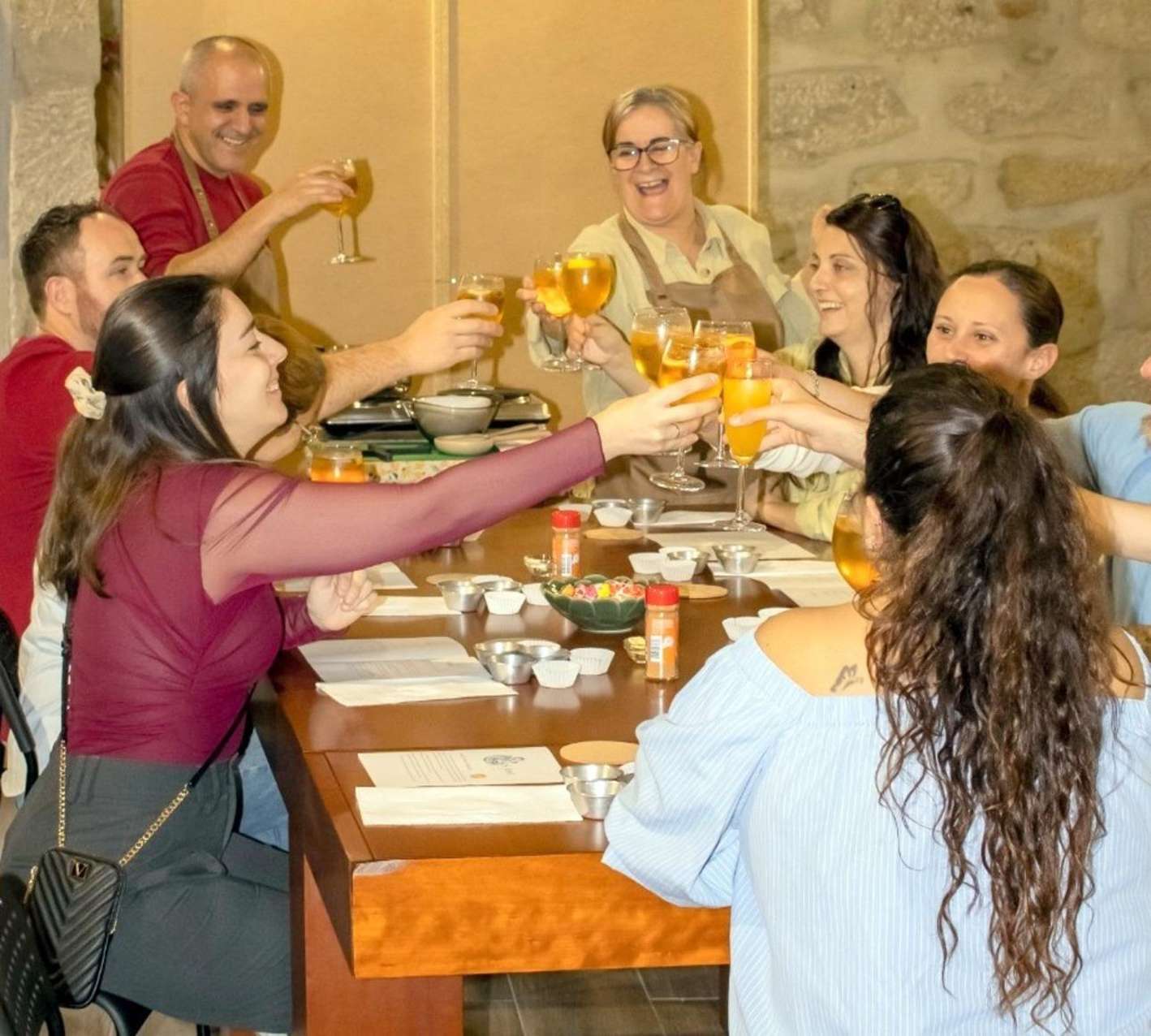
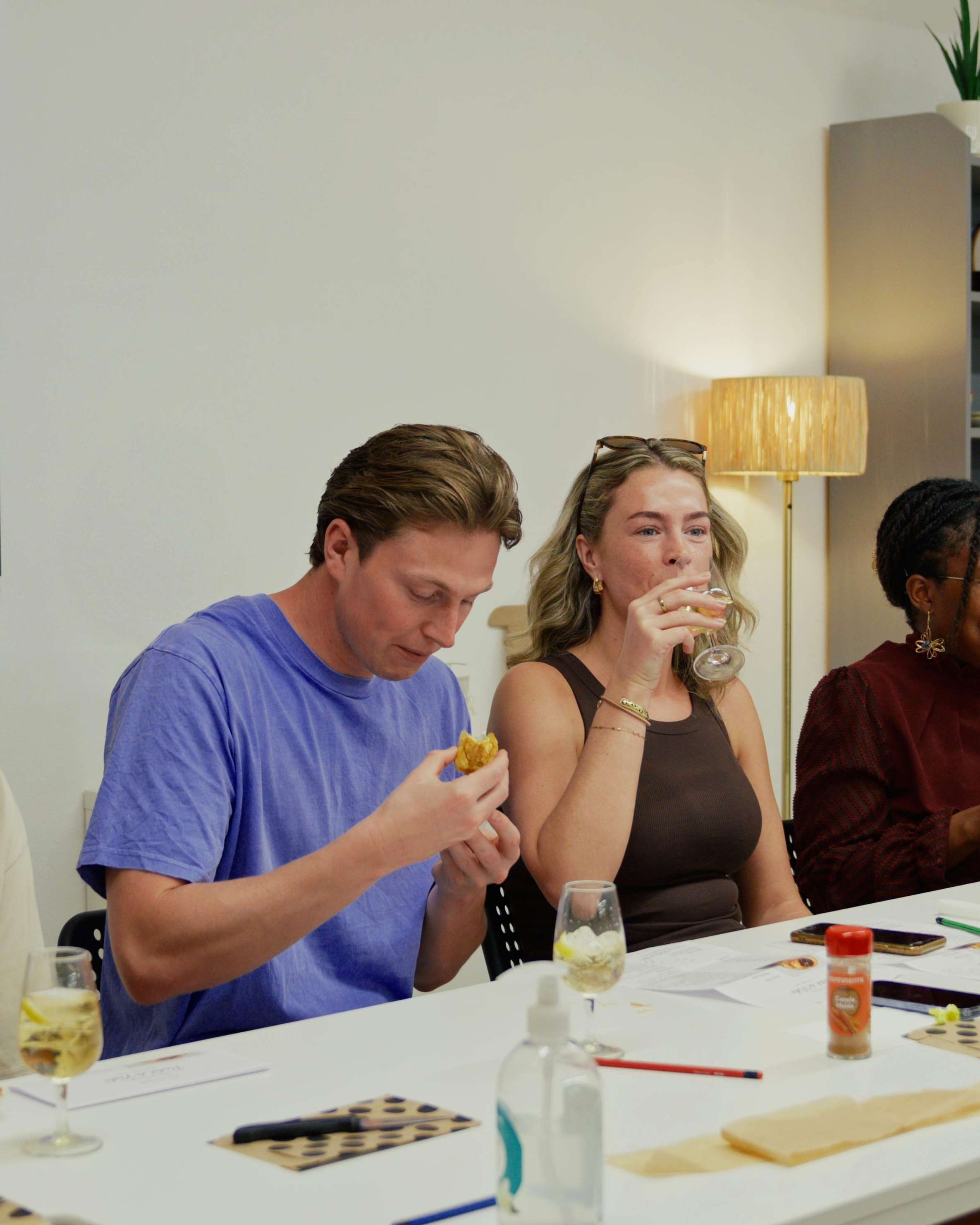
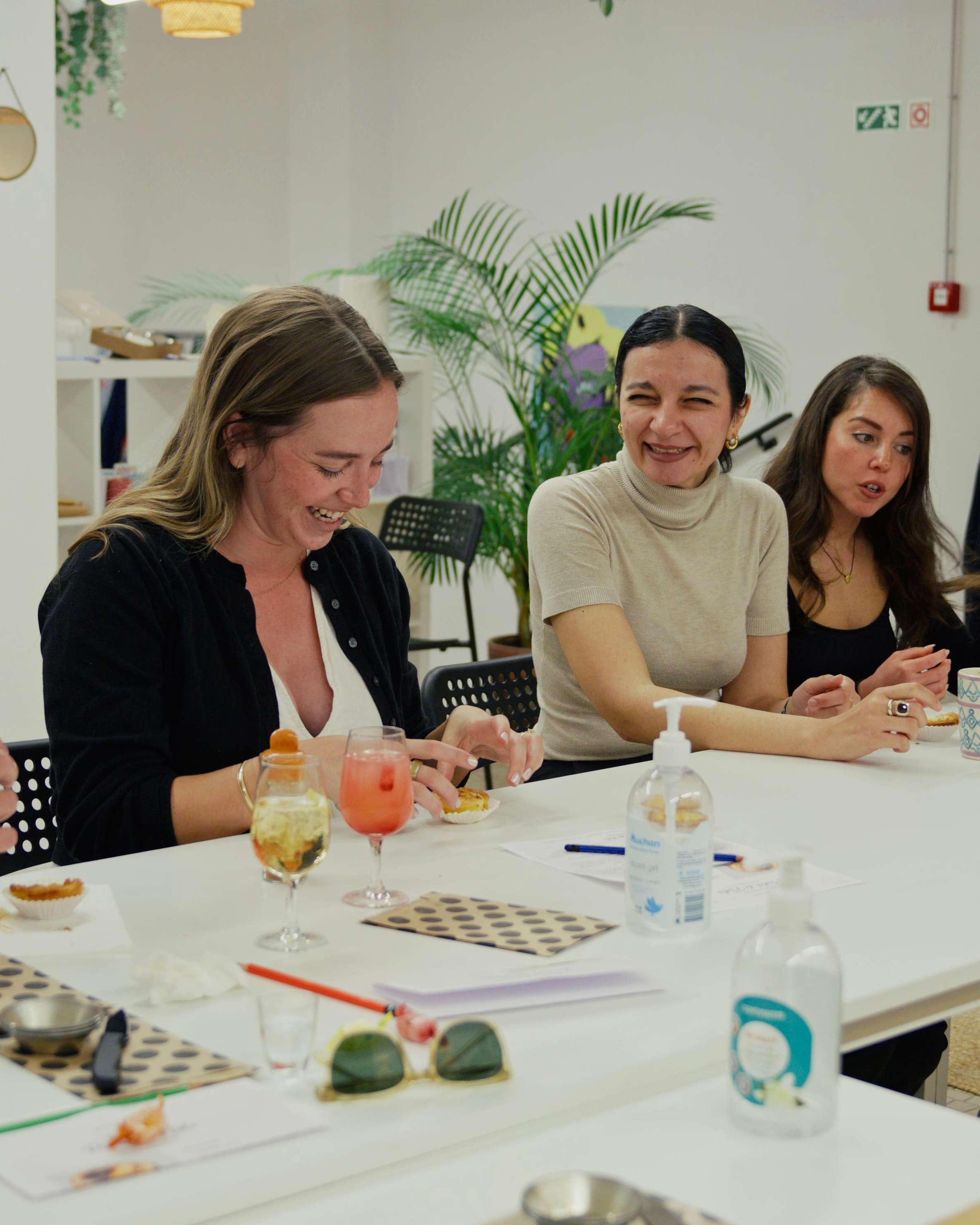
While the tarts bake, a glass of wine, Port wine or a mimosa is served, and the conversation turns to Porto food tips from a local. The moments below walk through the session from start to finish.
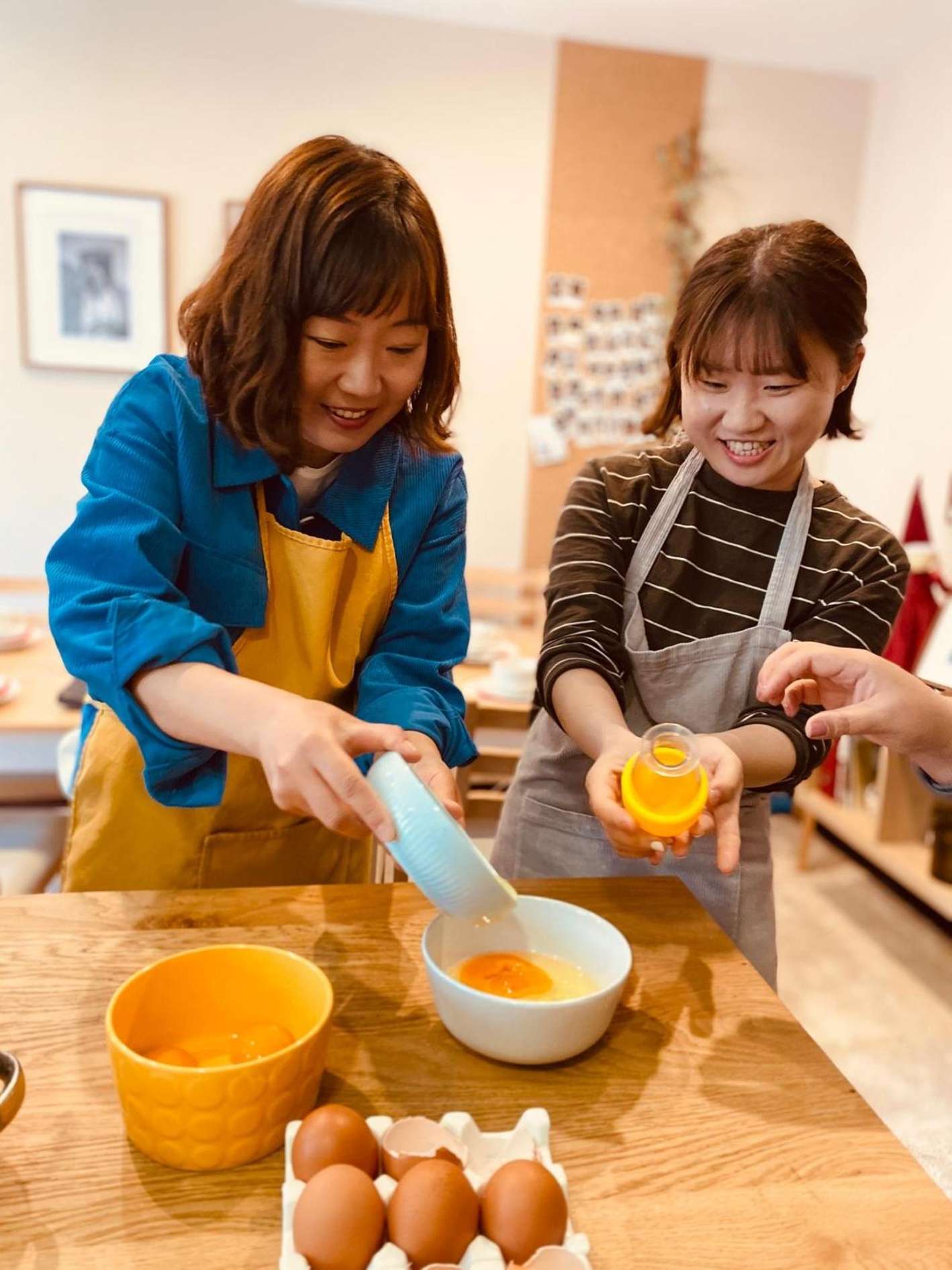
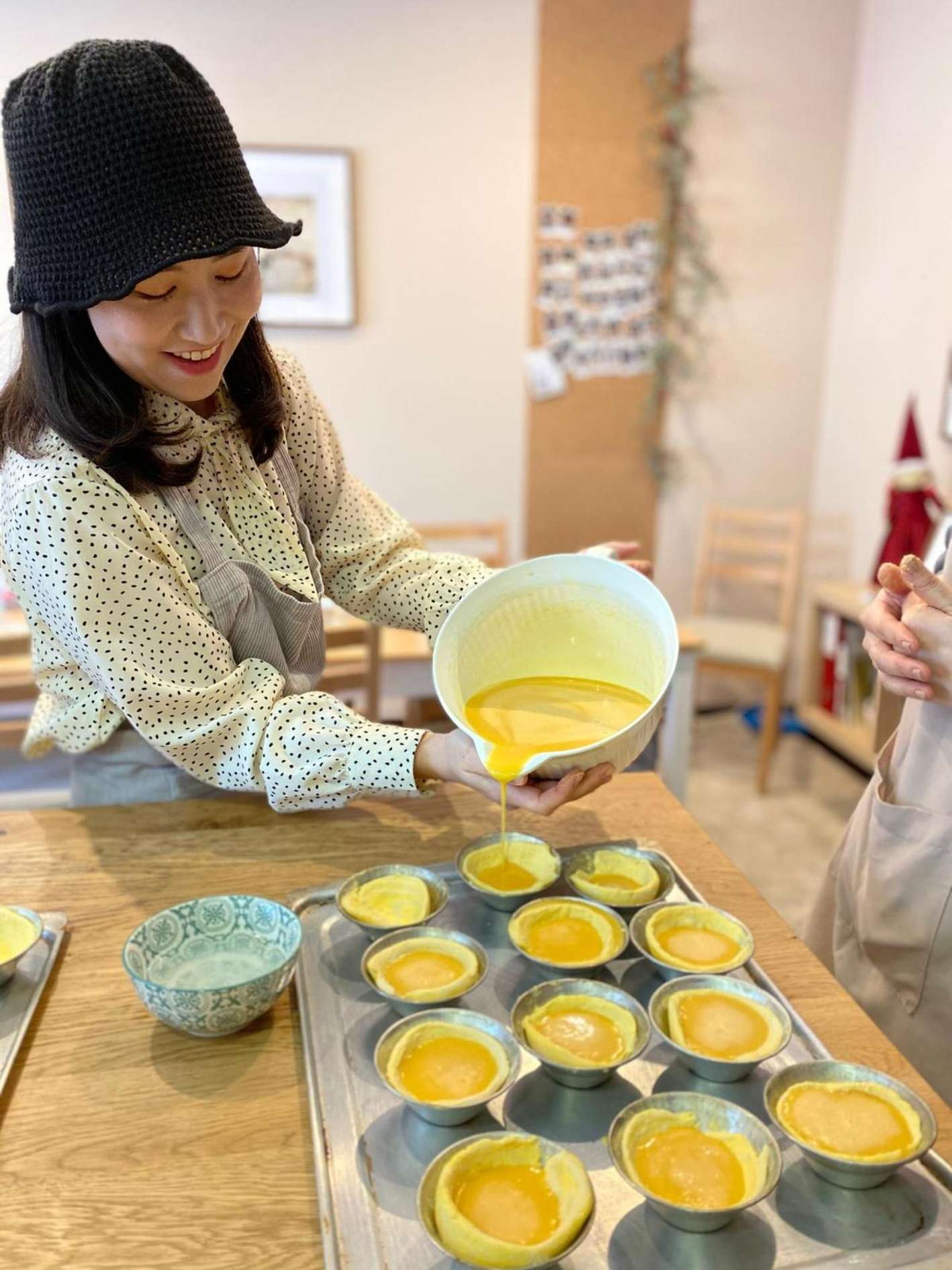
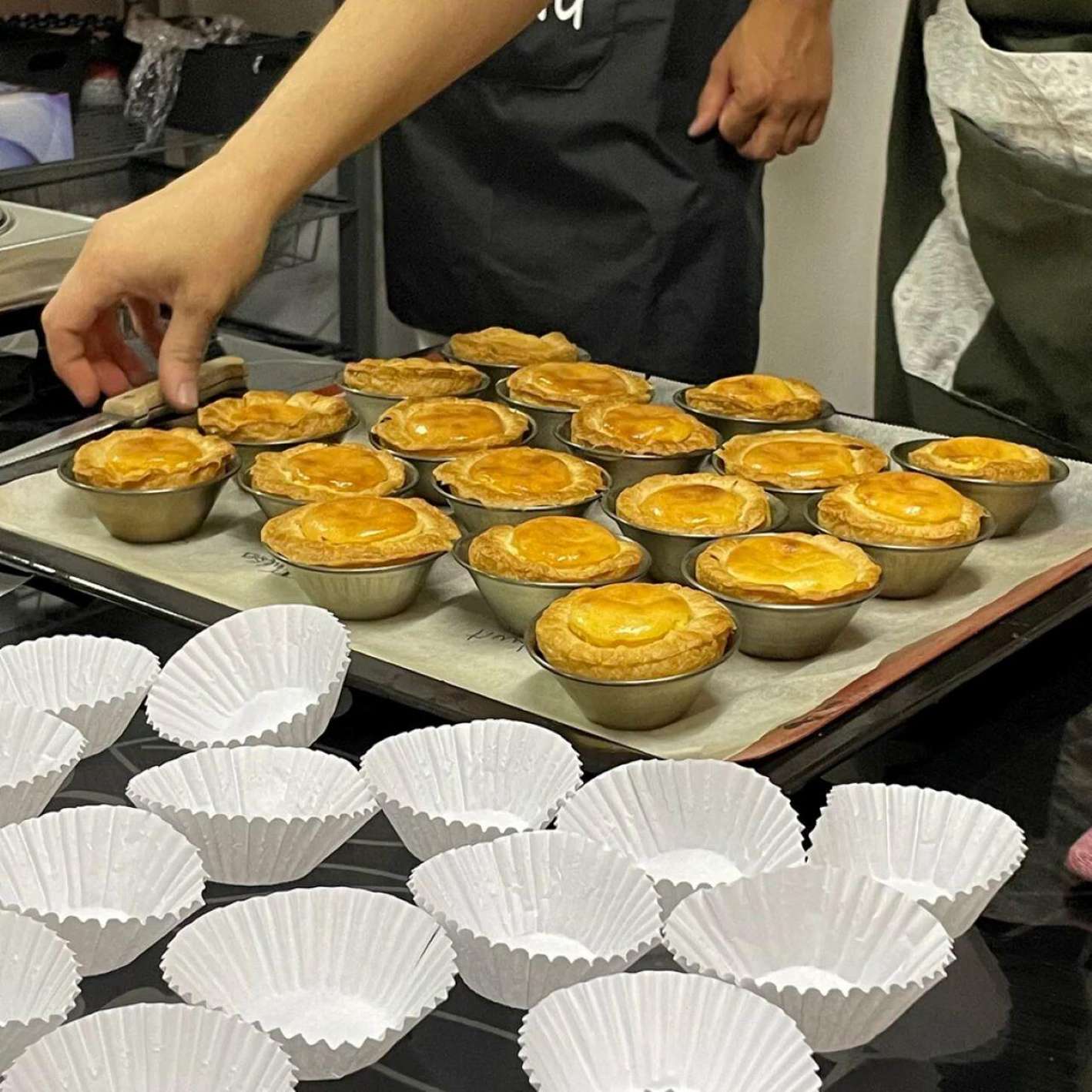
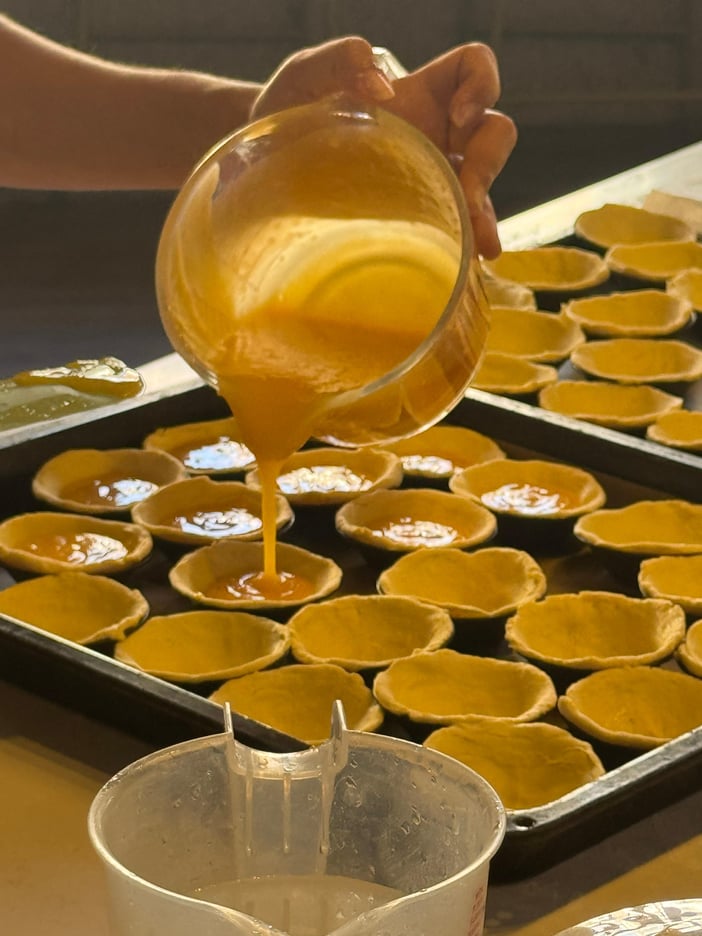
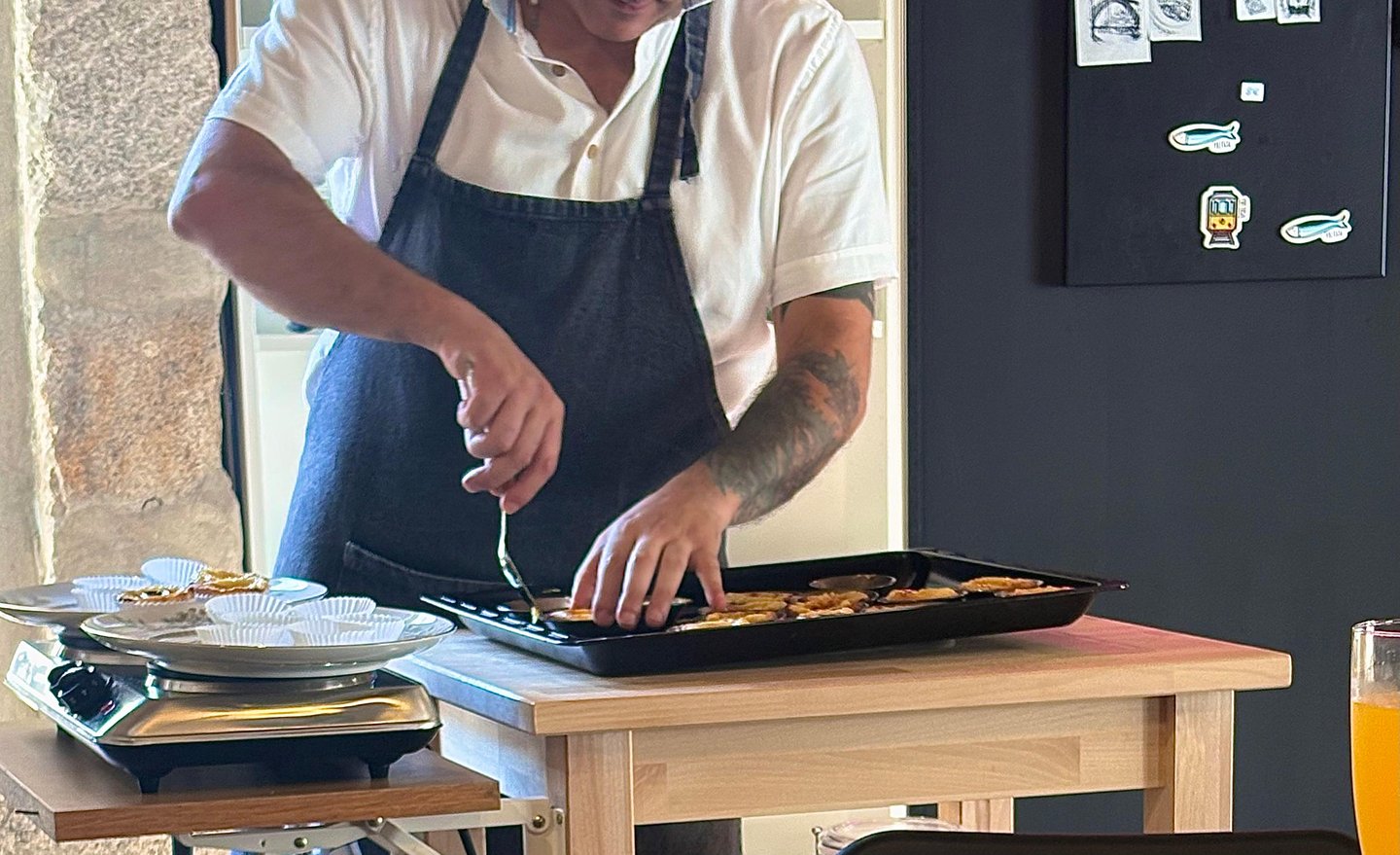
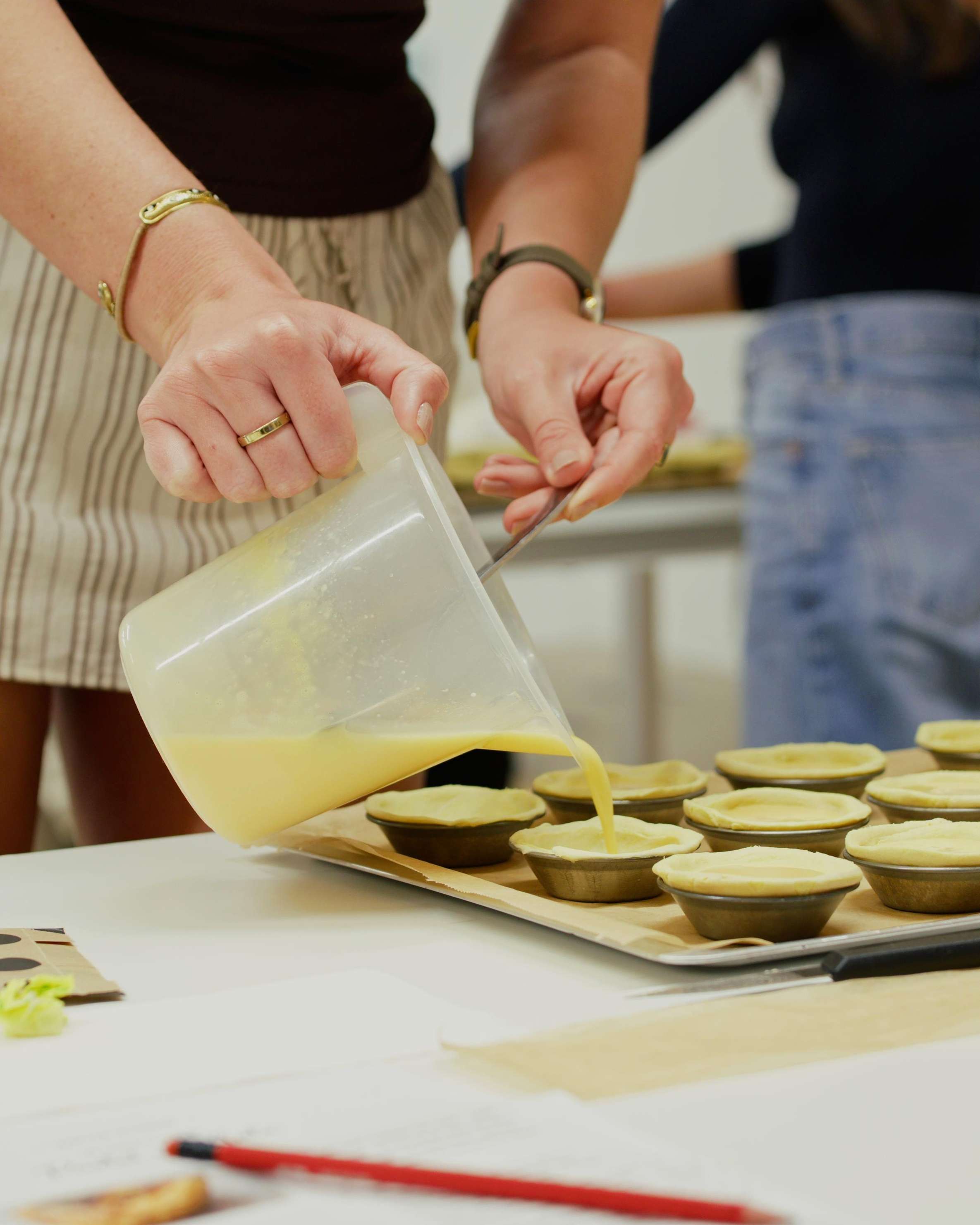
Stop 1Welcome and the recipe· 10 minYou arrive at the studio and meet your instructor, who explains the pastel de nata recipe and hands out the steps for the session.Stop 2Rolling the pastry· 25 minYou roll out the pastry dough and press it into the tins, working under step-by-step guidance with two teachers on hand.Stop 3Mixing the custard· 25 minYou make the egg custard filling, pour it into the pastry cases and slide the tarts into the oven.Stop 4Drinks while they bake· 20 minA glass of wine, Port wine or a mimosa is included, and the group swaps stories while the tarts bake.Stop 5Tasting warm from the oven· 10 minThe tarts come out crisp and hot, and you eat them fresh with your fellow bakers.
Included
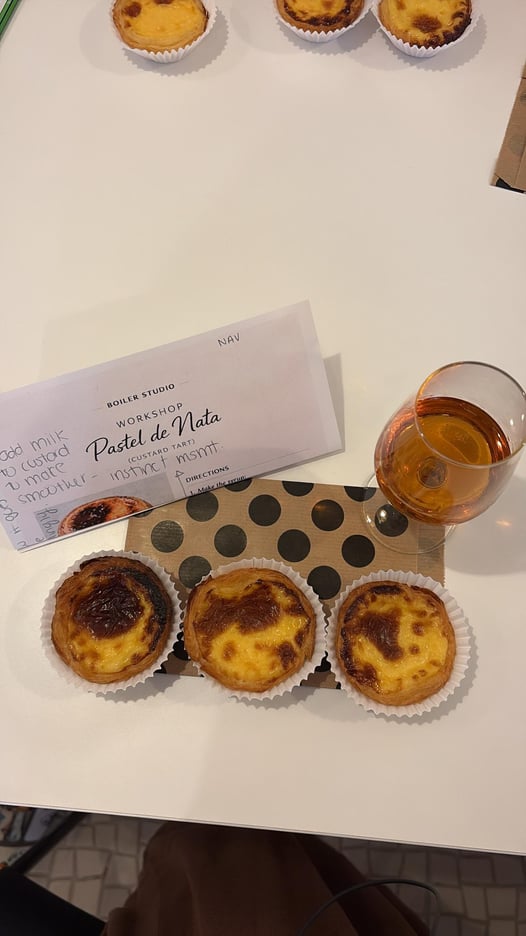
Pastry-making workshop1 glass of wine, Port wine, or a mimosa2 or more pastel de nata to take with you
Choose the date first, then the time slot. Sessions run 1.5 to 2.5 hours, so a morning class leaves your afternoon free. August and September are the busiest months, so book earlier there.
Pro tipBook your first day or two, so any tips your host gives you about restaurants and sights still work for the rest of the trip
RecommendedClasses run rain or shine, and July and August are dry, so plan the walk to the studio in the cooler morning hours
2. Choose the right option
Read the options before you pay. Some classes have two locations, one near the cathedral and one in Lapa, and durations differ. The from-scratch class takes 2.5 hours, while most workshops run 1.5 hours.
Common mistakePicking the nearest location without checking the list, because some studios sit in the Lapa district and others in the old center
Pro tipIf you want to make the laminated dough yourself rather than work with pre-made pastry, choose the class titled from scratch
3. Check the rules before you pay
Every class on this page has its own age and allergy rules. Some exclude children under 10 or 15, and one runs only for ages 15 and up. Vegan and gluten-free options exist on some classes, but only with advance notice.
ImportantIf you need a vegan, gluten-free or lactose-free version, request it when booking so the studio can prepare the right ingredients
ImportantYou must be 18 to drink alcohol in Portugal, and one class serves wine or Port only to adults over 21
4. Pay and read the voucher
After payment the voucher arrives by email with the meeting point and any instructions. None of these classes include hotel pickup, so check the address on the voucher against the metro lines early.
Pro tipCancel up to 24 hours in advance for a full refund, so a late flight or a changed plan costs you nothing
Common mistakeBooking the same day as your flight, because the 24-hour cancellation window is gone by then
5. Arrive early on the day
Plan to arrive ten minutes before the start time. Wear closed-toe shoes, since kitchens ban sandals and flip-flops, and wear clothes that can take a little flour.
ImportantAt one from-scratch class, the door closes at the start time and latecomers cannot join, reschedule or get a refund
Common mistakeBringing your own apron or tools, because the studios supply aprons, equipment and ingredients
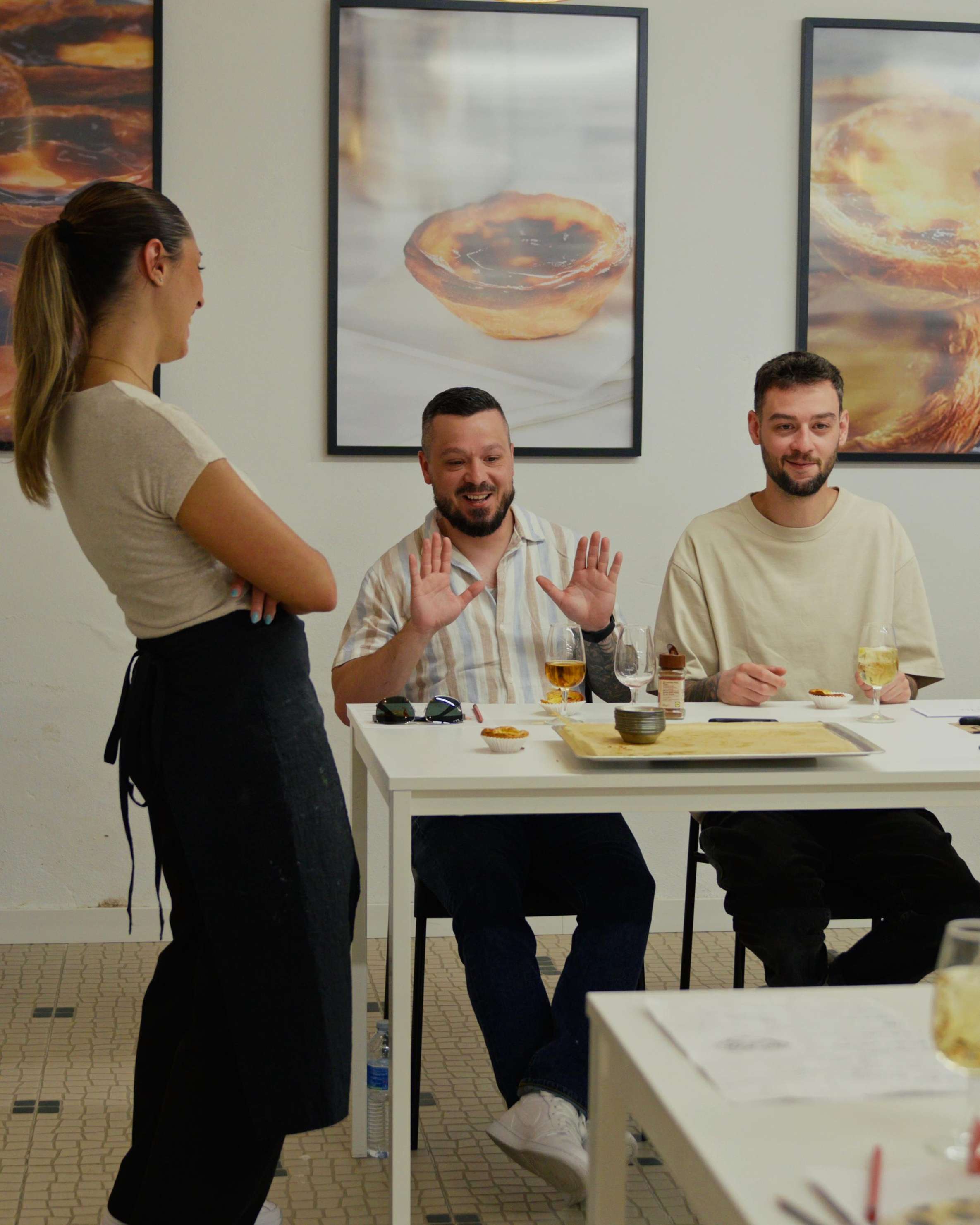
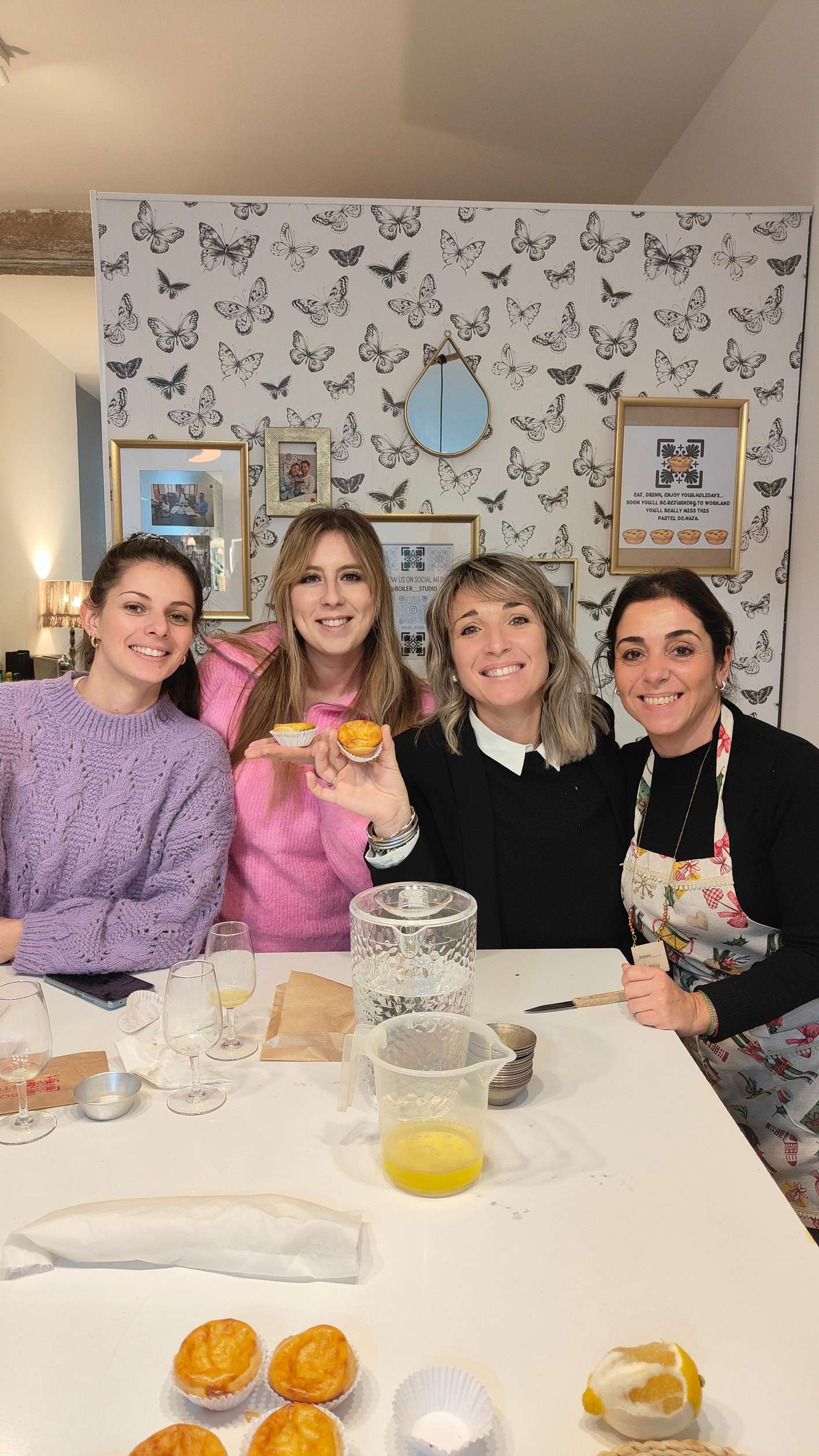
The hosts made the class feel like baking with friends, calling them welcoming, patient and funny.
Best surprise
Many reviewers came expecting a lesson and left with new friends they kept meeting up with after class.
Most common wish
Several reviewers wish they had taken the class earlier in their trip, so they could use the food tips longer.
Bake pastéis de nata in a Porto family kitchen
tarts come out of the oven warm, with non-alcoholic drinks for everyone
A grandmother's own recipe, a local's home kitchen, and two hours of mixing, rolling and baking everything from scratch. You sit down at the end with drinks and tarts straight from the oven.
This class takes place in your host's home, where you hear the family story behind the recipe while you bake. It suits travelers who want a relaxed, personal welcome, something the bigger studio workshops in Porto cannot match.
Everything from scratchYou follow a recipe that has belonged to your host's grandmother for years, mixing and shaping the pastry yourself.
Loved by nearly 2,000 guestsThis class holds a perfect five-star rating across almost 2,000 reviews, and drinks and pastries are included.
Easy to change plansCancel up to 24 hours before the class for a full refund, so booking a date costs nothing to hold.
Seats in a home kitchen are few, so pick your date and cancel free if plans change.
What to know before you book a pastel de nata class
cold hands keep the butter from melting
Can stop the dayGood to knowGood news
01
ChoosingWhat it is, who it suits, when to go
6
How hands-on
Porto's hands-on workshops have you roll out the dough, shape it into metal tins and, in from-scratch classes, fold the butter yourself. In an observational demonstration you only watch the instructor prepare and roll the dough.
Working together
Classes run as cooperative team efforts where participants take turns working on the steps of the recipe. Some workshops let you ask for a private session if you want every stage to yourself.
Drinks
Workshops include non-alcoholic choices like juice, water, coffee or tea alongside the wine offerings, so nobody has to drink alcohol to join in.
Baking at home
Recipes come with the class, and your home oven can manage the trick: aim for at least 250°C (482°F), use the fan setting, and check the tarts from halfway through. A baking steel or preheated sheet on the bottom shelf crisps the base.
Recipe
You leave with the recipe, printed or digital, so you can bake the tarts at home. Some instructors also suggest flour brands available outside Portugal.
Drinks
Every class includes something to drink: Port wine, cocktails, or local wine for adults, and coffee, tea, juice, or water for everyone. One host family pours wine or Port during the tasting for adults and keeps conversation going while the tarts bake.
02
BookingHow far ahead, and what happens if plans change
1
Cancellation
You can cancel up to 24 hours in advance for a full refund, so a change of plans costs nothing.
03
Before you goPapers, health, what to bring
2
Age limitsCan stop the day
Minimum ages differ by class: one workshop excludes children under 10, another excludes children aged 8 and younger, and a third excludes children under 15. Wine or Port goes to adults; the legal drinking age in Portugal is 18, though one operator serves it from 21.
Takeaway box
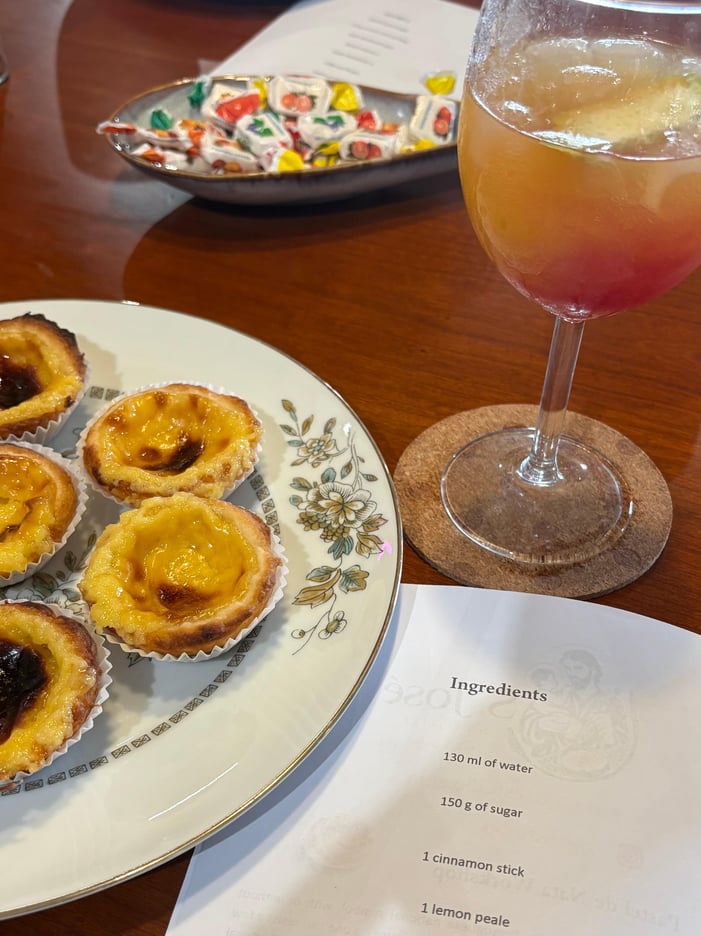
A standard workshop bakes about 5 tarts per person. You eat around 3 fresh in class and pack 2 to 3 to take home in the box provided. Most studios supply the box.
04
On the dayWhere to be, when, and how you get there
1
Late arrivalCan stop the day
At some workshops the doors close at the scheduled start time, and late entry is not permitted with no rescheduling or refund. At other studios, staff will try to fit late arrivals in if it does not disrupt the group.
05
During the tourWhat is expected of you
2
Footwear
Cooking workshops across Porto mandate flat, closed-toe shoes. Sandals, flip-flops and open-toed footwear stay out of the kitchen under Portuguese food hygiene rules.
Tipping
Tipping is not mandatory in Portugal, and your hosts do not expect it. Rounding up or leaving small change is appreciated if you want to.
A traveler's guide to pastel de nata baking classes in Porto
cold hands keep the butter in place
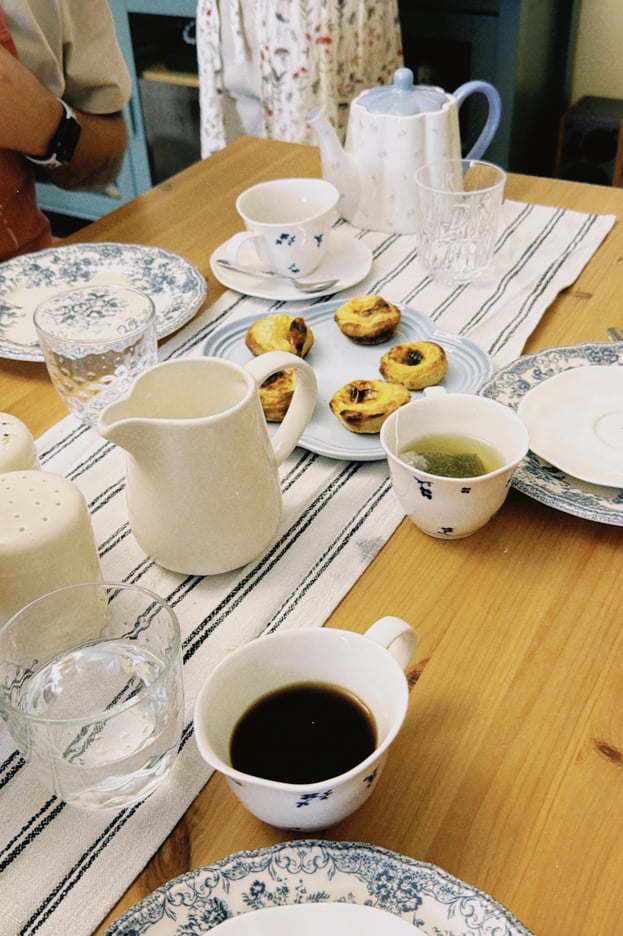
A pastel de nata from your own oven tray tastes different from one off a bakery shelf: crisp shell, trembling custard, still warm. Here you will find which class suits your day, when to book it, and what to check before you pay.
Porto· 41.15° N, 8.61° W
If you only remember three things
1
Standard sessions run 1.5 to 2 hours; classes that make the dough from scratch take about 2.5 hours.
2
Cancel up to 24 hours ahead for a full refund, but some studios lock the doors at start time, so arrive ten minutes early.
3
You typically bake about 5 tarts per person: eat 3 fresh, take 2 to 3 home in the box provided.
Is a pastel de nata class worth it if you'll eat tarts anyway?
The bell rings at Manteigaria and a fresh batch comes out of the oven, and that alone satisfies plenty of visitors. If eating excellent tarts is the whole goal, a day of bakery visits delivers it. You stand at the counter, snap a flaky shell, decide whether to add cinnamon, and move on happy.
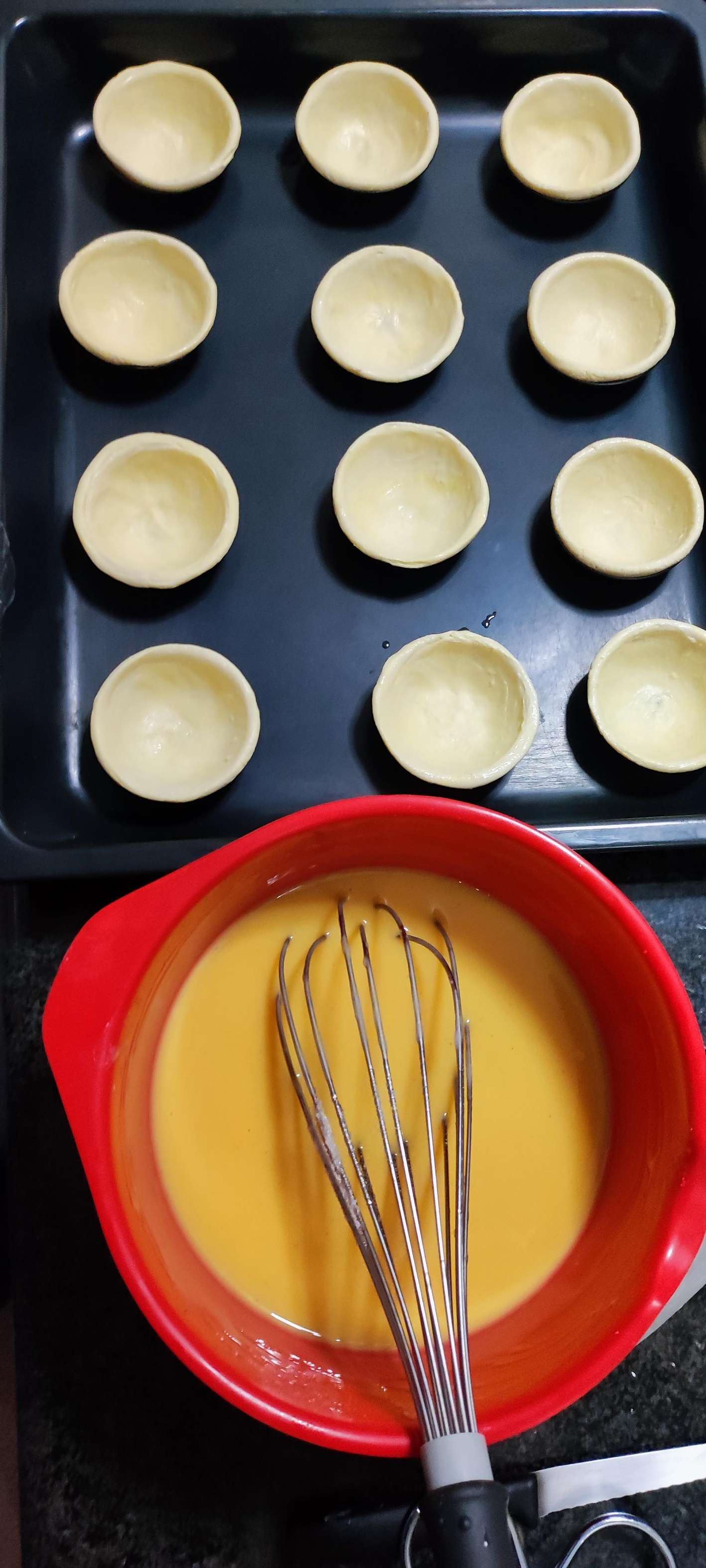
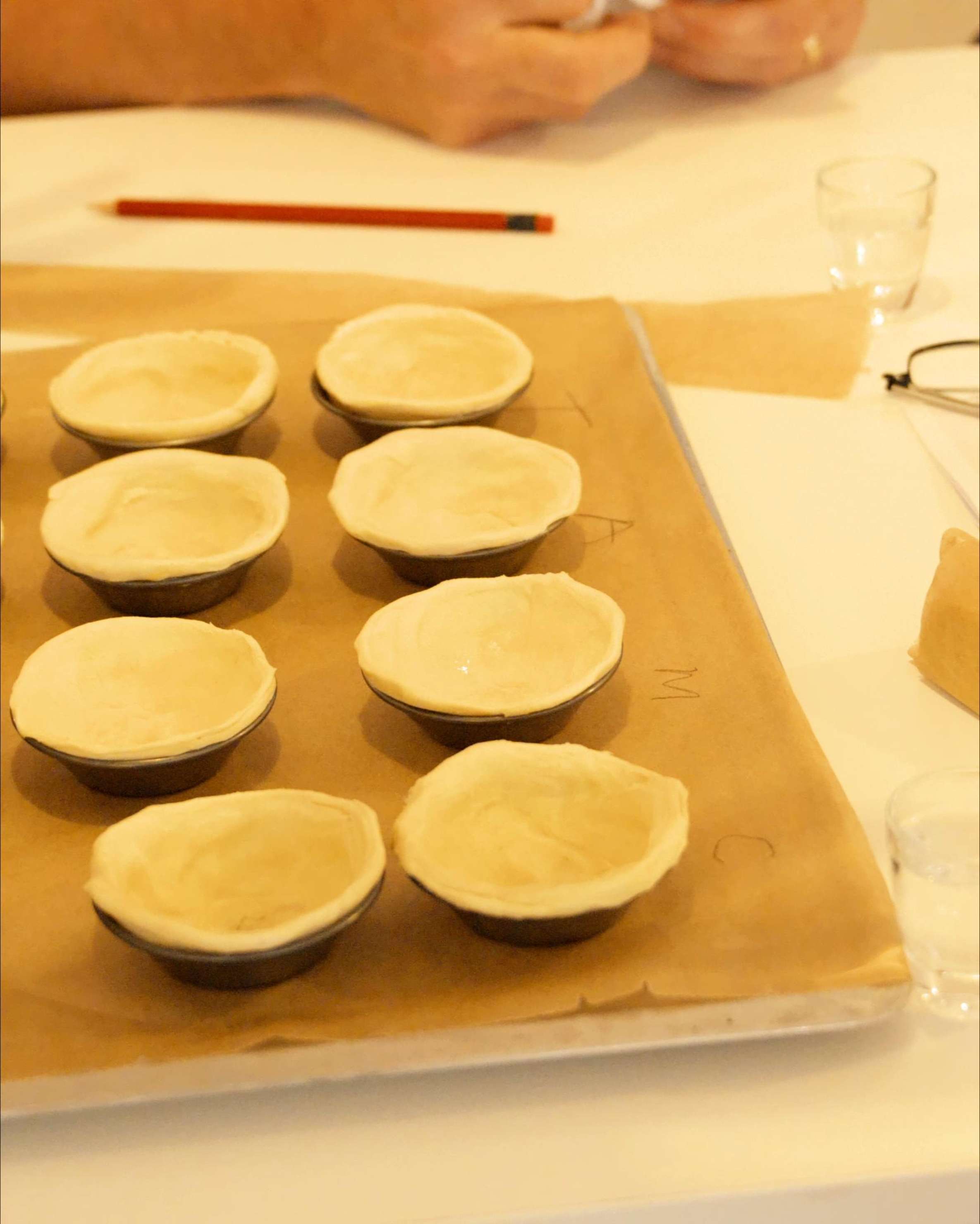
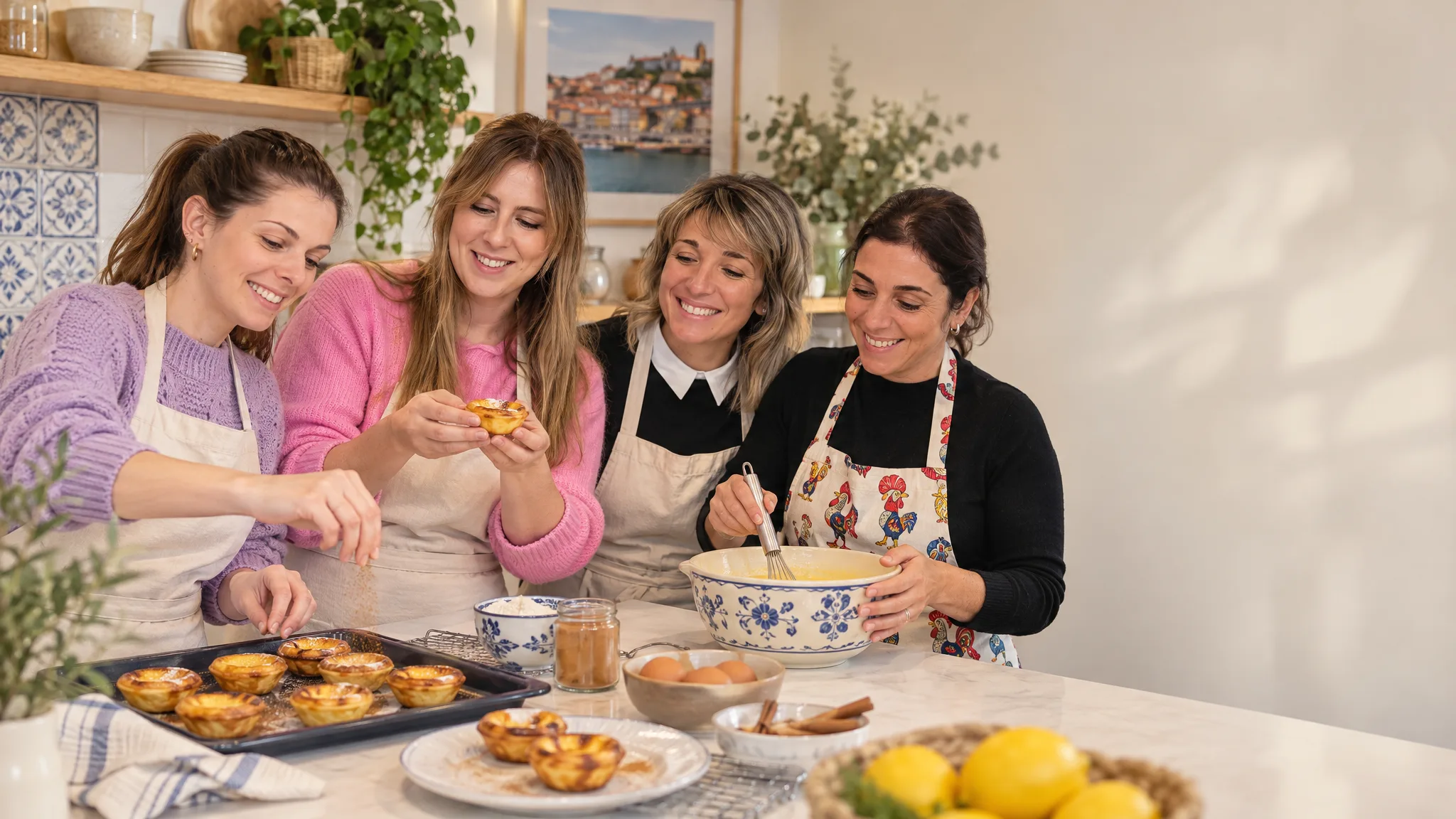
A class works differently. You roll the dough, press it into the flared metal tins, pour the custard, and pull the batch out yourself.
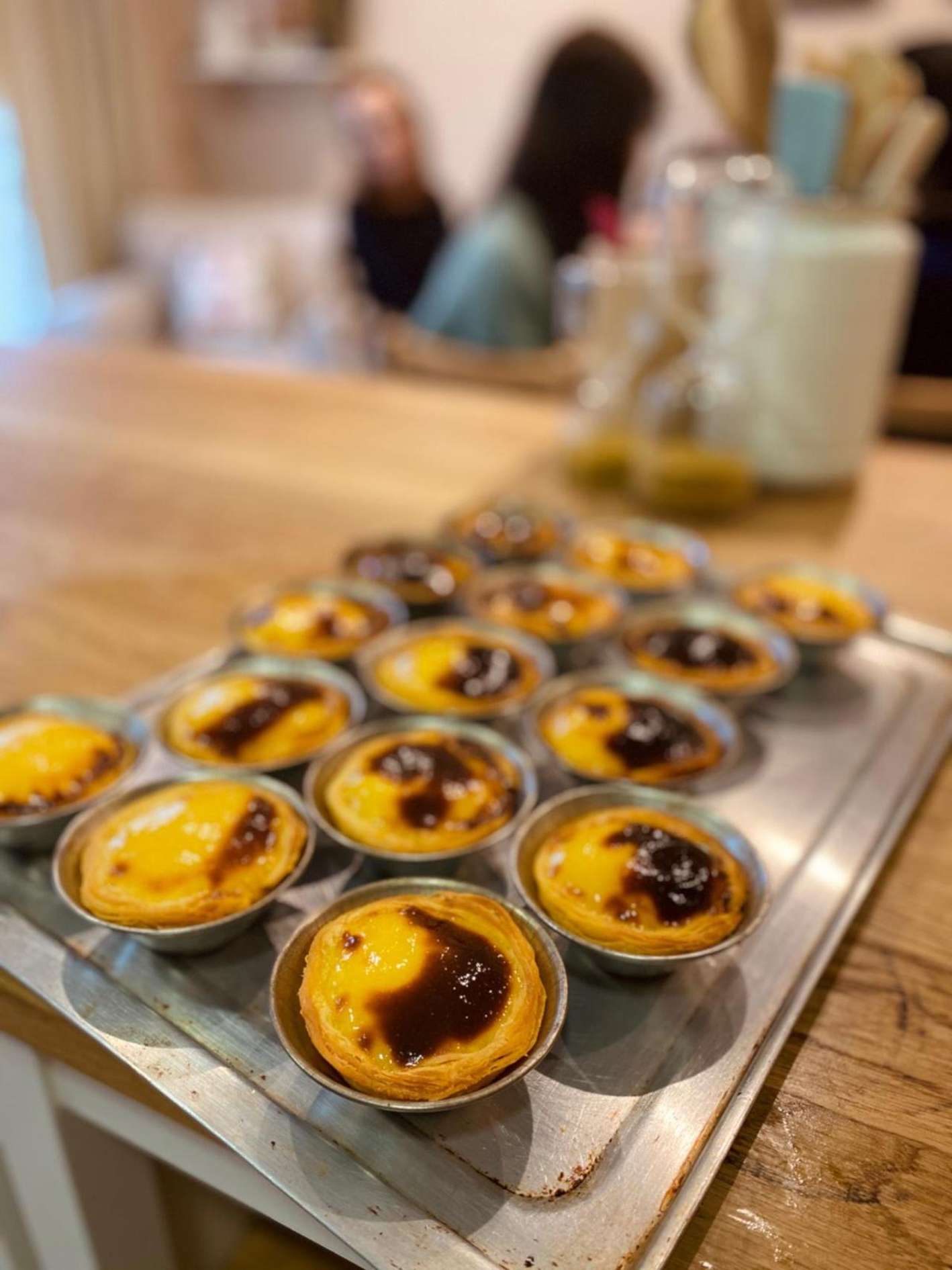
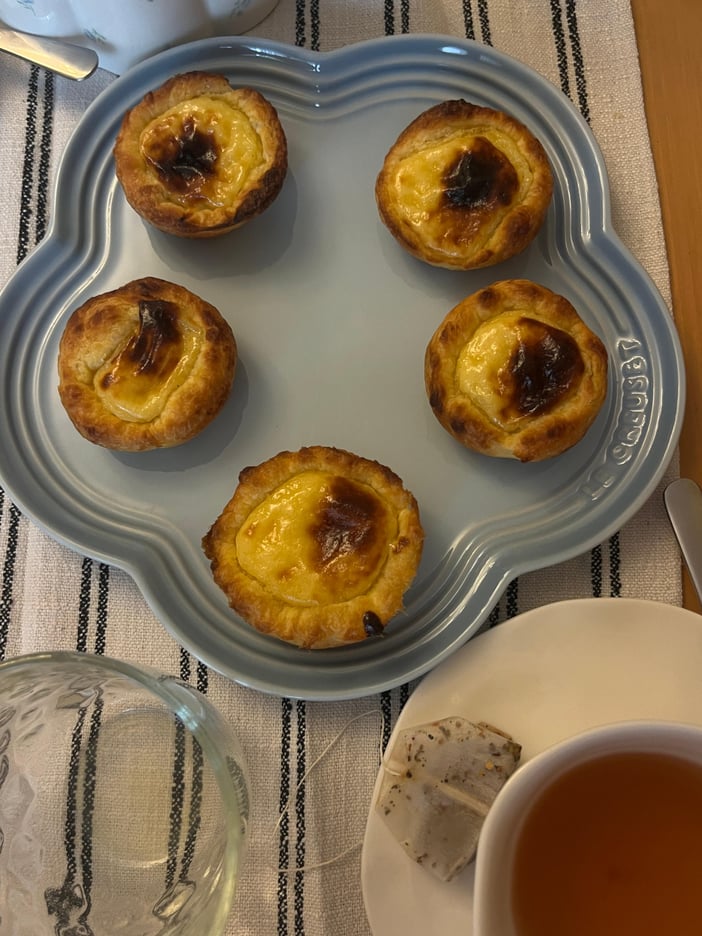
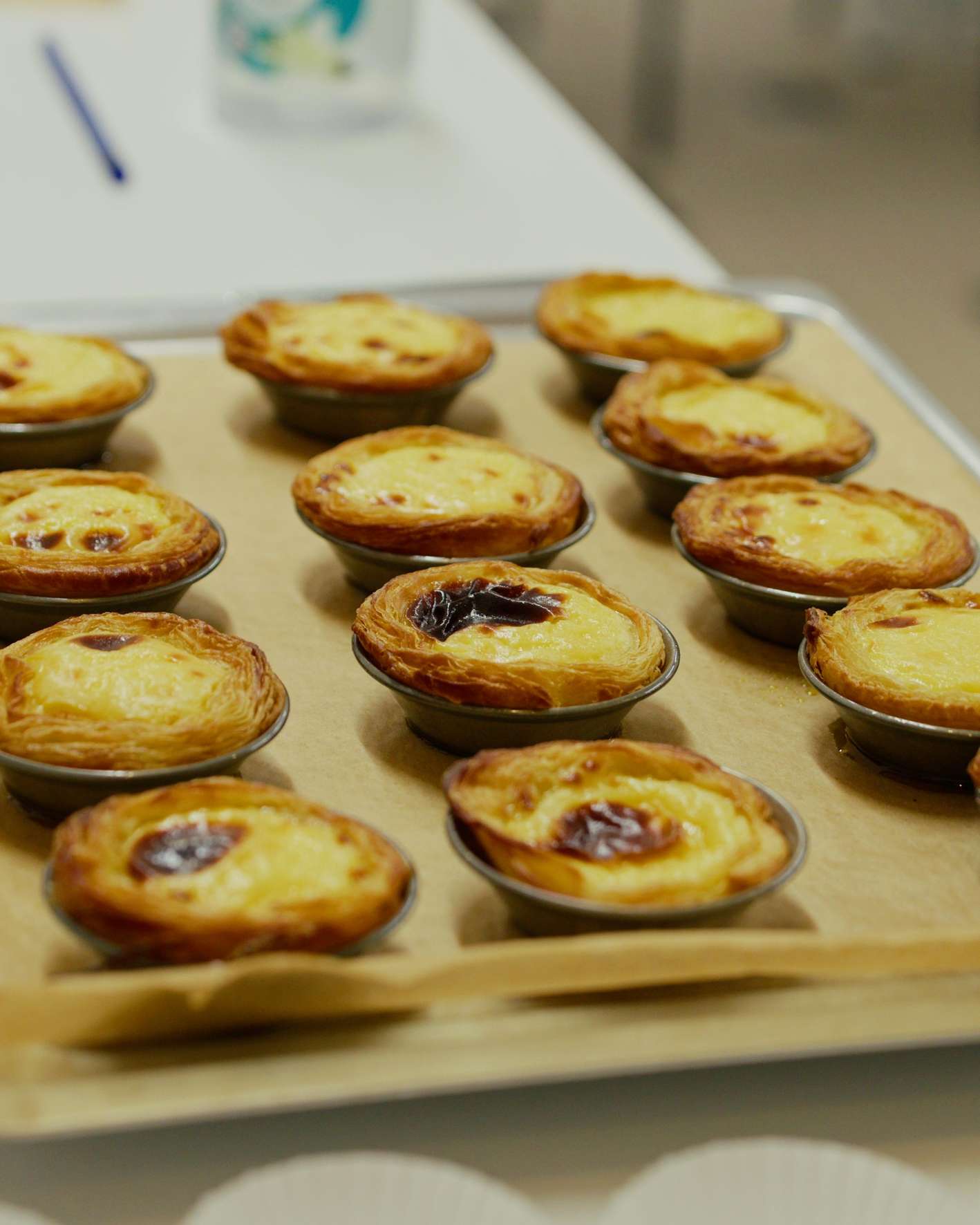
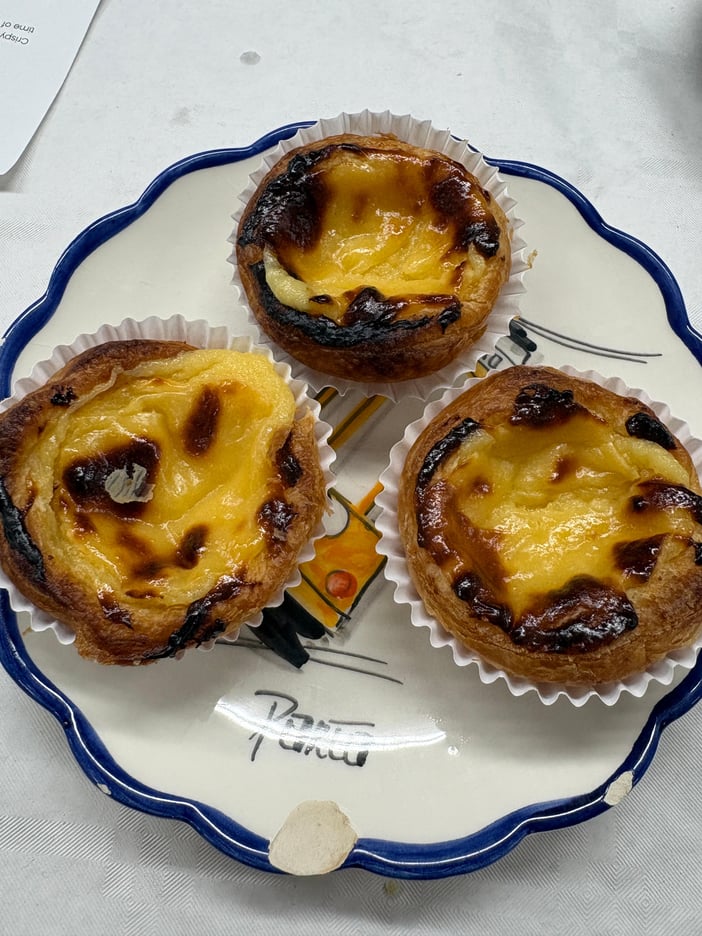
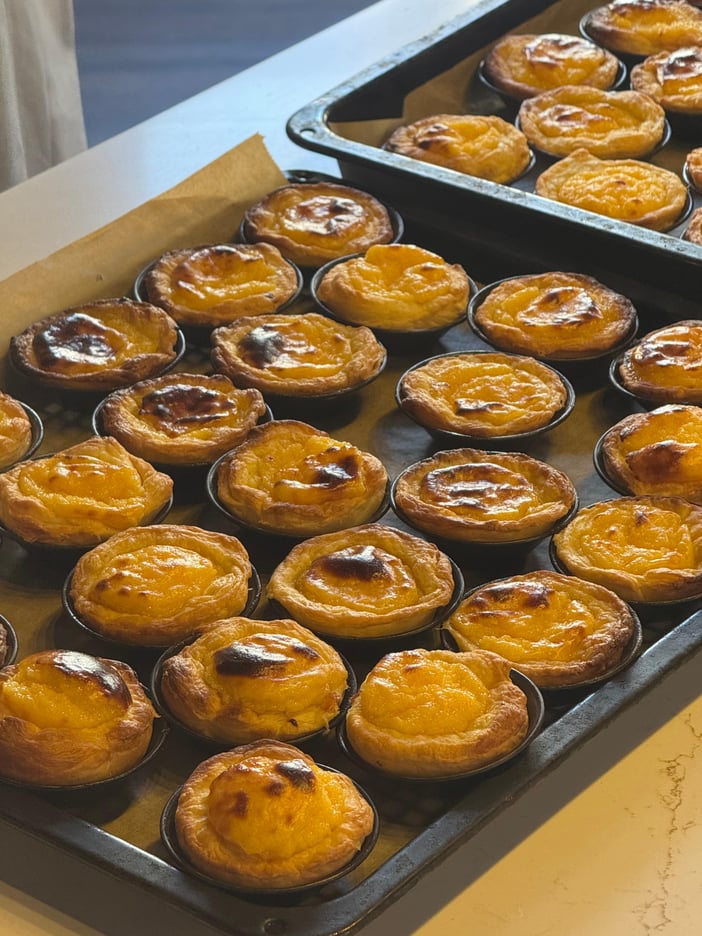
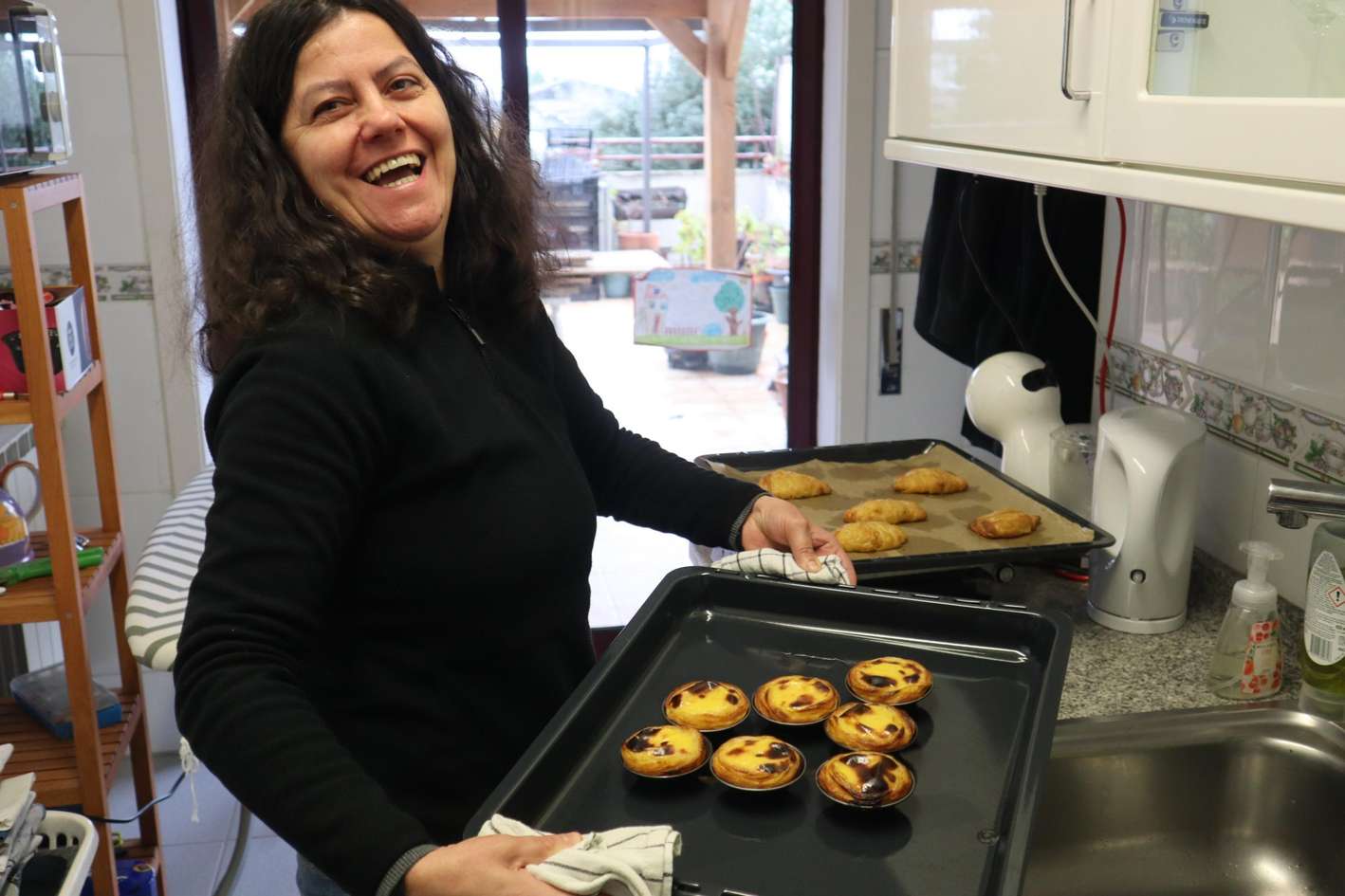
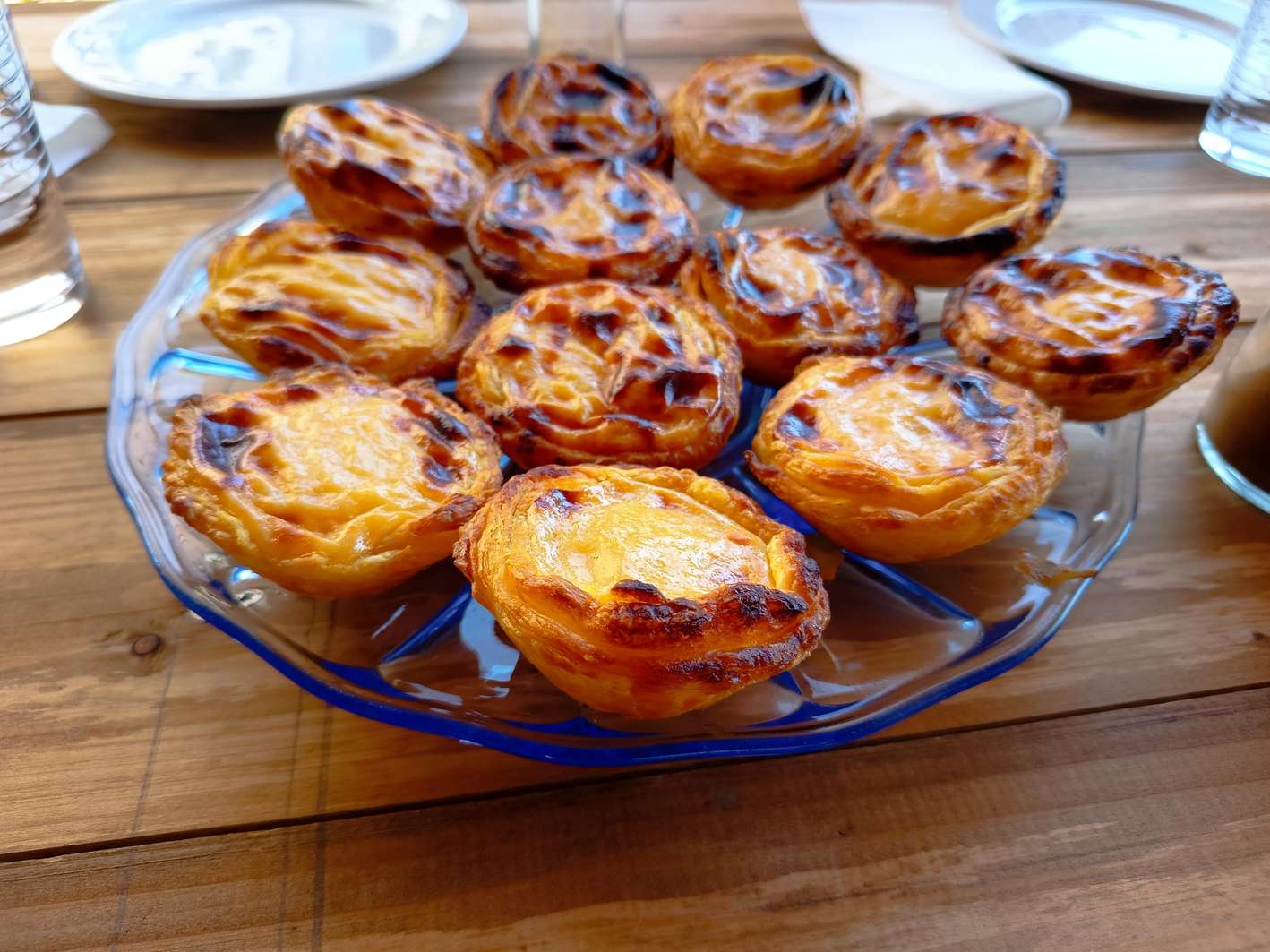
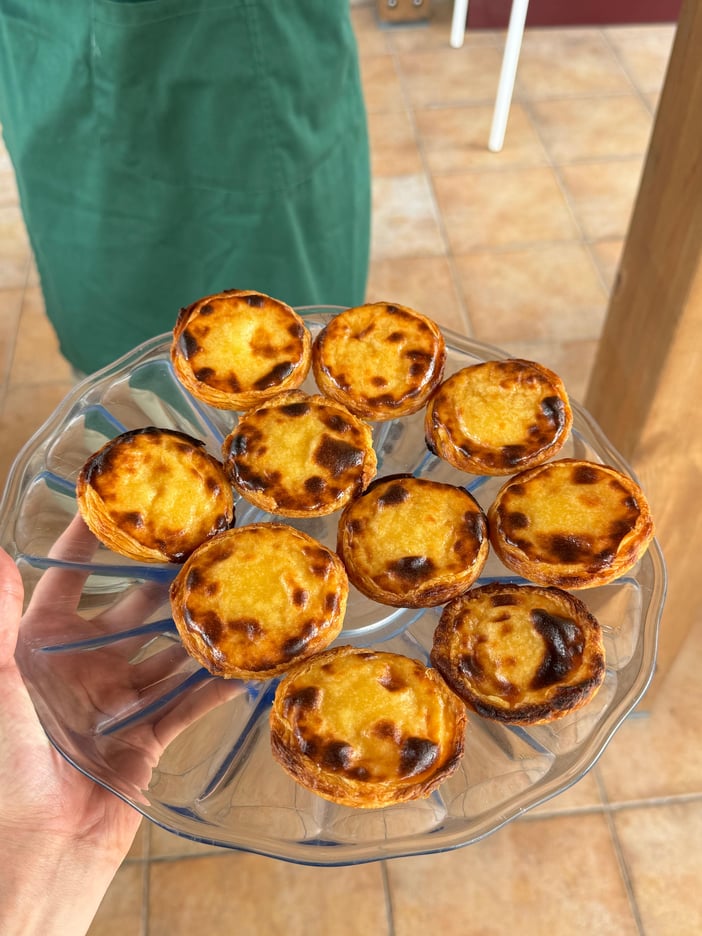
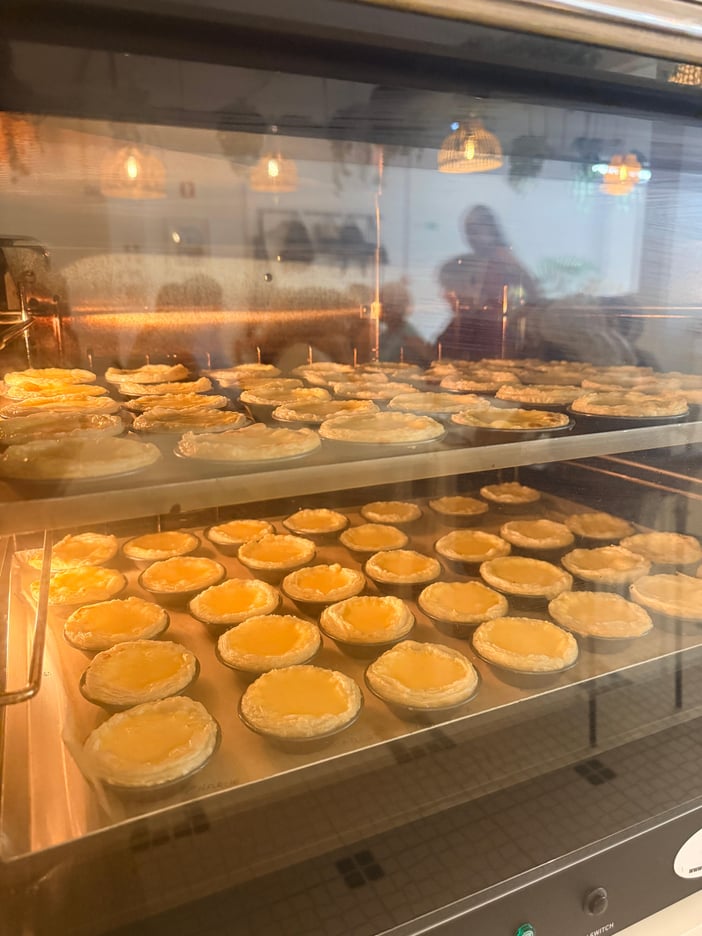
The tart that comes out of your own oven is warm in a way no display case can manage. The pastry cracks on the first bite because the layers have not had time to soften.
Travelers who book a class usually keep the bakery visits too: the class teaches the technique, and the shops show how the professionals do it. Both together make the better visit.
Class myths, sorted
MythA class is just a slow way to get tarts
Reality
You bake the tarts yourself and learn the technique, which is a different experience from buying them
MythWorkshops are passive demonstrations
Reality
Hands-on workshops have you roll out the dough, shape it into the metal tins and pour the custard
MythPuff pastry is too technical for beginners
Reality
Instructors break the work into small steps, and a demonstration before you try gives you a reference
One practical check settles whether the class adds anything to your trip: think about what you want to carry home. Eating leaves you nothing but memories; baking leaves you a recipe card and a box.
Tour for this
Porto: Pastel de Nata Cooking Class with Grandma's Recipe5.0★ (1,938) · 2 hours · Free cancellation
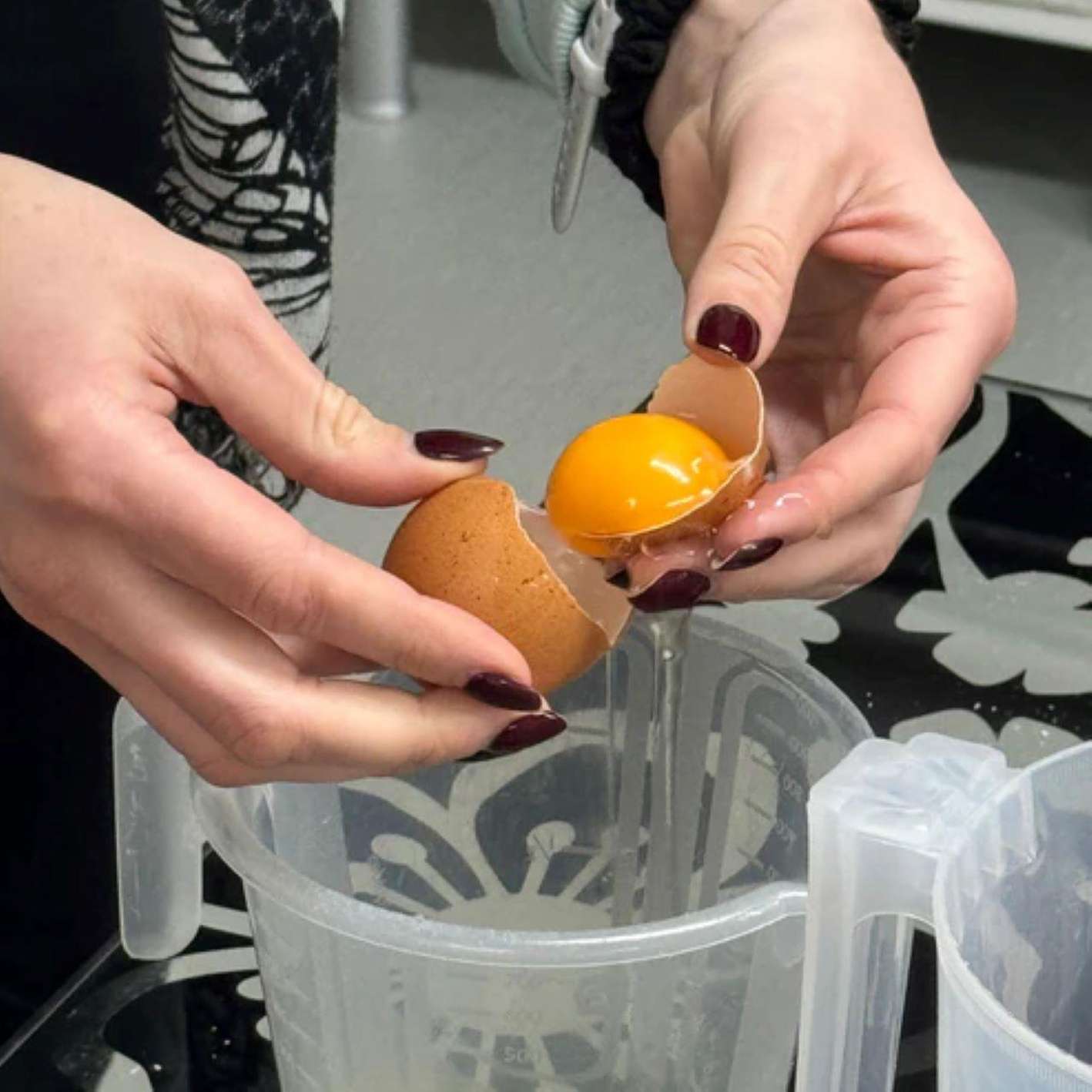
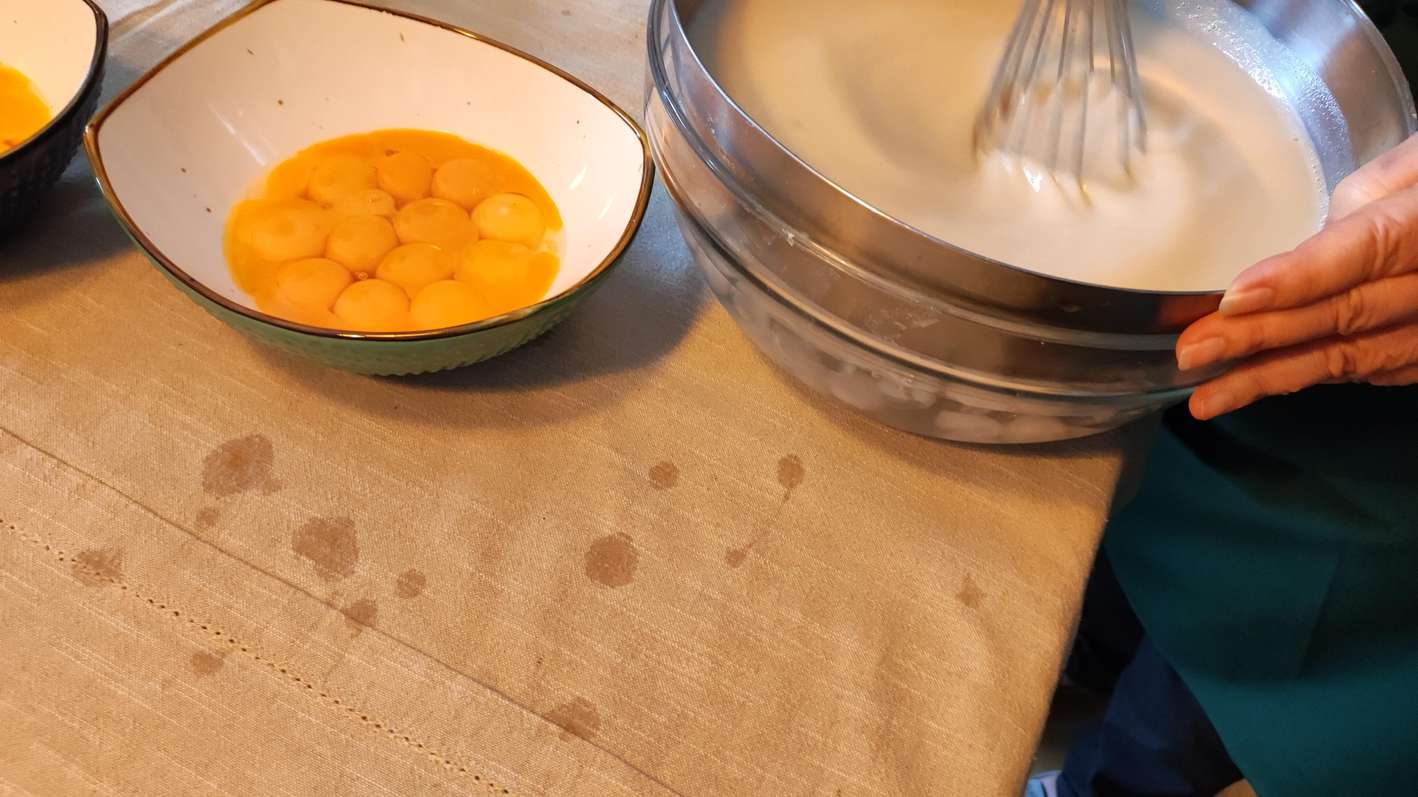
The host starts with the story, because the tarts have one: Portuguese convents used egg whites to starch habits and clarify wine, and the surplus yolks became sweets rather than waste. Then the aprons go on and the work begins.
You weigh ingredients, mix the custard, and shape the pastry.
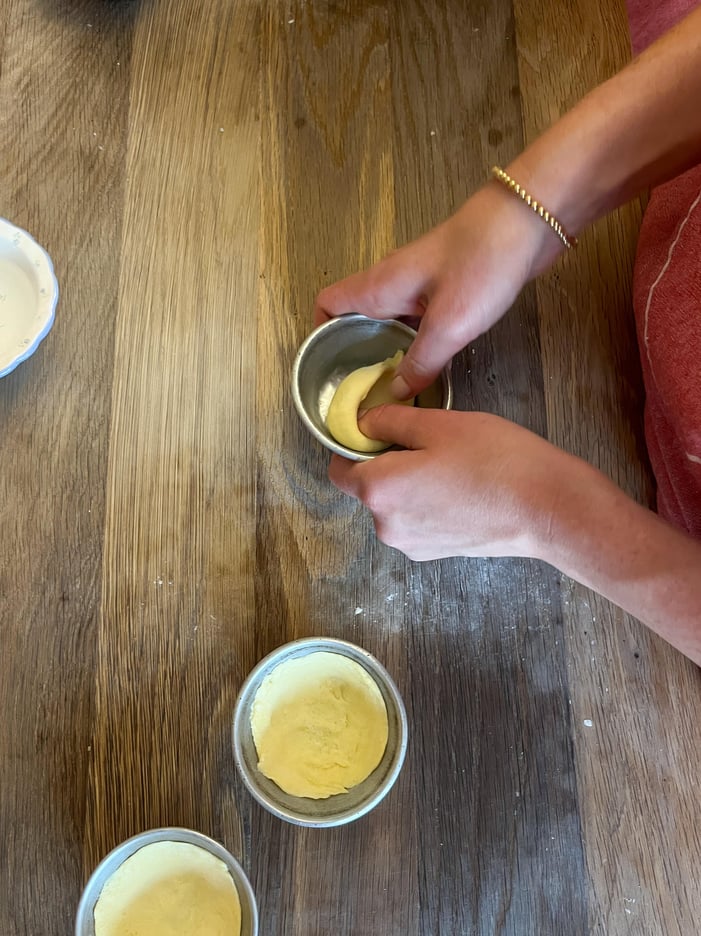
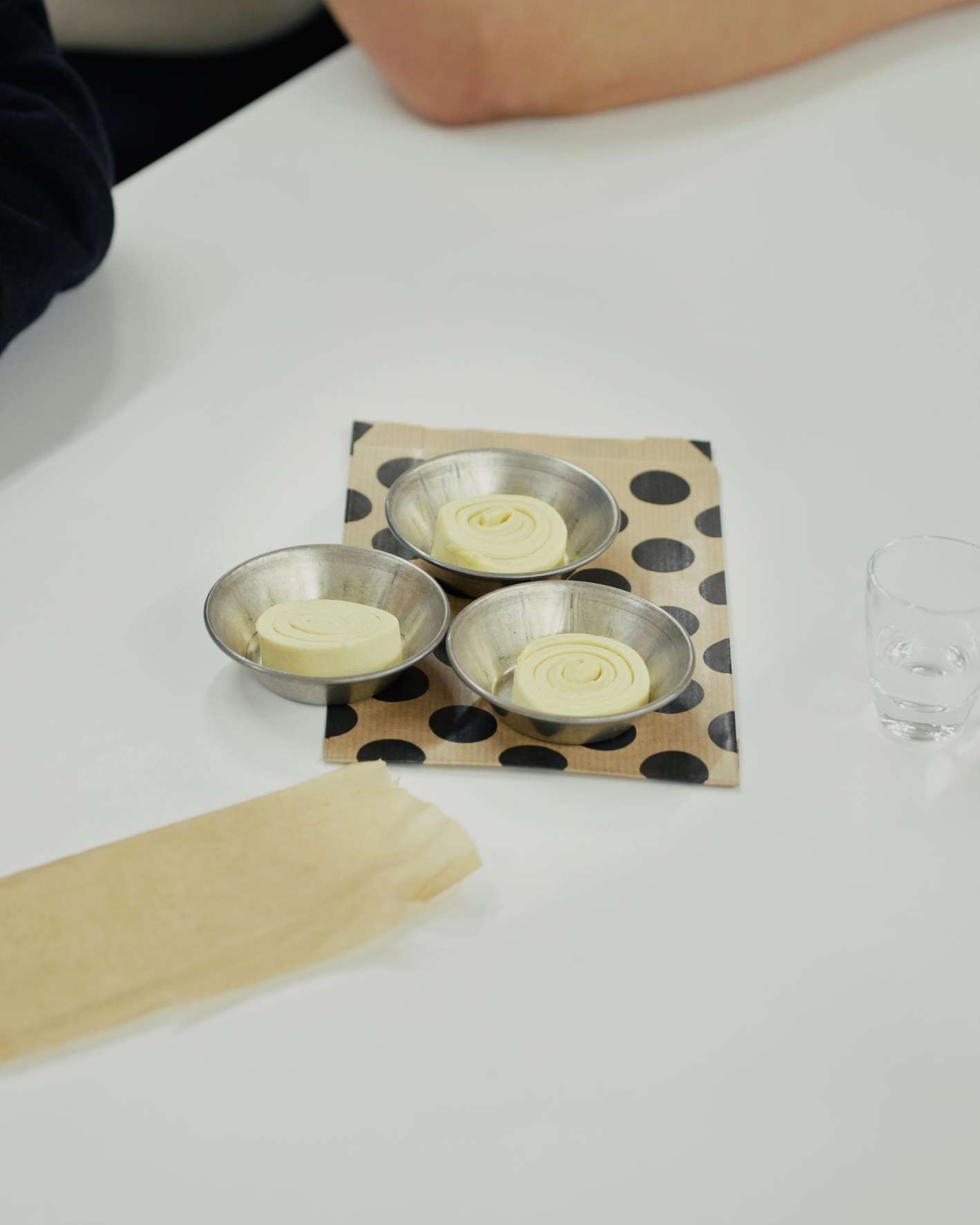
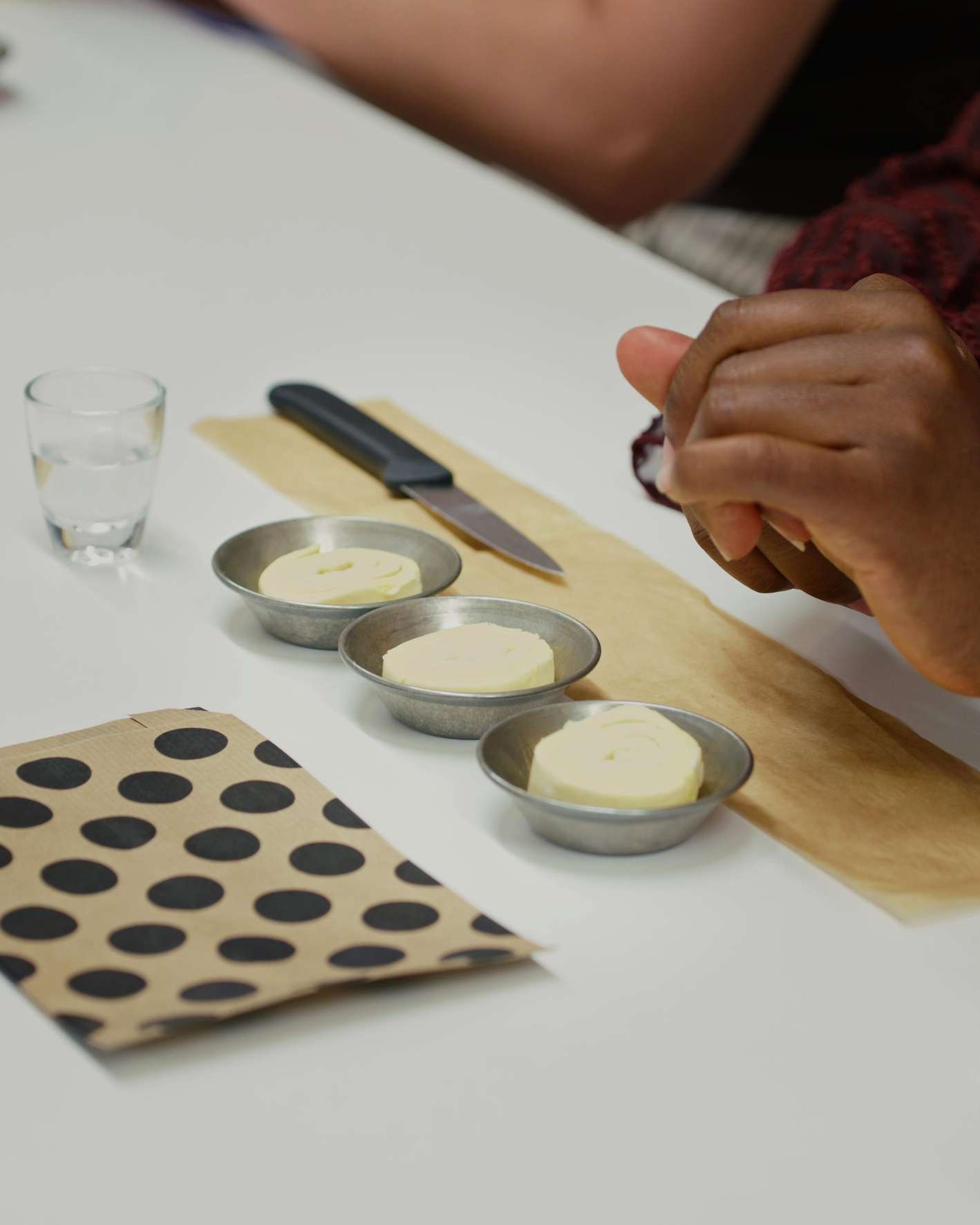
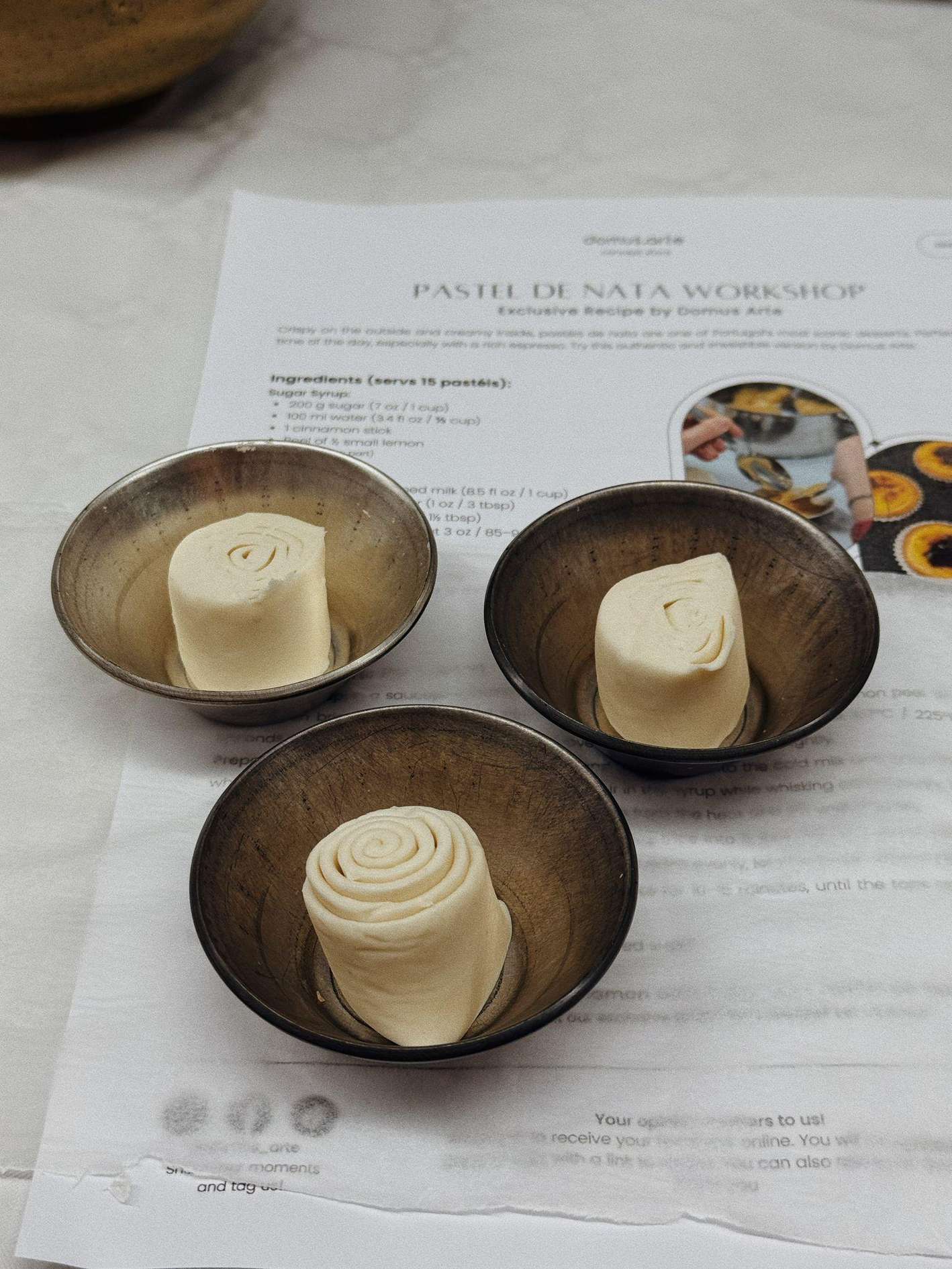
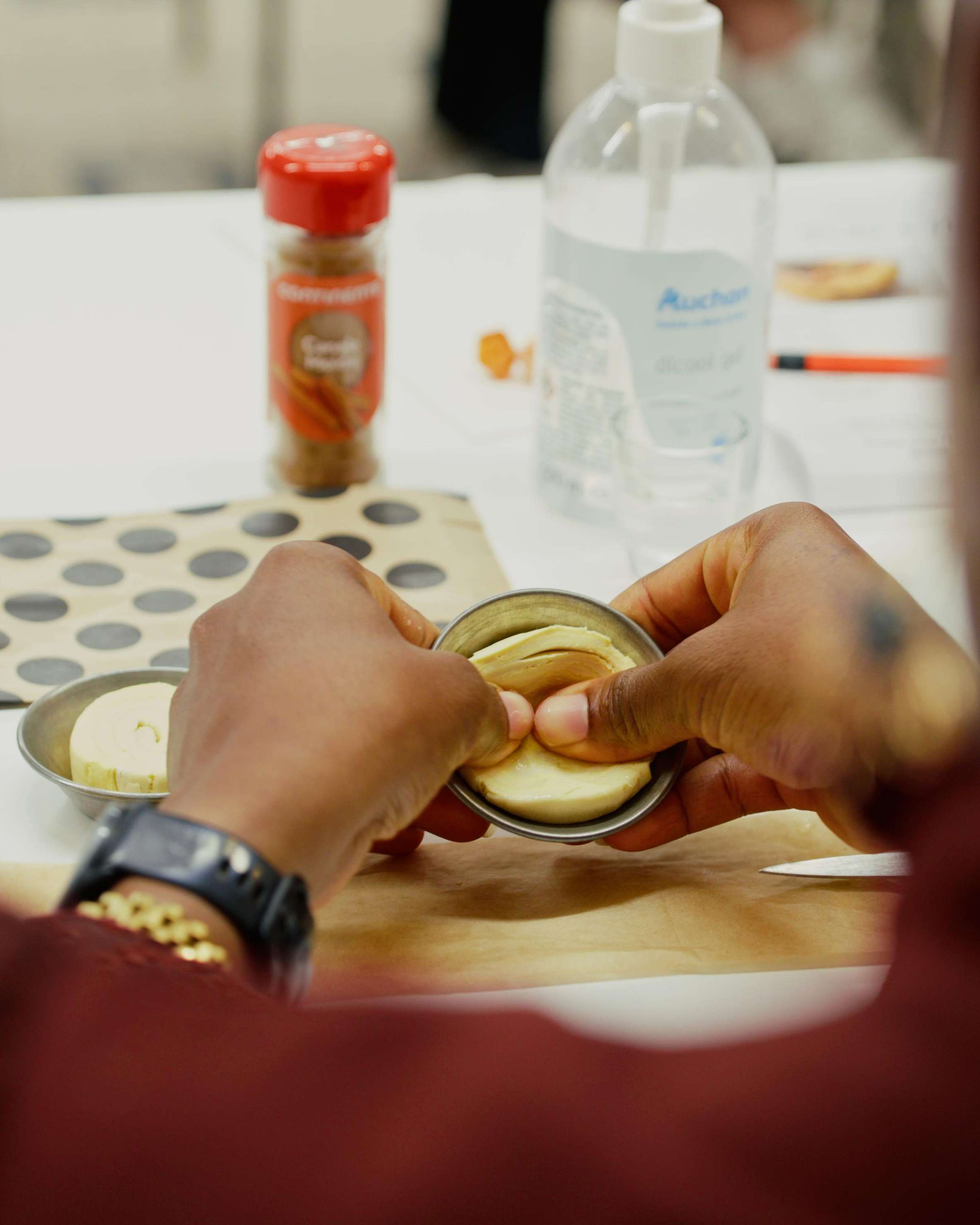
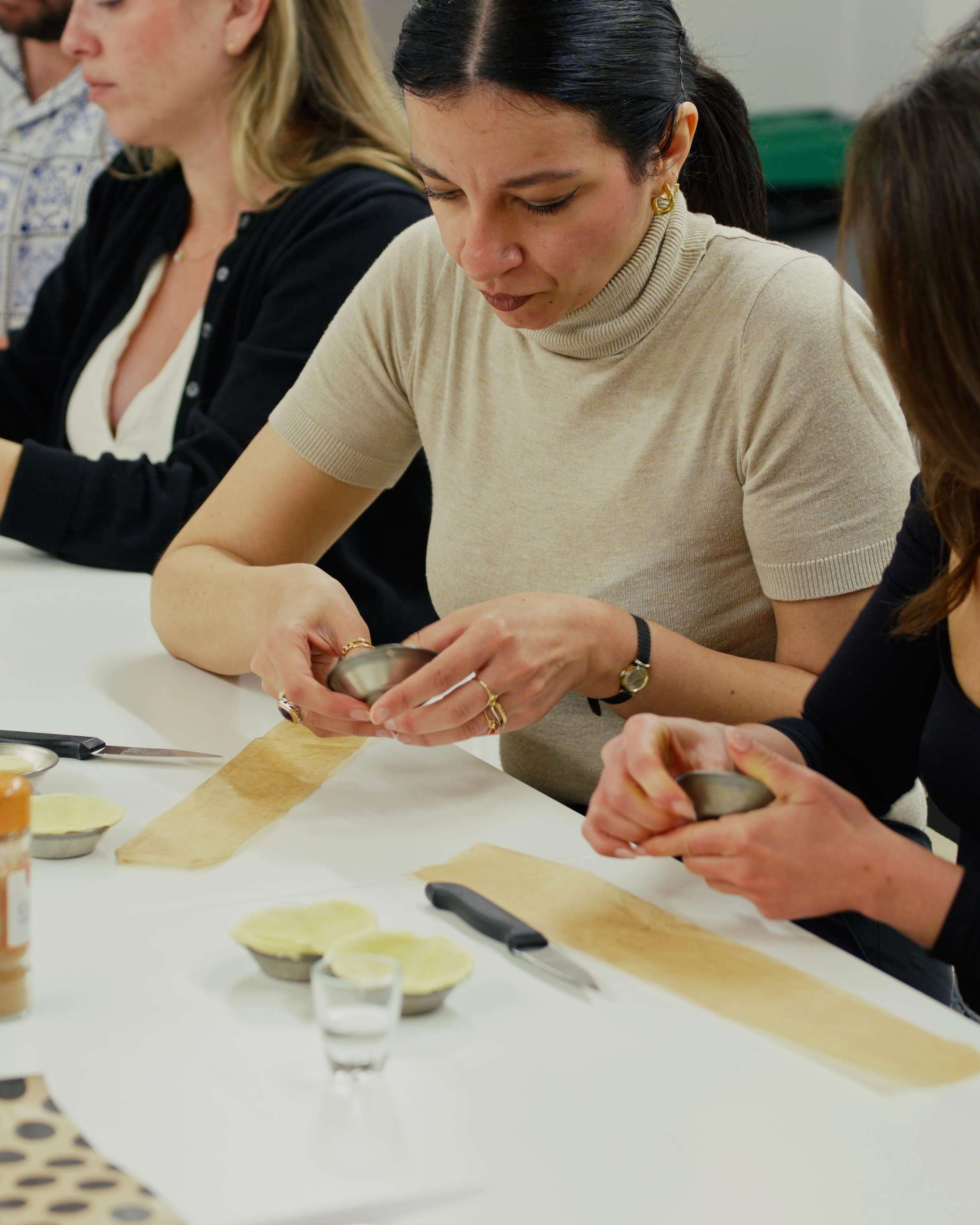
The technique everyone remembers is the pressing: place each spiral of dough cut-side down in the metal tin, let it soften, press straight down into the center with your thumbs, and smooth it thin across the bottom and up the sides while rotating the tin. The bottom should be pressed thinner than the sides.
While the batch bakes, so does the conversation. Hosts share informal Porto recommendations, and adults get a glass of local wine or Port to pair with the pastry. Baking tasks are shared among the group, so it runs as a cooperative effort where everyone takes turns on the steps.
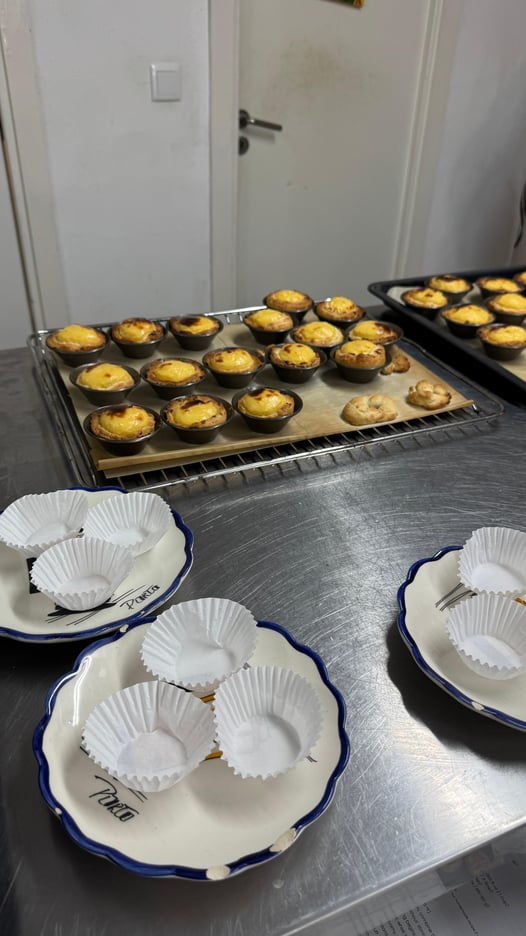
About 5 tarts per person: roughly 3 eaten fresh in class and 2 to 3 packed in a paper box for later. The recipe card goes home with you too.
What nobody tells you
The crackle comes from vertical lamination
Cutting the dough log into spirals makes the layers bake vertically, so the pastry hugs the custard and flares into a frilly rim
Cold hands keep the butter in place
Washing your hands with cold water right before pressing warm lamination butter stops it melting into the pastry
The metal tins rotate while you press
Traditional flared tins let you turn the mold as you shape the dough up the sides
Two of those three points save real time on your first attempt. Practice them at home afterward and your own tarts will snap like a bakery's.
Tour for this
Porto: Pastel de Nata Pastry-Making Workshop with cocktails4.9★ (2,542) · 1.5 hours · Free cancellation
Standard sessions run 1.5 to 2 hours from apron-on to final tasting, though a big group can push a session toward the two-hour mark.
Classes that also teach you to make the laminated puff pastry dough from scratch take about 2.5 hours, because authentic dough needs more than five hours of resting and folding to prepare properly.
Here are both timing questions side by side: how much room to leave in the day, and which month lands you in a calm kitchen instead of a crowded one.
Baking class durations in Porto
1.5 to 2 hrsstandard workshop duration
2.5 hrsclasses making dough from scratch
The numbers translate directly into the booking. A 2-hour class before lunch or dinner leaves plenty of room; the 2.5-hour from-scratch class eats a whole afternoon.
How busy it gets, month by month
August: 5 out of 5 for how busy it gets.
HighestMay, Jul to Oct
In betweenApr, Jun
LowestNov to Mar
Darker: a higher how busy it gets score, out of 5
Tap a month to read it.
How busy it gets (out of 5)
The calendar matters as much as the clock. August and September are the busiest months, and July and August are the warmest and driest, so a sunny walk to a workshop can feel warm in the afternoon.
A morning slot spares you the afternoon heat and keeps the kitchen cooler. Book a quieter month if you can, and a morning slot if you cannot.
Tour for this
Porto: Pastel de Nata Cooking Class from Scratch4.9★ (703) · 2.5 hours · Free cancellation
Which workshop fits you - cocktails, grandma's kitchen, or from scratch
The formats differ more than the tart does. Most two-hour workshops use high-quality pre-made laminated dough, because authentic puff pastry needs more than five hours of resting and folding to prepare. One operator pre-prepares the pastry and gives you the house recipe to recreate it at home, which is the honest trade-off.
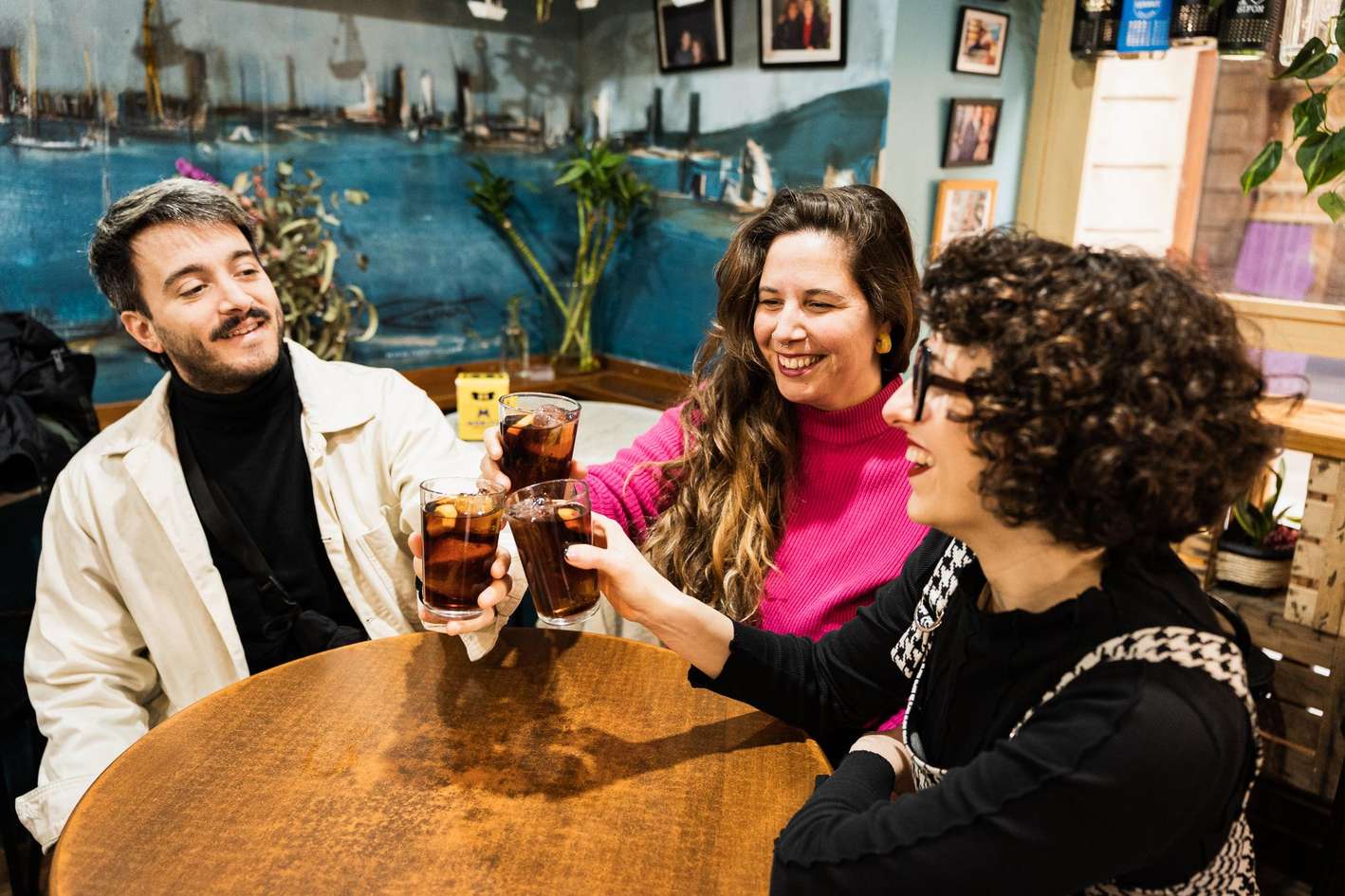
The Porto: Pastel de Nata Workshop with Cocktails is the laid-back evening option in a small group, and it suits solo travelers well: baking around a table gives you an immediate topic of conversation, and the drinks while the pastries bake make it feel like a gathering.
Three styles of Porto pastel de nata class
Cocktail workshop
Grandma's-recipe home class
From-scratch class
Atmosphere
Laid-back, social, drinks while the pastries bake
Cozy kitchen in a local's home, family stories
Focused, adult, wine and conversation
Skill depth
Shaping and custard, recipe card home
Everything from scratch, a family recipe handed down
Full dough lamination, the most technique
Who it suits
Solo travelers and groups who want to meet people
Travelers who want a home-stay feel
Enthusiastic bakers who want the whole craft
Length
1.5 hours
2 hours
2.5 hours
Cocktail workshop
Atmosphere
Laid-back, social, drinks while the pastries bake
Skill depth
Shaping and custard, recipe card home
Who it suits
Solo travelers and groups who want to meet people
Length
1.5 hours
Grandma's-recipe home class
Atmosphere
Cozy kitchen in a local's home, family stories
Skill depth
Everything from scratch, a family recipe handed down
Who it suits
Travelers who want a home-stay feel
Length
2 hours
From-scratch class
Atmosphere
Focused, adult, wine and conversation
Skill depth
Full dough lamination, the most technique
Who it suits
Enthusiastic bakers who want the whole craft
Length
2.5 hours
The Porto: Pastel de Nata Cooking Class with Grandma's Recipe is the home option: two hours in a local's kitchen, following a recipe that has belonged to your host's grandmother for years, ending at the table with drinks and fresh pastries.
The from-scratch class is the one that leaves the most technique behind, and it costs the extra half hour.
Tour for this
Eat Porto Like a Local: The Ultimate Full-Meal Food Tour4.9★ (184) · 3.5 hours · Free cancellation
Special diets, kids, and accessibility - can you join?
Vegan is the easy case: a dedicated vegan pastel de nata class in Porto uses all vegan ingredients and materials, and some other classes offer lactose-free and vegan options on request with advance notice.
A dedicated vegan class is the safer choice for anyone who cannot eat dairy or eggs, since some standard classes are not suitable for people with food allergies or lactose intolerance.
Celiac disease is the hard one. In a baking kitchen, flour is in the air, and settling particles can contaminate food for a day afterwards. Flour can stay airborne for 12 to 24 hours, so a class that disperses flour is not a safe environment for celiac disease.
The one fact that can stop the visit
People with celiac disease should not attend a baking workshop Airborne flour lingers for 12 to 24 hours and cross-contamination is unavoidable in a baking kitchen, so choose a different activity
One practical check before you decide: call the studio and ask what they bake in the same room that day, because if a class is running, the flour is already there.
Age rules vary by operator. One class excludes children under 10, another excludes children aged 8 and younger, and one group workshop sets the minimum at 15, with kids under 15 joining only via a private tour.
Some classes welcome children with their parents, and some are stroller accessible. Accessibility also differs: one operator runs a wheelchair-accessible Lapa store, while another studio near Porto Cathedral is not suitable for wheelchair users. Instructors teach in English, with some classes also in Portuguese, Spanish or French.
Tour for this
Porto: Pastel de Nata Cooking Class with Port Wine4.9★ (1,473) · 1.5 hours · Free cancellation
Getting there - how to reach the workshop kitchens
The studios cluster around Bolhão, Cedofeita and Bonfim, and the center of the city is small enough that most of them are walkable. The journey is the easy part of the day.
Here are the three ways to reach the market, from fastest to simplest.
If your class sits near Mercado do Bolhão, the metro does the job: from Trindade, Bolhão is the first stop east on the central trunk, served by lines A, B, C, E and F leaving from the same platform, and the station sits directly beneath the market with direct access into the building.
The walk is barely a stretch of city streets, so many people skip the metro and go on foot. Other meeting points sit close to Aliados, served by Line D, or a short walk from São Bento.
No car is needed.
Tour for this
Porto: Pastel de Nata Workshop with Cocktails4.9★ (159) · 1.5 hours · Free cancellation
The rule that matters most is the shoes. Flat, closed-toe shoes are strictly required in the kitchen, and open-toed footwear, sandals and flip-flops are banned. The tins come out of a hot oven and the floor is tiled, so this is not a suggestion.
Run through the checklist before you leave the hotel, and you will have nothing to fix at the door.
What to wear and bring for baking workshops
Closed-toe flat shoesRequired in kitchen environments to protect feet from hot tins and dropped tools; open-toed shoes and flip-flops are strictly banned.
Non-slip solesKitchen and bakery floors can become slick around dough prep benches and washing sinks from water, butter, and stray flour.
Hair tie or bandAttendees with long hair must tie it back securely before stepping into the kitchen for food hygiene.
Fitted short or rollable sleevesAvoids loose cuffs brushing against liquid custard or touching high-temperature commercial oven doors.
Comfortable socksWorkshops involve standing on hard tiled floors for 1.5 to 2.5 hours while laminating pastry and working the dough.
Everything else is on the studio. Workshops provide all cooking equipment, baking utensils and raw ingredients, and bringing outside kitchen tools or personal ingredients is unnecessary. Aprons are supplied by most studios on arrival, though a few home-based classes recommend bringing your own.
You bring yourself dressed in casual clothes you do not mind getting flour on, with no loose sleeves near the ovens. A tie for long hair is worth having with you.
Tour for this
Porto: Vegan Pastel de Nata Cooking Class with Port Wine4.5★ (7) · 1.5 hours · Free cancellation
The booking window is generous: the tours on this page allow cancellation for a full refund up to 24 hours in advance. That covers a flight delay, a changed plan, a better day.
The start time is the other side of the coin. Some studios close the doors at the scheduled start time, and late entry is not permitted, with no rescheduling or refund offered.
At one operator, staff will try to fit late arrivals in without disrupting the other participants, and if that is not possible they will try to accommodate them at another time. At the from-scratch class on this page, the tour starts at the scheduled time with no exceptions and no joining once it has begun.
If the day changes
If this happens
What happens then
Cancel or reschedule up to 24 hours ahead
Full refund
Cancel inside the last 24 hours
No refund
Arrive late at a studio that locks the doors
No entry, no refund, no rescheduling
Arrive late at a more flexible operator
Staff try to fit you in, or move you to another time
The practical move is to cancel early if you can, and arrive ten minutes before the start time whatever you have booked.
Tour for this
Porto: Pastel de Nata Class with Isabel and Jorge5.0★ (86) · 1.5 hours · Free cancellation
A class, a food tour, or both? And what about Lisbon
The two formats answer different questions. A class suits travelers who want to work at a bench and table, and it involves less walking.
A food walk runs three to four hours on foot, mostly standing at counters and climbing steep streets, linking several tastings with markets and local food history, and it usually hosts ten to fifteen people. On Porto food tours, Port wine usually appears as a single glass at one stop.
If you choose the walk, the Eat Porto Like a Local: The Ultimate Full-Meal Food Tour is the near option: 3.5 hours, a complete meal with drinks included across 4+ stops, pastel de nata, local cheeses and wine, bifana and petiscos with a small group.
A traveler's note
A great baking course with a really nice group, chatting while baking made the recipe easier to understand. Our homemade pastéis de nata were super tasty; I'll definitely bake them again! 😋
The same traveler summed up the pattern: the restaurants you learn about on the first day become the meals you eat on the third.
On Porto versus Lisbon: Porto offers stronger regional character and traditional food traditions for a guided culinary walk, and one full food walk is enough for a vacation, so skip the repeat in Lisbon. Lisbon has the larger cooking-class selection, but Porto has the scene you need.
Tour for this
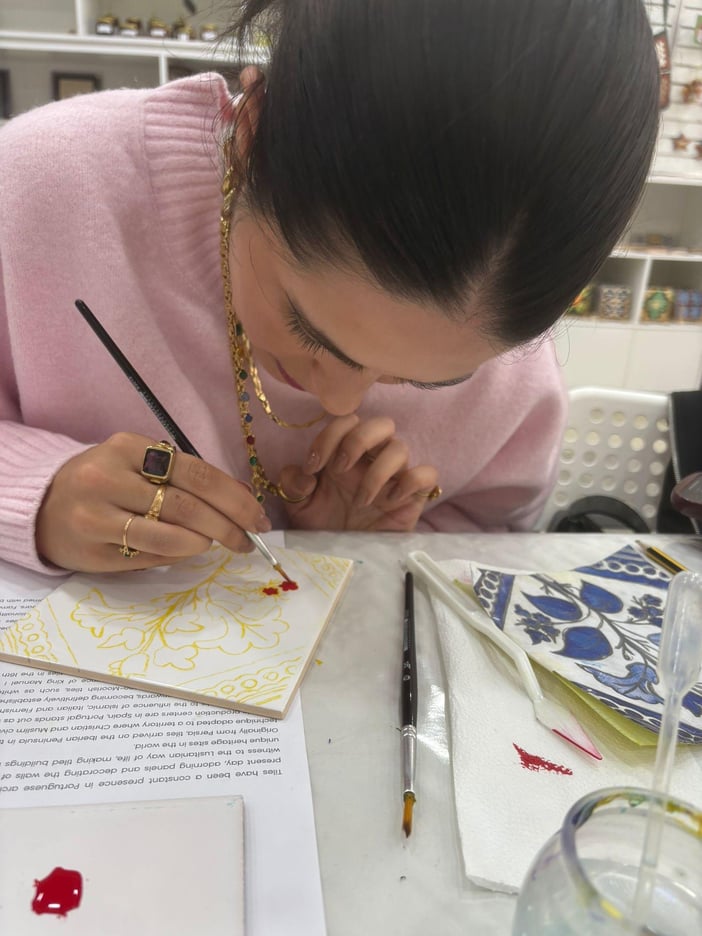
Porto: Pastel de Nata Workshop or Azulejo Painting Workshop4.7★ (7) · 2.5 hours · Free cancellation
The recipe card is the part of the class that keeps working after you leave. Some instructors even recommend flour brands available internationally, so you can source the same ingredients at home.
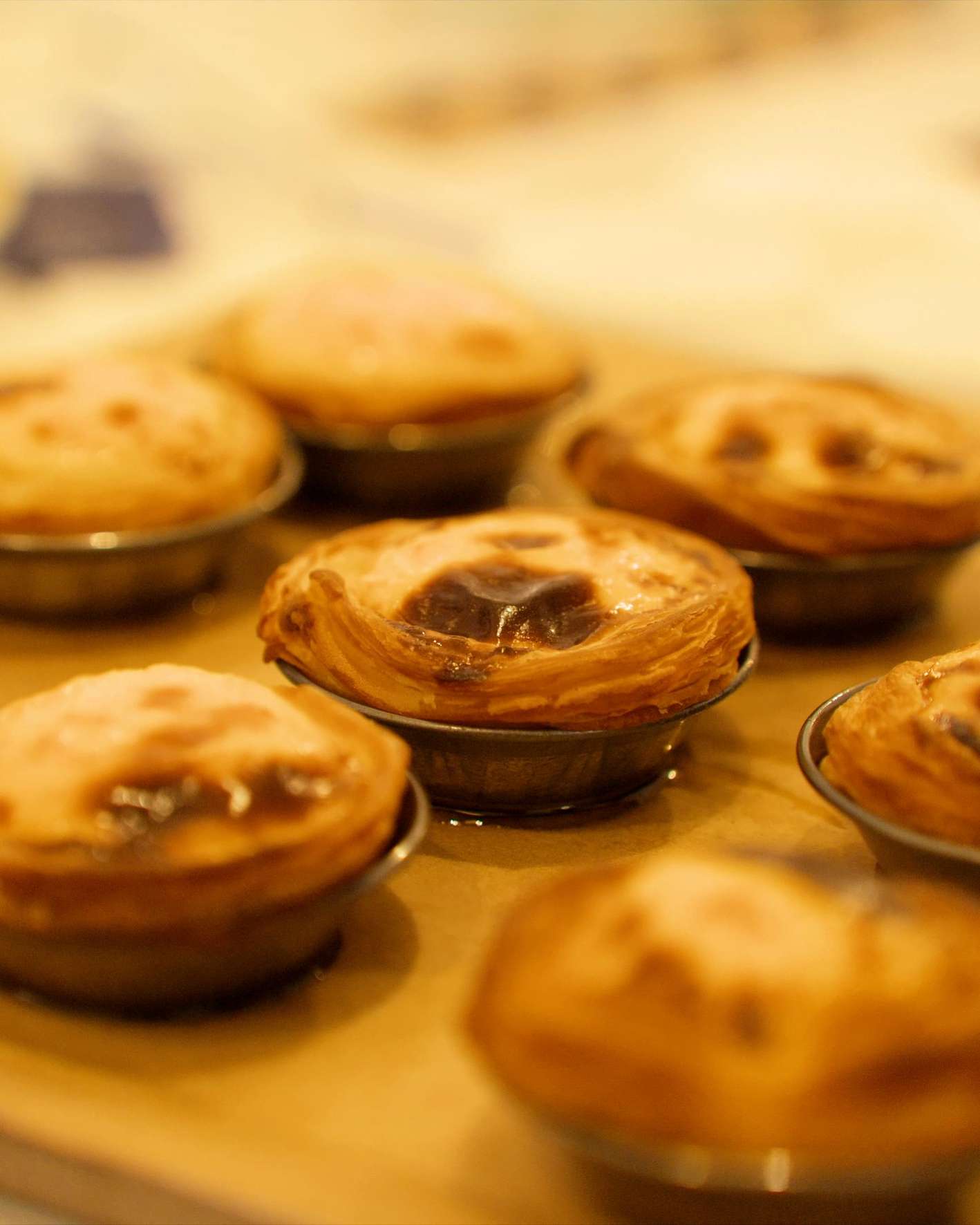
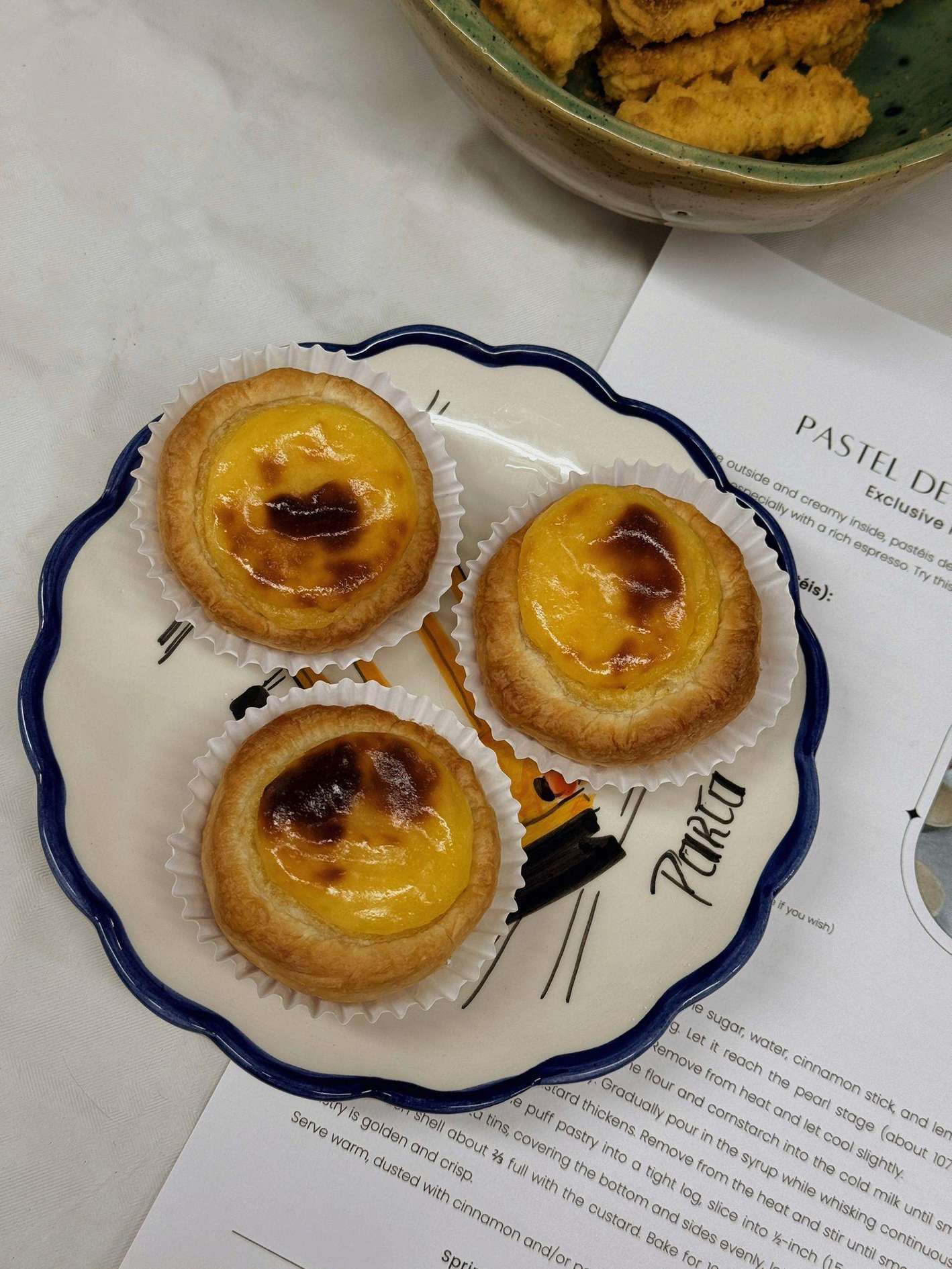
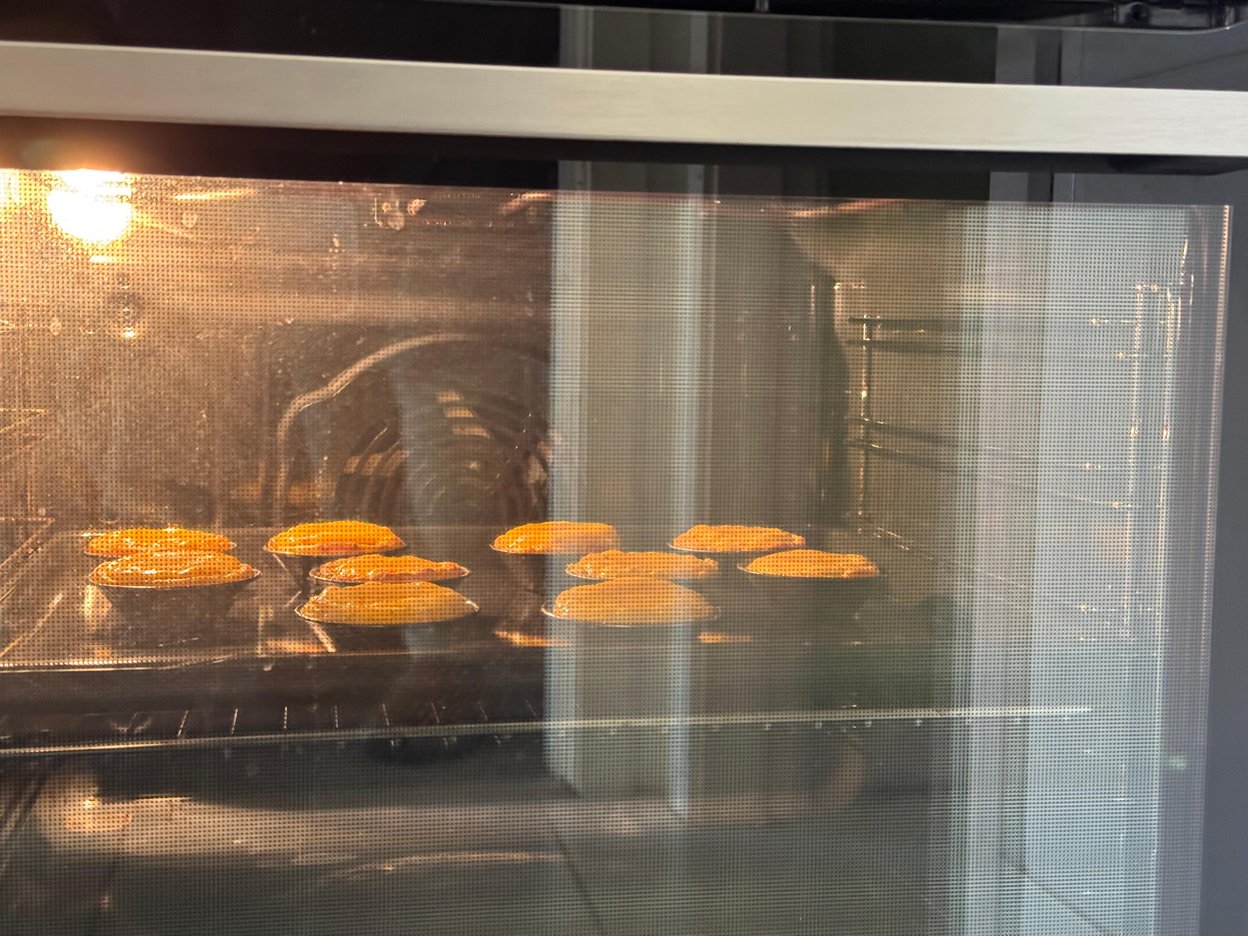
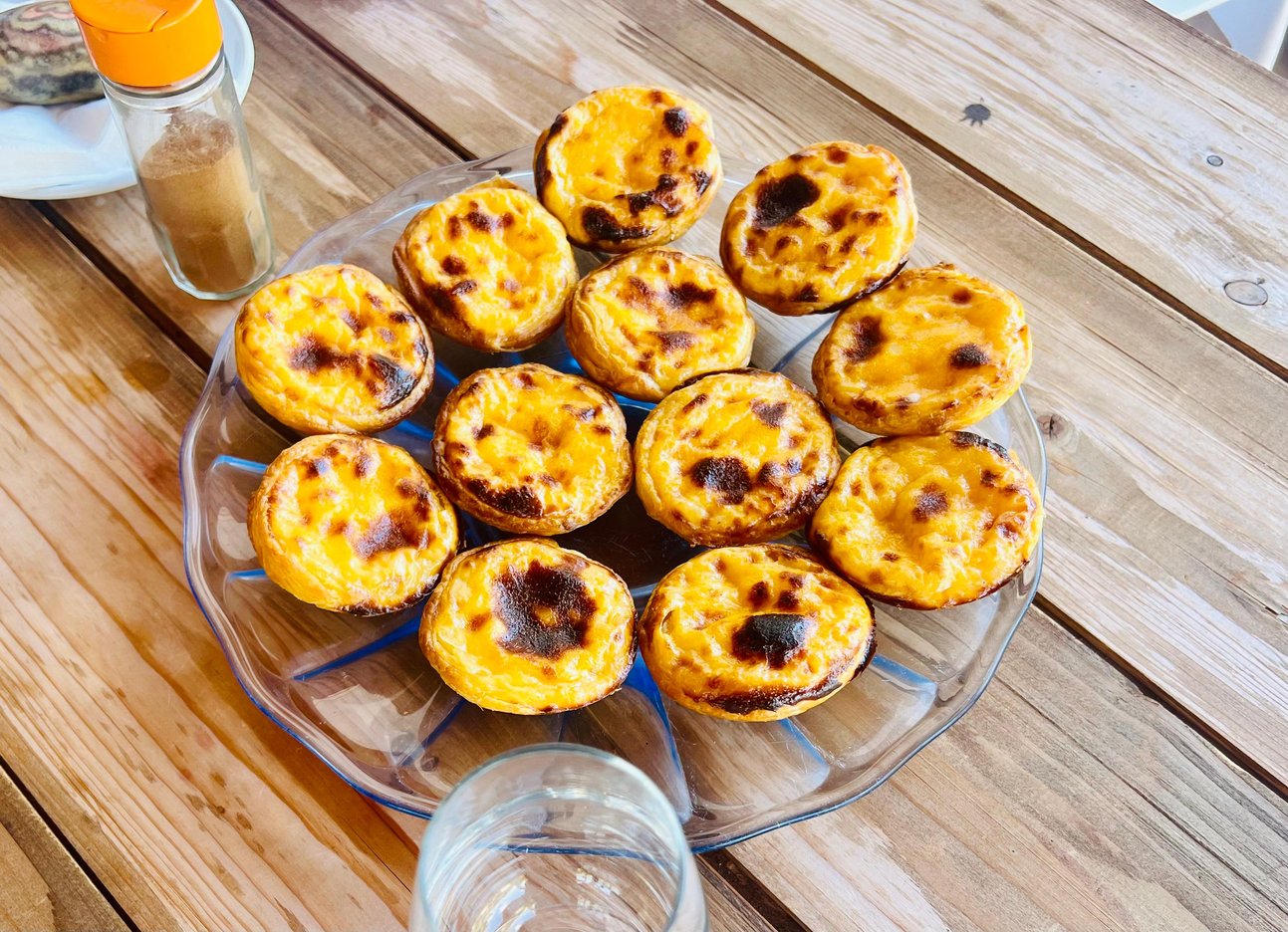
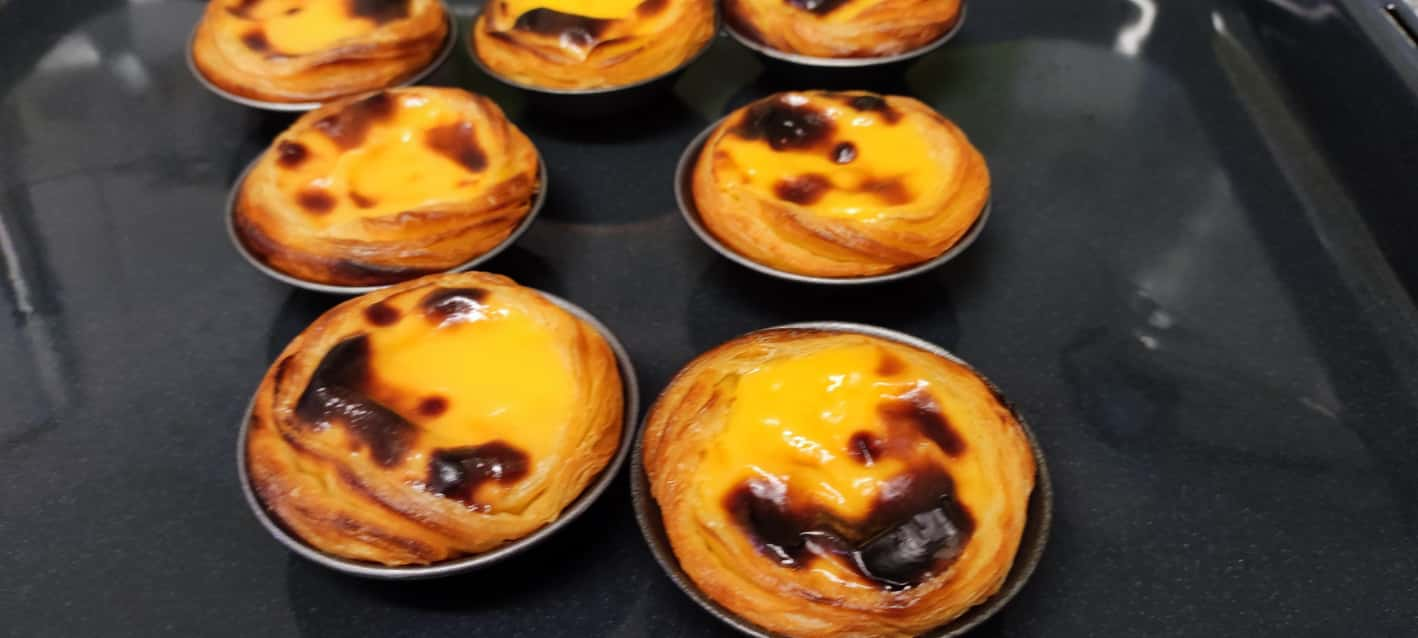
The oven is the challenge. Bakeries use very high heat so the pastry cooks on the outside without overcooking the custard inside, and the dark spots are the caramelized surface. At home, aim for at least 250°C, with around 260°C as the practical target, on the fan setting.
RecommendedThe home-baker's shortcut: Use the fan setting at about 260°C, reduced by about 15°C from the usual Convection is the reliable way to get the mottled dark spots on top Preheat a heavy baking steel or cast-iron pan on the bottom shelf Direct bottom heat crisps the pastry base before the custard sets Check from halfway through baking With a baking steel, the time drops to 25 to 27 minutes Broil for 20 to 60 seconds if the tops stay pale Watch closely while it does
Metal tins do the job better than silicone, because metal conducts heat and browns the pastry properly. A non-stick coating is unnecessary; the high-fat crust does not stick.
Tour for this
Porto: Pastel de Nata Workshop and Douro River Cruise5.0★ (3) · 3.5 hours · Free cancellation
A class in central Porto leaves you in the middle of the good stuff. Before the session, wander through Mercado do Bolhão and Confeitaria do Bolhão, a historic bakery and pastry shop on Rua Formosa.
After, the tascas near the center are good for a bite: Adega Viseu for traditional petiscos, Casa Louro for a ham sandwich and wine, five minutes from São Bento station, or Prova for wine by the glass.
Timing matters. In Porto, the late afternoon between 3:30 pm and 6 pm is the lanche, the sweet spot that bridges the long gap between a substantial lunch around 12:30 pm and 2 pm and dinner that rarely starts before 8 pm.
A warm tart with Port fits there. In the morning, tarts pair with espresso at the counter, where locals call it a cimbalino.
Here are the places worth a short walk from the class, whatever the hour.
The convent sweets are worth knowing too, and the north has its own: ovos moles from Aveiro, toucinho do céu from Guimarães, sameirinhos from Braga. At a tasca, the appetizers like bread, butter and olives arrive unasked and will be added to the bill unless you decline or leave them untouched.
The class sends you home with 2 to 3 tarts per person, and if you are flying soon, the last practical question is transport.
Pastry shops pack custard tarts in specialized takeaway boxes that keep them good to eat for up to two days, and rigid cylindrical bakery tubes protect their shape in transit much better than standard square boxes.
Security lets freshly baked pastéis de nata through in carry-on luggage on flights leaving Porto. Pack the box in carry-on luggage, because a box under a heavy suitcase does not survive the trip intact.
For a long flight, refrigerating the tarts the night before helps them maintain quality over long transit. The pair of facts that matter: a box keeps two days, and the tarts travel better in a tube.
If you have a rental with a fridge before the airport, use the night; if you go straight to the gate, the box is enough.
A pastel de nata class is a good use of a morning or evening in Porto, as long as you match the format to the group. Standard sessions run 1.5 to 2 hours, the from-scratch class takes 2.5, and every one of them sends you home with a recipe card and a box of tarts.
Go ifGo if you want to learn the technique behind the tarts yourselfGo if you travel solo and want an easy way to meet people in a small groupGo if you want the recipe card and home-oven method to take back with you
Skip ifSkip if you have celiac disease, since airborne flour in a baking kitchen is unavoidableSkip if you only want to eat excellent tarts, because bakery visits are enoughSkip if you cannot arrive ten minutes before the start time, since some studios lock the doors
Our pick to book
Porto: Pastel de Nata Pastry-Making Workshop with cocktails4.9★ (2,542) · 1.5 hours · Free cancellation
Your pastel de nata questions about Porto classes, answered
closed-toe shoes, no exceptions
Quick answers before you book a pastel de nata workshop in Porto.
Porto2026
The tarts come out of the oven hot and the whole room smells of caramelized sugar. Eat them warm, let them cool for a minute, and pack the spares in your carry-on.
What is a pastel de nata?
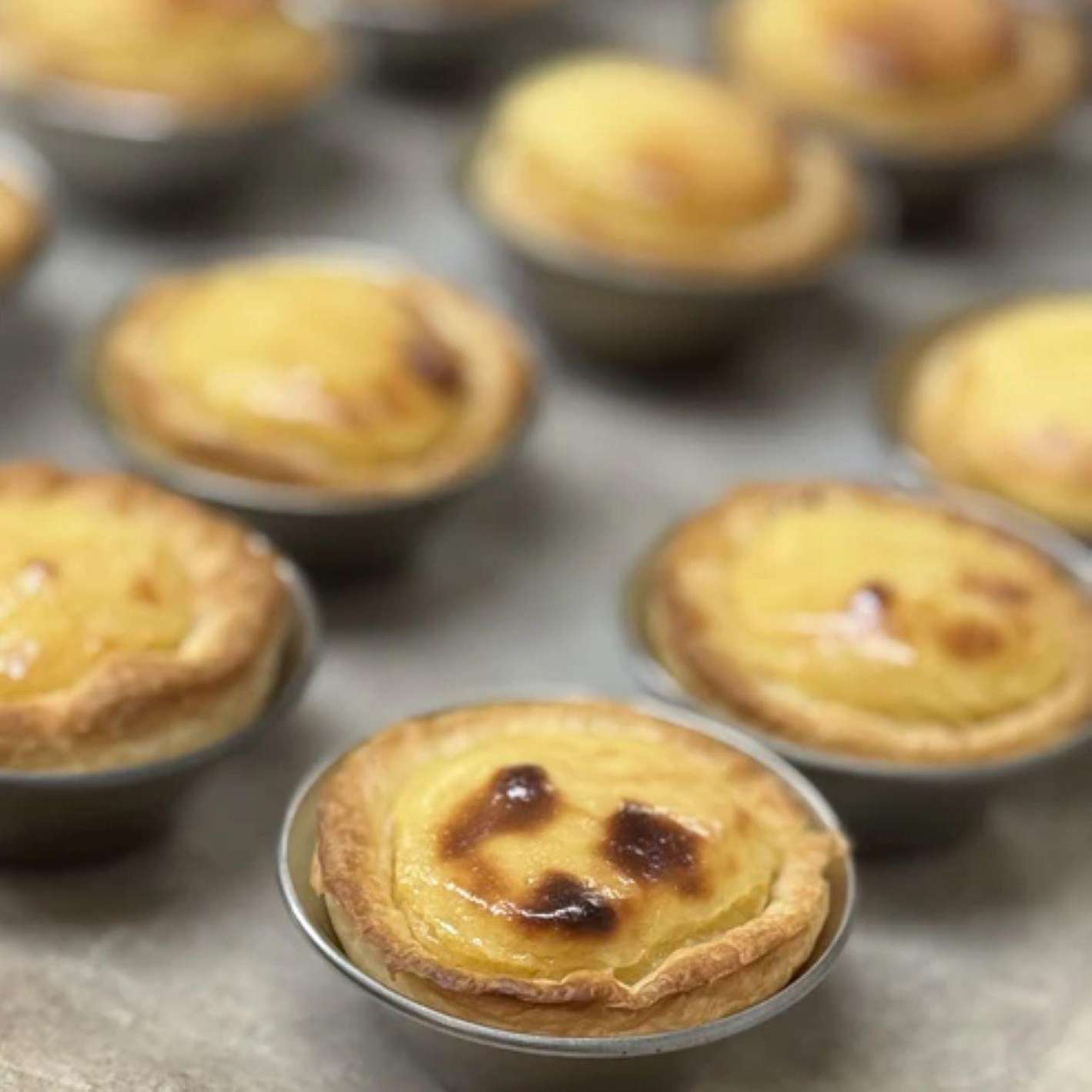
A Portuguese custard tart with flaky pastry and a sweet egg-custard filling, baked at high heat so the top gets dark caramelized spots. It is best eaten warm, straight from the oven.
Will I actually bake the tarts myself or just watch?
In a hands-on Porto workshop you roll out the dough, shape it into the flared metal tins and mix the custard yourself. In a demonstration-led class you only watch, so check the format before you book.
How long does a pastel de nata workshop in Porto last?
Most run between 1.5 and 2 hours from apron on to final tasting. Classes that also teach the laminated puff pastry from scratch take about 2.5 hours.
Are children allowed in the classes?
Age rules vary a lot. Some classes welcome children from 3 or 10 years old, others require a private tour for kids under 15, and some are adults only. Check the age limit for the class you want before booking.
Can I join if I have an egg or dairy allergy?
Some classes can prepare lactose-free or vegan options on request, but they need advance notice. Other classes are not suitable for people with food allergies, so read the fine print before you commit.
Do I get drinks with the class?
Most Porto workshops include drinks. Coffee, tea, juice and water are standard, and many classes pour a glass of wine or Port for adults while the tarts bake.
Will I get a recipe to take home?
Yes, most Porto baking classes provide a printed or digital recipe card, sometimes with tips for sourcing flour brands available internationally. You can also ask the instructor for advice on the spot.
Can I recreate the tarts in my home oven?
Aim for at least 250°C, around 260°C, with the fan or convection setting, and use a preheated baking sheet or steel for bottom heat. If the tops stay pale, a quick broil for 20 to 60 seconds adds color.
How do I know if a pastel de nata in Porto is fresh?
Bite it. Fresh pastry cracks crisply; if it bends instead of cracking, the tart is not fresh or was not properly made.
What should I wear and bring?
Wear comfortable clothes you do not mind getting flour on and flat, closed-toe shoes, which Porto kitchens require. Studios provide aprons, equipment and ingredients, so you only need yourself.
Can I take fresh tarts through airport security?
Yes. Freshly baked pastéis de nata can go through airport security in carry-on luggage on flights leaving Porto. Pack them in a rigid box or tube so they survive the trip.
How do locals eat a pastel de nata in Porto?
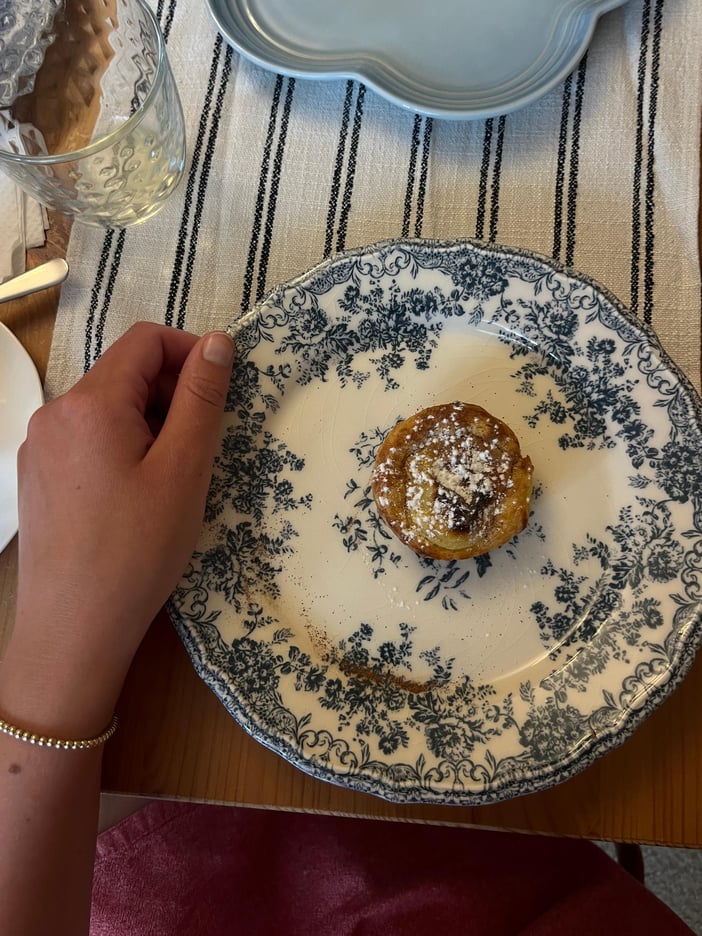
With an espresso, called a cimbalino locally, often at the counter. Cinnamon and powdered sugar are optional toppings, so try the tart plain first and decide.
Bake pastel de nata, sip Port wine, take yours home
take home 2 or more pastries in a box
Roll the pastry, fill the tins, and taste your tarts warm from the oven with a glass in hand, and cancel up to 24 hours ahead for a full refund.


 Your best match